
The Art of the Primitive Campsite
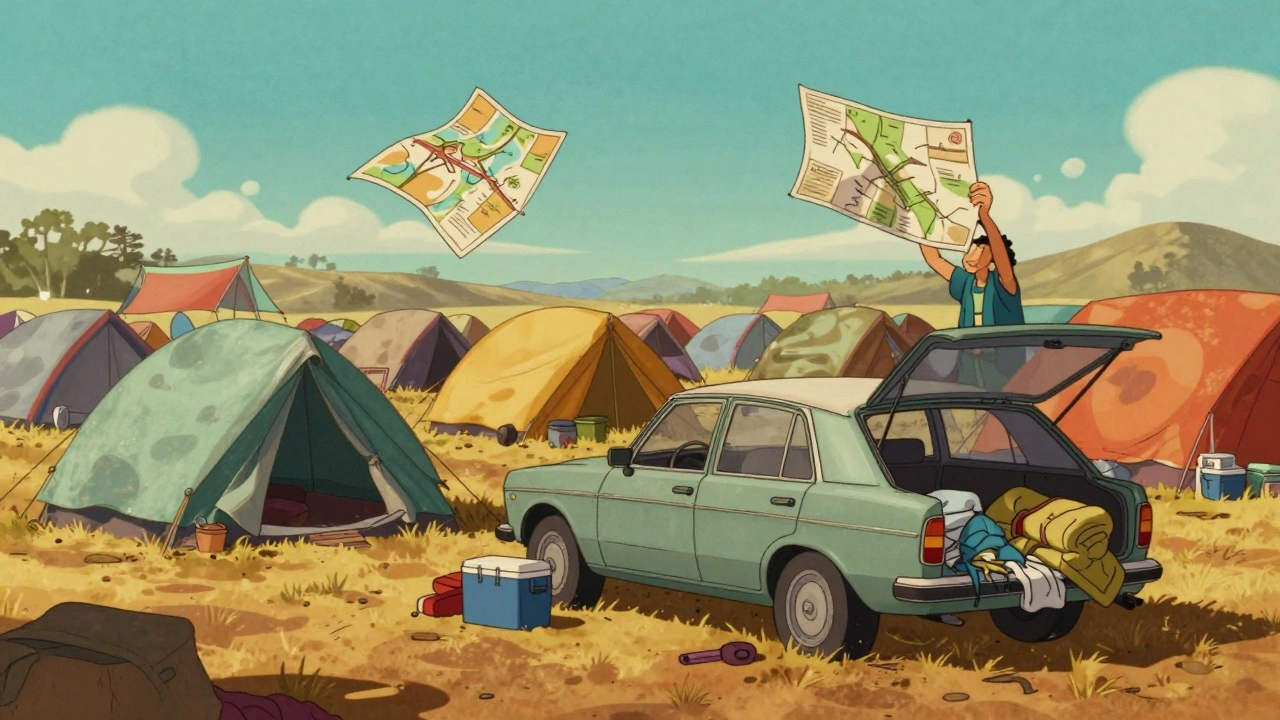
In the 90s, camping wasn't an 'add-on' package with a pre-installed bed and a welcome basket. It was a logistical puzzle. Most fans rolled up in beat-up sedans or vans, packed with cheap sleeping bags and coolers that leaked all over the trunk. Festival Camping is the practice of establishing temporary residential sites at a music event to create a multi-day immersive community. This wasn't just about sleep; the campsite was the heart of the social ecosystem.
You didn't have a GPS to find your friends. You looked for the tent with the giant flag or the one playing the loudest boombox. I remember the smell of damp canvas and citronella candles mixing with the scent of cheap incense. There was a specific kind of generosity back then-if you ran out of water or your stove broke, the person in the next tent over would happily share their supplies. It was a survivalist mentality that bonded people together. You didn't know their last names or where they worked, but you knew they loved the same obscure grunge band you did, and that was enough.
The Wristband as a Sacred Token
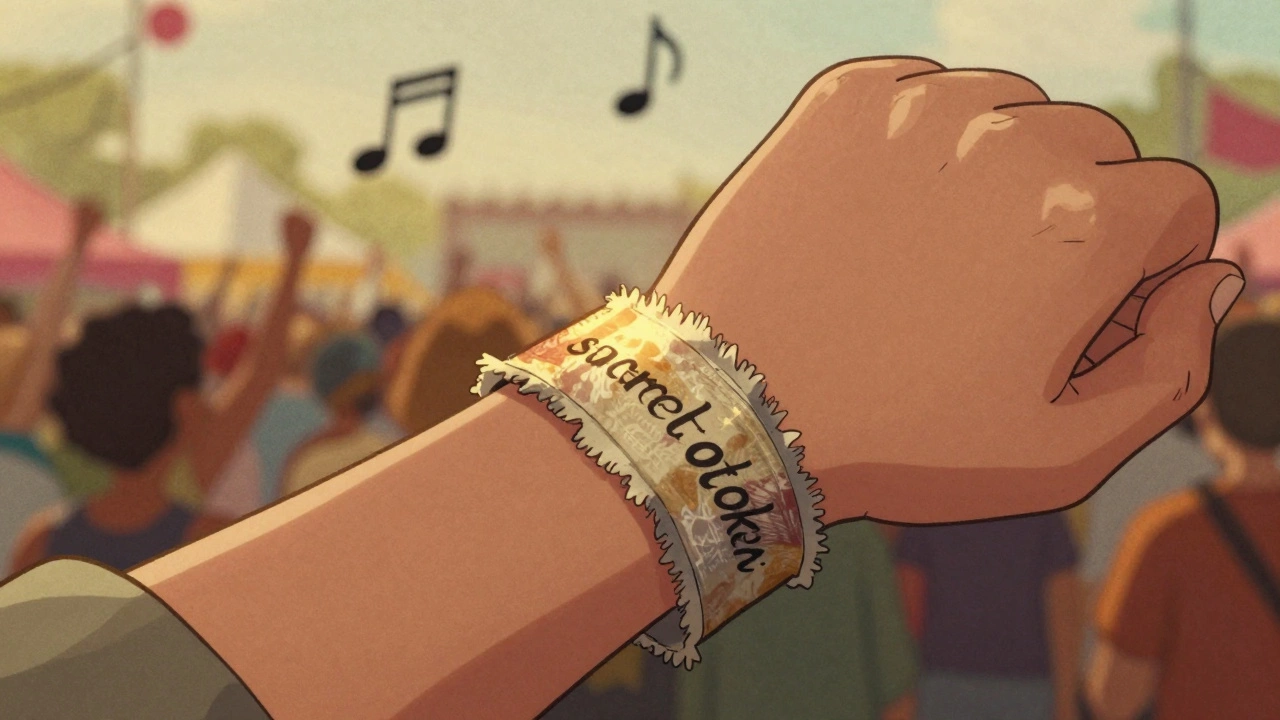
Before digital tickets and QR codes, the physical act of entering a venue felt more permanent. Wristbands are colored fabric or plastic bands used as a primary method of access control and identity verification at large-scale events. In the early 90s, many festivals still relied on paper tickets or stamps on the hand that faded by the second day. The transition to fabric wristbands changed the game. They weren't just security measures; they were badges of honor.
Wearing a wristband meant you had "made it" inside. For many, the ritual didn't end when the music stopped. People would wear their festival bands for months, sometimes even years, as a way to signal their membership in a specific subculture. If you saw someone with a weathered, frayed band from a 1994 event, you knew they were a veteran of the scene. It was a silent handshake that immediately established a connection between strangers.
| Feature | 1990s Experience | Modern Era (2020s) |
|---|---|---|
| Navigation | Paper maps & landmarks | Real-time GPS & App maps |
| Communication | Meeting spots & payphones | Instant messaging & Find My |
| Entry Method | Paper tickets / Fabric bands | Digital QR codes / RFID |
| Camping | DIY tents & shared coolers | Glamping & pre-set pods |
The Rise of the Touring Festival
The 90s saw the birth of the "mega-festival" concept that we still see today. Lollapalooza is a pioneering alternative rock festival that began as a touring event in 1991, bringing multiple acts to different cities. Unlike modern stationary festivals, early Lollapalooza moved. It was a traveling circus of alternative culture. This created a different kind of community-a nomadic one. Fans would track the tour and meet the same crowd of people in different states, building a traveling tribe of like-minded outsiders.
This era also coincided with the explosion of Rave Culture, which is an underground electronic dance music movement characterized by the 'PLUR' philosophy (Peace, Love, Unity, Respect) and makeshift dance floors. Raves brought a different flavor to the camping and community experience. While rock festivals were about the stage and the spectacle, raves were about the dance floor and the collective energy. The community focus shifted from "who is playing?" to "how can we all feel this together?" This shift introduced a level of inclusivity and openness that influenced every music gathering that followed.
Building an Instant Society
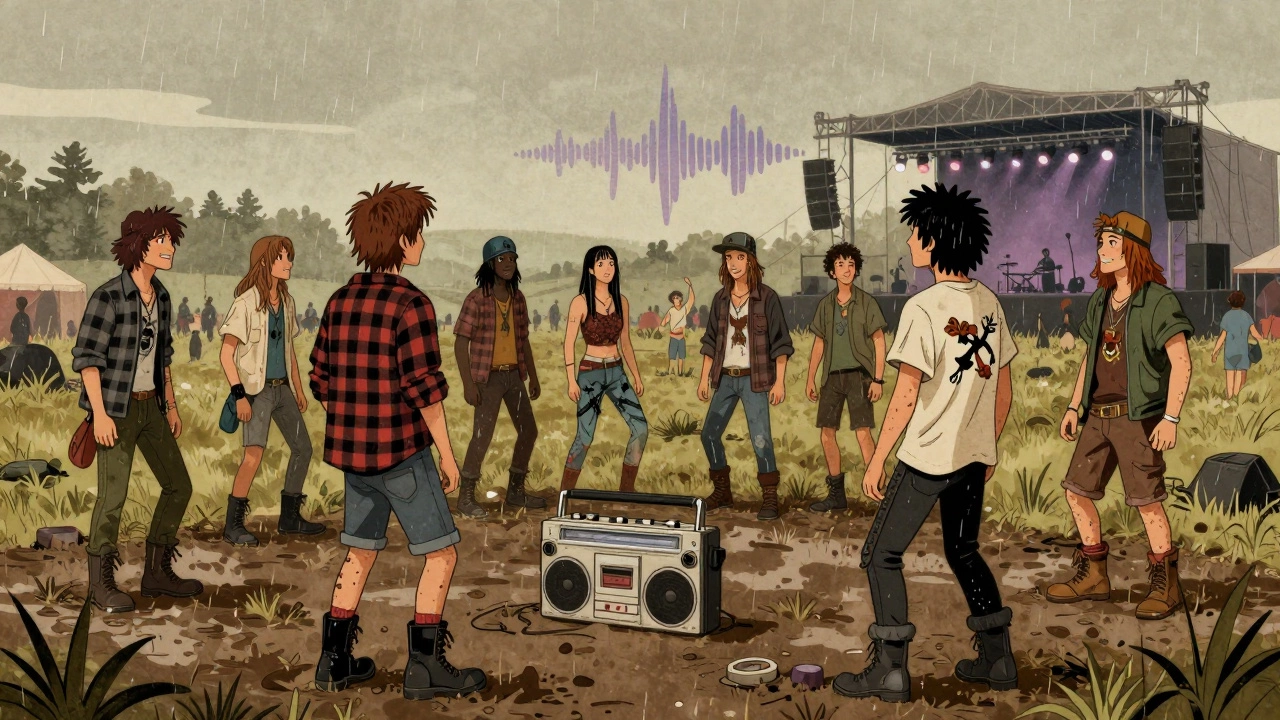
There is something about the combination of sleep deprivation and loud music that strips away social barriers. In the 90s, this created an "instant society." Without the distraction of a screen, you were forced to engage with the person next to you. You'd spend four hours talking to a stranger about the philosophy of lyrics while waiting in a line for a lukewarm burger. These interactions weren't "networking"; they were genuine human connections.
This community was built on shared struggle. Dealing with a sudden rainstorm that turned the entire campsite into a mud pit didn't make people miserable-it made them bond. Helping a neighbor pitch a collapsing tent became a communal project. That shared vulnerability is where the strongest memories were made. It turned a concert into a pilgrimage. You weren't just a consumer of music; you were a participant in an event that felt larger than yourself.
The Legacy of the Analog Era
Looking back, the 90s fan experience was defined by its limitations. The lack of instant information made every discovery feel like a win. Finding a hidden stage or stumbling upon a side-project set felt like a secret shared between a few lucky people. The community was tighter because it was harder to access. You had to put in the work-the driving, the camping, the waiting-to be part of it.
While we enjoy the safety and convenience of modern festivals, something was lost when we traded the paper map for a smartphone. The 90s taught us that the best part of a festival isn't the headliner; it's the weird, unplanned moments that happen in the dirt between the stages. It was an era of true exploration, where the wristband on your arm was a key to a temporary world where the only thing that mattered was the beat and the people around you.
Were wristbands used at all festivals in the 90s?
No, not initially. In the early 90s, many events still used paper tickets or ink stamps on the wrist. Fabric wristbands became the industry standard later in the decade as organizers looked for more durable ways to prevent ticket fraud and manage multi-day access.
How did people find their friends without phones?
Fans relied on "landmark meeting spots." They would agree to meet at a specific tree, a certain food vendor, or a uniquely colored tent at a set time. If someone was late, you simply waited and hoped for the best, or looked for them at the main stage during the headliner's set.
What was the difference between a 90s festival and a 90s rave?
Traditional festivals like Lollapalooza were centered around a stage and a schedule of performances. Raves were often more clandestine, focusing on continuous DJ sets, immersive lighting, and a stronger emphasis on the dance community's social interaction rather than a specific "act."
Was camping always this rough in the 90s?
Generally, yes. While some older fans had better gear, the "glamping" culture didn't exist. Most people used basic tents and relied on coolers for food and drink. The experience was characterized by a "roughing it" mentality that contributed to the sense of community.
Why were wristbands considered 'badges of honor'?
Because festivals were often seen as counter-cultural gatherings, wearing the band after the event proved you were part of that specific movement or subculture. It acted as a visual signal to other fans that you shared the same tastes and experiences.


