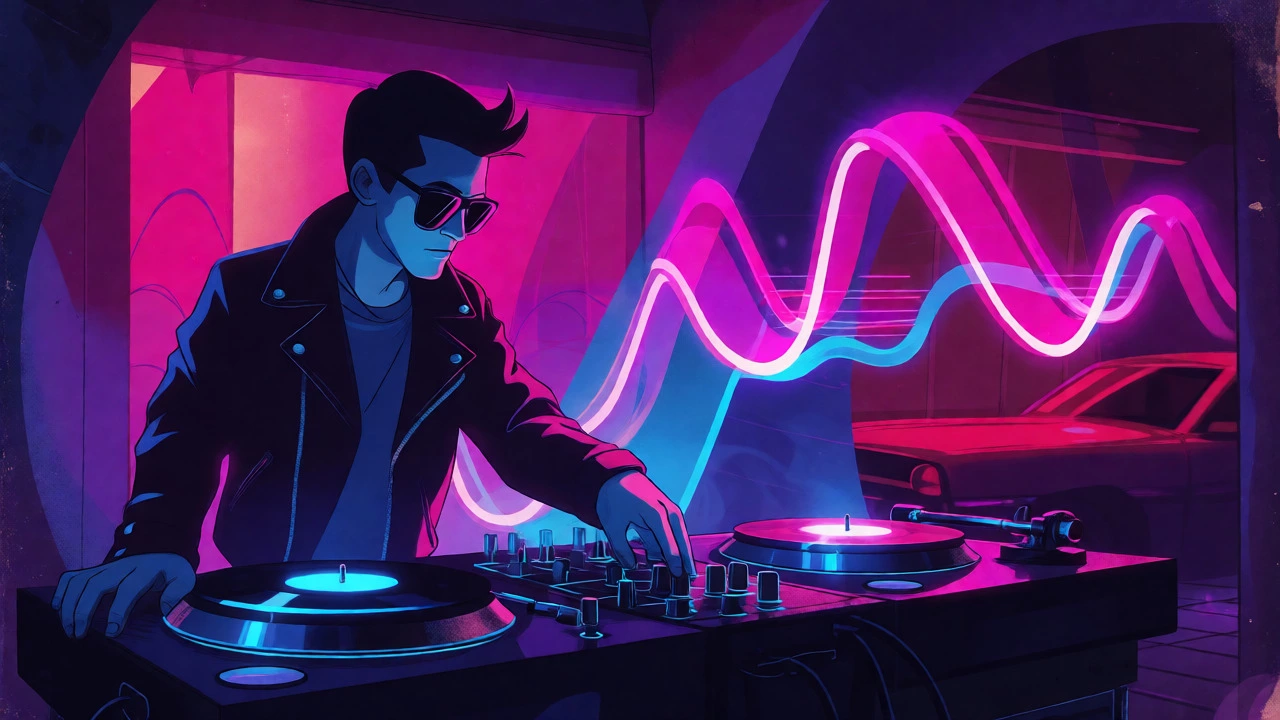

You’re driving down a rain-slicked highway at 2 AM. The neon lights blur into streaks of magenta and cyan. The air smells like ozone and old vinyl. You hit play on a track that sounds like it fell out of a time machine from 1984, but the production is crisp, modern, and heavy with bass. This isn’t just nostalgia; it’s Synthwave, a retro-futurist electronic music genre that reconstructs the sonic landscape of the 1980s using contemporary digital production techniques. It emerged not as a direct continuation of 80s pop, but as a curated, idealized memory of that decade, born in the French underground and exploded globally through internet culture and cinema.
From French House to Global Phenomenon
The story starts in Paris, not Los Angeles. While many assume synthwave was an American invention, its roots are deeply planted in the French house scene of the mid-2000s. Producers like Kavinsky (Vincent Belorgey) began blending the four-on-the-floor beats of house music with the cinematic synth leads of John Carpenter and Vangelis. His 2006 EP "Teddy Boy" is often cited by historians as the blueprint. But it wasn’t until Nicolas Winding Refn released the neo-noir film Drive in 2011 that the world took notice. The soundtrack, featuring Kavinsky’s "Nightcall" and College’s "A Real Hero," paired slow-motion car chases with pulsating electronic rhythms. Suddenly, millions of viewers were exposed to this specific aesthetic. It wasn’t just background noise; it became the sound of cool, detached urban nightlife.
The Anatomy of the Sound
What actually makes a track synthwave? It’s not just about using a synthesizer. The genre relies on a very specific set of musical rules derived from 1980-1989 pop and film scores, but filtered through modern ears. Most tracks sit in a minor key, creating that signature melancholic yet heroic vibe. The tempo usually hovers between 80 and 120 BPM, perfect for driving or late-night studying rather than peak-time clubbing.
| Element | Traditional 80s Pop | Modern Synthwave |
|---|---|---|
| Drums | Gated snare reverb, acoustic kits | Digital samples, sidechain compression, punchier kick |
| Bass | Analog synth or electric bass | Arpeggiated saw waves, distorted sub-bass |
| Production | Studio polish, natural room reverb | Clean digital mastering, stereo widening, intentional lo-fi textures |
| Vocals | Prominent, lyrical focus | Sparse, heavily processed, or absent |
Producers today use plugins to emulate classic hardware like the Roland Juno-106 or the Yamaha DX7. However, they apply modern tricks like sidechain compression-the "pumping" effect popularized by Daft Punk-to make the track feel current. This hybrid approach allows the music to feel both familiar and fresh, a crucial factor in its widespread appeal.
The Visual Language: Neon and Chrome
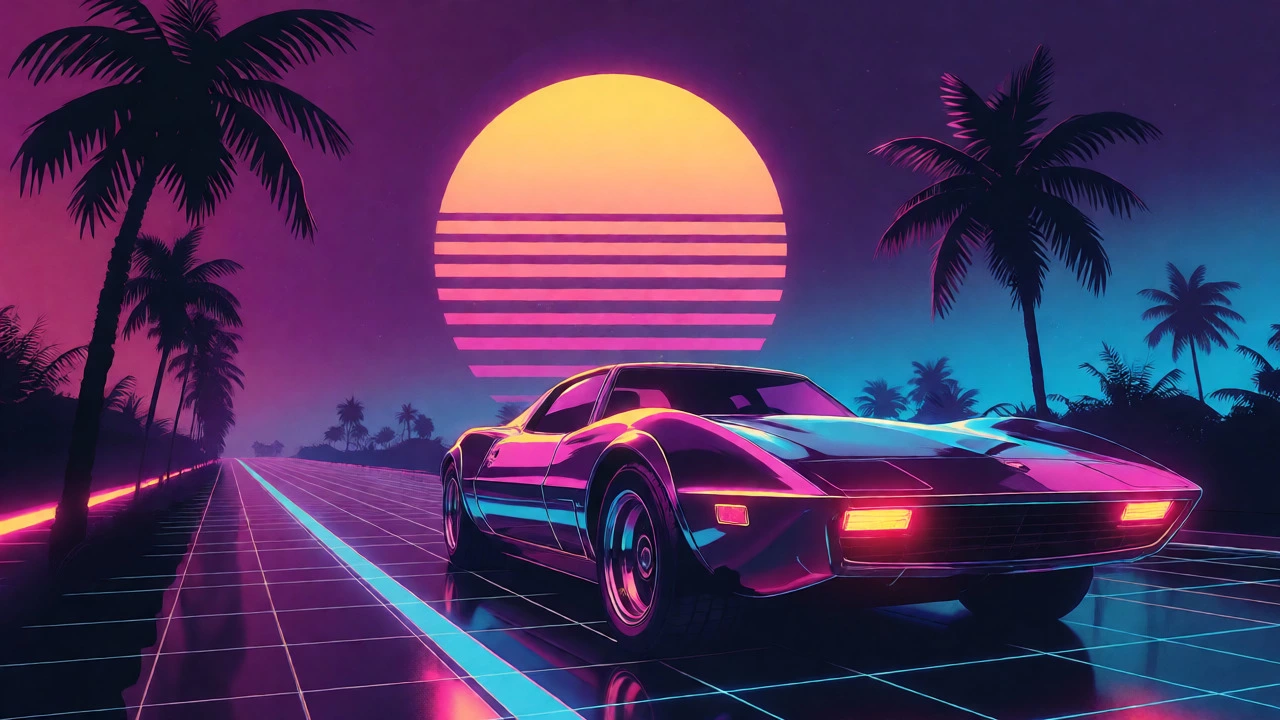
You can’t talk about synthwave without talking about how it looks. The visual identity is just as important as the audio. Early on, the term "Outrun" was used, referencing Sega’s 1986 arcade racing game Out Run. This aesthetic featured pastel colors, palm trees, and Ferraris against sunset backdrops. As the genre matured, the palette shifted toward darker, more aggressive tones. Think cyberpunk cities, chrome typography, and grid-lined horizons.
This visual code spread rapidly through YouTube channels like NewRetroWave and Bandcamp pages. Artists realized that the cover art sold the mood before you even pressed play. A silhouette of a figure in a leather jacket looking at a purple sun became shorthand for the entire experience. It’s a constructed nostalgia-many listeners weren’t even alive in the 80s, yet they feel a deep connection to this imagined past. It’s less about historical accuracy and more about emotional resonance.
Subgenres: Darksynth vs. Dreamwave
By the mid-2010s, the broad umbrella of synthwave fractured into distinct subgenres. If traditional synthwave is romantic and melodic, Darksynth is its industrial cousin. Artists like Carpenter Brut and Perturbator introduced distorted guitar-like synths, faster tempos, and horror-movie themes. Their tracks feel like a chase scene in a slasher film, heavy on aggression and energy.
On the other end of the spectrum lies Dreamwave or chillwave-adjacent styles. Acts like Timecop1983 and FM-84 focus on lush pads, slower beats, and vocal hooks that evoke teenage heartbreak. Then there’s The Midnight, which blends these elements with traditional pop songwriting structures, achieving significant mainstream crossover success. This diversity ensures the genre stays relevant, offering something for everyone from metalheads to indie pop fans.
Why It Stuck: Nostalgia as a Coping Mechanism
Why did this genre explode in the 2010s specifically? Academic analysis suggests it’s about "reconstructed nostalgia." In times of economic uncertainty and rapid technological change, people crave the perceived simplicity and optimism of the 1980s. Synthwave offers a safe, aestheticized version of that era. It strips away the political complexities and focuses on the sensory pleasures: fast cars, big hair, and futuristic hope.
Platforms like Bandcamp and SoundCloud played a massive role here. Unlike major label genres, synthwave grew organically through independent releases. Listeners could discover obscure tracks directly from producers in France, Canada, or Sweden. This decentralized model fostered a tight-knit community where feedback loops were short and engagement was high. When Netflix released Stranger Things in 2016, it didn’t create this trend-it validated it. The show’s synth-heavy score proved that this aesthetic had mainstream commercial viability.
Production Tips for Aspiring Creators
If you want to produce your own synthwave track, you don’t need expensive gear. A laptop and a Digital Audio Workstation (DAW) like Ableton Live or FL Studio are enough. Focus on three things:
- Chord Progressions: Stick to simple minor keys. Try i-VI-III-VII progressions. They sound instantly nostalgic.
- Sound Design: Use chorus effects on your pads to widen the stereo image. Add tape saturation to soften the digital edge.
- Drum Programming: Keep it steady. A solid four-on-the-floor kick with a sharp snare is the backbone. Don’t overcomplicate the rhythm.
A common pitfall is making the mix too clean. Modern EDM production is pristine, but synthwave benefits from a bit of grit. Layering white noise sweeps and subtle vinyl crackle can help sell the retro illusion. Remember, you’re not trying to fool people into thinking it’s 1985; you’re inviting them to visit an idealized version of 1985.
Frequently Asked Questions
Is synthwave the same as vaporwave?
No, though they share roots in 2000s internet culture. Vaporwave is typically slower, uses chopped and screwed samples of smooth jazz or Muzak, and has a satirical or surreal tone. Synthwave is more original in composition, focuses on 80s film scores and pop, and aims for a heroic or romantic emotional response rather than irony.
What is the difference between Outrun and Synthwave?
Originally, "Outrun" referred specifically to the style inspired by the video game Out Run, characterized by upbeat, driving tracks and pastel visuals. Over time, "Synthwave" became the broader umbrella term for all 80s-inspired electronic music, including darker, slower, and more varied styles. Today, the terms are often used interchangeably, but Outrun still implies a specific, high-energy, coastal aesthetic.
Who started the synthwave genre?
There is no single founder, but French producers like Kavinsky and Justice are widely credited with formalizing the sound in the mid-to-late 2000s. Kavinsky’s work, particularly his appearance on the Drive soundtrack in 2011, is often cited as the moment the genre broke into the mainstream consciousness.
Do I need real analog synthesizers to make synthwave?
Not at all. While vintage hardware like the Roland Juno-106 or Yamaha DX7 defines the classic sound, modern software emulations are incredibly accurate. Many top synthwave producers work entirely "in the box" using plugins like Arturia V Collection or Native Instruments Massive. The key is understanding how to program the patches, not owning the physical units.
Why is synthwave so popular for gaming and movies?
Synthwave provides an immediate atmospheric cue. Its cinematic nature helps establish setting and mood quickly without needing lyrics. For games like Hotline Miami or films like Blade Runner 2049 (which draws on similar influences), it creates a sense of retro-futurism that feels both nostalgic and cutting-edge, engaging players or viewers emotionally while supporting action sequences.