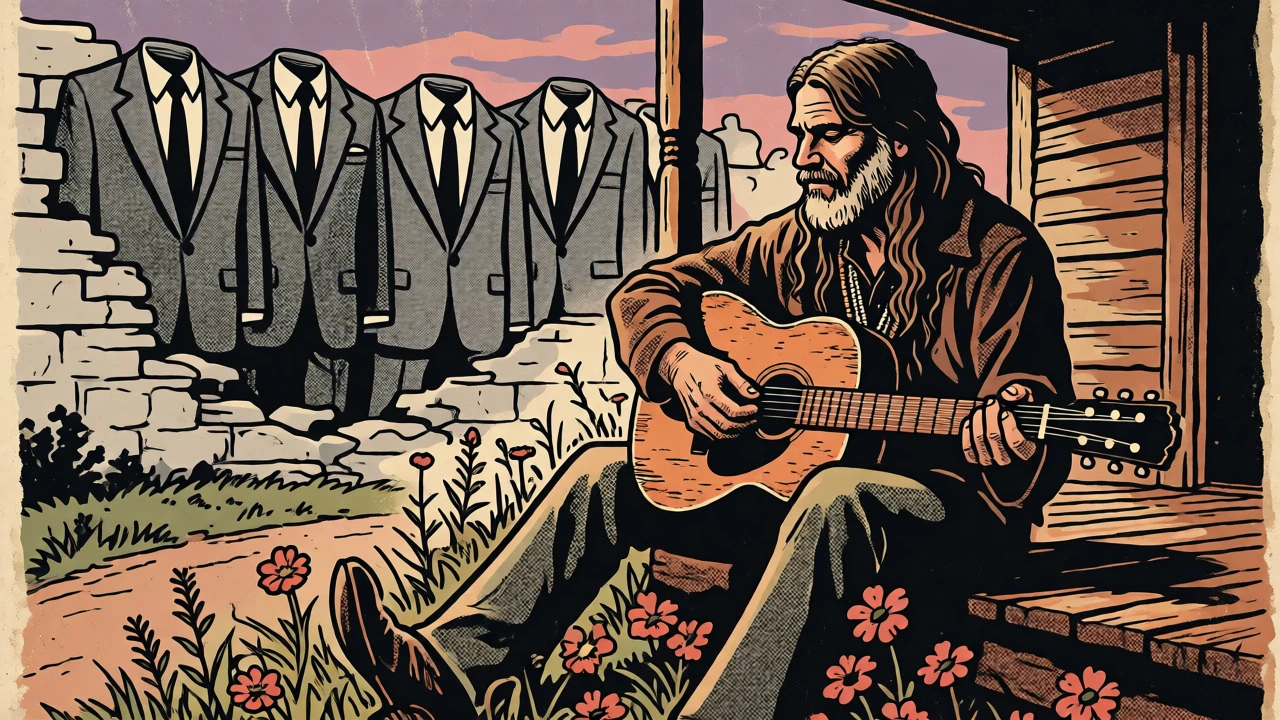

Why does a song about a coat or a train ride still hit you in the gut decades later? It isn't just nostalgia. In the 1970s, country music underwent a quiet revolution where storytelling became an art form of surgical precision. Artists stopped just singing about heartbreak and started writing mini-novels set to three chords. They mastered the tension between the verse, which moves time forward, and the chorus, which stops time to deliver a moral or emotional truth. This era didn't invent storytelling, but it perfected the mechanics of how a pop song could carry the weight of a novel.
The Shift from Polished Pop to Raw Narrative
Before the 1970s, Nashville was largely defined by the "Nashville Sound," a polished production style that smoothed out rough edges to appeal to pop radio. But by the early '70s, artists felt suffocated. They wanted creative control and grit. This friction birthed the Outlaw movement, led by figures like Willie Nelson and Waylon Jennings. While often framed as a rebellion against suits and ties, the real shift was literary. These performers began presenting themselves not just as singers, but as narrators with distinct biographies and moral ambiguities.
Willie Nelson’s *Red Headed Stranger* (1975) is the prime example. It wasn’t just a collection of singles; it was a concept album telling one continuous story of murder, wandering, and redemption. The sparse arrangements forced listeners to pay attention to every word. Academic analysis suggests Nelson blended traditional country songwriting with the extended narrative forms of rock, appealing to both audiences. He proved that country could be cinematic without needing a Hollywood budget.
Mastering the Verse-Chorus Dynamic
The core craft of these songs lies in how they use structure. Typically, verses advance the plot-giving you names, dates, actions, and sensory details. Choruses, conversely, provide the emotional summary or philosophical takeaway. But the best 1970s writers broke this rule to create deeper meaning.
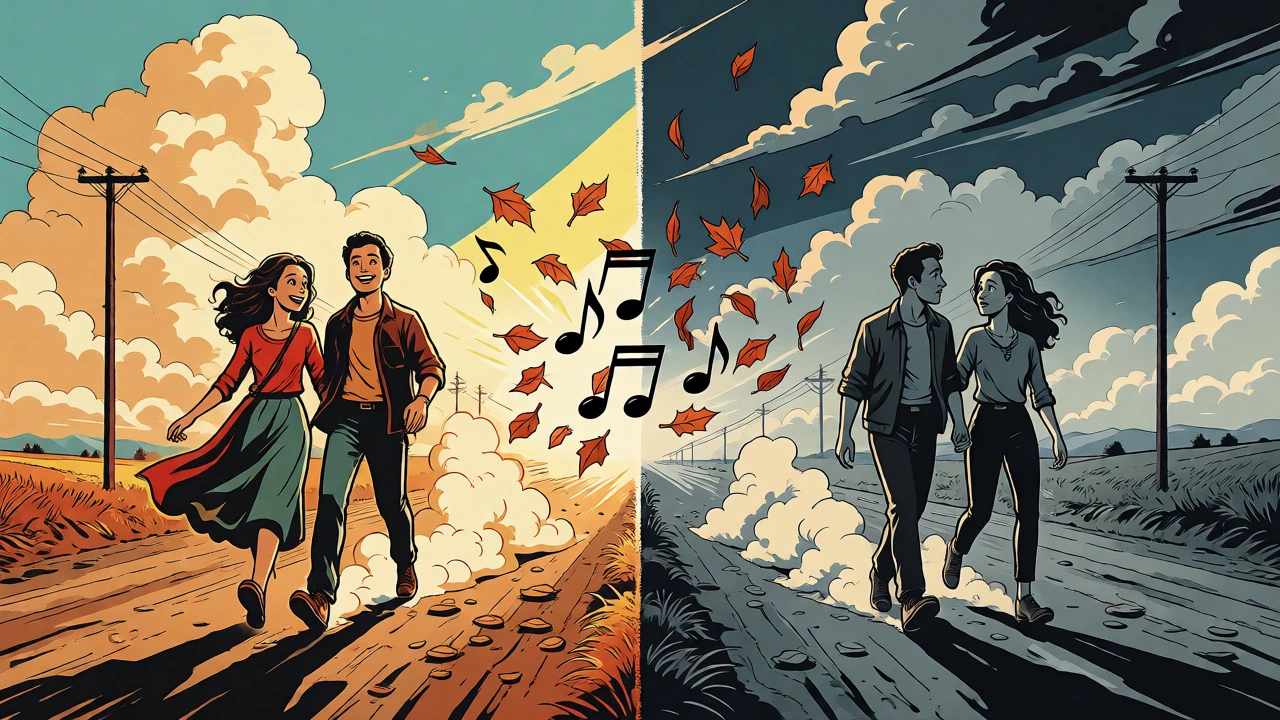
Take Kris Kristofferson’s "Me and Bobby McGee." The verses describe travel, intimacy, and separation. The chorus repeats the line about freedom. Initially, freedom feels like the joy of being broke and drifting together. By the end, after the lover has died, the same chorus transforms into a statement about irreversible loss. The words don't change, but their meaning shifts because the listener now knows more than they did at the start. This technique, known as retrospective alteration, turns a simple hook into a complex psychological tool.
Kenny Rogers took a different approach with "The Gambler" (1978). Here, the chorus isn't just a hook; it's the central thesis delivered by a character. The advice to "know when to hold 'em, know when to fold 'em" functions as a governing philosophy. The final verse reveals the gambler has died, converting a casual train encounter into a parable about mortality. The structure supports the twist perfectly.
Voices of Change: Women and Working Class Heroes
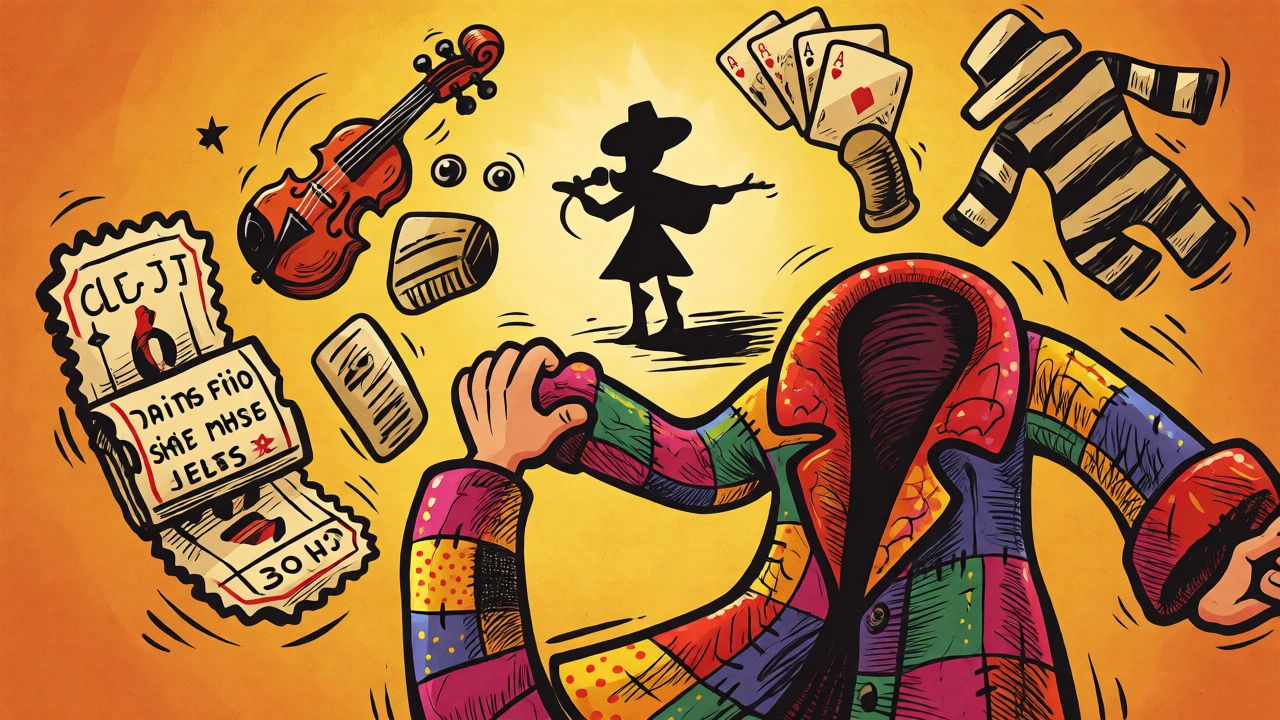
While Outlaws get the headlines, women were rewriting country narratives from the inside. Dolly Parton’s "Coat of Many Colors" (1971) is a masterclass in autobiographical storytelling. She doesn't just say she was poor; she describes the patchwork fabric, the schoolyard mockery, and the specific colors. The chorus elevates this personal anecdote into a universal truth about wealth measured by love rather than money. The Country Music Hall of Fame treats this song as a template for teaching story-song structure because its concrete objects ground the abstract emotion.
Loretta Lynn’s "Coal Miner’s Daughter" (1970) operates similarly. It turns family history and labor into a compact first-person account. There is no impersonal social argument here; the authority comes from the specificity of working-class life. Meanwhile, Tammy Wynette explored the domestic sphere, detailing the emotional compromises of marriage and divorce. These songs complicated the male-dominated outlaw mythos by showing that conflict often lived inside the home, not just on the open road.
Humor, Crime, and Cinematic Escapes
Narrative country wasn't always tragic. Johnny Cash adapted older prison traditions into modern spectacles. His recording of "A Boy Named Sue," written by Shel Silverstein, is a comic revenge saga. The protagonist hunts down his father only to learn the name was given to make him tough. It’s dense, witty, and ends in partial reconciliation. Similarly, "One Piece at a Time" tells the absurd tale of a GM worker smuggling car parts home over years to build a hybrid Cadillac. These tracks prove that spoken-word timing and punchlines are valid narrative tools.
Charlie Daniels Band pushed this further with "The Devil Went Down to Georgia" (1979). It’s a fiddle contest against Lucifer, structured like a dramatic duel. The arrangement mirrors the plot: a recited setup, escalating musical battle, and a victory refrain. It sold over a million copies and won a Grammy, demonstrating that high-concept fantasy could dominate country radio if the storytelling was tight enough.
| Song / Artist | Narrative Structure | Chorus Function | Primary Craft Element |
|---|---|---|---|
| "Me and Bobby McGee" (Kristofferson) | Chronological journey ending in loss | Retrospective alteration (meaning changes) | Psychological depth through repetition |
| "The Gambler" (Rogers) | Episodic encounter on a train | Aphoristic wisdom / Moral guide | Character-driven philosophy |
| "Coat of Many Colors" (Parton) | Autobiographical memory | Moral elevation of poverty | Concrete sensory details |
| "Red Headed Stranger" (Nelson) | Concept album cycle | Thematic continuity across tracks | Cinematic sequencing and sparseness |
| "A Boy Named Sue" (Cash) | Comic quest and dialogue | Punchline delivery / Resolution | Spoken-word timing and wit |
Analyzing the Narrator’s Voice
You can’t separate the lyrics from the performance in this era. Waylon Jennings’ gravelly voice wasn't just a tone; it was part of the character construction. Scholars note that his vocal staging helped build an "outlaw" persona that reflected working-class masculinity during times of social upheaval. The breath, the strain, and the understatement communicate information the lyrics don't state explicitly.
Kris Kristofferson brought a different voice, influenced by Romantic poets and Greenwich Village folk singers. His characters were drunks, drifters, and addicts-people struggling for identity rather than idealized heroes. His chord progressions were simple, but his phrasing was revolutionary. He allowed his narrators to be unreliable, self-justifying, or traumatized, inviting listeners to judge the morality of the speaker rather than just accept the story.
Legacy and Modern Relevance
These songs remain culturally vital because they solved a specific problem: how to tell a complete story in under four minutes. They balanced tradition (ballad structures, plain diction) with modernization (sexual frankness, social mobility, psychological complexity). Today, when we talk about "world-building" in music, we’re often describing techniques pioneered in Nashville in the 1970s.
If you want to understand why these tracks endure, look at the economy of detail. Every object mentioned-a coat, a train ticket, a fiddle-serves the plot. The chorus distills the event into a feeling. That tension between the specific scene and the general truth is what makes the music stick. It’s not just history; it’s a blueprint for effective communication.
What defines a "story song" in country music?
A story song is a recording where the primary purpose is to narrate events involving identifiable characters, setting, conflict, and consequence. Unlike standard love songs that focus on static emotions, story songs move through time and include specific details like dialogue, locations, and chronological progression.
How did the Outlaw movement change country storytelling?
The Outlaw movement, led by artists like Willie Nelson and Waylon Jennings, rejected the polished Nashville Sound in favor of raw, artist-controlled productions. This shift allowed for more autobiographical content, complex anti-hero characters, and concept albums that treated songs as chapters in a larger narrative rather than isolated singles.
Why is "The Gambler" considered a masterpiece of narrative craft?
"The Gambler" uses a unique structure where the chorus delivers the central moral philosophy of the character. The verses set up a casual encounter, but the repeated advice creates a framework for understanding life decisions. The final reveal of the gambler's death turns the song into a parable, proving that a chorus can function as thematic guidance rather than just a melodic hook.
Did women play a significant role in 1970s country storytelling?
Yes. Artists like Dolly Parton, Loretta Lynn, and Tammy Wynette introduced crucial perspectives. Parton used concrete autobiographical details to discuss poverty and resilience. Lynn highlighted working-class family dynamics. Their songs expanded the genre beyond male-centric outlaw myths to include domestic struggles, motherhood, and economic independence.
What is "retrospective alteration" in song choruses?
This occurs when the meaning of a repeated chorus changes based on new information provided in subsequent verses. For example, in "Me and Bobby McGee," the idea of freedom starts as positive but becomes tragic after the narrator loses her partner. The words stay the same, but the listener's interpretation shifts due to the narrative context.