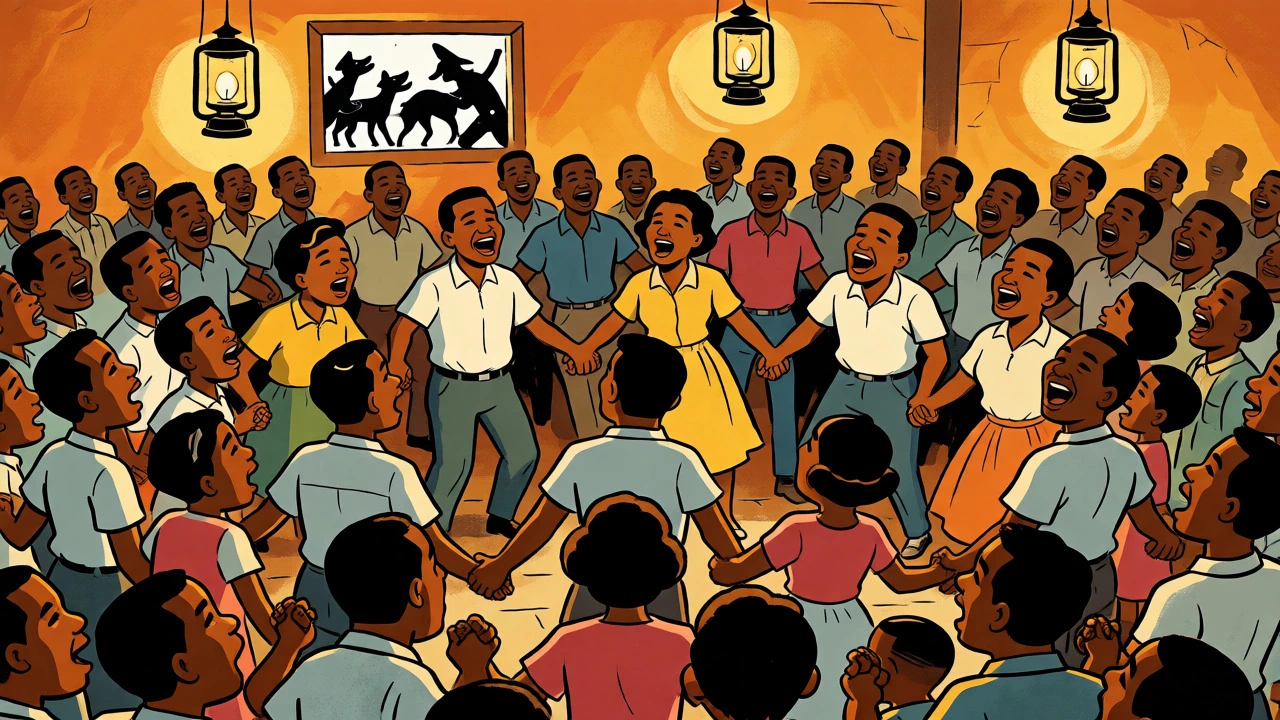

Imagine standing in a crowded church basement in 1963. The air is thick with tension. Outside, police dogs are barking. Inside, hundreds of people hold hands and sing "We Shall Overcome". It’s not just a song; it’s a shield. This moment captures the raw power of soul music during the Civil Rights Movement. You might think politics happens in courtrooms and legislative halls. But for millions of African Americans, the battlefield was also on stage, in the studio, and on the radio.
Soul didn’t just soundtrack history; it helped write it. From the spirituals of slavery to the anthems of the 1960s, Black music served as a critical infrastructure for resistance. It wasn’t merely entertainment. It was a tool for survival, communication, and mobilization. Let’s look at how specific artists and songs turned personal pain into political power, and why these melodies still resonate today.
From Spirituals to Freedom Songs
To understand soul’s political weight, you have to look back. Long before Sam Cooke or Aretha Franklin, enslaved Africans used music to encode messages of escape. Take "Steal Away", composed by Wallis Willis. Scholars argue this wasn’t just a religious hymn; it was a coded signal to flee north. This tradition of hidden meaning carried forward. During the Civil Rights era, activists adapted familiar gospel tunes into "freedom songs." They changed lyrics to fit immediate needs. If you were marching in Selma, you didn’t need a speech; you needed a refrain everyone could sing while facing water hoses. These songs built what researchers call an "egalitarian resonance," creating a sense of unity across age, class, and geography.
The Soundtrack of Resistance
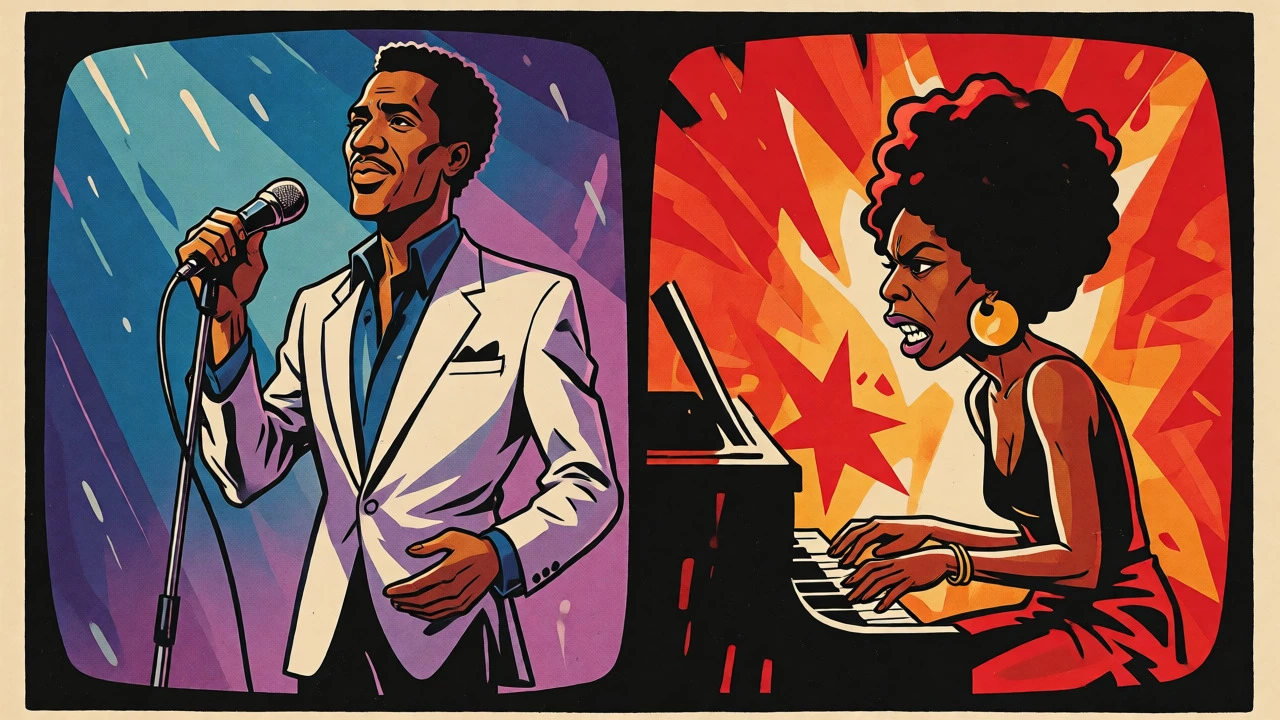
Not all protest music looked the same. Some songs offered hope; others demanded rage. Consider Sam Cooke’s "A Change Is Gonna Come". Released in 1964, it became an anthem of patience and inevitable progress. Cooke wrote it after being arrested in Shreveport, Louisiana, for refusing to leave a segregated hotel. He heard Bob Dylan’s "Blowin’ in the Wind" and wanted a specifically Black response. The result was a masterpiece that balanced sorrow with optimism.
Then there was Nina Simone. Her approach was far more confrontational. After the bombing of the 16th Street Baptist Church in Birmingham killed four young girls, she wrote "Mississippi Goddam". Unlike Cooke’s gradualism, Simone expressed pure fury. She rejected the idea that Black people should wait patiently for justice. Her friendship with playwright Lorraine Hansberry sharpened her political edge. While Cooke sang about the future, Simone screamed about the present. Both approaches were necessary. One sustained morale; the other ignited anger.
Reclaiming Dignity Through Pop
Sometimes, a pop hit can carry a heavy political load. Aretha Franklin’s 1967 version of "Respect" is a prime example. Otis Redding originally wrote it as a man asking his wife for respect when he came home. Franklin flipped the script. By spelling out R-E-S-P-E-C-T and adding a brass-heavy arrangement, she transformed it into a demand for autonomy. It resonated with African Americans seeking equality, women demanding agency, and youth rejecting authority. Franklin personally met Martin Luther King Jr., who presented her with a leadership award. Her voice became a battle cry, proving that commercial success and political messaging aren’t mutually exclusive.
| Song Title | Artist | Primary Message | Context |
|---|---|---|---|
| "A Change Is Gonna Come" | Sam Cooke | Hopeful persistence | Response to segregation arrests |
| "Mississippi Goddam" | Nina Simone | Urgent rage | Birmingham church bombing |
| "Respect" | Aretha Franklin | Dignity and autonomy | Feminist and racial equality |
| "People Get Ready" | The Impressions | Collective preparation | Gospel-inspired solidarity |
| "What's Going On" | Marvin Gaye | Systemic critique | Vietnam War and police brutality |
Motown vs. Stax: Different Paths to Power
The record labels themselves played a role in shaping the message. Motown in Detroit aimed for crossover success. Berry Gordy wanted Black music to appeal to white audiences, which sometimes meant softening direct political confrontation. However, artists like Marvin Gaye pushed back. His album "What’s Going On" (1971) broke Motown’s mold. Inspired by seeing police beat anti-war protesters in Berkeley, Gaye tackled Vietnam, poverty, and environmental destruction. It sold two million copies, proving that audiences were ready for complex social commentary.
In contrast, Stax Records in Memphis operated in a deeply segregated city but maintained an integrated workforce. Stax artists worked alongside grassroots activists. The Staple Singers, signed to Stax in 1968, blended gospel authority with calls for self-respect. Their hit "Respect Yourself" urged Black communities to build internal strength. Stax showed that you could be commercially viable without diluting your political roots.
Wattstax and the Institutionalization of Soul
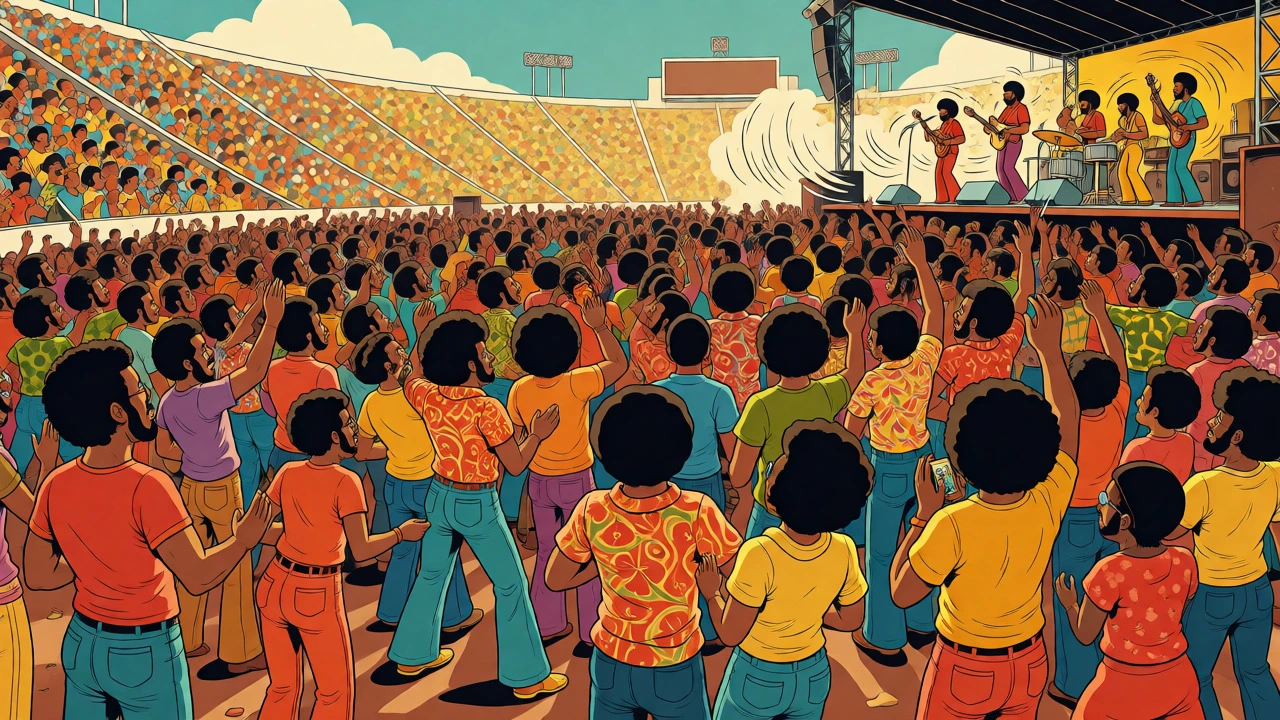
By the early 1970s, soul had become a cultural institution. In 1972, Stax organized Wattstax at the Los Angeles Coliseum. Often called "Black Woodstock," this concert responded to the Watts Rebellion’s aftermath. It celebrated Black culture and raised funds for local humanitarian organizations. Al Bell, a Stax executive, admitted it was also a PR move. This highlights a key tension: cultural activism often coexists with corporate branding. Wattstax proved that soul could sustain large-scale community engagement, turning concerts into acts of solidarity.
Limits and Legacy
Did music pass the laws? No. Litigation, organizing, and federal enforcement did that. But music made participation emotionally sustainable. It publicized injustice to those who ignored it. It gave activists a shared language. Today, movements like Black Lives Matter reuse these songs. When protesters chant "What’s Going On," they’re connecting current struggles to past ones. Soul music remains a vital resource because it links recognizable forms to specific crises. It reminds us that art isn’t separate from politics-it’s a crucial part of the fight for dignity.
Why was soul music so effective in the Civil Rights Movement?
Soul music built solidarity by creating a shared emotional experience. It provided psychological protection against fear and violence, communicated political demands to diverse audiences regardless of literacy levels, and enabled mass participation through simple, repetitive refrains that crowds could sing together during marches and meetings.
How did Sam Cooke's "A Change Is Gonna Come" differ from Nina Simone's "Mississippi Goddam"?
Cooke’s song emphasized hope and the inevitability of change, reflecting a patient, integrationist perspective. Simone’s track expressed urgent rage and rejected gradualism, directly responding to the violent bombing of a church in Birmingham. Together, they represented the dual emotional strategies of the movement: sustaining morale and igniting righteous anger.
Did record labels like Motown restrict political expression?
Motown initially moderated political content to ensure crossover success with white audiences. However, artists like Marvin Gaye eventually challenged this approach. His album "What’s Going On" addressed war and social issues, showing that commercial constraints could be overcome when artists insisted on addressing real-world problems.
What was the significance of the Wattstax concert?
Held in 1972, Wattstax was a massive celebration of Black culture that raised funds for community organizations in Los Angeles. It demonstrated soul’s ability to function as a large-scale social institution, blending cultural pride with practical support for civil rights efforts, despite also serving as a promotional event for Stax Records.
Is soul music still relevant to modern social justice movements?
Yes. Modern movements like Black Lives Matter frequently reference soul classics. Songs like "What’s Going On" are reactivated to draw parallels between historical injustices and contemporary issues like police brutality and systemic inequality, proving that soul provides a lasting cultural infrastructure for resistance.