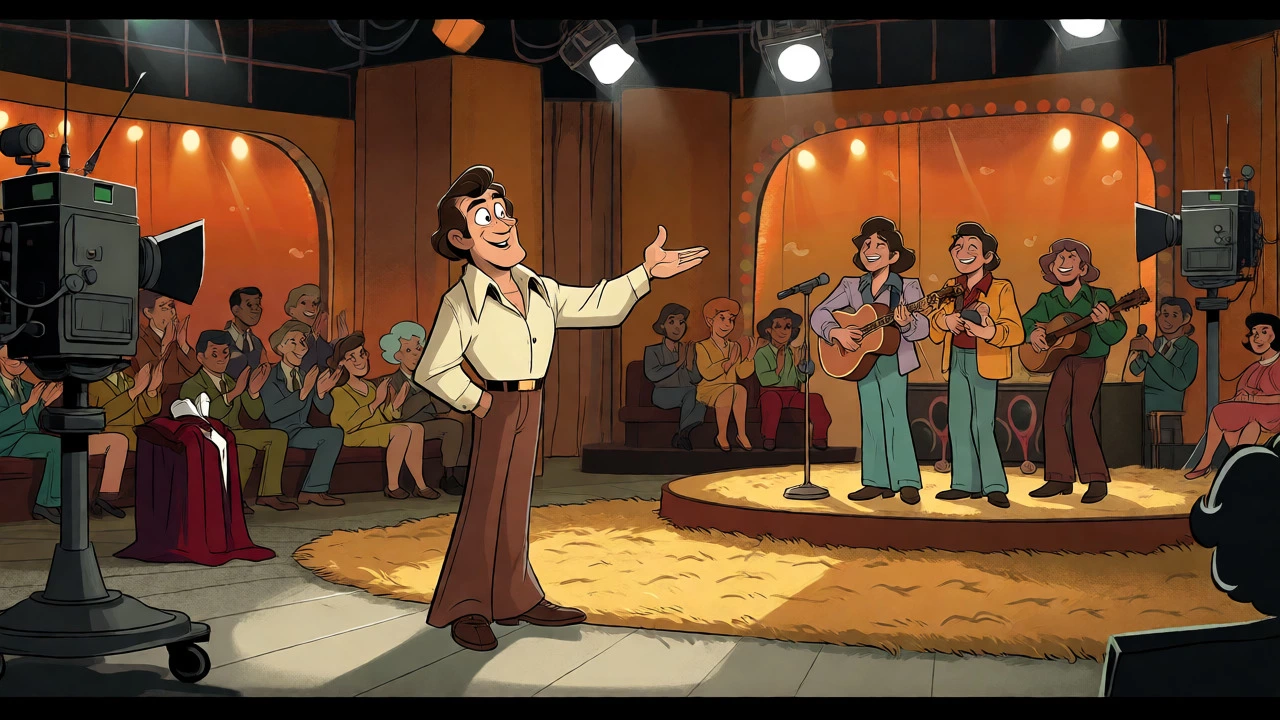

Think about the last time you heard a soft rock hit from the 1970s. Did you picture a sleek music video? Probably not. You likely pictured a grainy, warm-lit studio set with a host in a wide-collared shirt introducing the band. Before MTV changed everything in 1981, television was the primary engine driving soft rock’s massive commercial success. It wasn’t just background noise; it was a visual spectacle that defined an era.
Between the late 1960s and the early 1980s, network variety shows and dedicated music series served as the main stage for artists like Carole King, Fleetwood Mac, and Billy Joel. These programs weren’t merely promotional tools; they were cultural events that placed melodic, introspective ballads alongside comedians and magicians, creating a mass-audience experience that radio alone couldn’t provide. If you’re curious about how these smooth sounds conquered the screen, we need to look at the specific shows, the technical realities of live TV, and why these performances still resonate today.
The Golden Age of Musical Variety
To understand soft rock on TV, you have to look at the landscape before the genre even had a name. In the late 1960s, shows like The Ed Sullivan Show (1948-1971) and The Hollywood Palace (1964-1970) dominated prime time. These weren't music-only channels; they were vaudeville revivals. A soft rock act might follow a slapstick comedy routine or a magic trick. This format forced musicians to be entertainers, not just performers.
As the 1970s dawned, the lines blurred. Soft rock emerged from folk rock and pop rock, characterized by mid-tempo melodies and smooth production. Artists like James Taylor and Carole King found a natural home on these variety stages because their music fit the "family-friendly" but emotionally resonant vibe networks craved. By 1971, King’s album Tapestry became emblematic of the style, and her television appearances helped cement the sound in American living rooms. The shift was subtle but powerful: the focus moved from novelty acts to authentic musical expression, setting the stage for dedicated music series.
Dedicated Music Series: The Game Changers
While variety shows opened the door, specialized music programs kicked it down. Two US shows stand out as the titans of this era: NBC’s The Midnight Special and syndicated Don Kirshner’s Rock Concert.
The Midnight Special, which ran from 1972 to 1981, was revolutionary. Created by Burt Sugarman, it aired late at night for 90 minutes. This extended runtime allowed bands to play multiple songs, often in extended arrangements that mimicked a concert experience. Unlike the quick three-minute slots on other shows, soft rock acts here could stretch out. Lists from 1973 and 1978 show groups like Seals & Crofts, Loggins & Messina, and Steely Dan sharing airtime with harder rock acts. This mixing of genres proved that soft rock wasn’t niche; it was a pillar of mainstream popularity.
Similarly, Don Kirshner’s Rock Concert premiered in September 1973. It featured weekly late-night progressive rock bands but increasingly incorporated softer pop and ballads as the decade progressed. The show’s format emphasized musicianship, giving credibility to soft rock artists who were often dismissed by critics as too polished. When Todd Rundgren performed his hit "Hello It’s Me" on The Midnight Special in December 1973, wearing a memorable bird-like outfit, he demonstrated that soft rock could be visually engaging and artistically serious.
| Show Name | Broadcast Years | Format Focus | Notable Soft Rock Acts |
|---|---|---|---|
| The Midnight Special | 1972-1981 | Late-night, 90-min episodes, live sets | Fleetwood Mac, Steely Dan, Ambrosia, REO Speedwagon |
| Don Kirshner’s Rock Concert | 1973-1981 | Syndicated, mix of rock and soft pop | Chicago, America, Toto, Air Supply |
| The Ed Sullivan Show | 1948-1971 | Variety, mixed entertainment | Early exposure for many future soft rock stars |
| American Bandstand | 1952-1989 | Dance-focused, youth audience | Chart-topping singles across all genres |
The UK Perspective: Chart Power and Mimicry
Across the Atlantic, the British approach differed significantly. The BBC’s Top of the Pops (TOTP), running from 1964 onward, was less about artistic freedom and more about chart dominance. If your song hit the UK Top 40, you got on TOTP. This meant soft rock acts were constrained by commercial performance rather than booking agents’ whims.
However, TOTP’s influence was undeniable. Bands like Dire Straits appeared multiple times between 1979 and 1986. Their melodic tracks like "Sultans of Swing" and "Walk of Life" received repeated exposure, reinforcing their place in the soft rock canon. Another key UK program, The Old Grey Whistle Test (1971-1988), offered a different angle. It focused on album-oriented acts and live performances, providing a platform for artists like Emmylou Harris and Glen Campbell, whose work sat at the intersection of country and soft rock.
European markets followed suit. Germany’s Musikladen (1972-1984) and the Netherlands’ TopPop (1970-1988) featured similar formats, often blending live performances with emerging music videos. This international circuit ensured that a hit in London or New York quickly became a global phenomenon, with soft rock serving as the universal language of emotional connection.
Live vs. Lip-Sync: The Technical Reality
One major distinction between US and UK broadcasts lay in performance authenticity. Academic analysis of "rock television" highlights that US variety shows often captured real-time, non-lip-synced performances. This is why footage from The Midnight Special remains so valuable to historians-it documents exactly how artists sounded live during their peak years.
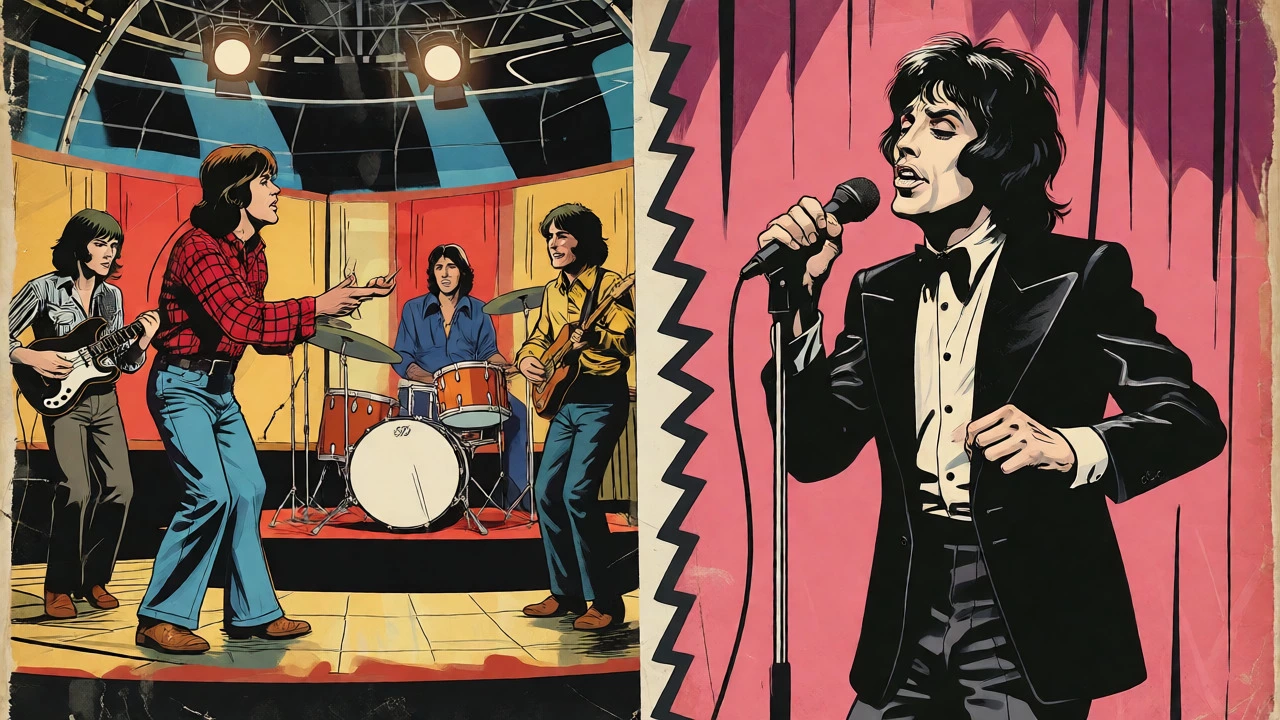
In contrast, Top of the Pops frequently relied on miming or pre-recorded tracks. While some purists dislike this, it created a distinct aesthetic. Artists had to act out the song, focusing on visual presentation and fashion. For soft rock, which relied heavily on atmosphere and mood, this sometimes worked in their favor. The polished studio sound matched the controlled studio environment. However, when bands like Fleetwood Mac appeared, the tension between live capability and mimed constraints was palpable. Their appearance promoting Rumours showcased the band’s charisma, even if the audio was canned.
Production technology also played a role. Most of these shows used multi-camera setups in analog standard definition (NTSC in the US, PAL in Europe). The lighting was designed to flatter, often using soft filters that complemented the gentle nature of the music. Directors learned to cut slowly, allowing the viewer to settle into the melody, unlike the rapid cuts associated with later punk or new wave segments.
Why It Mattered: Cultural Impact and Legacy
Before cable and streaming, a single appearance on a national variety show could sell millions of records. Producers sequenced shows carefully, placing mellow soft rock ballads next to high-energy disco or hard rock numbers to keep viewers engaged. This strategy normalized soft rock for audiences who might otherwise have ignored it.
Critics and fans alike recognize the value of this era. IMDb ratings reflect this appreciation, with The Midnight Special holding a score around 8.5/10 and Don Kirshner’s Rock Concert near 8.7/10. These scores indicate a dedicated community that values the musical integrity of these broadcasts over the spectacle of chart countdowns. Furthermore, modern documentaries like the Yacht Rock series have reevaluated this period, highlighting the sophisticated musicianship behind songs by Toto and Michael McDonald.
The transition to MTV in 1981 marked the end of the weekly variety show’s dominance. Music promotion shifted to short-form videos, losing the context of the full band performance. Yet, archival projects continue to mine these tapes. BBC Four’s …at the BBC anthologies regularly feature clips from this golden age, reminding us that soft rock wasn’t just easy listening-it was a dominant cultural force shaped by the medium of television.
Quick Summary / Key Takeaways
- Television was essential: Before MTV, variety shows were the primary driver of soft rock’s commercial success.
- US vs. UK approaches: US shows like The Midnight Special favored live, extended performances, while UK’s Top of the Pops relied on chart status and often miming.
- Genre blending: Producers mixed soft rock with disco and hard rock to appeal to broad demographics, normalizing the genre for mainstream audiences.
- Historical value: Live footage from these shows provides unique insights into artists' capabilities and arrangements during their peak popularity.
- Enduring legacy: Modern retrospectives and fan archives continue to celebrate these performances, recognizing the musical sophistication of the era.
Why did soft rock dominate television in the 1970s?
Soft rock aligned perfectly with the demographic goals of network television. Its melodic, accessible nature appealed to a broad family audience, making it safe for prime-time slots. Additionally, the rise of FM radio in the early 1970s created a parallel demand for these artists, and TV provided the visual component needed to turn radio hits into household names.
Did soft rock artists perform live on Top of the Pops?
Not always. Top of the Pops was known for its use of mimed performances or pre-recorded backing tracks, especially as the show progressed. While some bands insisted on playing live, many soft rock acts lip-synced to ensure broadcast quality. This contrasts with US shows like The Midnight Special, which prioritized live musical performance.
What was the difference between variety shows and music specials?
Variety shows like The Ed Sullivan Show mixed music with comedy, magic, and drama, treating musicians as one segment among many. Music specials or series like The Midnight Special focused exclusively on music, allowing for longer sets, deeper interviews, and a concentration on the artistic merit of the performance without the distraction of unrelated entertainment.
How did MTV change soft rock on television?
MTV, launched in 1981, shifted the focus from live performance to short-form music videos. This reduced the need for artists to appear on weekly variety shows. As a result, the communal experience of watching a band perform live on TV diminished, replaced by curated visual narratives. Soft rock evolved into adult contemporary, adapting to the new video-centric media landscape.
Are there any famous soft rock TV moments worth watching today?
Yes. Look for Fleetwood Mac’s appearances on Top of the Pops and European shows during the Rumours era. Also, seek out Todd Rundgren’s 1973 performance of "Hello It’s Me" on The Midnight Special. These clips showcase the charisma and musicality that defined the genre’s televised presence.
