

Think back to the last time a song made you feel seen. Not in a dramatic, screaming-into-the-mic way, but in that quiet, sinking feeling where someone else has put your exact confusion into words. That is the core promise of soft rock, a subgenre that has spent over fifty years proving that gentle melodies can carry heavy truths. While harder rock styles often shout about rebellion or social protest, soft rock whispers about the messy reality of being an adult. It deals with long-term commitment, the slow fade of self-worth, and the specific loneliness of midlife. This isn't just background noise; it is a soundtrack for navigating life when the stakes are real and the answers aren't clear.
The Sound of Vulnerability
At its heart, soft rock is defined by a specific sonic texture paired with introspective lyrics. The production is warm, the vocals are yearning, and the arrangements avoid aggressive distortion. Instead, they create an intimate space that invites you to listen closely. This "smooth" quality does not mean the messages are shallow. In fact, the opposite is true. Because the music doesn't fight for attention, the lyrics take center stage. You hear every hesitation, every admission, and every unspoken fear. This creates a unique listening experience where the song functions as both a comforting atmosphere during your morning routine and a deep psychological mirror when you sit down to reflect.
This aesthetic stands in sharp contrast to other genres of the same era. Hard rock relied on volume and energy to convey power. Pop often prioritized catchy hooks over detailed narratives. Soft rock chose a different path: emotional articulation. It assumes you have lived enough to understand why a simple line like "I'm still here" carries so much weight. It is a genre built for people who are tired of performing happiness and ready to explore the complexity of their own feelings.
Confessional Songwriting and the Truth Test
Where does this honesty come from? It traces back to the tradition of confessional songwriting, a style that demands authenticity above all else. Songwriting coach Cari Cole argues that the most important quality of a great lyric is truth. She advises writers to speak their truth and write like they speak, using a simple litmus test: read the lyrics aloud. If it sounds artificially poetic or evasive, it fails. If it sounds like a conversation you would actually have at 2 AM, it passes. This approach aligns perfectly with the soft rock ethos. The best songs in this genre feel like letters to past lovers, reconciliations, or reflections on missed chances, written without filter or pretense.
Cole suggests methods that directly mirror soft rock topics, such as writing to someone you lost or addressing someone who misunderstood you. These exercises require a level of self-awareness that resonates deeply with listeners. When you hear a song that admits to self-deception, or one that acknowledges the pain of letting go, you recognize the craft behind it. It is not just emotion; it is disciplined observation. Writers spend months revisiting events from earlier life stages, translating them into conversational lyrics that hold up under scrutiny. This process-oriented approach ensures that the emotional maturity in the songs feels earned, not performed.
Navigating Adult Relationships and Boundaries
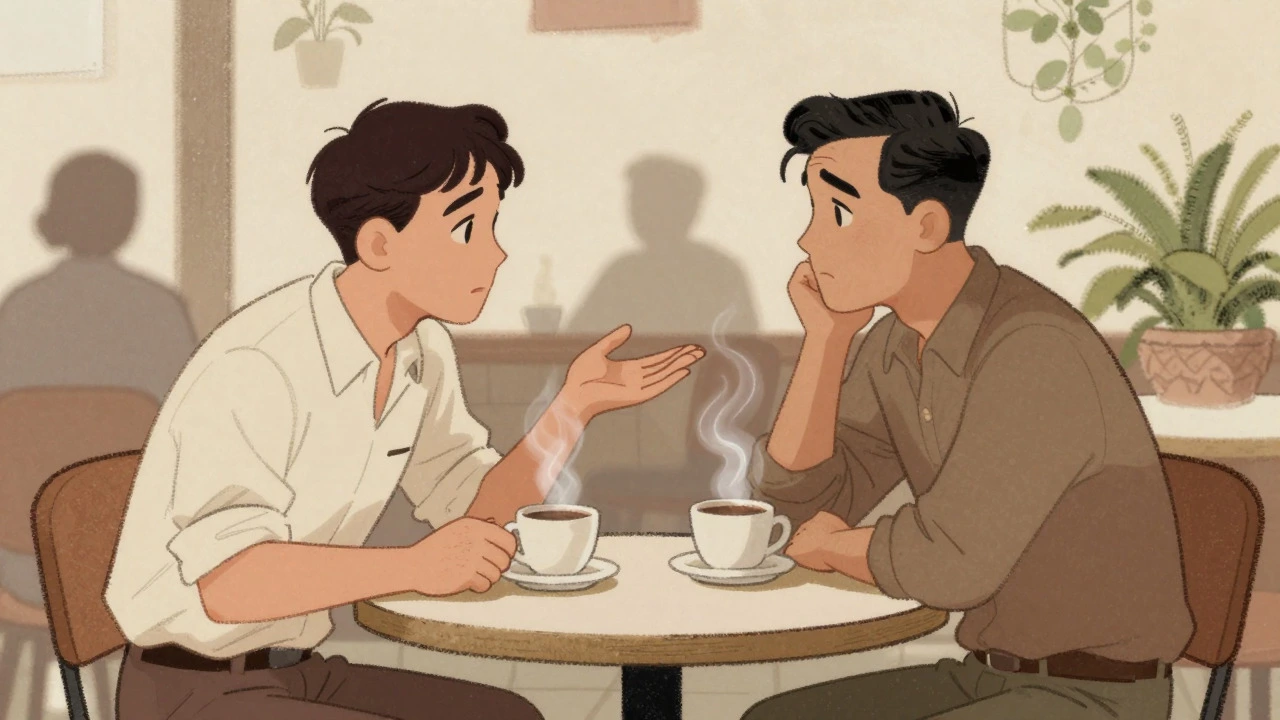
Adult themes in soft rock go far beyond simple breakup narratives. They engage with nuanced issues of long-term commitment, sexual desire, boundaries, and identity. Take the yacht rock variant of the genre, which often deals with sex, relationships, and loneliness. However, these themes are cloaked in polished arrangements, making them feel less dangerous and more relatable. A classic example is the dynamic in songs where a narrator asks a former partner to visit for an intimate evening but explicitly gives them permission to leave if it doesn't feel right. This is not adolescent impulsiveness; it is adult negotiation of consent and emotional caution. It shows respect for the other person's autonomy while acknowledging the narrator's own vulnerability.
This communication dilemma is central to the genre. Many soft rock songs explore the struggle to express deep feelings without appearing unstable or insincere. In tracks like "If It Feels Right," the narrator admits he doesn't know how to articulate his emotions and fears that overt declarations might jeopardize a good thing. His friend encourages him to keep it simple, invoking the idea that honest expressions of love remain effective across centuries. This dialogic structure mirrors real-life conversations about vulnerability. It critiques the tendency to make things harder than they need to be, urging listeners to trust both emotion and simplicity. It is a reminder that emotional maturity often means dropping the performance and just saying what you mean.
Case Studies in Emotional Processing
Individual songs serve as case studies in how adults process grief and ambivalence. Consider Michael Johnson's "Bluer Than Blue." On the surface, it tells the story of a man trying to convince himself that life will improve after a breakup. But the lyrics reveal that he is deeply devastated. The popularity of the track stems from its relatability and the understated vocal performance that conveys vulnerability without melodrama. This narrative of self-justification unraveling into confession is a hallmark of adult emotional processing. We all build rational facades to get through the day, only for them to collapse under the weight of genuine feeling. Soft rock captures that collapse with precision.
Christopher Cross's "Poor Shirley" takes a more philosophical approach. It meditates on the paradox that personal relationships bring both fulfillment and pain. The character Shirley represents the human condition, acknowledging that no one can live without love, even though love inevitably hurts. This framing universalizes the tension between need and hurt, signaling a level of existential maturity that goes beyond clichés. It is not just about "love hurts"; it is about accepting that the pain is the price of connection. These songs invite listeners to confront their own rationalizations around heartbreak and loss, offering a safe space to do so through music.

Aging, Identity, and Modern Relevance
The genre continues to evolve, addressing explicitly adult life stages like midlife transitions and the aftermath of long-term relationships built on illusions. Recent releases like "Still Taking Space," described as an adult contemporary ballad for listeners 40 and beyond, use calm, grounded lyrics to explore aging, self-worth, and invisibility. The song positions growing older not as disappearance but as a shift into deeper significance. It challenges cultural narratives that equate value with youth and visibility, embodying emotional maturity in its refusal to dramatize aging while still acknowledging its emotional weight. Similarly, tracks like "Honestly" frame the choice to embrace raw honesty over silence as the foundation of real love. They argue that confronting pain directly is preferable to maintaining beautiful lies.
| Aspect | Soft Rock / Yacht Rock | Hard Rock | Mainstream Pop |
|---|---|---|---|
| Primary Theme | Long-term commitment, midlife identity, subtle heartbreak | Rebellion, social protest, youthful energy | Instant gratification, party culture, broad appeal |
| Vocal Style | Yearning, vulnerable, conversational | Aggressive, powerful, projected | Polished, catchy, highly produced |
| Emotional Tone | Introspective, nuanced, bittersweet | Intense, cathartic, defiant | Euphoric, escapist, high-energy |
| Listener Expectation | Reflection, validation, quiet courage | Excitement, release, solidarity | Danceability, mood enhancement, familiarity |
These modern tracks demonstrate that soft rock’s commitment to emotional honesty has expanded. It now encompasses broader themes of identity, psychological healing, and self-respect. The audience demand reflects this shift. Fans on forums like Reddit seek out "brutally honest" songs that mirror their struggles with body image, illness, or aging. They want lyrics that do not sugarcoat pain. This confirms that the market for emotionally mature songwriting is not shrinking; it is deepening. Listeners are actively looking for music that validates their complex experiences rather than distracting them from them.
The Enduring Value of Honest Music
Soft rock may not always dominate the headlines, but its influence is undeniable. It provides a container for increasingly explicit discussions of adult psychological realities. From the subtle grooves of yacht rock to the reflective ballads of today, the genre remains a vital part of the musical landscape. It offers a place where you can stop pretending and start understanding. Whether you are dealing with a recent breakup or reflecting on decades of choices, there is likely a song in this genre that speaks directly to your situation. It is a reminder that emotional maturity is not about having all the answers, but about having the courage to ask the right questions. And sometimes, all you need is a few minutes of smooth, honest melody to find your footing again.
What makes soft rock different from hard rock?
Soft rock emphasizes smooth, melodic arrangements and introspective, emotionally vulnerable lyrics. Unlike hard rock, which often uses distorted guitars and aggressive rhythms to convey rebellion or energy, soft rock focuses on intimacy and detailed emotional narratives. It is designed for reflection rather than catharsis, making it suitable for discussing complex adult themes like long-term relationships and aging.
Who are some key artists associated with soft rock's lyrical honesty?
Artists like Christopher Cross, Michael Johnson, and Billy Joel are often cited for their contributions to the genre's focus on emotional truth. Christopher Cross explored philosophical tensions in love, while Michael Johnson captured the nuance of post-breakup devastation. Billy Joel's "Honesty" remains a staple for its direct exploration of truth in relationships. More recently, artists releasing adult contemporary ballads continue this tradition by addressing midlife identity and self-worth.
Is soft rock still relevant in 2026?
Yes, soft rock remains highly relevant. New releases in 2025 and 2026, such as "Still Taking Space" and "Honestly," explicitly target listeners aged 40 and beyond with themes of aging, resilience, and emotional healing. The genre continues to thrive in streaming ecosystems, providing a stable following for those seeking emotionally articulate music that matches the complexities of adult life.
How does yacht rock relate to soft rock?
Yacht rock is a substyle derived from soft rock, characterized by its smooth, polished sound and subtle grooves. While it shares the same subject matters-sex, relationships, and loneliness-it often presents these themes in a lighter, less overt manner. This "lightness" can make the lyrics feel less dangerous, allowing for the exploration of adult content with a sense of ease and sophistication that distinguishes it from the more introspective side of pure soft rock.
Why do listeners prefer soft rock for emotional processing?
Listeners often turn to soft rock because its gentle sonic texture creates a safe space for deep reflection. The music is unobtrusive enough to serve as background during daily routines but intense enough to invite close listening when focused. Its lyrics frequently address specific adult experiences, such as midlife transitions and the aftermath of long-term relationships, providing validation and a sense of shared understanding that harder or faster-paced genres may not offer.