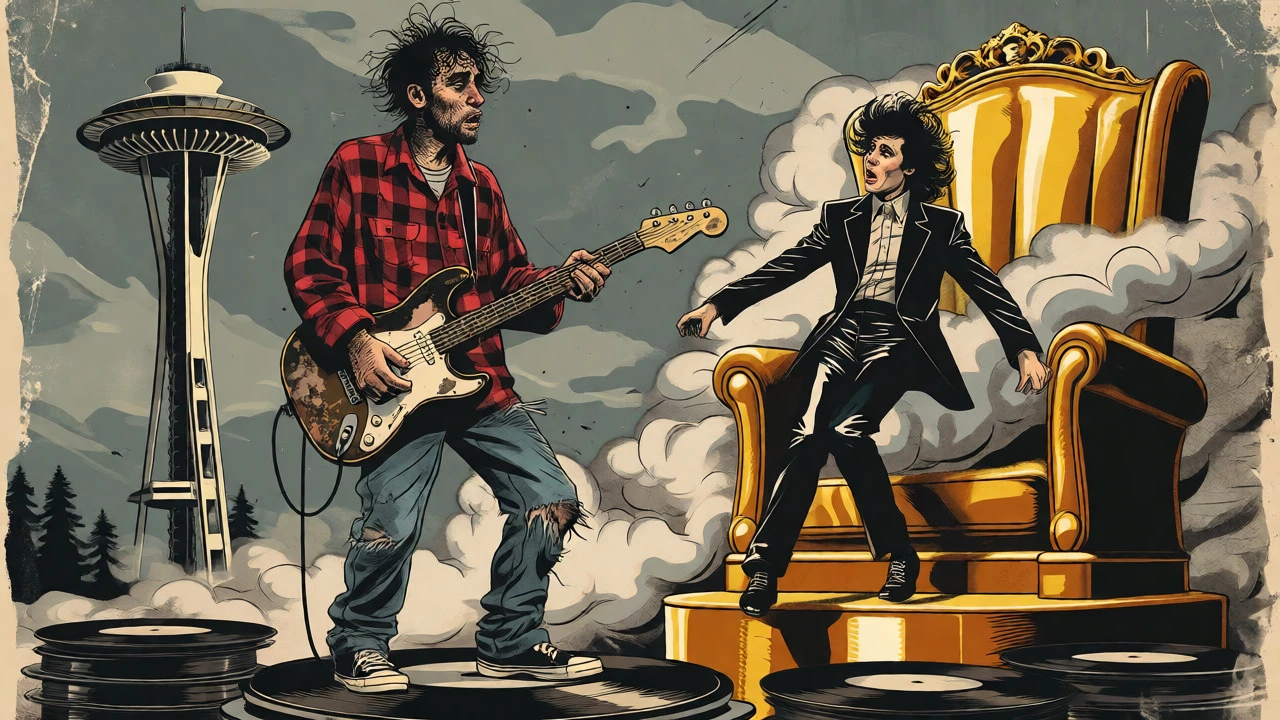

Imagine this: it’s January 11, 1992. A polished pop king is sitting comfortably at number one on the Billboard charts. Then, out of nowhere, a scruffy band from the Pacific Northwest knocks him off his throne. That moment wasn’t just a chart fluctuation; it was a cultural coup d’état. Seattle grunge didn’t just change the music industry-it rewired how an entire generation dressed, spoke, and felt about authenticity. If you’ve ever wondered how a handful of guys in flannel shirts managed to dismantle the glossy excess of the 80s hair metal era, you’re looking for the right story. This isn’t just about songs; it’s about how a specific geographic location and a tiny record label created a global phenomenon that still echoes today.
The Myth vs. The Reality of "The Seattle Sound"
People often talk about "the Seattle sound" as if it were a single genre with strict rules. In reality, it was more of a vibe than a formula. It combined the aggression of hardcore punk, the heavy riffs of Black Sabbath-style metal, and the introspective lyrics of indie rock. But what really set it apart was the attitude. While Los Angeles bands were spending hours on their hair and makeup, Seattle musicians looked like they’d just rolled out of bed-and maybe stayed there for a week.
This aesthetic wasn’t accidental. It was cultivated by a scene that valued raw emotion over technical perfection. The term "grunge" itself was used loosely to describe everything from muddy production values to the anti-fashion stance of its participants. By the early 90s, wearing thrift-store flannel became a uniform for anyone who wanted to signal they were part of something real, rejecting the synthetic polish of mainstream pop.
Sub Pop: The Engine Behind the Explosion
You can’t tell the story of Seattle grunge without talking about Sub Pop Records. Founded in 1988 (though some sources cite informal beginnings in 1986) by Bruce Pavitt and Jonathan Poneman, this small independent label acted as the curator and promoter of the entire movement. Think of them as the Motown of the Pacific Northwest, but with way less money and a lot more distortion.
Sub Pop didn’t just release records; they marketed a city. They created the "Sub Pop Singles Club," which mailed limited-edition singles to subscribers worldwide, building a dedicated fanbase before the internet made global connection easy. Their marketing genius lay in packaging local obscurity as exclusive coolness. When they released Nirvana’s debut album Bleach in 1989, it wasn’t just a record; it was a badge of honor for underground fans. That album sold nearly two million copies, proving that a low-budget, noisy record from Seattle could find a massive audience without major label backing.
| Year | Event | Impact |
|---|---|---|
| 1988 | Sub Pop Records formally launches | Establishes infrastructure for local bands |
| 1989 | Nirvana releases Bleach | Proves commercial viability of indie grunge |
| Sept 1991 | Nevermind released | Breaks into mainstream consciousness |
| Jan 1992 | Nevermind hits #1 | Displaces Michael Jackson; signals era shift |
| 1995 | Warner Music buys 49% of Sub Pop | Indicates industry acceptance of the model |
The Turning Point: When Nirvana Changed Everything
If Sub Pop built the stage, Nirvana provided the headline act that the world couldn’t ignore. Their second album, Nevermind, released on September 24, 1991, is widely credited with bringing alternative rock into the mainstream. Before Nevermind, alternative music was niche. After it, every major label was scrambling to sign the next "grunge" band.
The lead single, "Smells Like Teen Spirit," received heavy rotation on MTV, exposing millions of suburban teenagers to distorted guitars and angsty lyrics. The song’s success wasn’t just musical; it was generational. Young listeners felt seen by Cobain’s vulnerability and anger. By January 1992, when Nevermind knocked Michael Jackson’s Dangerous off the top of the charts, it symbolized a definitive power shift. The era of slick, synthesized pop dominance was over, replaced by something grittier and more emotionally direct.
Beyond Nirvana: The Wider Ecosystem
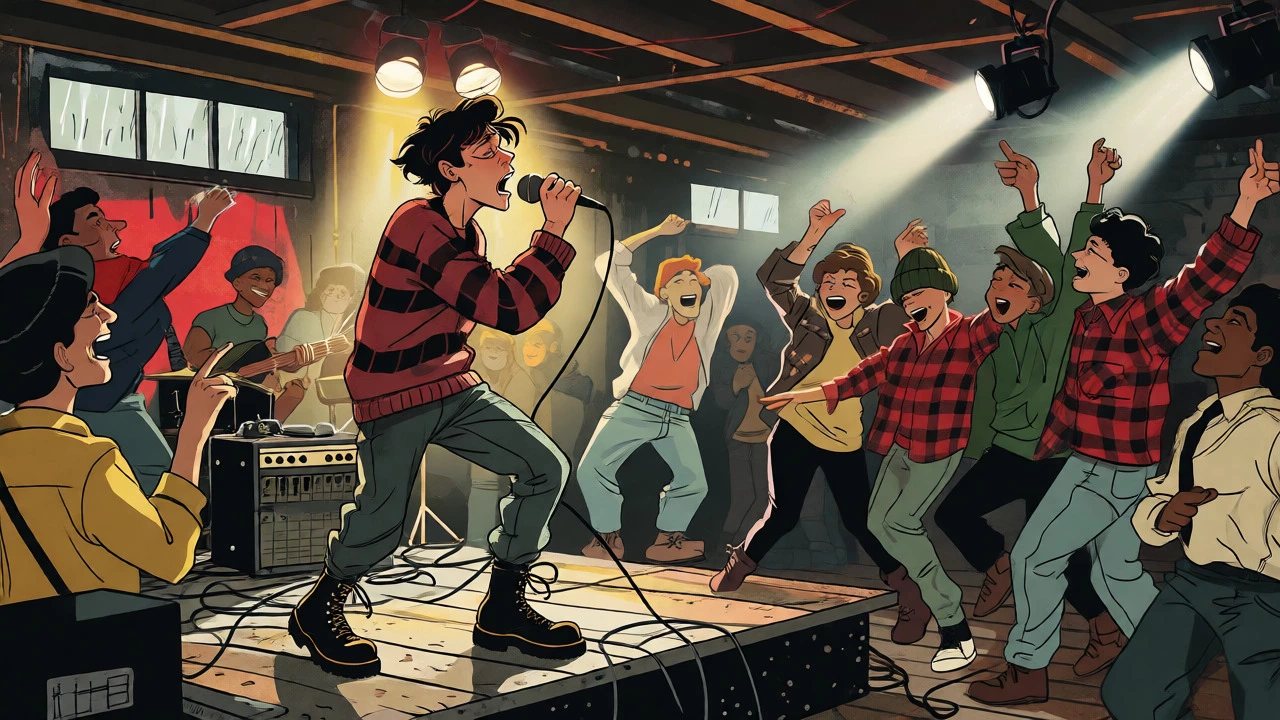
Focusing solely on Nirvana misses the broader ecosystem that made the scene sustainable. Bands like Soundgarden and Mudhoney were crucial pillars of the Seattle sound. Soundgarden, with their complex time signatures and Chris Cornell’s powerful vocals, brought a heavier, more progressive edge to the genre. Mudhoney offered pure punk energy and humor, keeping the scene grounded in its DIY roots.
These bands weren’t just competitors; they were collaborators. Members frequently switched between groups, creating a tight-knit community where talent circulated freely. This interconnectedness meant that the "sound" wasn’t owned by one band but was a collective output of a vibrant local culture. Clubs like the Vogue and the Off Ramp served as incubators, where these artists honed their craft in front of small, passionate crowds long before they filled stadiums.
The Business Side: From Zine Culture to Major Label Deals
The transition from basement shows to boardrooms happened fast. As demand for Seattle music exploded, the economics changed dramatically. Sub Pop, initially struggling financially, found itself in a unique position. When Nirvana signed with DGC/Geffen Records, Sub Pop negotiated a percentage of Nevermind’s sales. This deal saved the label and allowed it to continue supporting other artists.
By 1995, Warner Music Group purchased 49% of Sub Pop. This move signaled that the majors had learned their lesson: they couldn’t manufacture the Seattle sound, so they had to buy access to it. However, this also marked the beginning of the end for the original DIY spirit. As major labels flooded Seattle with scouts, the pressure to replicate the "grunge formula" led to a wave of imitators, many of whom lacked the authentic creative drive of the pioneers.
Why Did the Movement Fade?
Grunge burned bright and fast. By the mid-90s, several factors contributed to its decline as a dominant commercial force. First, internal struggles tore bands apart. Kurt Cobain’s death in 1994 cast a long shadow over the scene, leading many to question the sustainability of such intense emotional exposure. Second, the market became saturated. For every good grunge band, there were ten mediocre ones trying to cash in on the trend.
Additionally, the definition of "alternative" expanded. As the initial shock wore off, listeners began exploring new genres like trip-hop, electronic dance music, and eventually pop-punk. The rigid identity of "grunge" dissolved, leaving behind a legacy rather than a active movement. Yet, its influence persisted in post-grunge acts and continues to shape modern rock aesthetics.
Legacy: More Than Just Flannel
Today, looking back at Seattle grunge reveals more than just nostalgia. It demonstrated the power of regional scenes to challenge centralized industry hubs like New York and Los Angeles. It proved that authenticity sells, even if that authenticity looks messy or unpolished. The visual language of grunge-flannel shirts, ripped jeans, combat boots-remains a staple in fashion cycles, periodically resurfacing as a counterpoint to sleek minimalism.
For music lovers, the true legacy is the door it opened for diverse voices. By breaking the monopoly of polished pop and hair metal, grunge created space for experimentation and emotional honesty in mainstream rock. It showed that you didn’t need a huge budget or perfect technique to connect with millions of people; you just needed something real to say.
What exactly defined the "Seattle Sound" musically?
Musically, it was a blend of hardcore punk speed, heavy metal weight, and indie rock melody. Key characteristics included down-tuned guitars, loud-quiet-loud dynamics, and raw, unpolished production values that prioritized emotion over technical precision.
Did Sub Pop create the term "Grunge"?
Not entirely. The word existed before, often used derogatorily to describe messy rock bands. However, Sub Pop actively embraced and marketed the term to brand their roster, turning a slur into a desirable cultural identifier.
Why did grunge become so popular so quickly?
It resonated with Generation X’s feelings of apathy and disillusionment. The music offered an outlet for anger and sadness that felt more genuine than the upbeat, materialistic themes of 80s pop. MTV’s heavy rotation of videos like "Smells Like Teen Spirit" accelerated this adoption globally.
Are there any surviving bands from the original Seattle scene?
Yes, several key members continued their careers. Pearl Jam remains highly active. Members of Soundgarden and Alice in Chains have pursued various projects, though the original lineups faced significant challenges due to member deaths and breakups.
How did the fashion of grunge differ from 80s rock?
80s rock favored spandex, big hair, and expensive leather jackets. Grunge rejected this glamour in favor of thrift-store finds: flannel shirts, oversized sweaters, worn-out jeans, and practical footwear. It was anti-fashion, emphasizing comfort and indifference to appearance.