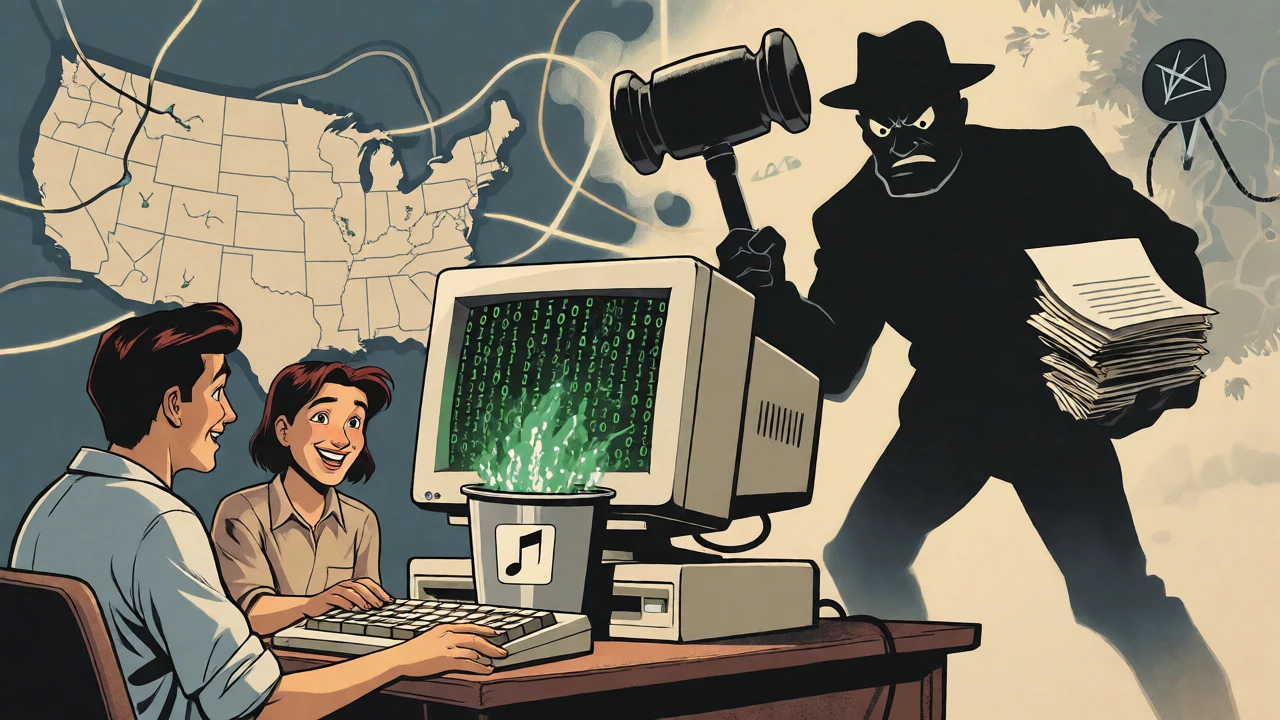

Imagine getting a lawsuit letter because your teenager downloaded a song. For thousands of Americans in the early 2000s, this wasn't a hypothetical-it was reality. The battle between the Recording Industry Association of America (RIAA) and everyday music fans defined an era where technology outpaced the law. This wasn't just about money; it was a fight over who owned the internet's ability to share culture. If you've ever wondered how we got from illegal MP3 downloads to legitimate streaming services like Spotify, you need to look back at these legal wars.
The Rise of Napster and the First Big Crackdown
In June 1999, two college students, Shawn Fanning and Sean Parker, launched Napster. It was a simple Windows application that let users swap MP3 files directly with each other. Unlike previous methods, Napster used a central server to index what everyone had shared, making it incredibly easy to find specific songs. By late 1999, millions were using it daily. The record labels saw their sales plummeting and panicked. In December 1999, the RIAA filed a massive lawsuit against Napster, alleging that the service enabled massive copyright infringement.
The legal core of this dispute rested on secondary liability. The courts had to decide if Napster was responsible for what its users did. In July 2000, a district court granted a preliminary injunction, forcing Napster to filter copyrighted material or shut down. The Ninth Circuit Court of Appeals affirmed this in February 2001, ruling that Napster was liable for both contributory and vicarious infringement. Why? Because Napster knew about specific infringing activities-evidenced by internal emails-and had the technical ability to control them through its central index. They also benefited financially as user numbers grew, even though the service was free to users.
Napster actually offered a $1 billion settlement to the RIAA in early 2000, trying to pivot to a licensed model. But the industry wanted the platform dead, not licensed. By mid-2001, the original P2P network was gone. This set a dangerous precedent: if your service had a central brain and knew people were pirating, you were guilty.
Grokster and the Supreme Court’s Inducement Rule
After Napster died, new players emerged. Services like Grokster and StreamCast (operator of Morpheus) used decentralized networks. There were no central servers indexing files. Each computer talked directly to others. These companies argued they were just selling software, like Sony sold VCRs in the famous 1984 Sony Corp. v. Universal City Studios case. They claimed their tools had "substantial non-infringing uses," so they shouldn't be liable for what users did.
The RIAA disagreed, suing them too. The case went all the way to the U.S. Supreme Court. On June 27, 2005, the Court unanimously ruled against Grokster in MGM Studios, Inc. v. Grokster, Ltd.. They created a new legal standard called "inducement." The Court said if you distribute a device with the object of promoting its use to infringe copyright, you are liable. Evidence mattered: Grokster marketed specifically to former Napster users, celebrated high piracy rates in internal memos, and refused to build filtering tools. Intent became the key factor. You couldn't hide behind decentralization if your business model relied on piracy.
When the Industry Sued Its Own Customers
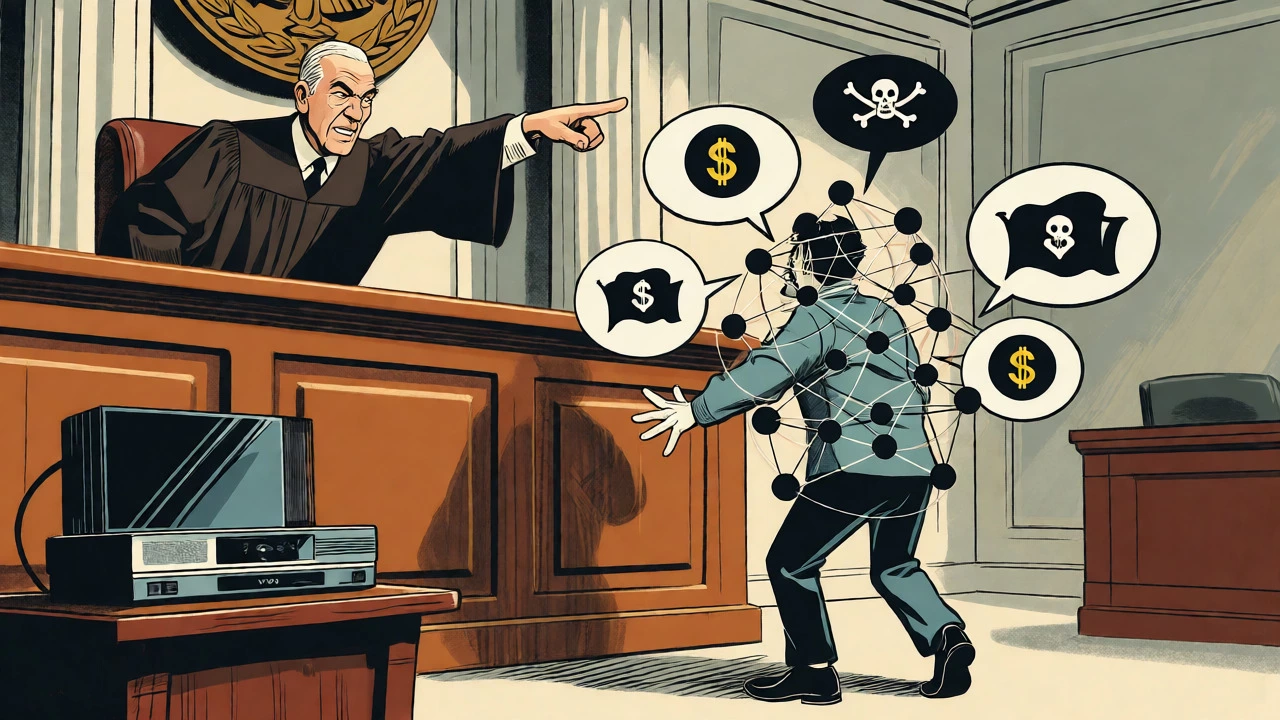
Killing the platforms didn't stop the sharing. So, in September 2003, the RIAA changed tactics. Instead of suing tech companies, they sued individuals. They filed complaints against 261 ordinary music fans. This was unprecedented. The Electronic Frontier Foundation (EFF) called it an "unprecedented legal campaign against its own customers." The strategy scaled up rapidly. By October 2007, estimates suggested over 30,000 individual lawsuits had been filed or threatened.
How did they catch people? Investigative agents monitored peer-to-peer networks, logged IP addresses, and subpoenaed Internet Service Providers (ISPs) to match IPs to subscriber names. Then came the letters. Most defendants received a pre-litigation settlement offer, often around $3,000. Programs like "Clean Slate" allowed users to pay a fixed fee without admitting guilt. Many paid because fighting back cost more in lawyer fees than the settlement itself. Others, however, chose to fight.
Consider the case of Debbie Foster, a single mother from Oklahoma sued in 2004. She didn't download anything herself; someone else used her connection. The RIAA eventually dismissed the case when they couldn't prove she was the actual infringer, and she won attorney’s fees. Cases like hers highlighted a major flaw: an IP address identifies a router, not necessarily a person. Yet, many teenagers, college students, and grandparents faced five-figure legal bills for alleged downloads.
Legal Frameworks and Their Impact
These battles reshaped copyright law. Before Napster, the Sony safe harbor protected technology providers if their products had significant non-infringing uses. Napster narrowed this by focusing on knowledge and control. Grokster added the inducement test, focusing on intent. Together, they created a complex web of secondary liability rules that still apply today.
| Case/Standard | Key Factor | Outcome for Tech Provider |
|---|---|---|
| Sony Safe Harbor (1984) | Substantial non-infringing use | Likely immune from liability |
| Napster (Contributory/Vicarious) | Knowledge + Control + Benefit | Liable if aware and able to stop it |
| Grokster (Inducement) | Intent to promote infringement | Liable if marketing/design encouraged piracy |
For developers, the lesson was clear: architecture matters, but so does behavior. Decentralized systems weren't automatically safe if the company actively encouraged piracy. Filtering tools became essential. For users, the risk became real. Sharing music wasn't just a social norm anymore; it was a potential lawsuit.
The End of Mass Litigation and the Streaming Shift
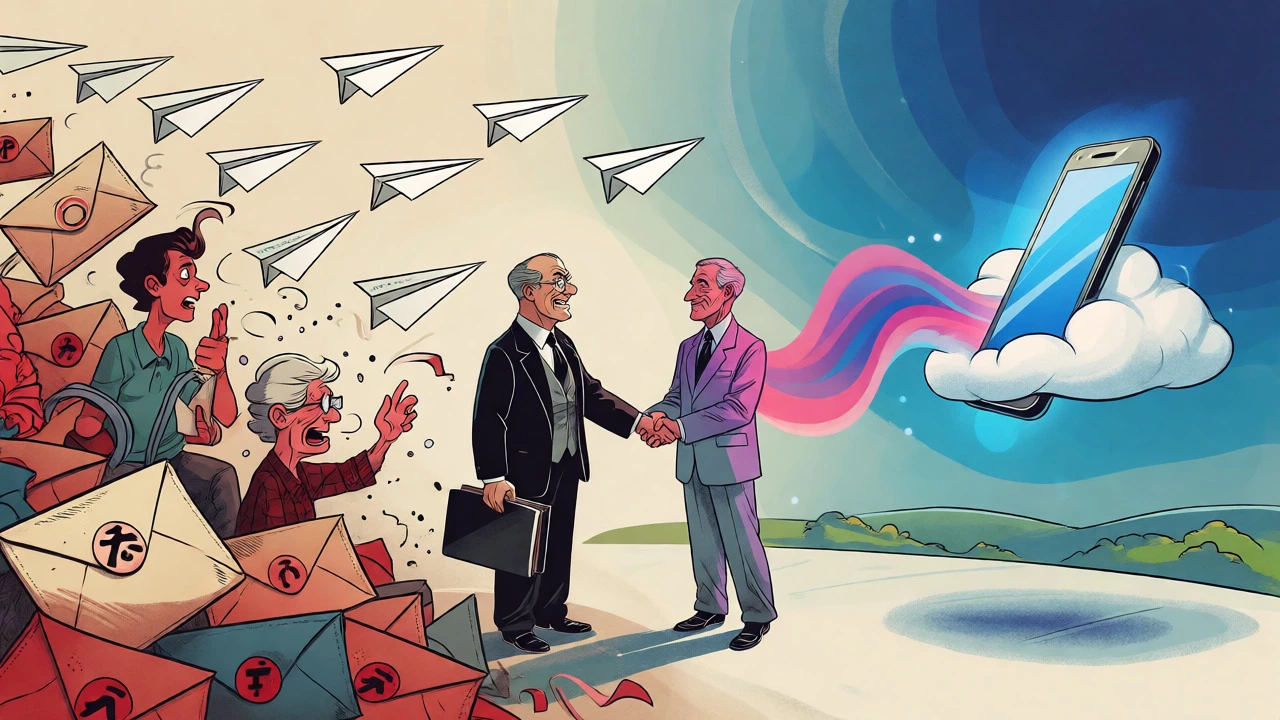
By the late 2000s, the tide turned. The RIAA realized that suing tens of thousands of individuals was expensive and generated terrible public relations. People hated being sued for listening to music. Meanwhile, legal alternatives appeared. Apple launched the iTunes Store in 2003, offering singles for $0.99. Later, subscription models emerged. The industry shifted from litigation to licensing and cooperation with ISPs.
Today, we live in the world these lawsuits built. Streaming services dominate, paying royalties to rights holders. The aggressive enforcement phase ended, but the legal doctrines remain. If a new file-sharing app launches tomorrow, courts will still ask: Did they know? Did they benefit? Did they intend to induce infringement? The ghosts of Napster and Grokster still haunt every new music tech startup.
Frequently Asked Questions
Why did the RIAA sue Napster?
The RIAA sued Napster because it believed the service facilitated massive copyright infringement. Napster used a central server to index files, allowing the RIAA to prove that Napster knew about infringing activity and had the ability to control it, meeting the criteria for contributory and vicarious liability.
What was the outcome of MGM Studios, Inc. v. Grokster, Ltd.?
The Supreme Court ruled unanimously against Grokster, establishing the "inducement" theory of secondary liability. The Court held that distributing software with the intent to promote its use for copyright infringement makes the distributor liable, regardless of whether the software has non-infringing uses.
How many individual lawsuits did the RIAA file against users?
Starting in September 2003, the RIAA filed thousands of lawsuits against individual file-sharers. Estimates suggest that by October 2007, the number of suits filed or threatened exceeded 30,000, targeting ordinary consumers across the United States.
Did suing individuals help reduce music piracy?
The impact is debated. While it created fear and temporarily slowed some P2P usage, it also caused significant backlash. Many argue that the availability of affordable, legal alternatives like iTunes and later Spotify was more effective in reducing piracy than litigation alone.
What is the difference between contributory and vicarious infringement?
Contributory infringement requires knowledge of specific infringing acts and material contribution to them. Vicarious infringement requires the right and ability to supervise the infringer and a direct financial interest in the infringement. Napster was found liable under both standards due to its central indexing and growth benefits.