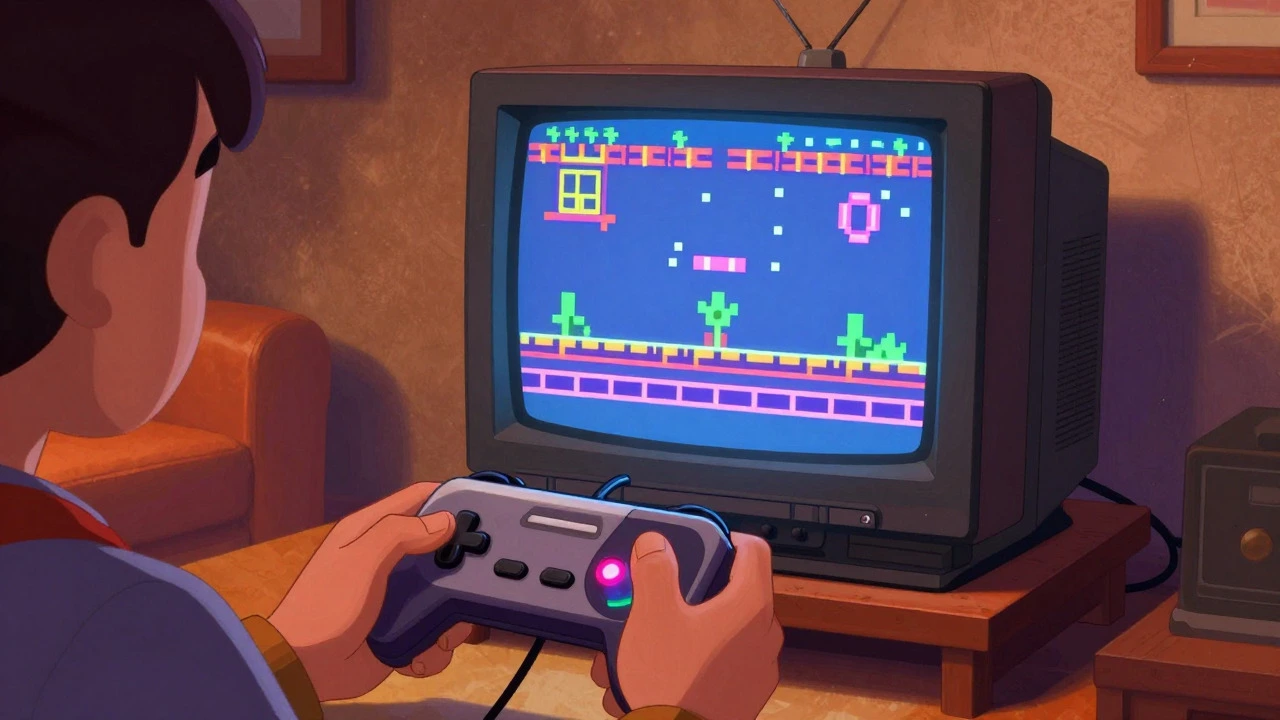

There is a specific feeling that hits you when those first three notes of the Mega Man II is a classic action-platformer for the NES featuring iconic chiptune music by Takashi Tateishi theme kick in. It’s not just hearing a melody; it’s a sudden transport back to a CRT television screen, the smell of warm plastic, and the intense focus of trying to beat a level without losing a life. This phenomenon, often called "pixelated nostalgia," goes far beyond simple fond memories. Recent research suggests that revisiting retro gaming and its distinctive soundtracks serves as a powerful psychological tool for enhancing well-being and restoring a sense of continuity in our lives.
We are living in an era where high-definition graphics and cinematic scores dominate the industry, yet the appeal of 8-bit and 16-bit audio remains stubbornly strong. Why do we keep coming back to these bleepy, bloopy sounds? The answer lies in the unique intersection of technical limitation, artistic ingenuity, and deep emotional resonance.
The Science Behind the Bleeps and Bloops
To understand why this music sticks with us, we have to look at what made it different. In the 1980s, composers didn’t have access to recorded instruments or massive libraries of samples. They were limited by hardware. Systems like the Nintendo Entertainment System (NES) is an 8-bit home video game console released by Nintendo in 1983 and the Commodore 64 is a highly influential home computer known for its MOS Technology SID sound chip used specific sound chips to generate audio in real-time.
The MOS Technology SID chip in the Commodore 64, for instance, allowed for complex waveforms and filters that gave it a rich, analog warmth distinct from other systems. Meanwhile, the NES relied on square waves, triangle waves, and noise channels. Composers had to be incredibly creative to create melodies, harmonies, and even simulated percussion within these strict constraints. This limitation bred innovation. The result was a style of music-often referred to as Chiptune is electronic music generated by vintage sound chips found in old computers and consoles-that was energetic, repetitive in a hypnotic way, and instantly recognizable.
When you hear these tracks today, your brain isn't just processing sound; it's recognizing a pattern of creativity born from scarcity. Scholars like Kenny McAlpine note that this reliance on sound chips defined the aesthetic until CD-ROM technology arrived in the early 1990s, shifting the industry toward high-fidelity recordings. But for many of us, that shift left a void. The chiptune sound became a symbol of a time when games felt more personal and raw.
Nostalgia as a Psychological Anchor
Why does listening to the soundtrack from OutRun is a popular arcade racing game by Sega featuring synth-heavy music by Hiroshi Miyauchi make you feel calm or connected? Academic studies published between 2018 and 2026 provide a compelling explanation. Video game nostalgia is not just about missing the past; it is a predominantly positive, social, and past-oriented emotion that helps optimize our current well-being.
A key finding from recent research is that nostalgia is triggered by feelings of competence and relatedness. When you played these games as a child or teenager, you likely spent hours mastering difficult levels. You felt competent when you finally beat a boss. You felt connected when you played with siblings or friends on the couch. The music served as the backdrop to these achievements. Today, hearing that same music acts as a cue, reactivating those feelings of mastery and social bonding.
This is particularly relevant in modern times. A 2024 study from the University of Bristol identified several drivers for seeking out retro experiences, including social disconnectedness, boredom, and a need for stability. In a world that feels increasingly fragmented and fast-paced, the predictable loops of an 8-bit tune offer a sense of order. It’s a psychological safe harbor. The music reminds you of a time when challenges were clear, rules were consistent, and success was earned through practice.
Iconic Composers and Defining Tracks
The canon of 1980s game music is built on the work of visionary composers who pushed their hardware to the breaking point. While many names are lost to history, some stand out as giants of the genre.
| Composer | Notable Work | Platform / Year | Musical Style / Impact |
|---|---|---|---|
| Takashi Tateishi | Mega Man II (Bubbleman Stage) | NES / 1988 | Catchy, upbeat melodies that define the platformer genre. |
| Rob Hubbard | ACE 2 | Commodore 64 / 1987 | Complex counterpoint and jazz influences using the SID chip. |
| Hiroshi Miyauchi | OutRun (Passing Breeze) | Sega Master System / 1987 | Synth-pop inspired tracks that captured the cool factor of driving games. |
| Yuzo Koshiro | The Revenge of Shinobi | Genesis / 1989 | Pioneered sampling and heavier, rock-influenced game scores. |
Take Rob Hubbard, for example. His work on the Commodore 64 is legendary because he managed to create intricate polyphonic textures on a machine that technically struggled with multiple voices. Or consider Yuzo Koshiro, who began incorporating sampled drums and bass lines into his compositions on the PC-88 and later the Genesis, bridging the gap between pure chiptune and modern electronic music. These composers weren't just making background noise; they were crafting identities for their games. The music told you how to feel before you even saw the next enemy appear.
How to Experience Retro Soundtracks Today
You don’t need a dusty attic full of cartridges to enjoy this music. The barrier to entry has never been lower. In fact, the way we access these soundtracks has evolved significantly, moving from physical media to digital streaming and live performances.
- Streaming Playlists: Platforms like Spotify feature curated lists such as Press Start Radio's "Best 80s Video Game Songs." These playlists allow you to dive into the canon without needing to identify every track manually. They are perfect for background listening while working or studying, leveraging the focused nature of chiptune music.
- YouTube Compilations: Long-form mixes on YouTube, such as the "80s Retro Console Gaming Music Mix," offer uninterrupted sessions of arcade and console tracks. These videos often include visualizers or gameplay footage, enhancing the nostalgic experience by pairing the audio with its original visual context.
- Live Chiptune Performances: Artists like cTrix (Tim Mylrea) have turned vintage hardware into live instruments. By modifying consoles like the NES and Commodore 64, they perform sets that showcase the capabilities of these old chips in real-time. Attending a chiptune concert offers a unique blend of tech appreciation and musical enjoyment.
- Emulation: For those who want the full package, emulation software allows you to play original games on modern devices. Hearing the music while interacting with the game mechanics provides the most complete nostalgic trigger, combining auditory cues with the tactile memory of gameplay.
This accessibility means that 1980s soundtracks are no longer confined to gamers. They have entered the broader cultural consciousness, influencing producers, DJs, and electronic musicians who sample these iconic riffs. The "bleep" and "bloop" are now recognized as universal symbols of digital culture.
The Community and Fan Culture
Beyond individual listening, there is a vibrant community dedicated to preserving and celebrating this music. On forums like Reddit’s r/chiptunes, fans debate which tracks are technically impressive, discussing aspects like channel usage, waveform manipulation, and speed coding. This isn't just casual fandom; it’s a form of informal criticism that appreciates the technical skill required to compose under such tight constraints.
Fan-curated content plays a huge role in keeping this culture alive. Videos titled "Our Favourite Video Game Music - 1980s Edition" serve as anthologies where listeners vote with their likes and comments, effectively canonizing certain pieces. This collective curation ensures that lesser-known gems, like Hal Canon and Earl Vickers’ theme for Paperboy is a 1985 arcade game featuring a memorable jazzy soundtrack, remain accessible to new audiences.
The community also engages in "doujin" or fan-made music, creating remixes and new compositions that mimic the style of the 1980s. This creative output keeps the aesthetic fresh and relevant, proving that the limitations of the past continue to inspire innovation in the present.
Looking Forward: The Future of Pixelated Nostalgia
As time moves on, the definition of "retro" will inevitably shift. What is nostalgic for millennials today may seem ancient to Gen Z, who grew up with PlayStation and Xbox. However, the mechanism of nostalgia remains constant. As new generations accumulate their own gaming memories, the focal decade of retro gaming will move forward. We may see a surge in interest for 1990s and 2000s soundtracks in the coming years.
Yet, the 1980s hold a special place as the foundation. They represent the birth of interactive entertainment as a mainstream medium. The soundtracks from this era are not just relics; they are artifacts of a time when technology was discovering its voice. They remind us that great art can emerge from any set of circumstances, even those defined by severe limitations.
Whether you are replaying Mega Man for the hundredth time or simply adding a chiptune playlist to your workout routine, you are participating in a shared cultural experience. You are connecting with a past that offers comfort, challenge, and joy. In a complex world, sometimes the simplest sounds are the most powerful.
What makes 1980s video game music so nostalgic?
1980s video game music triggers nostalgia because it is linked to memories of competence and social connection. Studies show that hearing these familiar tunes reactivates feelings of achievement from mastering difficult games and the social bonding experienced while playing with others. The distinctive sound of chiptune also serves as a sensory anchor to a simpler time in many people's lives.
Who are some famous composers from the 1980s gaming era?
Notable composers include Takashi Tateishi (Mega Man series), Rob Hubbard (Commodore 64 titles like ACE 2), Hiroshi Miyauchi (OutRun), and Yuzo Koshiro (Streets of Rage, Shinobi). These artists pushed the limits of early sound chips to create iconic melodies that are still celebrated today.
How did hardware limitations influence 1980s game soundtracks?
Hardware limitations forced composers to be highly creative. With only a few audio channels and basic waveforms available on systems like the NES and Commodore 64, musicians had to use techniques like rapid arpeggios to simulate chords and noise channels to create percussion. This resulted in a unique, energetic style known as chiptune.
Can listening to retro game music improve mental well-being?
Yes, research suggests that engaging with retro games and their soundtracks can enhance well-being. Nostalgia elicited by these experiences is associated with increased feelings of social connectedness and self-continuity, helping to counteract modern stressors like boredom and social disconnectedness.
Where can I listen to 1980s video game soundtracks online?
You can find curated playlists on Spotify, such as Press Start Radio's collections. YouTube also hosts numerous long-form mixes and tribute videos. Additionally, platforms like Bandcamp feature albums from contemporary chiptune artists who perform on vintage hardware.


