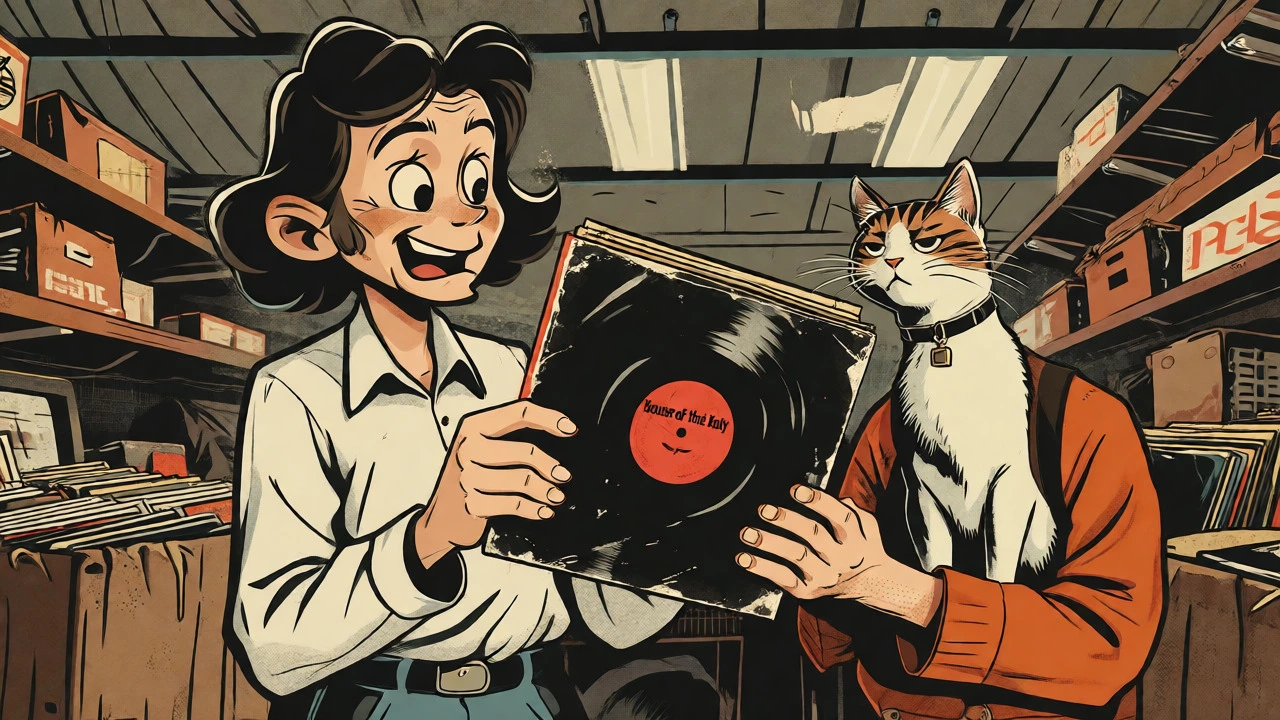

You find a pristine copy of Led Zeppelin’s Houses of the Holy at a garage sale for five bucks. It looks great, but when you drop the needle, it sounds thin and flat. Why? Because that specific pressing might have been cut from a degraded tape or mastered poorly in the late 70s. Now imagine buying a brand-new reissue of the same album in 2026. It costs $35, comes with a booklet, and is advertised as "remastered from original analog tapes." Does it actually sound better? Or are you just paying for nostalgia packaging?
Reissue culture is the machinery behind how we hear music history today. It’s not just about printing more copies; it’s a complex industrial process where labels dig into vaults, license rights, and use modern technology to reshape our collective memory of the 1970s. This era, often called the golden age of rock, soul, and jazz, is currently being mined for revenue and reverence alike. But understanding how these releases happen helps you decide whether to spend your money on a dusty original or a shiny new edition.
The Origins of the Reissue Business
Before there were deluxe box sets, there was the bargain bin. In the 1960s and 70s, reissuing wasn’t an art form; it was inventory management. Labels like Pickwick Records and Music For Pleasure (MFP) treated deleted albums as cheap stock. They would take out-of-print LPs from major labels like RCA or EMI, slap a new cover on them, and sell them at a discount. The goal was volume, not fidelity. Often, they’d cut two or three songs to save time and money, altering the artist’s original vision without a second thought.
This changed dramatically in the late 70s and 80s. As cassette tapes and CDs emerged, collectors started realizing that old vinyl had value. Enter Rhino Records. Founded in Los Angeles by Richard Foos, Rhino started as a record store before becoming a powerhouse reissue label. Foos noticed that major labels were letting music history disappear. He began licensing overlooked gems, working directly from original analog tapes to ensure high-quality sound. Rhino proved that people would pay for care, context, and quality. Today, alongside divisions like Legacy Recordings, Craft Recordings, and Hip-O Records, Rhino dominates the market, turning 1970s catalogs into lucrative assets.
The Technical Maze: Analog Tapes and Digital Transfers
Here is where things get technical-and expensive. When a label decides to reissue a 1970s album, they first have to find the source material. Ideally, this means locating the original master tapes. But after 50 years, these tapes can degrade. If the masters are gone or damaged, engineers might have to work from safety copies or even previous CD masters.
The method used matters. An "all-analog" chain involves playing the original tape through analog gear and cutting a lacquer disc directly, preserving the warmth and dynamic range of the original recording. A digital transfer converts the tape to digital files, which can be edited and cleaned up but might lose some sonic character. Many modern reissues don’t disclose which method they used. Audiophiles hate this opacity. As noted by experts in publications like Platter and Plinth, you shouldn’t pay a premium for a reissue unless the jacket explicitly states it was cut from all-analog sources by a named engineer.
| Feature | Budget Reissue (e.g., Pickwick) | Standard CD/Digital Remaster | Audiophile Vinyl Reissue |
|---|---|---|---|
| Source Material | Often secondary tapes or existing LPs | Digital transfers from original tapes | Original analog master tapes |
| Sound Quality | Inconsistent, often compressed | Clean but potentially sterile | High dynamic range, warm tone |
| Packaging | Basic, sometimes altered covers | Jewel case or digipak | Heavyweight vinyl, gatefold, booklets |
| Price Point | $5 - $10 | $10 - $15 | $30 - $50+ |
| Transparency | Low | Moderate | High (usually lists engineer/source) |
Why Labels Love the 1970s
Why focus so heavily on the 70s? Partly because of scarcity. The oil crisis of 1973-1974 caused a temporary halt in vinyl production because plastic depends on petroleum. This created gaps in original pressings. Combine that with decades of wear and tear, and clean original copies of albums by The Who or Pink Floyd become rare and expensive. A red-vinyl edition of a Pink Floyd classic recently sold for over $14,000. Most fans can’t afford that, so labels offer accessible alternatives.
There’s also the cultural canonization effect. Academic Andrew Bottomley argues that reissues don’t just restore music; they construct history. By choosing which albums to remaster and what bonus tracks to include, labels shape how we view the era. A deluxe edition of The Kinks’ 1977 album Sleepwalker with unreleased demos tells a different story than the original single-disc release. These campaigns keep heritage bands relevant, driving sales and keeping their names in the conversation.
How to Spot a Good Reissue
Not all reissues are created equal. Some are cash grabs using lazy digital transfers. Others are labor-of-love projects. Here is how to tell the difference:
- Check the Credits: Look for the name of the mastering engineer. Names like Kevin Gray, Bernie Grundman, or Ryan Smith signal high quality. If no engineer is listed, be skeptical.
- Read the Source Notes: Does the insert say "Remastered from Original Analog Masters"? That’s a good sign. If it says "Digital Remaster," it might still be good, but it’s likely less authentic to the original vibe.
- Inspect the Tracklist: Compare it to the original release. Did they add bonus tracks? Did they change the order? Budget reissues sometimes delete songs to fit shorter discs or save costs.
- Look for Label Reputation: Labels like Sundazed Music are known for archival rigor. They restore original track orders and use stereo tapes correctly. Trusting reputable boutique labels reduces risk.
The Collector’s Dilemma: Original vs. Reissue
Should you hunt for originals or buy new? If you want historical authenticity, hunt for originals. Holding a sleeve printed in 1974 connects you to the moment the music was made. But be prepared for noise. Forty years of play cycles leave marks. Finding a clean copy requires patience and luck.
If you prioritize listening pleasure, go for a well-made reissue. Modern pressing plants are generally better than many 70s factories. Plus, you avoid the hassle of grading condition. Just remember: if you’re paying $40 for a reissue, demand transparency. You deserve to know exactly what you’re hearing.
What defines a "reissue" versus a "repressing"?
A reissue typically involves a new mastering process, often with added content or packaging changes, and may occur years after the original release. A repressing usually refers to manufacturing more copies of an existing master, often due to demand, without significant audio or packaging alterations. However, industry terms vary, and many modern releases blur this line.
Are all-analog reissues always better than digital ones?
Not necessarily. While all-analog chains preserve the original tonal character and dynamic range, a skilled digital remaster can remove surface noise and correct flaws that weren't audible in the original mix. The best choice depends on your personal preference for warmth versus clarity.
Why do some reissues cost more than original pressings?
Modern audiophile reissues involve costly steps: retrieving and maintaining original tapes, hiring top-tier mastering engineers, and producing heavy-weight vinyl with premium packaging. Original pressings, while historically significant, may suffer from poor condition or lower initial production standards, making them cheaper despite their rarity.
Which labels are trusted for 1970s jazz and rock reissues?
For rock and pop, Rhino Records, Craft Recordings, and Legacy Recordings are industry leaders. For jazz, Blue Note (under various owners), Fantasy Records, and specialized boutiques like Sundazed Music are highly regarded for their archival integrity and mastering quality.
Do reissues affect the value of original 1970s records?
Generally, no. High-quality reissues satisfy casual listeners, allowing collectors to hold onto originals for investment purposes. Rare, first-pressing originals often retain or increase in value because they represent the artifact of the era, whereas reissues are seen as functional listening copies.