
You might think of reggae as the soundtrack to a lazy beach day or a chill party vibe. But if you listen closely to the lyrics, you’ll hear something far more urgent. Reggae is a musical genre born in Jamaica that functions as a powerful vehicle for political communication and social resistance. It didn’t start as background noise. It started as a megaphone for the marginalized. In the late 1960s, while the world was distracted by other conflicts, young people in Western Kingston were using basslines and syncopated rhythms to challenge colonialism, police brutality, and economic inequality. This isn't just history; it’s a living tradition where music serves as a tool for survival and identity.
The Roots of Resistance: From Ska to Reggae
To understand why reggae sounds like rebellion, you have to look at where it came from. Jamaica gained independence from Britain in 1962, but for many working-class Jamaicans, little changed on the ground. Poverty remained severe, and racial hierarchies persisted. The music evolved from ska and rocksteady, genres that were faster and often more dance-oriented. But as the social pressure mounted, the tempo slowed down. The beat became heavier, grounded by a prominent bassline that felt like a heartbeat or a march.
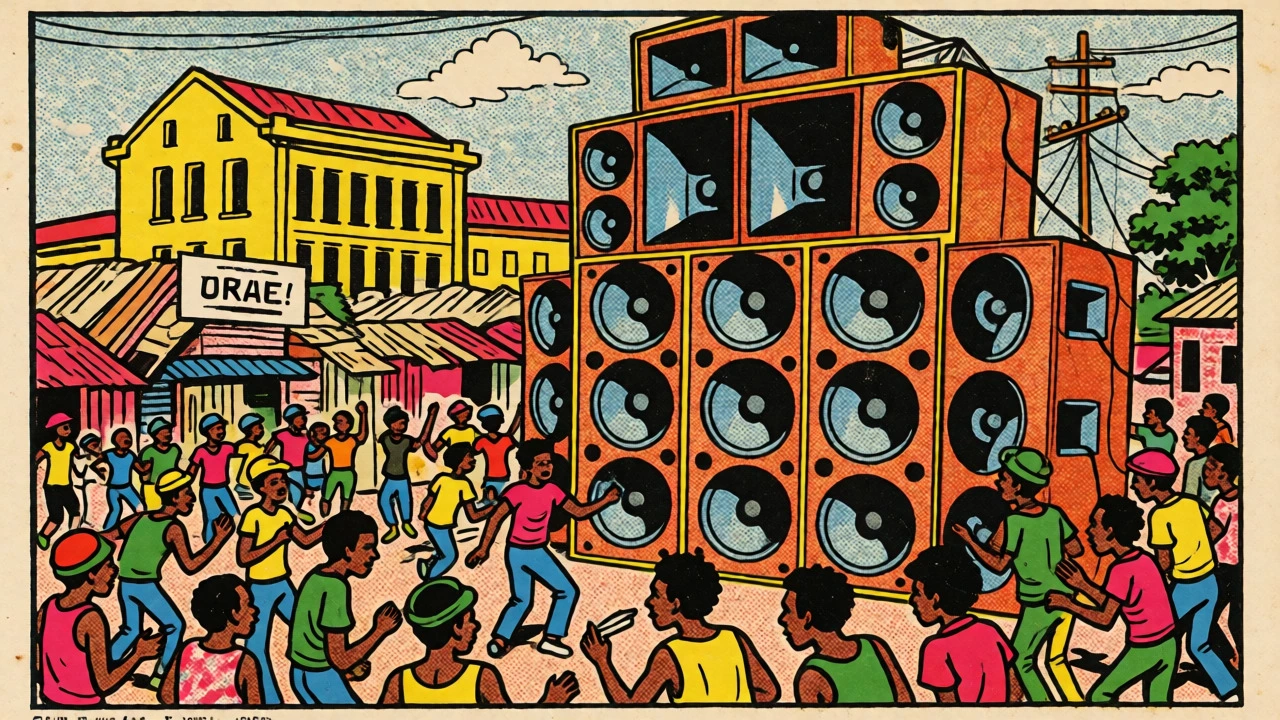
This shift wasn’t just aesthetic; it was necessary. Sound systems-massive, mobile speakers set up in neighborhoods-became the primary news source and community hub for those who couldn’t afford radios or newspapers. If you were unemployed or oppressed, the sound system was your public square. Producers like Lee “Scratch” Perry began experimenting with dub, stripping away vocals to let the rhythm speak for itself. This created a sonic space where authority could be manipulated, echoed, and distorted. The music gave voice to people who had been silenced by the state.
Rastafari and the Language of Babylon
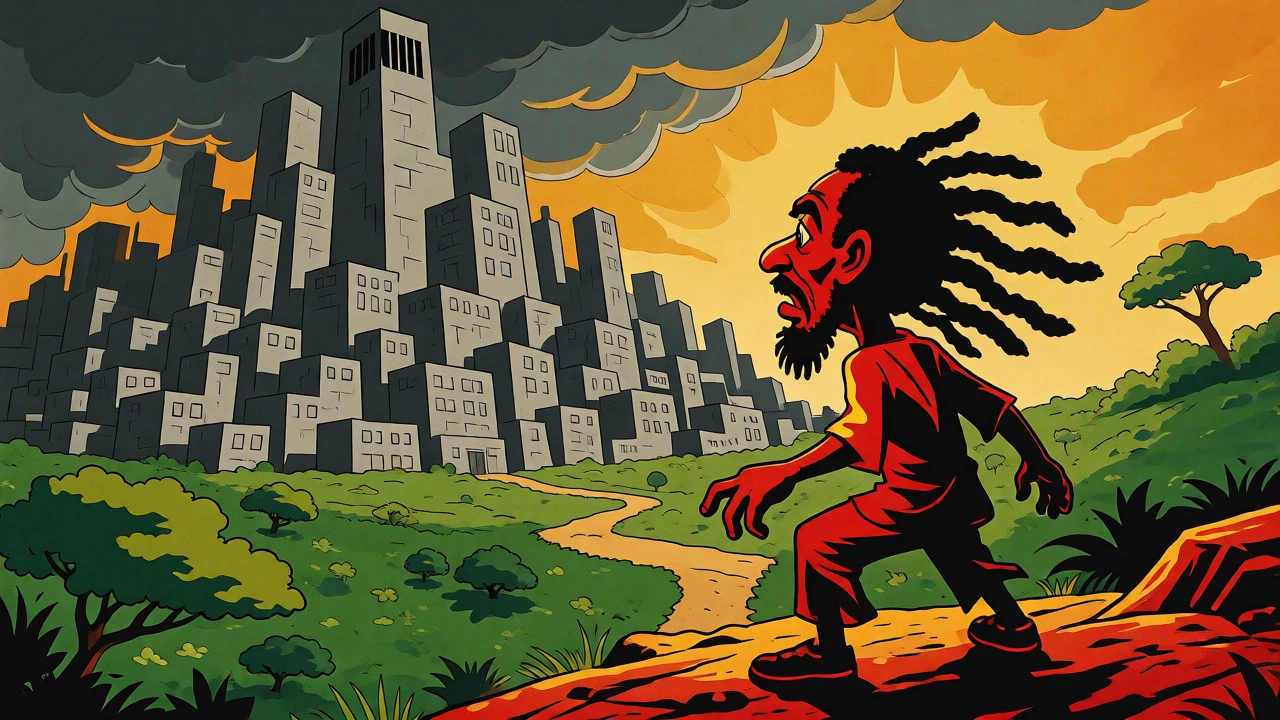
You can’t talk about reggae’s politics without talking about Rastafari. It is a spiritual and social movement that emerged in Jamaica’s black communities in the 1930s, offering an alternative worldview rooted in African identity and resistance to colonial power. Rastafari provided reggae with its core vocabulary. The central concept here is "Babylon." In this context, Babylon isn’t just a historical city; it represents the entire system of oppression-colonialism, capitalism, the police state, and religious institutions that enforce conformity.
Opposing Babylon is "Zion," often associated with Africa, spiritual freedom, and redemption. When artists sing about escaping Babylon, they aren’t always talking about moving to Ethiopia. They are talking about mental liberation from a system that devalues black life. Stephen A. King, a scholar of rhetoric, argues that this language challenged Jamaica’s official image as a tourist paradise. Instead of selling sunshine, reggae sold the truth about racial injustice and economic poverty. It forced listeners to confront the gap between the postcard and the pavement.
The Voices of Change: Marley, Tosh, and Burning Spear
No discussion of reggae politics is complete without Bob Marley. He is the most internationally recognized figure in reggae, whose work blended spiritual themes with sharp critiques of war, racism, and political violence. His albums, particularly Natty Dread (1974) and Exodus (1977), turned local grievances into global anthems. Songs like "Get Up, Stand Up" and "War" weren’t just songs; they were calls to action. "War," for instance, directly adapts Haile Selassie I’s speech to the United Nations, demanding equality and condemning racial discrimination.
| Artist | Key Album/Song | Primary Political Focus |
|---|---|---|
| Bob Marley | Survival / "War" | Pan-African solidarity, human rights, anti-colonialism |
| Peter Tosh | Equal Rights / "Legalize It" | Civil rights, legal reform, direct confrontation with state power |
| Burning Spear | Marcus Garvey / "Slavery Days" | Historical memory, black dispossession, ancestral pride |
But Marley wasn’t alone. Peter Tosh took a more militant approach. While Marley sought unity, Tosh demanded justice. His album Equal Rights (1977) placed rights discourse at the center of reggae. He famously said, "Because their words are corruption, and where there’s corruption, there must be an eruption." Tosh challenged the criminalization of cannabis and the abuse of law, positioning himself as a critic who wouldn’t compromise. Meanwhile, Burning Spear used history as a weapon. His track "Marcus Garvey" connects contemporary Jamaican struggles to the legacy of black nationalism and colonial theft, reminding listeners that current inequalities have deep historical roots.
Dancing with Devils: Reggae and Jamaican Politics
Here is the tricky part: reggae’s relationship with actual politicians was complicated. In the 1970s, Jamaica was split between two major parties: the People’s National Party (PNP), led by Michael Manley, and the Jamaica Labour Party (JLP), led by Edward Seaga. Violence was rampant. Politicians realized that reggae stars had immense influence over the youth vote. Both parties tried to co-opt the music. Manley embraced Rastafari imagery and even adopted the term "democracy" in a way that resonated with reggae fans, while Seaga courted the business-minded aspects of the industry.
The 1976 "Smile Jamaica" concert is a perfect example of this tension. Bob Marley organized a free concert to ease tensions before the general election. Gunmen attacked his home days before the show, injuring him and his wife Rita. Despite the danger, Marley performed. The event drew around 80,000 people. It showed that reggae could stand apart from partisan politics, yet it also showed how easily the state could try to use cultural icons for political legitimacy. Was Marley supporting Manley? Critics argued yes. Supporters argued he was simply advocating for peace. This ambiguity remains a defining feature of politically engaged art.
Global Echoes: From London to Lagos
Reggae’s message traveled fast. In Britain, the music found a natural ally in punk. Bands like The Clash covered reggae songs and collaborated with Jamaican producers. Junior Murvin’s "Police and Thieves" was covered by The Clash, linking Jamaican police brutality with British experiences of neo-fascism and institutional racism. This fusion helped create movements like Rock Against Racism, bringing black, brown, and white youth together against common enemies. Reggae proved it wasn’t just a local genre; it was a portable framework for interpreting oppression anywhere.
Africa, too, embraced reggae as a tool for post-colonial critique. In Côte d’Ivoire, artists like Alpha Blondy and Tiken Jah Fakoly used reggae to address bad governance, corruption, and neocolonial resource extraction. Fakoly, in particular, has extended reggae’s traditional anti-colonial stance to include environmental justice, criticizing how foreign powers exploit African land. Nigerian artist Majek Fashek and South African Lucky Dube also used the genre to advocate for peace and social justice. These adaptations show that reggae’s structure-its emphasis on rhythm and direct lyrical address-is flexible enough to carry local political weight in vastly different contexts.
The Limits of Liberation: Gender and Commercialization
We should avoid romanticizing reggae. While it fought against racial and class oppression, it didn’t always challenge sexism or homophobia. Many roots reggae lyrics reinforced conservative gender roles, marginalizing women and excluding LGBTQ+ voices. Scholars note that while reggae liberated listeners from colonial mindsets, it sometimes reproduced patriarchal norms within the Rastafari community. Women artists have worked hard to challenge these conventions, pushing for a more inclusive definition of resistance.
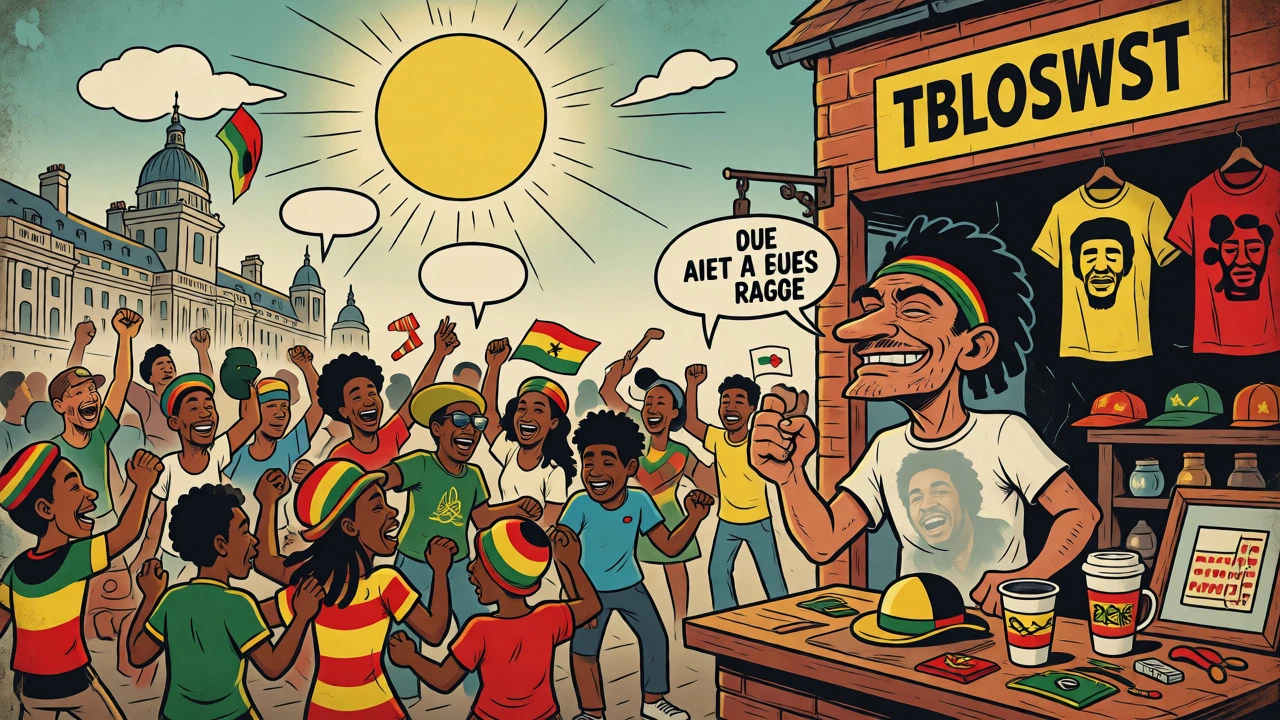
Then there is the issue of commercialization. Global fame brought money, but it also brought commodification. Today, you can buy "Rasta" dreadlocks, red-gold-green hats, and cannabis-themed merchandise in any airport gift shop. This process often strips the symbols of their radical meaning. Bob Marley’s face sells coffee and t-shirts, but does the consumer know what he actually stood for? Chevannes, a sociologist, describes this as the shift from confrontation to tourism branding. The risk is that rebellion becomes a lifestyle choice rather than a political commitment.
Why Reggae Still Matters Today
So, why does this matter in 2026? Because reggae remains one of the few global music forms that insists on connecting culture with conscience. UNESCO recognized this in 2018 by inscribing Jamaican reggae on its Intangible Cultural Heritage list. This wasn’t just about preserving old songs; it was acknowledging reggae’s ongoing role in discussing injustice and humanity.
Today, new artists continue this tradition. They blend reggae with hip-hop, Afrobeats, and digital production, addressing issues like climate change, migration, and economic disparity. The core mechanism hasn’t changed: reggae provides a low-cost, accessible infrastructure for marginalized people to remember their history, criticize present institutions, and imagine better futures. It reminds us that music isn’t just entertainment. It’s a way of seeing the world clearly.
What does "Babylon" mean in reggae music?
In reggae and Rastafari culture, "Babylon" refers to the oppressive system of colonialism, capitalism, and state authority. It represents the forces that exploit and marginalize people, contrasting with "Zion," which symbolizes freedom, Africa, and spiritual redemption.
How did reggae influence punk rock in the UK?
Reggae influenced punk through shared themes of anti-establishment sentiment and social alienation. Bands like The Clash incorporated reggae rhythms and covered Jamaican songs, helping to bridge racial divides and fueling movements like Rock Against Racism in the late 1970s.
Was Bob Marley involved in Jamaican politics?
Yes, though he maintained a non-partisan stance. He organized the "Smile Jamaica" concert to reduce political violence before the 1976 elections. However, both major political parties attempted to claim his influence, leading to debates about whether his music supported the PNP or JLP.
Why is reggae considered "anti-establishment"?
Reggae challenges established power structures by giving voice to the poor and marginalized. Its lyrics critique police brutality, economic inequality, and racial hierarchy, while its origins in sound-system culture allowed it to bypass traditional media gatekeepers controlled by the elite.
Does reggae still have political relevance today?
Absolutely. Modern reggae artists continue to address issues like environmental justice, corruption, and social inequality. The genre’s adaptability allows it to remain a relevant tool for protest and social commentary globally.