
Most people know the Ramones for one thing: that explosive 1976 debut album. It changed the game, set the template for punk rock, and became a cultural artifact almost instantly. But what happens after you’ve nailed the perfect storm of speed and simplicity? You keep going. For the Ramones, "keeping going" meant navigating the entire 1980s-a decade where the music landscape shifted from raw garage noise to synth-pop gloss and heavy metal dominance. Did they fade into obscurity? Hardly. Their Ramones 1980s output is a fascinating study in adaptation, compromise, and stubborn longevity.
If you only listen to the first four albums (1976-1978), you’re missing half the story. The period between 1980 and 1989 produced seven studio albums and a major compilation. Some critics call this era their "identity crisis." Others see it as a necessary evolution. Either way, these records hold up better than you might think, offering distinct textures that bridge early punk with the hardcore and pop-punk scenes that followed.
The Commercial Peak and the Spector Experiment
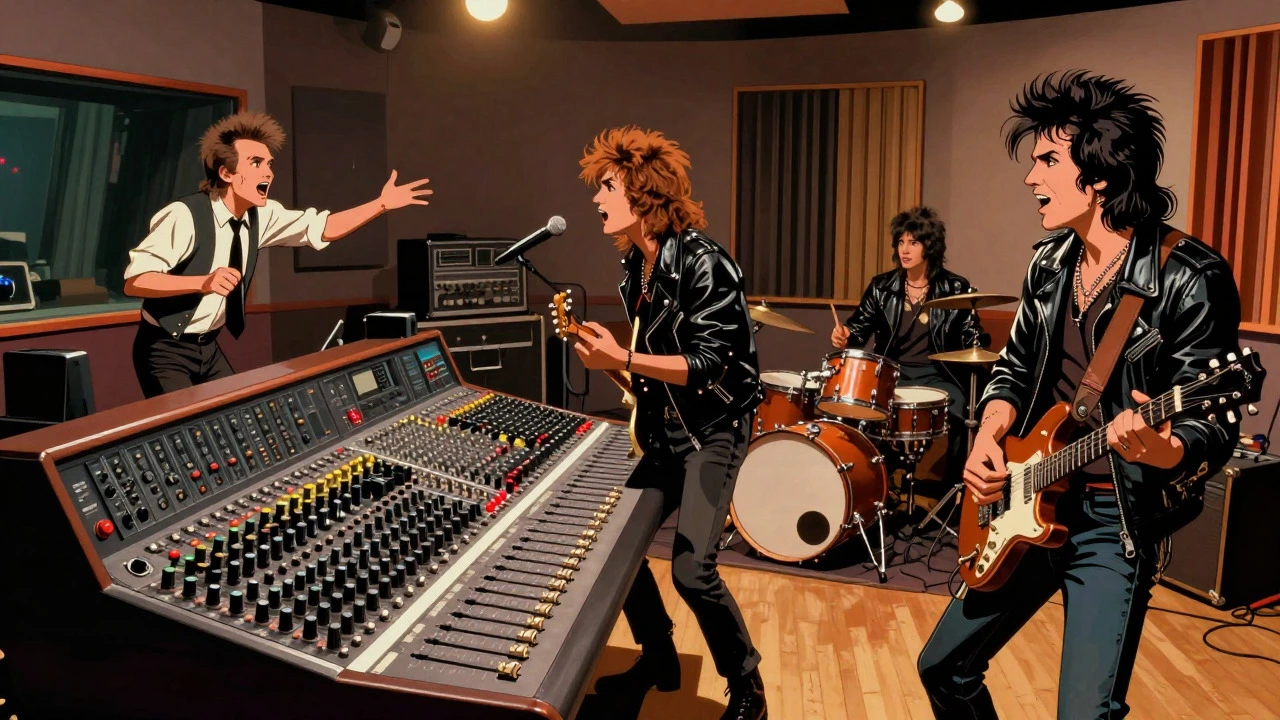
We have to start with End of the Century, released on February 4, 1980. This was the big gamble. The band hired Phil Spector, the legendary producer known for his "Wall of Sound," to polish their rough edges. The result? Their highest-charting album ever. It hit number 44 on the US Billboard 200 and cracked the top 15 in the UK. For a punk band, that was massive.
But did it sound like the Ramones? To purists, no. Spector added orchestral touches, layered guitars, and a sheen that felt foreign to the gritty New York scene. Tracks like "Do You Remember Rock ’n’ Roll Radio?" showcase this ambition. While some fans felt the production diluted their force, Kurt Loder of Rolling Stone called the record "rich and vibrant." It remains a polarizing but historically significant entry point, proving the band could break through mainstream barriers without completely losing their identity.
Pop Hooks and Mid-Tempo Melodies
Following the Spector experiment, Pleasant Dreams (1981) leaned further into accessibility. It charted lower than its predecessor-around number 58 in the US-but introduced some of the most melodic songs in their catalog. This album is often misunderstood as "soft," but it’s actually full of sharp songwriting wrapped in smoother production.
- "We Want the Airwaves": A catchy, mid-tempo anthem that still gets played in every live set.
- "The KKK Took My Baby Away": A darker, more complex track that showcases Dee Dee Ramone’s lyrical range.
- "She’s a Sensation": Pure hook-driven energy that fits perfectly with the early '80s pop-punk vibe.
These tracks prove that slowing down doesn’t mean losing impact. In fact, many modern pop-punk bands cite this era as a direct influence, blending punk aggression with radio-friendly melodies.
The Return to Rawness: Subterranean Jungle and Too Tough to Die
By 1983, the band realized they needed to reclaim their edge. Subterranean Jungle brought back distortion and faster tempos, though it suffered from a lack of cohesion due to a mix of originals and covers. Critics often rank it near the bottom of the 1980s run, citing its uneven flow. However, standout tracks like "Outsider" and "Psycho Therapy" remain fan favorites for their raw energy.
Then came Too Tough to Die in 1984. This is widely considered the strongest album of the decade. It balanced hardcore intensity with classic Ramones hooks, featuring harder-edged guitar tones and occasional double-time drumming. The opening three-song sequence is frequently cited as the best start since Rocket to Russia. If you’re new to the band’s later work, this is your starting point. It captures the spirit of the late '70s while embracing the growing hardcore scene in Washington D.C. and beyond.
Late Decade: Fatigue and Final Experiments
The final three albums of the 1980s-Animal Boy (1986), Halfway to Sanity (1987), and Brain Drain (1989)-show a band that had been touring relentlessly for over a decade. The energy is still there, but the consistency wavers. These records experiment with darker themes and slicker studio production, reflecting the band’s attempt to stay relevant in a changing market.
Brain Drain is particularly interesting because it hits a relatively strong number 22 in some territories, showing that their core fanbase remained loyal even as industry attention shifted to newer acts. Tracks like "Pet Sematary" offer bursts of aggression that remind listeners why the Ramones mattered. While some critics describe this era as "fatigued," it’s also a testament to their endurance. Few punk bands from the mid-70s lasted until 1989 without disbanding or fading into irrelevance.
| Album | Release Year | US Chart Peak | Key Characteristic | Must-Listen Track |
|---|---|---|---|---|
| End of the Century | 1980 | #44 | Phil Spector production, commercial peak | "I Believe in Miracles" |
| Pleasant Dreams | 1981 | #58 | Melodic hooks, pop-influenced | "We Want the Airwaves" |
| Subterranean Jungle | 1983 | #83 | Return to rawness, mixed covers/originals | "Outsider" |
| Too Tough to Die | 1984 | #171 | Hardcore intensity, critical favorite | "Too Tough to Die" |
| Brain Drain | 1989 | #22 | Dark themes, late-decade resilience | "Pet Sematary" |
Why This Era Matters Today
You might wonder why we care about albums that didn’t sell millions. The answer lies in influence. The Ramones’ 1980s work served as a crucial bridge between first-wave punk and the subsequent explosion of hardcore and pop-punk. Bands like Green Day, Blink-182, and Bad Religion all mined this era for stylistic cues. The ability to write a catchy melody at 160 BPM is a skill the Ramones refined during this period.
Furthermore, the longevity itself is impressive. Releasing seven studio albums and a major compilation (Ramones Mania) over nine years shows a level of dedication that few contemporaries matched. Many punk bands from the same era split within five years. The Ramones kept evolving, adapting to new sounds, and maintaining a global presence. That resilience is part of their legacy.
How to Listen: A Practical Guide
If you’re overwhelmed by the volume of material, here’s a simple path to exploring the 1980s catalog:
- Start with Too Tough to Die: This is the most consistent and energizing album of the decade. It captures the best of both worlds-raw energy and tight songwriting.
- Add End of the Century: Understand the commercial peak and the unique Spector production. It’s a different flavor, but essential for context.
- Dip into Pleasant Dreams: Focus on the top three tracks listed above. This will give you a taste of their melodic side without committing to the whole album.
- Explore the Compilations: Ramones Mania (1988) is an excellent gateway release. It includes 30 tracks spanning 1976-1988, allowing you to sample the best of each era in one place.
Don’t skip the later albums entirely. Even if Animal Boy or Halfway to Sanity feel inconsistent, they contain hidden gems that reveal the band’s creative range. Listening in chronological order helps you trace the shift in tempo, guitar tone, and lyrical themes over those nine years.
Frequently Asked Questions
Which Ramones 1980s album is the best?
Most critics and fans agree that Too Tough to Die (1984) is the strongest album from the decade. It balances hardcore intensity with classic hooks and is often ranked higher than several 1990s releases. End of the Century is also highly regarded for its historical significance and commercial success.
Did the Ramones change their sound in the 1980s?
Yes, significantly. They experimented with polished production (especially with Phil Spector on End of the Century), incorporated more melodic pop structures in Pleasant Dreams, and returned to raw aggression in Too Tough to Die. This evolution helped them adapt to changing musical trends while maintaining their core identity.
Are the 1980s Ramones albums worth listening to if I already know the classics?
Absolutely. The 1980s output offers different textures and moods not found in the debut-era albums. Tracks like "We Want the Airwaves" and "Too Tough to Die" are essential additions to any punk playlist. They also provide insight into how the band navigated commercial pressures and artistic growth.
What is the role of the compilation Ramones Mania?
Released in 1988, Ramones Mania serves as a comprehensive overview of the band’s career up to that point. It includes 30 tracks from 1976-1988, making it an ideal entry point for new listeners who want to sample the best of each era, including key 1980s hits.
How do the 1980s albums compare to the 1976 debut?
While the 1976 debut is widely considered their masterpiece due to its shock value and conceptual clarity, the 1980s albums are more varied and nuanced. They lack the unified aesthetic of the debut but offer greater stylistic range. Both eras are essential for understanding the full scope of the Ramones’ influence on punk rock.


