
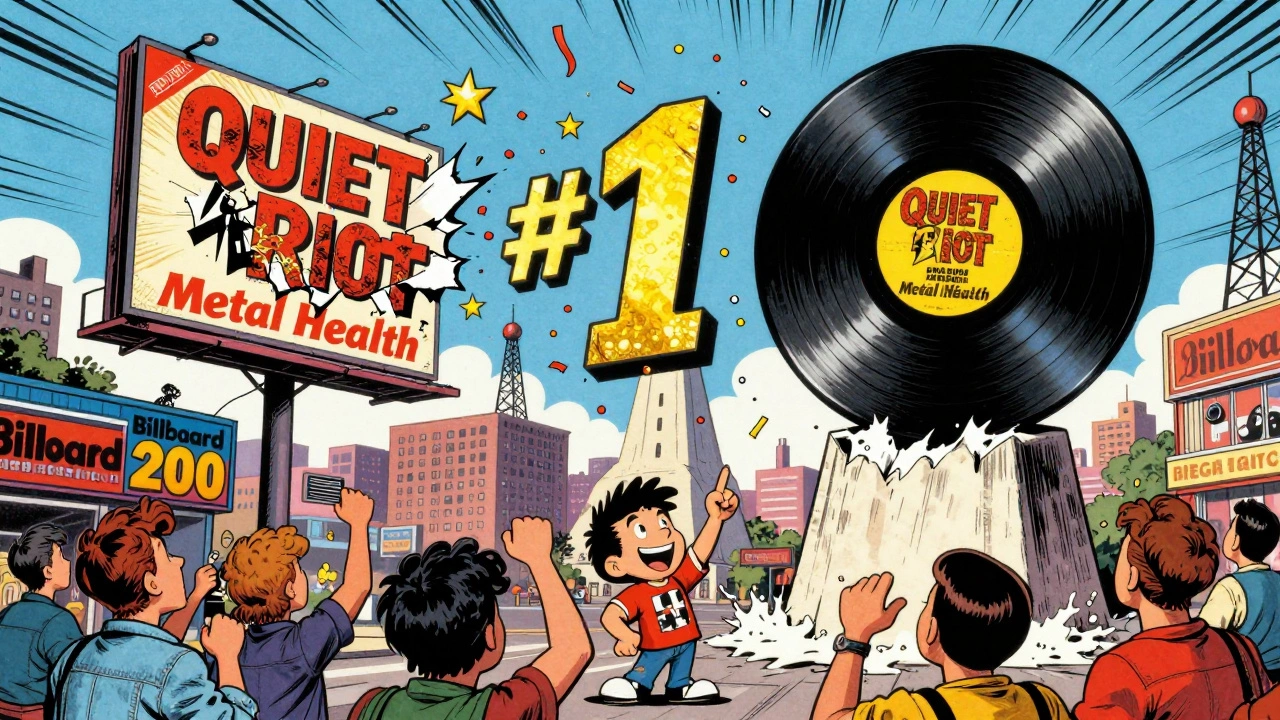
Before Quiet Riot’s Metal Health, heavy metal was seen as too loud, too wild, too fringe for mainstream radio. It lived in basement clubs, on college radio, and in the back of record stores. Then, in November 1983, something impossible happened: a metal album hit #1 on the Billboard 200. Not just any metal album - Quiet Riot’s Metal Health. And it wasn’t a fluke. This was the moment heavy metal crossed over, and no one saw it coming.
The Band That Almost Didn’t Make It
Quiet Riot didn’t start as a household name. Formed in 1973 by guitarist Randy Rhoads and bassist Kelly Garni under the name Mach 1, the band cycled through lineup changes and names - even called themselves Little Women for a while. The real turning point came in 1975, when they settled on Quiet Riot. Legend says the name came from a conversation with Status Quo’s Rick Parfitt. He meant to say “Quite Right,” but his thick British accent made it sound like “Quiet Riot.” The band liked the clash of calm and chaos. It stuck.
By 1982, they were struggling. Their 1977 debut album sold poorly. Record labels wrote them off. But frontman Kevin DuBrow kept pushing. He believed in their sound: tight riffs, high-energy hooks, and lyrics that spoke to kids who felt like outsiders. They signed with CBS/Epic Records in 1982, not because they were trendy, but because they had something raw and real.
The Album That Changed Everything
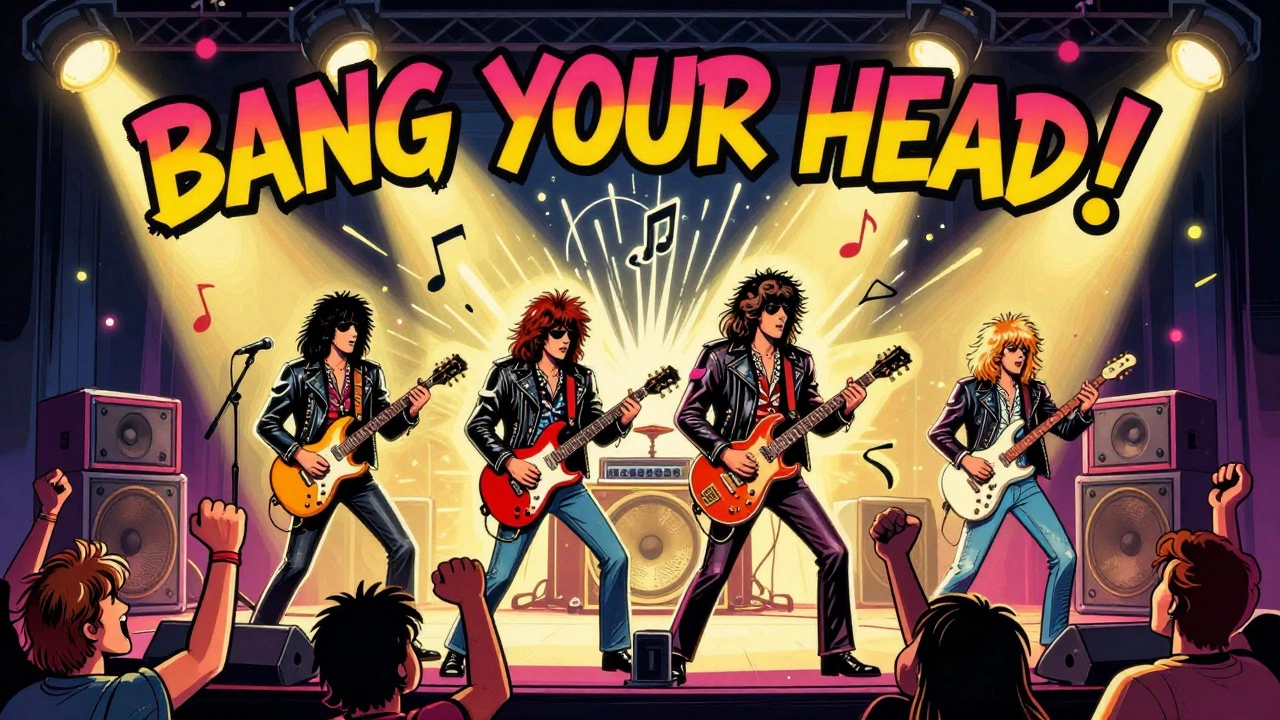
Metal Health dropped in June 1983. It wasn’t flashy. No neon makeup. No spandex suits. Just four guys in leather and denim, playing loud, fast, and proud. The album opener, “Metal Health,” was a chant disguised as a song. The chorus - “Bang your head! Metal health’ll drive you mad!” - wasn’t meant to be poetic. It was meant to be shouted. And it was.
The song hit radio stations across the U.S. Not just metal stations. Top 40 stations. FM rock stations. Even some pop outlets. Why? Because it was catchy. It had a beat you could headbang to, but the melody stuck in your head like a pop hook. It was the perfect storm: a heavy riff, a sing-along chorus, and a video that showed the band tearing through a warehouse, crowd surging, fists in the air. MTV played it constantly. For the first time, metal wasn’t just noise - it was a party.
By October, the album was climbing. By November, it hit #1 on the Billboard 200. No metal album had ever done that. Not Judas Priest. Not AC/DC. Not even Van Halen. Quiet Riot did it. And it wasn’t even their first single. “Cum On Feel the Noize,” a cover of Slade’s 1973 hit, had already hit #1 on the rock charts. But “Metal Health” was the one that cracked the pop charts - peaking at #31 on the Billboard Hot 100. That’s right: a metal song in the Top 40.
Why This Was a Big Deal
Before Metal Health, the music industry treated metal like a fad. Labels signed bands hoping they’d blow up fast and disappear. Radio programmers refused to play anything with a distorted guitar. MTV initially ignored metal bands, calling them “too aggressive.”
Quiet Riot changed that. Their success proved metal fans weren’t just a niche. They were millions. Teenagers. College kids. Factory workers. Parents who secretly liked the drums. The album sold over 1 million copies in the U.S. within six months. It went platinum twice. And it didn’t just sell - it moved culture.
After Metal Health, record labels started hunting for metal bands. Mötley Crüe, Bon Jovi, and Def Leppard got major deals. Metallica, though still underground, got noticed. The genre went from being dismissed to being bankable. Radio stations added metal hours. Concerts sold out in minutes. And for the first time, a metal band could headline arenas without apologizing for being loud.
The US Festival Moment
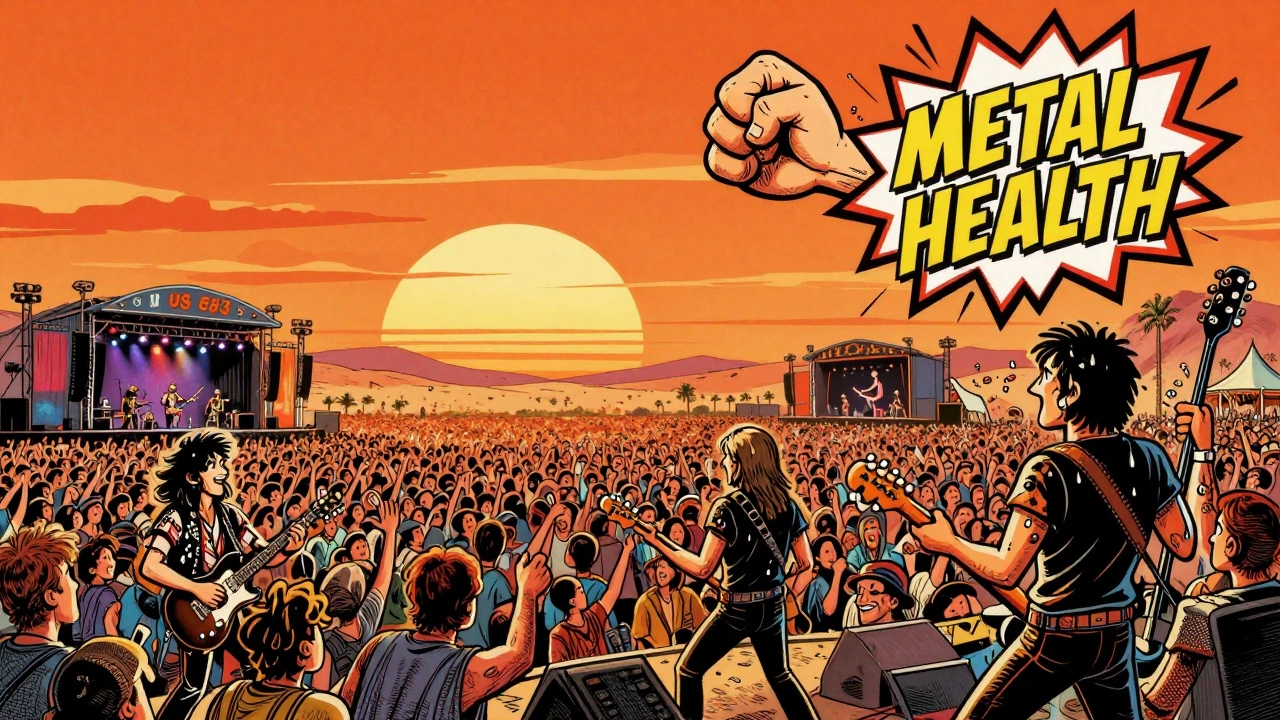
One performance sealed the deal. In May 1983, Quiet Riot played the US Festival - a massive three-day rock event in California with over 300,000 people. They opened for headliners like the Scorpions and Van Halen. No one expected them to steal the show. But they did.
The crowd, mostly kids in band tees and denim, went wild. The video of them playing “Metal Health” with the crowd screaming the chorus became iconic. The performance was later released on DVD and CD by Shout! Factory. It’s still the go-to clip for anyone asking: “When did metal go mainstream?”
Legacy: More Than a Chart Hit
Quiet Riot’s Metal Health didn’t just top the charts. It changed how music was made, marketed, and consumed. It showed that heavy metal could be both brutal and catchy. That a song with a guitar solo could also be a radio hit. That kids who wore black leather weren’t just rebels - they were consumers.
The song “Metal Health” still shows up on lists today. VH1 ranked it #35 on their Top 40 Metal Songs. It’s played at sports arenas, high school football games, and even some weddings (yes, really). It’s the kind of song that makes you feel alive - even if you’ve never heard it before.
And Quiet Riot? They never matched that success again. Randy Rhoads had left years earlier to join Ozzy Osbourne. DuBrow kept the band alive through lineup changes and legal battles. But none of that matters now. What matters is this: Metal Health didn’t just sell records. It broke a barrier. It told the world: metal belongs here. And it never left.
The Numbers That Prove It
- #1 on Billboard 200 - First metal album ever to top the chart
- 1 million+ U.S. sales in under six months
- #31 on Billboard Hot 100 - First metal single to crack the Top 40
- Platinum twice - Certified by the RIAA
- #35 on VH1’s Top 40 Metal Songs - Still remembered 40+ years later
These aren’t just stats. They’re proof that a band with no fancy gimmicks, no record label hype, and no trend-chasing could change the game - just by playing loud and believing in it.


