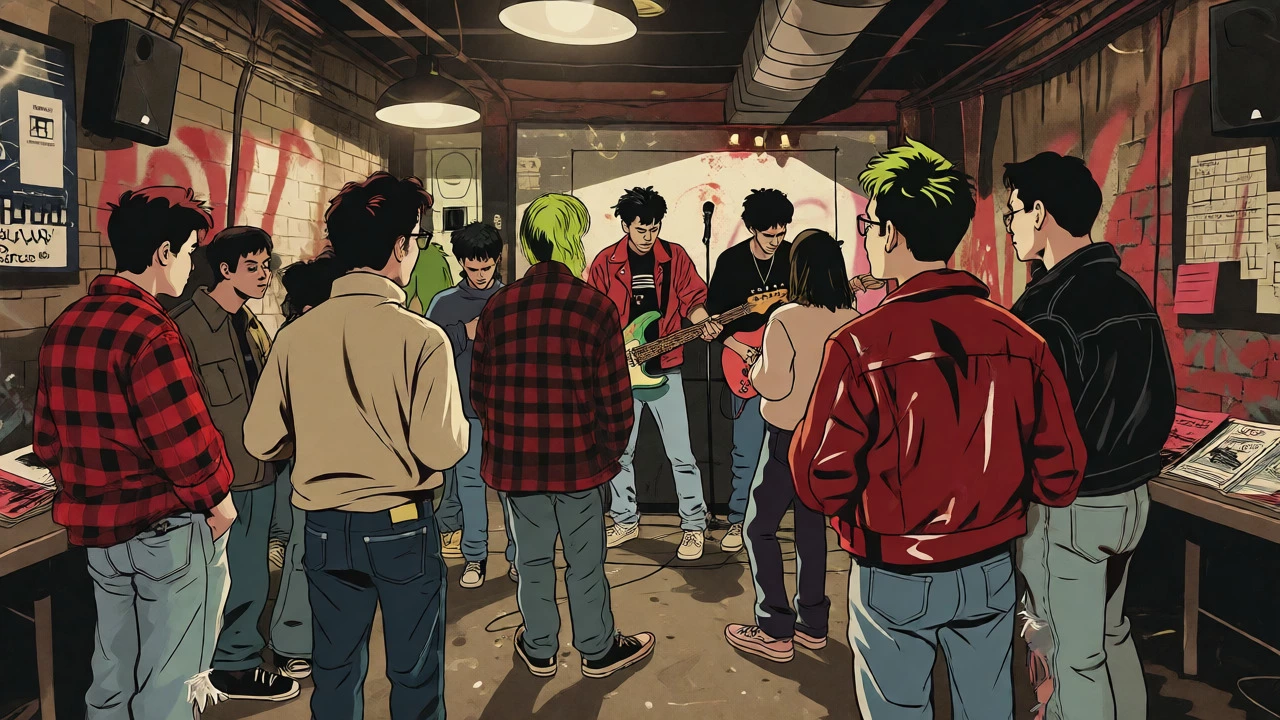

Imagine a world where the loudest, fastest, and most aggressive music on the planet wasn’t just tolerated by radio stations but was actively chased by them. For decades, punk rock lived in basements, squats, and independent record stores with audiences measured in hundreds, not millions. Then, in early 1994, everything changed. Dookie, the album that broke Green Day into global superstardom, didn’t just sell records; it rewired the DNA of popular music. It proved that three-chord chaos could coexist with catchy hooks, turning suburban teenagers into a massive economic force. This wasn’t just a trend-it was a structural shift in how the music industry viewed youth culture, creating a "long tail" of influence that stretches from MTV rotations in the 90s to TikTok trends today.
The Great Shift: From Underground Clubs to Arena Stages
Before 1993, if you wanted to hear fast, melodic punk, you had to go to specific places. In California, this meant venues like 924 Gilman Street in Berkeley, an all-ages collective that strictly banned corporate sponsors and major-label bands. Bands like Bad Religion and Descendents were heroes there, but their reach was regional. Album sales rarely cracked 100,000 copies. The vibe was DIY: hand-stapled zines, $5 tickets, and a deep suspicion of anything that smelled like money.
Then came the grunge explosion. Nirvana and Pearl Jam opened the door for alternative rock, proving that Gen Xers would buy albums in droves. Record executives at Warner Bros. and Sony looked at this new landscape and wondered: what if we took the energy of punk but polished it up? They signed Green Day to Reprise Records, a subsidiary of Warner Bros., in 1993. This move was controversial. When Dookie dropped on February 1, 1994, it entered the Billboard 200 at number 141. Nobody expected much. But within six months, it had sold over a million copies. By the end of the decade, it had moved more than 20 million units worldwide.
This wasn’t just luck. It was a perfect storm. Dookie offered bright guitar tones and self-deprecating humor about anxiety and boredom, contrasting sharply with the dark, down-tuned nihilism of grunge. Songs like "Basket Case" and "When I Come Around" weren’t just heard; they were experienced. Billie Joe Armstrong’s nasal delivery felt like a friend complaining about life, not a distant rock star preaching from a pedestal. Suddenly, the kids who felt alienated by heavy metal or confused by hip-hop had a soundtrack that matched their internal monologue.
The Indie Counter-Punch: The Offspring’s Smash
If Green Day represented the major-label takeover, The Offspring proved that punk’s mainstream moment wasn’t exclusive to big corporations. Their 1994 album Smash, released on Epitaph Records-an independent label founded by Greg Ginn of Black Flag-sold approximately 11 million copies. That made it the best-selling album ever released on an indie label at the time.
Smash showed that you didn’t need a Hollywood budget to connect with millions. Tracks like "Come Out and Play" and "Self Esteem" combined palm-muted verses with explosive choruses. The production was rawer than Dookie, retaining some of the grit that purists loved while still being accessible enough for radio. Together, Dookie and Smash created a duopoly of sound that defined mid-90s rock. They demonstrated that record labels could profit massively from punk aesthetics without completely sanitizing them, at least initially.
| Album Title | Artist | Label Type | Global Sales (Est.) | Peak Chart Position | Key Singles |
|---|---|---|---|---|---|
| Dookie | Green Day | Major (Reprise) | 20-27 Million | #2 Billboard 200 | Basket Case, When I Come Around |
| Smash | The Offspring | Independent (Epitaph) | ~11 Million | #15 Billboard 200 | Come Out and Play, Self Esteem |
| Enema of the State | Blink-182 | Major (MCA) | ~15 Million | #3 Billboard 200 | All the Small Things, What's My Age Again? |
The Second Wave: Blink-182 and the Polishing of Punk
By the late 1990s, the initial shock of punk’s arrival had faded, replaced by a desire for refinement. Enter Blink-182. While Green Day and The Offspring kept some edge, Blink-182 leaned heavily into pop structures, humor, and slick production. Their 1999 album Enema of the State is often cited as the definitive template for the second wave of pop punk.
Singles like "All the Small Things" and "What’s My Age Again?" dominated MTV. The videos were funny, irreverent, and highly shareable before social media even existed. This era marked the genre’s full assimilation into Top 40 radio. Bands like Sum 41, New Found Glory, and Good Charlotte followed suit, blending distorted guitars with vocal harmonies that wouldn’t feel out of place in a boy band. Even Avril Lavigne brought pop-punk sensibilities to the mainstream pop charts with her 2002 hit Let Go.
Critics argued this was selling out. The lyrics became less about existential dread and more about breakups, skateboarding, and teenage angst. But commercially, it was unstoppable. These bands filled arenas, not clubs. They merchandised aggressively, selling t-shirts and posters alongside CDs. The line between "punk" and "pop" blurred until many fans couldn’t-or didn’t want to-tell the difference.
Warped Tour: The Mobile Engine of the Long Tail
You can’t talk about pop punk’s longevity without mentioning Warped Tour. Founded in 1995 and later sponsored by Vans, Warped Tour was more than a festival; it was a traveling university for punk culture. Each summer, it rolled through dozens of cities, featuring 30 to 60 bands per day.
For many teenagers, Warped Tour was their first introduction to live music. It bridged the gap between underground credibility and mainstream appeal. You might see a legacy act like NOFX playing one stage while Blink-182 headlined another. This structure ensured a constant pipeline of new fans. As older bands aged out, younger acts got exposure. Even as radio formats shifted toward nu-metal, emo, and eventually hip-hop, Warped Tour kept the pop punk flame alive. It operated for over two decades, proving that there was a sustainable market for this niche even after its peak chart dominance receded.
The Authenticity Crisis: Banned for Selling Out
Success came with a price tag: authenticity. The punk community, which prided itself on anti-commercialism, struggled to reconcile with Green Day’s multi-platinum status. In a famous incident, the collective running 924 Gilman Street banned Green Day from playing the venue after they signed to a major label. To the purists, signing to Warner Bros. was a betrayal of the scene’s core values.
This tension defines the narrative of 90s punk. Was Dookie a triumph of art reaching the masses, or a dilution of a subculture? Fans remember the feeling of discovering these bands personally, then watching them become ubiquitous. Yet, despite the criticism, the music endured. People didn’t stop listening because critics called it "sell-out" music. They listened because it helped them process their own lives. The emotional resonance outweighed the ideological purity tests for most listeners.
The Long Tail: Nostalgia, Revival, and Streaming
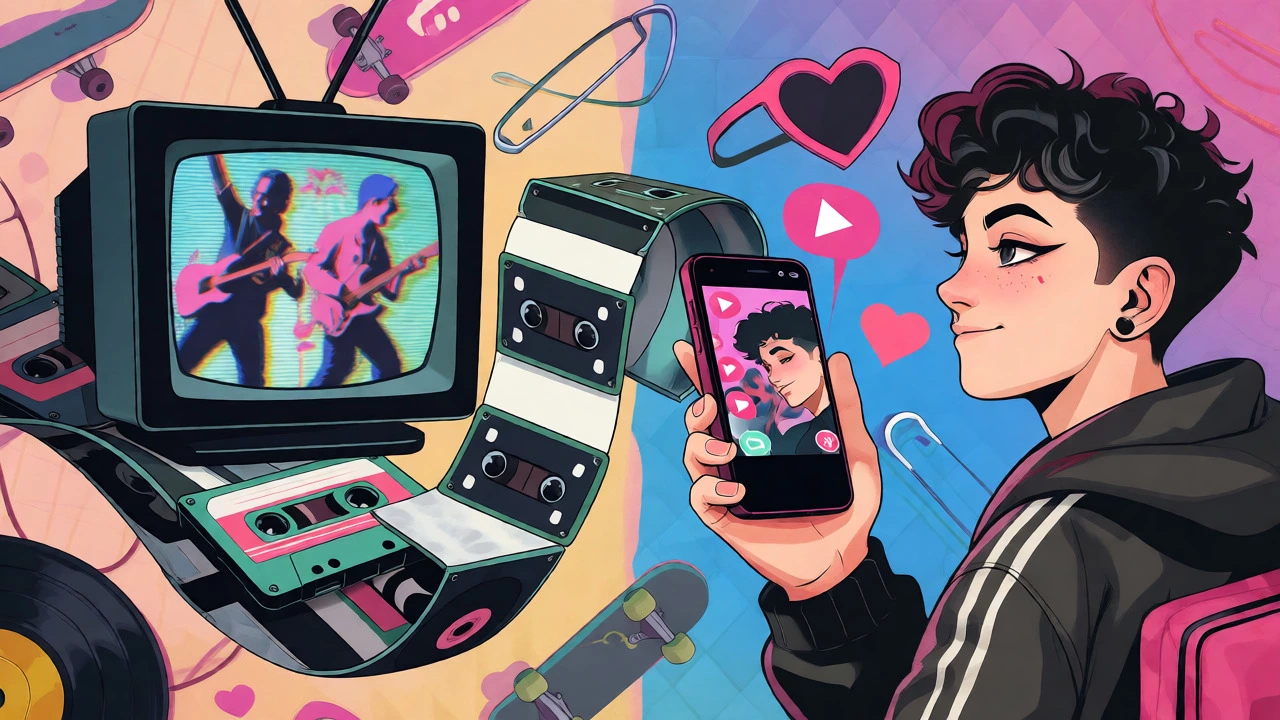
Today, we are living in the long tail of that 1990s moment. The term "long tail" refers to the sustained demand for products that are no longer mainstream hits but still have dedicated audiences. For pop punk, this means anniversary tours, deluxe reissues, and viral revivals.
In the 2010s and 2020s, a new generation discovered these classics through streaming platforms. Artists like Machine Gun Kelly and Olivia Rodrigo openly cite Blink-182 and Green Day as primary influences, bringing pop punk elements back into the top charts. The aesthetic has returned too: checkered vans, skinny jeans, and eyeliner are back in fashion. This isn’t just nostalgia; it’s a recognition that the emotional language of 90s pop punk remains relevant.
Streaming data supports this. Songs like "Basket Case" and "All the Small Things" consistently pull in millions of monthly streams. Vinyl sales for these classic albums remain strong, appealing to collectors who value physical ownership. The infrastructure built in the 90s-major label support, touring networks, and media saturation-created a foundation so solid that it continues to support new artists and sustain old ones decades later.
Why It Matters Now
Punk’s 1990s mainstream moment wasn’t just a blip on the radar. It fundamentally changed how the music industry operates. It proved that youth culture drives markets. It showed that independent labels could compete with giants. And it established a template for blending aggression with melody that still dominates rock today.
If you’re looking for a reason why modern rock sounds the way it does, look no further than 1994. The choices made by Green Day, The Offspring, and Blink-182 didn’t just fill stadiums; they shaped the sonic palette of the next thirty years. Whether you love it or hate it, you can’t ignore its footprint. The long tail of pop punk is still growing, dragging along new listeners and new interpretations with every passing year.
What started the mainstream success of pop punk in the 1990s?
The release of Green Day's album Dookie in February 1994 is widely credited as the catalyst. Its massive commercial success, driven by singles like "Basket Case," proved that punk-derived music could achieve multi-platinum sales and dominate MTV rotation, opening the floodgates for other bands.
How did The Offspring contribute to the pop punk boom?
The Offspring's 1994 album Smash sold approximately 11 million copies worldwide, making it the best-selling album ever released on an independent label (Epitaph Records) at the time. It demonstrated that punk's mainstream appeal wasn't limited to major-label acts, providing a viable alternative path for indie bands.
What role did Warped Tour play in pop punk's longevity?
Founded in 1995, Warped Tour served as a crucial mobile platform for launching new pop punk artists. By featuring both legacy punk acts and rising stars, it continuously introduced the genre to new generations of teenagers, sustaining interest and creating a pipeline of fans and musicians even as radio trends shifted.
Why was Green Day banned from 924 Gilman Street?
The collective running the iconic all-ages venue 924 Gilman Street in Berkeley banned Green Day after they signed with Reprise Records, a major label subsidiary. The venue's strict anti-corporate policy viewed the major-label deal and subsequent commercial success as a betrayal of the DIY punk ethos.
Is pop punk experiencing a revival in the 2020s?
Yes, pop punk has seen a significant resurgence in the 2020s. Artists like Olivia Rodrigo and Machine Gun Kelly have incorporated pop punk elements into their music, citing 90s bands as key influences. Additionally, classic albums continue to perform well on streaming platforms and vinyl charts, indicating sustained cultural relevance.