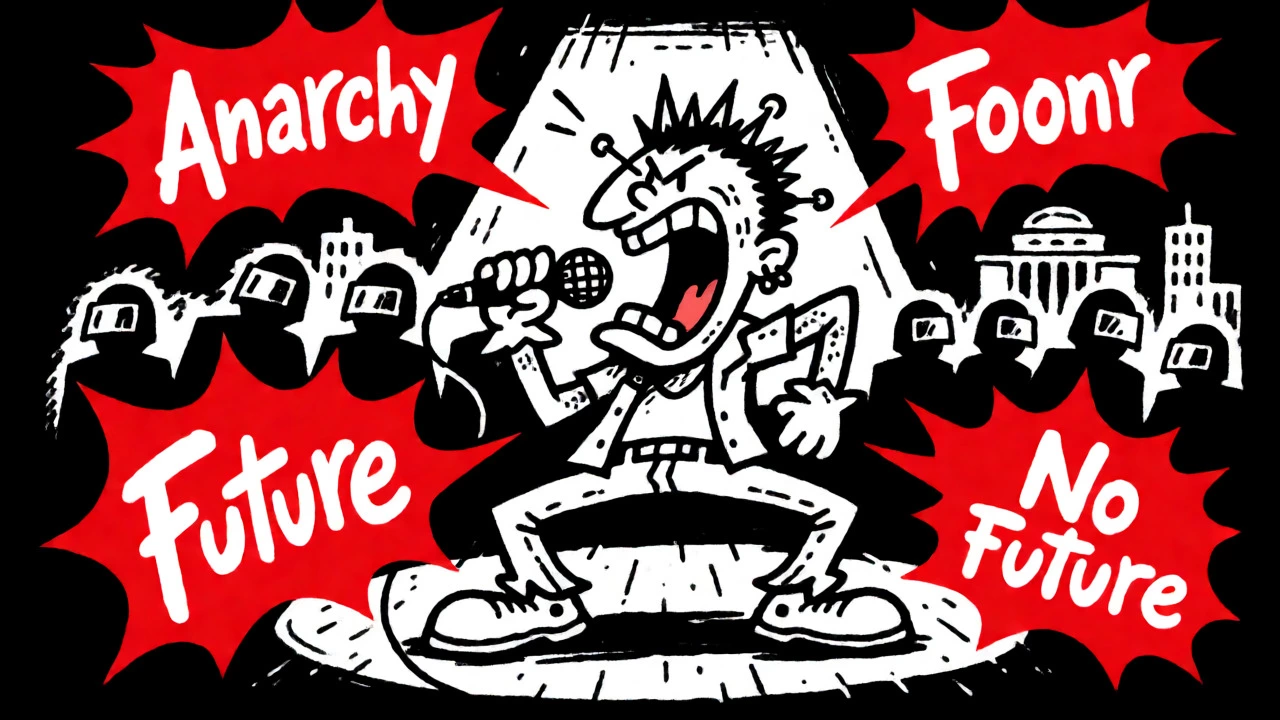

You know that feeling when you hear a song and it hits you right in the gut? For punk fans in the early 1980s, that hit was usually a sledgehammer aimed at the government. By the end of the decade, it felt more like a quiet conversation with a friend about why you couldn't sleep at night. What happened in between? The punk lyrics of the 1980s didn't just change style; they changed who we were allowed to be angry at and how we expressed that anger.
If you grew up listening to Dead Kennedys or Black Flag, you remember the shouting. It was loud, fast, and directed outward. But as the Reagan era dragged on, something shifted. The enemy wasn't just "the system" anymore. Sometimes, the enemy was your dad, your landlord, or the mirror. This article breaks down how punk went from collective protest to individual confession without losing its teeth.
The Early 80s: Screaming at the State
In 1980, punk lyrics were weapons. They weren't trying to make you feel better; they were trying to wake you up. Bands like The Sex Pistols had already set the stage in the late 70s, but by 1980, American hardcore punk took that energy and cranked it to eleven. Think about D.R.I.'s 1983 track "I Don’t Need Society." The lyrics don't ask for policy changes. They scream, "Fuck the system, they can have me." It’s blunt. It’s direct. And it’s entirely political.
Why so political? Well, look at the news. Ronald Reagan took office in January 1981. The Cold War was heating up. Unemployment was high. Young people felt trapped. So, bands like Social Distortion wrote songs like "Mommy’s Little Monster," which rejected the idea that success meant becoming a rich lawyer. Mike Ness sang about not wanting to "get fat and rich." That sounds personal, right? But in 1983, rejecting middle-class ambition was a political act. It was a refusal to participate in what many saw as a corrupt economic machine.
David Laing, a scholar who analyzed these lyrics back in 1986, noted that this era relied on short lines and repetition. You could shout along easily. The goal was unity. When you screamed "No Future" or "Anarchy," you weren't talking about your breakup. You were talking about society. The lyrics were slogans because the problems felt too big for one person to solve alone.
The Clash and the Blurring Lines
Not everyone stayed in the slogan camp. The Clash showed us earlier that you could tell a story and still be political. Take their 1980 single "Bankrobber." The singer talks about his father, a bank robber who "never hurt nobody." It’s a family story. But then the old man says, "A lifetime serving one machine is ten times worse than prison." Boom. Suddenly, your job feels like a cage. The personal story reveals the political trap.
This was a crucial step. It proved that you didn't need to name-drop politicians to critique capitalism. You just needed to show how it messed with real lives. This approach opened the door for the later part of the decade, where the focus would shift even further inward.
Anarcho-Punk: Politics in the Kitchen
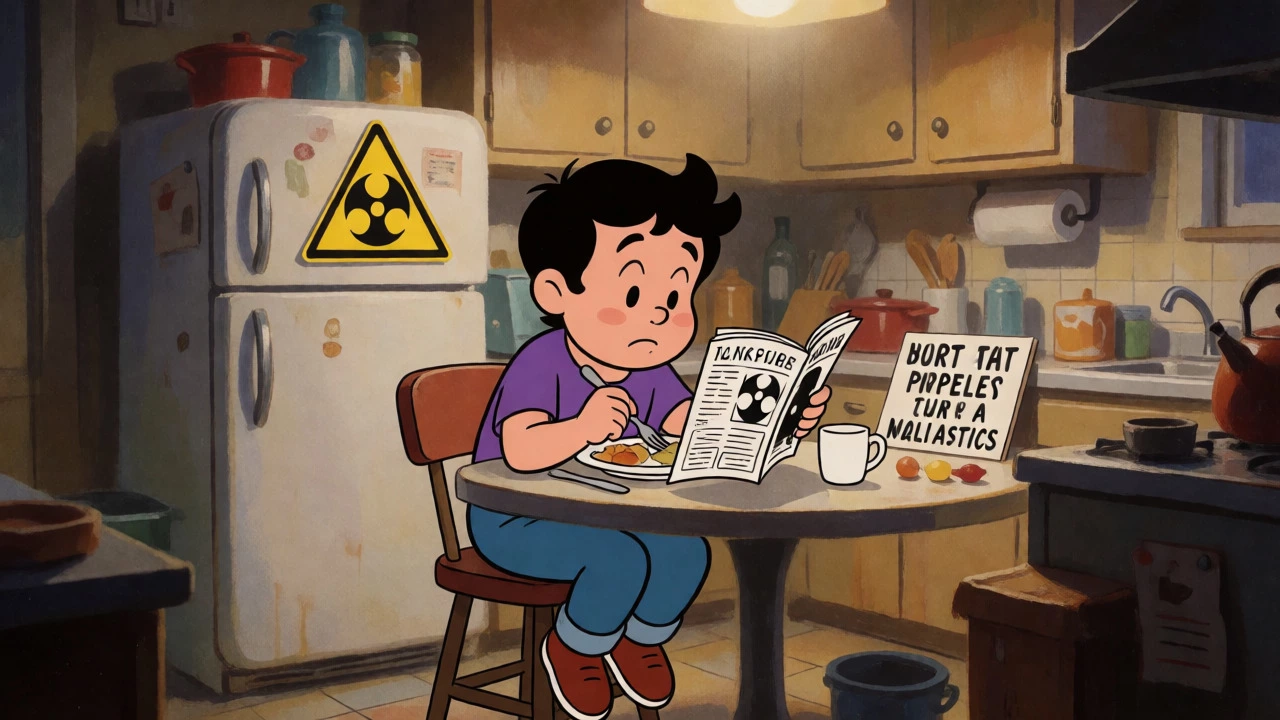
While hardcore bands were screaming about police brutality, another wave was brewing in the UK. Crass and Conflict pioneered anarcho-punk. Their lyrics were still deeply political, covering nuclear war, animal rights, and feminism. But they started framing these issues through daily life.
Gerfried Ambrosch, a researcher who studied punk ideology, points out that anarcho-punk treated everyday choices-what you eat, how you treat women, where you live-as political acts. If you’re vegetarian because you oppose corporate farming, that’s a political statement made in your kitchen. This was "micro-politics." It suggested that if you couldn't fix the world, you could at least clean up your own corner of it. This mindset laid the groundwork for the personal turn. If my diet is political, then my feelings are political too.
The Mid-80s Shift: Turning Inward
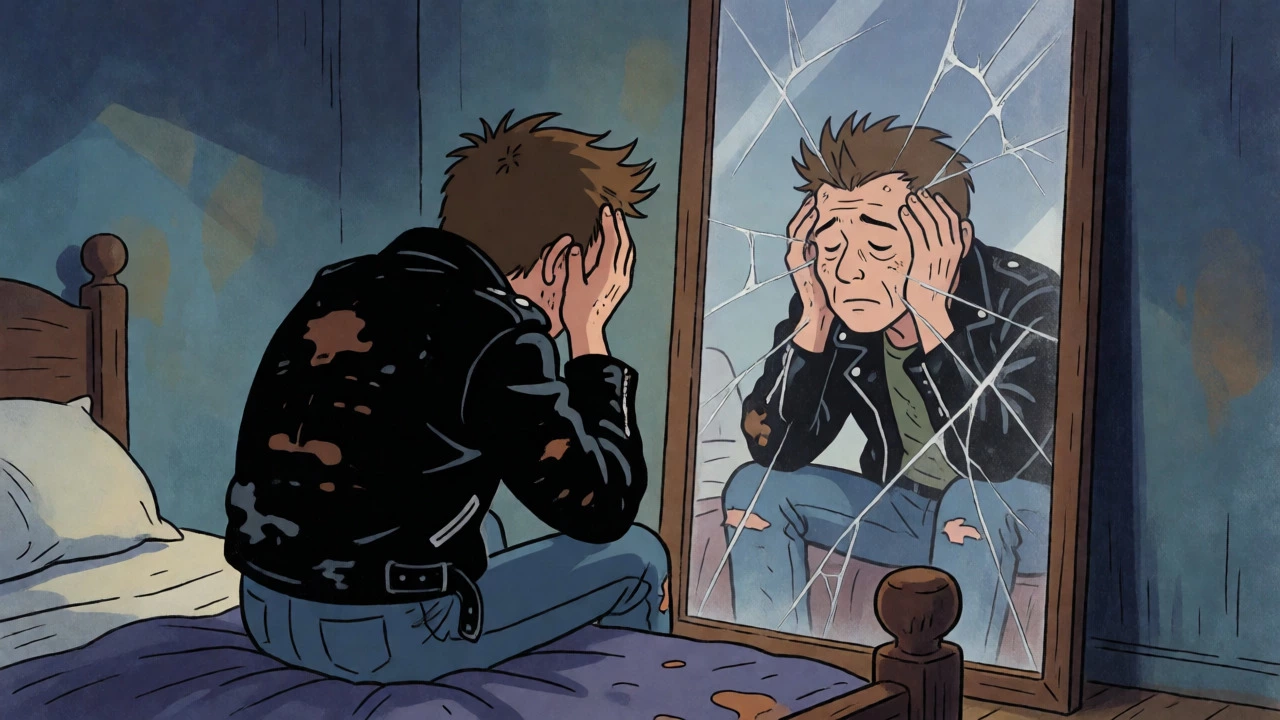
By 1984, things started to get quieter. Not musically-hardcore was still fast-but lyrically. The initial rush of rebellion faded. Many punks were getting older. The novelty of spitting at strangers wore off, replaced by the reality of rent checks and dead-end jobs. The music began to reflect a growing sense of isolation.
Post-punk and melodic hardcore bands started exploring mental health, loneliness, and failed relationships. Where a 1982 song might blame "the system" for your misery, a 1986 song might describe the specific ache of being misunderstood by your parents or partner. This wasn't necessarily a retreat from politics. It was a recognition that political structures invade our private spaces. Your depression isn't just chemical; it’s also caused by a society that demands you work 50 hours a week for barely enough money to survive.
| Era | Primary Focus | Lyrical Style | Example Band/Song |
|---|---|---|---|
| Early 1980s (1980-1983) | External Authority (Police, State, Military) | Slogans, Direct Attacks, Collective Voice | D.R.I. - "I Don’t Need Society" |
| Mid 1980s (1984-1986) | Everyday Life & Micro-Politics | Narrative, Character-Driven, Hybrid | Crass - Various Anarcha-Feminist Tracks |
| Late 1980s (1987-1989) | Internal Struggle (Mental Health, Relationships) | Introspective, Confessional, Metaphorical | Hüsker Dü / Minor Threat Influence |
Is Personal Still Political?
Critics often say punk lost its edge when it started singing about love and sadness. They argue that focusing on yourself is selfish. But look closer. A 2025 analysis of American punk lyrics suggests that these personal stories actually strengthened the political message. When a singer describes their anxiety, they aren't ignoring the world. They're showing how the world crushes individuals.
Consider NOFX, a band that formed in the mid-80s. Their song "Ronnie and Mags" looks back at Reagan and Thatcher. It lists foreign policy disasters-the Falklands War, supporting apartheid in South Africa. But it’s written with sarcasm and weariness, not just rage. It acknowledges that these political decisions shaped the personal lives of the generation coming of age. The political history becomes the backdrop for personal disillusionment.
Feminist themes also played a role here. While early hardcore was often hyper-masculine, the late 80s saw more nuanced discussions of gender. Some lyrics challenged traditional roles, while others inadvertently reinforced them. But the mere inclusion of emotional vulnerability in male-fronted bands was a disruption of the tough-guy stereotype. It said, "It’s okay to be broken by this system."


