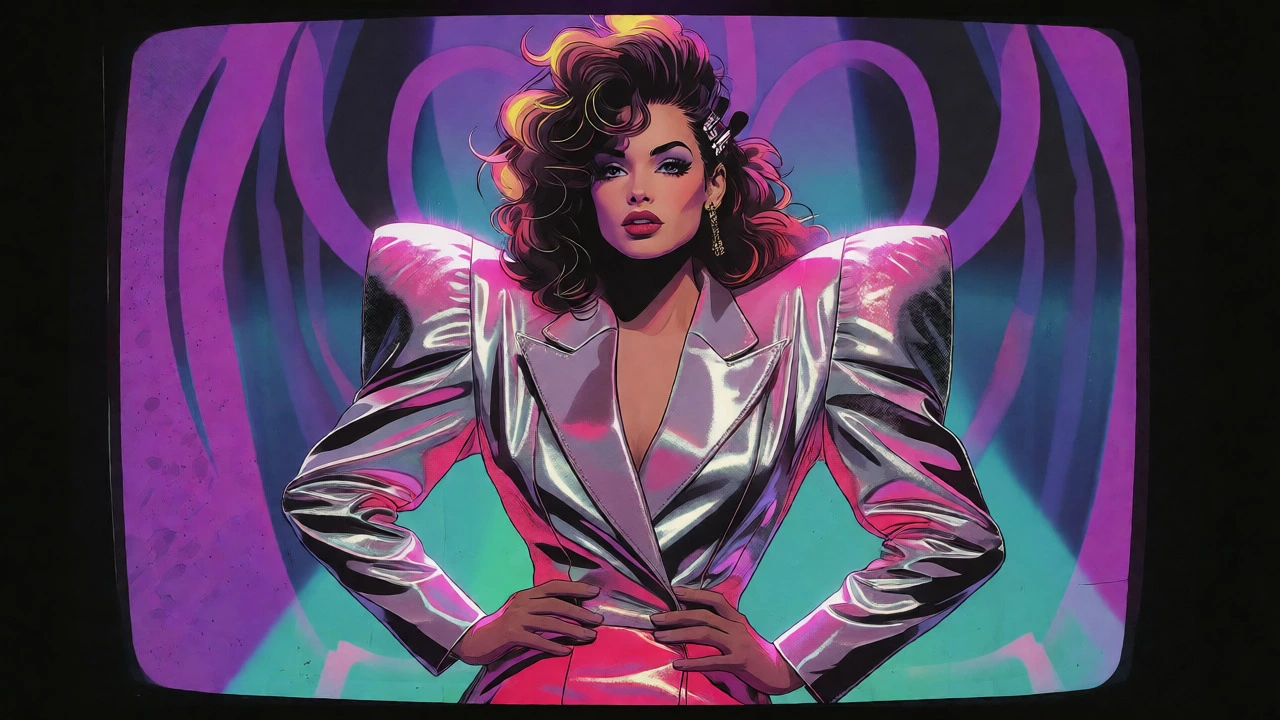

Imagine turning on your TV in 1984. The screen flickers to life, and there is Madonna, an American singer who became a global icon by blending pop sensibilities with provocative visuals. But she isn’t just singing; she is wearing a silhouette that looks like it could block out the sun. Broad, boxy shoulders stretch wide, creating a frame that screams authority, confidence, and a touch of theatrical madness. This wasn't just a trend; it was a statement. For female musicians in the 1980s, the power suit with shoulder pads became the ultimate uniform for claiming space in a male-dominated industry. It merged the corporate boardroom aesthetic with the high-octane energy of MTV.
From Boardrooms to Backstages
The term "power dressing" didn't appear out of nowhere. Linguist John Ayto recorded its first print usage in 1980, describing a "smart, efficient look" for executive women. Initially, this style belonged to politicians like Margaret Thatcher and business leaders who needed to project strength in professional spaces. But fashion has a way of bleeding into culture. By the time Dynasty hit screens in 1981, characters like Joan Collins were wearing exaggerated padded shoulders that made them look larger than life. Female performers saw this visual language and adapted it. They took the structured blazer and the sharp lapel but swapped conservative wool for satin, metallic blends, and neon synthetics. The goal? To match the volume of their synthesizers and the scale of their stage productions.
The Architecture of Authority
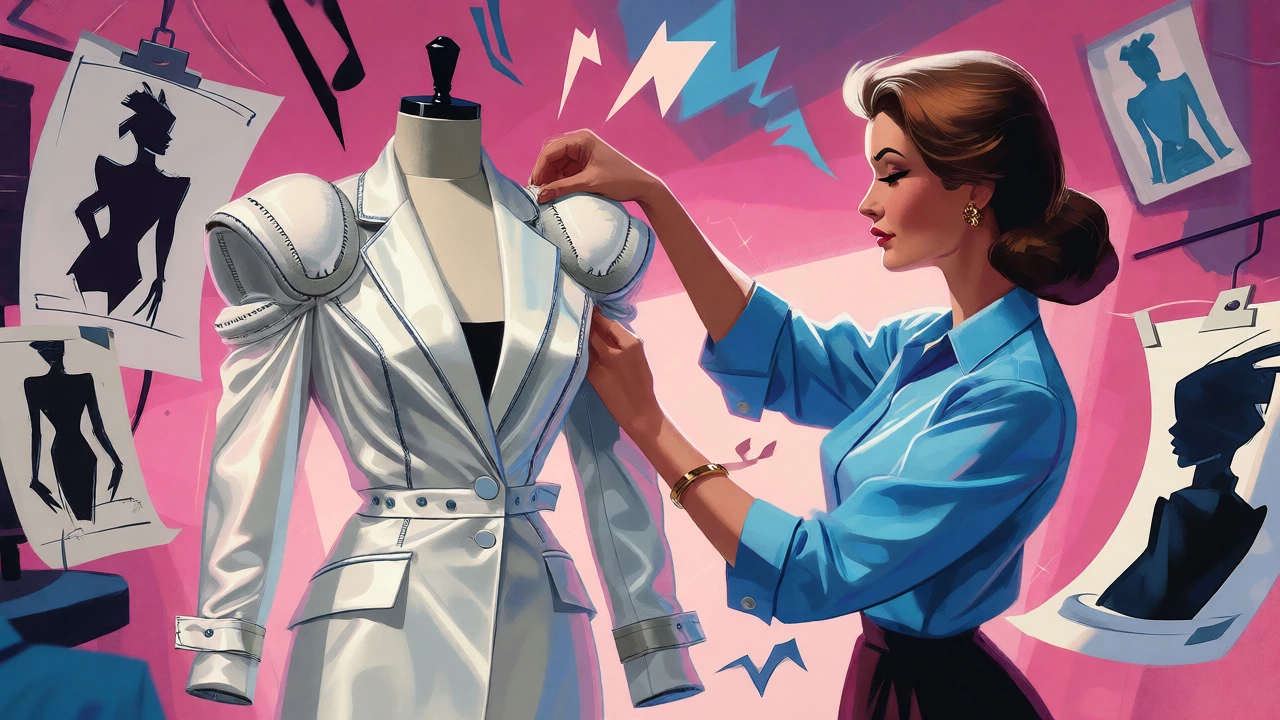
What exactly made these suits so impactful? It came down to geometry. Designers like Claude Montana pioneered architectural shoulders that physically widened the wearer’s upper body. In the context of music videos, which often used a 4:3 aspect ratio, this width filled the frame. It forced the viewer to look at the artist as a dominant figure. Construction details varied, but many garments featured Velcro or popper mechanisms inside the shoulder seams. This modular design allowed stylists to swap pad sizes quickly. A performer might wear subtle padding for a daytime interview but snap in massive foam inserts for a nighttime concert. This flexibility meant that even mid-tier acts with smaller budgets could achieve a commanding presence without commissioning custom couture every week.
| Element | Description | Purpose in Music Fashion |
|---|---|---|
| Shoulder Pads | Foam or fabric inserts, often detachable via Velcro. | Created a broad, authoritative silhouette visible from a distance. |
| Silhouette | Boxy jackets with nipped waists and peplum details. | Enhanced the hourglass shape while projecting strength. |
| Materials | Satin, metallic blends, synthetic fabrics. | Reflected stage lights and added theatrical flair. |
| Layering | Oversized blazers over leggings, bras, or bodysuits. | Mixed corporate structure with punk and street-style edge. |
Icons Who Wore the Armor
You cannot talk about this era without mentioning Grace Jones. Her style was less about corporate mimicry and more about avant-garde sculpture. She wore tailored blazers with shoulders so sharp they looked dangerous, challenging traditional notions of femininity. Then there was Annie Lennox, whose androgynous look combined oversized shirts with pronounced shoulders to blur gender lines entirely. On the other end of the spectrum, Cyndi Lauper mixed colorful chaos with structured jackets, proving you could be playful and powerful simultaneously. Even artists like Syreeta Wright adopted the silhouette, pairing silky pantsuits with parachute pants to maintain relevance in the shifting visual landscape of the decade.
Feminism, Fantasy, or Just Fun?
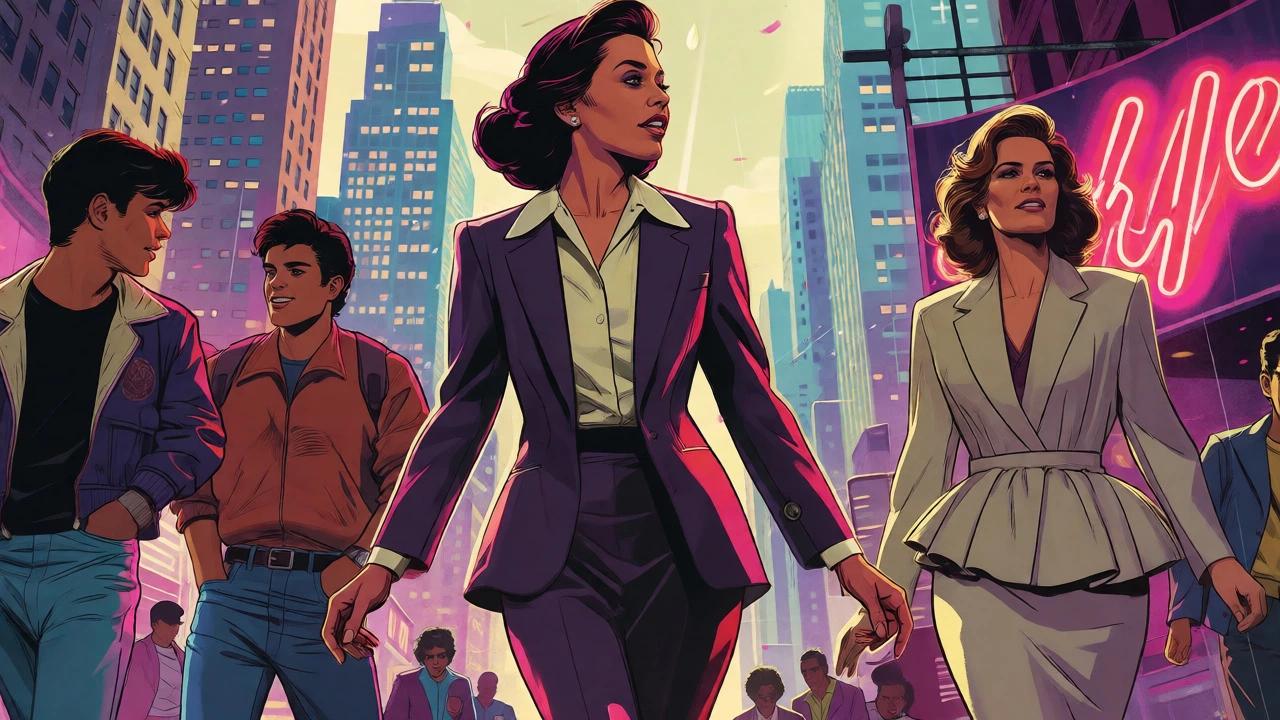
Interpretations of why women wore these suits vary widely. Some historians argue it was a feminist act-a way for women to visually claim the same space as men in politics and business. Others suggest it was purely aesthetic, designed to make the waist look smaller by widening the shoulders, thus exaggerating the hourglass figure. For musicians, it was likely a mix of both. The music industry was heavily male-controlled, and adopting the visual codes of power helped female artists assert professionalism. Yet, the sheer excess of the styles also reflected the decade’s love for spectacle. It wasn't just about looking like a CEO; it was about looking like a star. The ambiguity allowed artists to play with identity, using the suit as a canvas for rebellion rather than strict conformity.
Legacy and Modern Revival
By the early 1990s, the aggressive shoulders began to fade as minimalism took hold. However, the cultural footprint remained. Today, we see echoes of this style in modern pop stars like Dua Lipa and Lady Gaga, who reference 1980s aesthetics in their videos and tours. The power suit has become a nostalgic symbol of confidence and theatricality. While few women wear full padded suits to the office now, the concept of dressing for impact lives on. Understanding this trend helps us appreciate how fashion served not just as decoration, but as a strategic tool for female empowerment in the entertainment industry.
Why did shoulder pads become popular in the 1980s?
Shoulder pads surged in popularity due to the rise of "power dressing," a style associated with women entering high-level professional roles. Television shows like Dynasty and political figures like Margaret Thatcher popularized the broad-shouldered silhouette as a symbol of authority and confidence.
How did musicians adapt corporate power suits for the stage?
Musicians replaced conservative fabrics like wool with shiny satins, metallics, and neon synthetics. They often layered oversized blazers over revealing tops or leggings, blending corporate structure with punk and street-style elements to create visually striking performance outfits.
Were shoulder pads removable?
Yes, many 1980s garments featured Velcro or popper fasteners inside the shoulder seams. This allowed wearers to insert or remove pads of varying thicknesses, enabling quick adjustments to the silhouette for different occasions or camera framings.
Which female musicians are famous for wearing power suits?
Iconic figures include Grace Jones, Annie Lennox, Madonna, Cyndi Lauper, and Syreeta Wright. Each artist used the silhouette differently, ranging from Grace Jones' avant-garde androgyny to Cyndi Lauper's colorful eclecticism.
Is the 1980s power suit still worn today?
While not everyday office wear, the power suit has seen a revival in fashion and music. Contemporary artists and designers often reference the exaggerated shoulders and structured silhouettes of the 1980s as symbols of retro empowerment and theatrical style.


