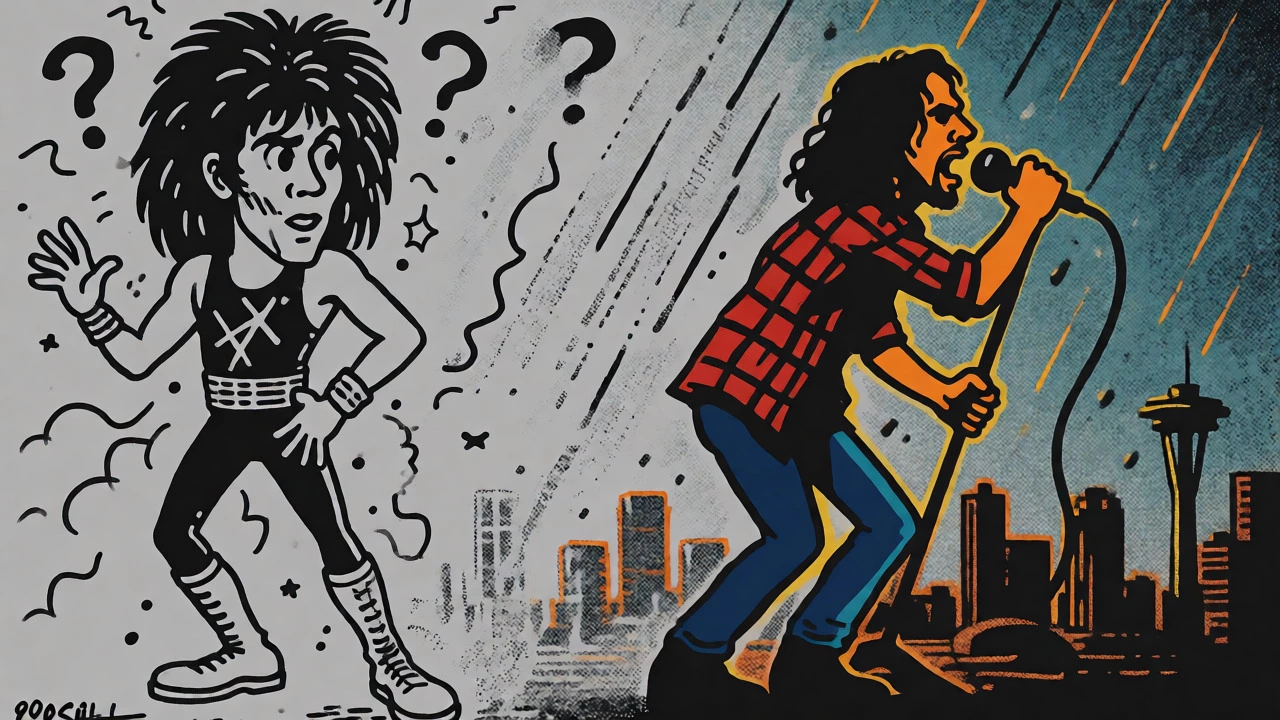

Imagine filling a stadium with 20,000 people who hate stadiums. That was the paradox of Pearl Jam's debut album, Ten. Released on August 27, 1991, just weeks before Nirvana's Nevermind, this record didn't just ride the wave of the grunge movement; it fundamentally changed what large-scale rock music could say and who it was for. While other bands were busy deconstructing rock into noise, Pearl Jam took the massive sound of 1970s arena rock-the big riffs, the soaring solos, the communal choruses-and stripped away the excess. They kept the power but ditched the party hats. The result was an album that sold over 13 million copies in the US alone, proving that you could be vulnerable, socially conscious, and still command an arena-sized audience.
The Death of Hair Metal and the Rise of Earnestness
To understand why Ten mattered, you have to look at what came before it. By 1990, arena rock was synonymous with hair metal. Think spandex, hairspray, songs about cars and girls, and a general vibe of hedonistic excess. It was loud, flashy, and often emotionally hollow. Then came Seattle. In March 1990, Andrew Wood, the charismatic frontman of Mother Love Bone, died of a heroin overdose. His death shattered the local scene, leaving guitarists Stone Gossard and bassist Jeff Ament without a band.
They started jamming with guitarist Mike McCready and drummer Dave Krusen. When they sent demo tapes to San Diego, a young surfer named Eddie Vedder listened to them, wrote lyrics inspired by his own painful childhood, and flew to Seattle to sing. This wasn't a band trying to get famous; it was a group of grieving friends trying to process trauma. Their approach was radically different from the polished production of the late 80s. They recorded Ten quickly, aiming for a raw, live feel rather than studio perfection. This authenticity became their superpower.
Reclaiming the Chorus: Musical Architecture of Ten
Critics often labeled Pearl Jam as "classic rock" because they loved Bruce Springsteen, The Who, and U2. But they weren't copying these bands; they were recontextualizing them. Songs like "Even Flow" and "Alive" feature huge, distorted guitar riffs and extended instrumental breaks that would feel right at home in a 1975 stadium show. However, the lyrics told a completely different story.
| Feature | 1980s Hair Metal | Pearl Jam (Ten Era) |
|---|---|---|
| Lyrical Themes | Partying, sex, fantasy, triumph | Trauma, isolation, social issues, doubt |
| Visual Image | Spandex, makeup, leather | Flannel, jeans, unkempt hair |
| Audience Role | Consumers of spectacle | Community participants |
| Production Style | Polished, layered, glossy | Raw, direct, room-focused |
Take "Jeremy," for example. The song is built around a heavy, chugging riff that demands attention, but the subject matter-a school shooting in Richardson, Texas-was dark and disturbing. MTV played the video on repeat, forcing mainstream audiences to confront adolescent violence while headbanging. This fusion of accessible musical hooks with serious emotional weight allowed Pearl Jam to bridge the gap between underground credibility and mass appeal. They proved that you didn't need to dumb down your message to fill a venue.
The Ticketmaster War: Ethics in the Arena
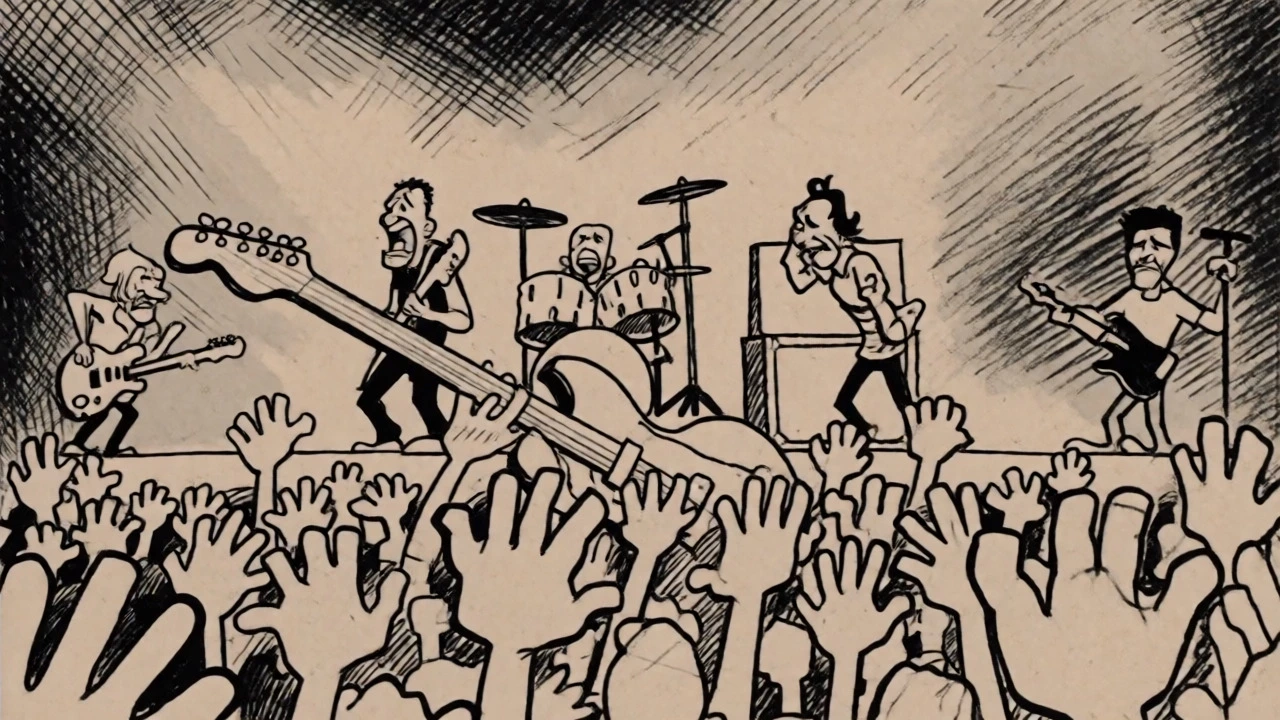
If Ten reinvented the sound of arena rock, Pearl Jam later tried to reinvent its business model. As their popularity exploded, so did the cost of seeing them live. By 1994, ticket prices were soaring, driven largely by fees charged by Ticketmaster. The band saw this as a betrayal of their working-class ethos. They wanted tickets to stay around $18, but Ticketmaster's fees pushed prices much higher.
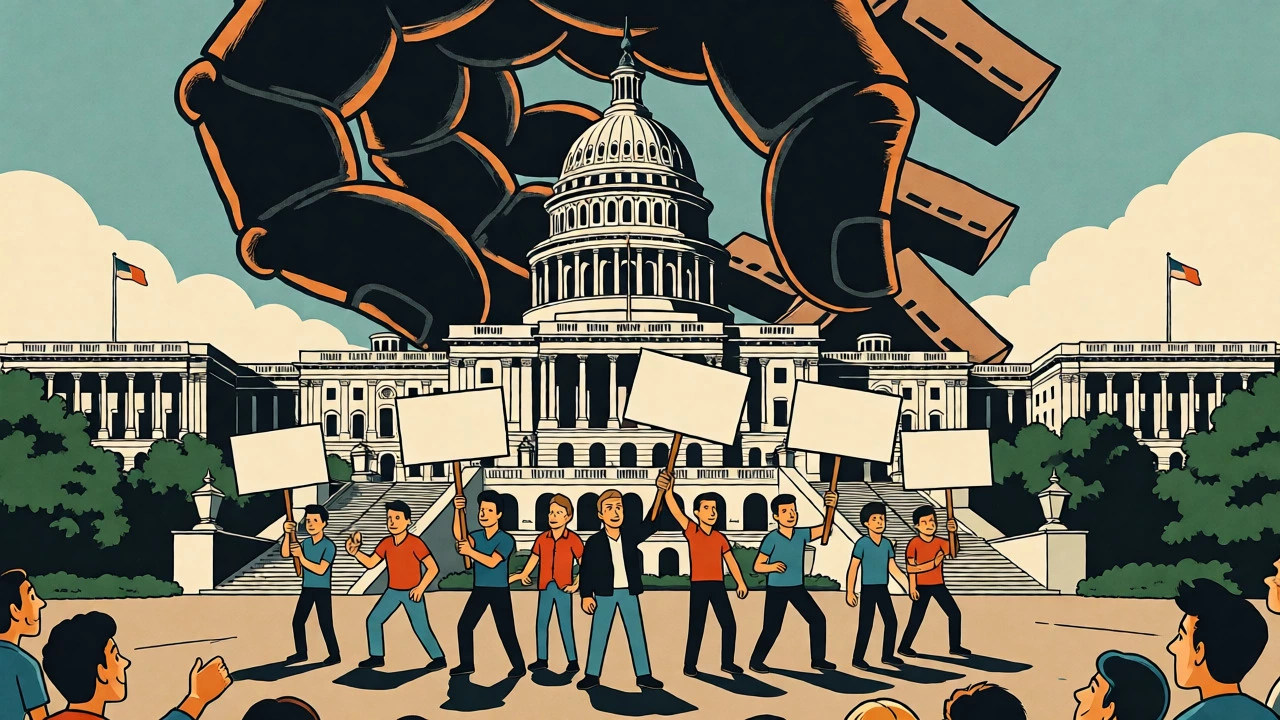
This led to one of the most bizarre moments in rock history: Pearl Jam testified before a House subcommittee in June 1994. They accused Ticketmaster of monopolistic practices that hurt fans. The band attempted to tour independently, bypassing Ticketmaster venues. It was a logistical nightmare. Many venues refused to book them due to exclusive contracts, leading to canceled shows and chaotic logistics. Ultimately, the experiment failed operationally, and the Justice Department dropped its investigation. But the gesture mattered. It showed that an arena rock band could challenge the corporate machinery behind their success. They weren't just passive products; they were active critics of the industry that sold them.
Why Ten Outlasted Nevermind
Nirvana's Nevermind gets all the credit for killing hair metal, and rightly so. Kurt Cobain's abrasive punk energy was the shock therapy the genre needed. But Ten was the rehabilitation. It offered a path forward for musicians who loved big guitars and big drums but hated the culture surrounding them. By 1996, Ten had sold more copies in the US than Nevermind. Why? Because it was more durable. You can listen to Nevermind once and feel blown away, but Ten invites repeated listening. Its melodies are stickier, its structures more traditional, and its themes more universal.
The album also benefited from incredible longevity in touring. Unlike many grunge peers who struggled with addiction or internal conflict, Pearl Jam remained a cohesive touring unit for decades. Every night, they played "Black" or "Porch" to crowds that had grown up with the album. This created a feedback loop: the album stayed relevant because the band kept playing it, and the band stayed popular because the album remained a cultural touchstone. It became less of a relic and more of a living document of 90s angst.
The Legacy of Vulnerable Masculinity
Perhaps the biggest shift Pearl Jam introduced was in how men expressed emotion in rock music. Before Ten, male rock stars were expected to be tough, detached, or arrogant. Eddie Vedder sang about crying, feeling lost, and struggling with family dynamics. He wore his heart on his sleeve, literally and figuratively. This opened the door for a generation of listeners to connect with rock music not just as rebellion, but as empathy.
Today, when we see artists like Chris Stapleton or Hozier blending soulful vulnerability with rock instrumentation, we're hearing echoes of what Pearl Jam pioneered. They didn't destroy arena rock; they humanized it. They showed that a 20,000-person crowd could sit in silence during a ballad and scream together during a chorus, united by shared pain rather than shared partying.
Did Pearl Jam invent grunge?
No, grunge existed in Seattle's underground scene before Pearl Jam formed. Bands like Green River, Mudhoney, and Soundgarden helped define the sound. However, Pearl Jam, along with Nirvana, brought grunge to a global mainstream audience. Pearl Jam specifically bridged the gap between grunge's aesthetic and classic rock's musical traditions.
How many copies has Pearl Jam's Ten sold?
In the United States, the Recording Industry Association of America (RIAA) has certified Ten as 13-times platinum, meaning it has shipped over 13 million units. Worldwide estimates vary, but it is generally considered to have sold over 16 million copies globally.
Why did Pearl Jam fight Ticketmaster?
Pearl Jam opposed Ticketmaster's high service fees, which increased the cost of concert tickets for fans. They argued that Ticketmaster held a monopoly on major venues, limiting competition. In 1994, they testified before Congress and attempted to tour using non-Ticketmaster venues, though this strategy proved logistically difficult.
What is the connection between Andrew Wood and Pearl Jam?
Andrew Wood was the vocalist for Mother Love Bone, the band featuring Pearl Jam members Stone Gossard and Jeff Ament. Wood's death from a heroin overdose in 1990 deeply affected the remaining members. Chris Cornell, Wood's friend, initiated the Temple of the Dog project to honor him, which further connected the musicians who would form Pearl Jam.
Is Ten considered a grunge album?
Yes, Ten is widely classified as a grunge album due to its release date, origin, and association with the Seattle scene. However, musically, it leans heavily into classic rock and hard rock influences, distinguishing it from the punk-influenced sounds of Nirvana or the heavier sludge of Alice in Chains.


