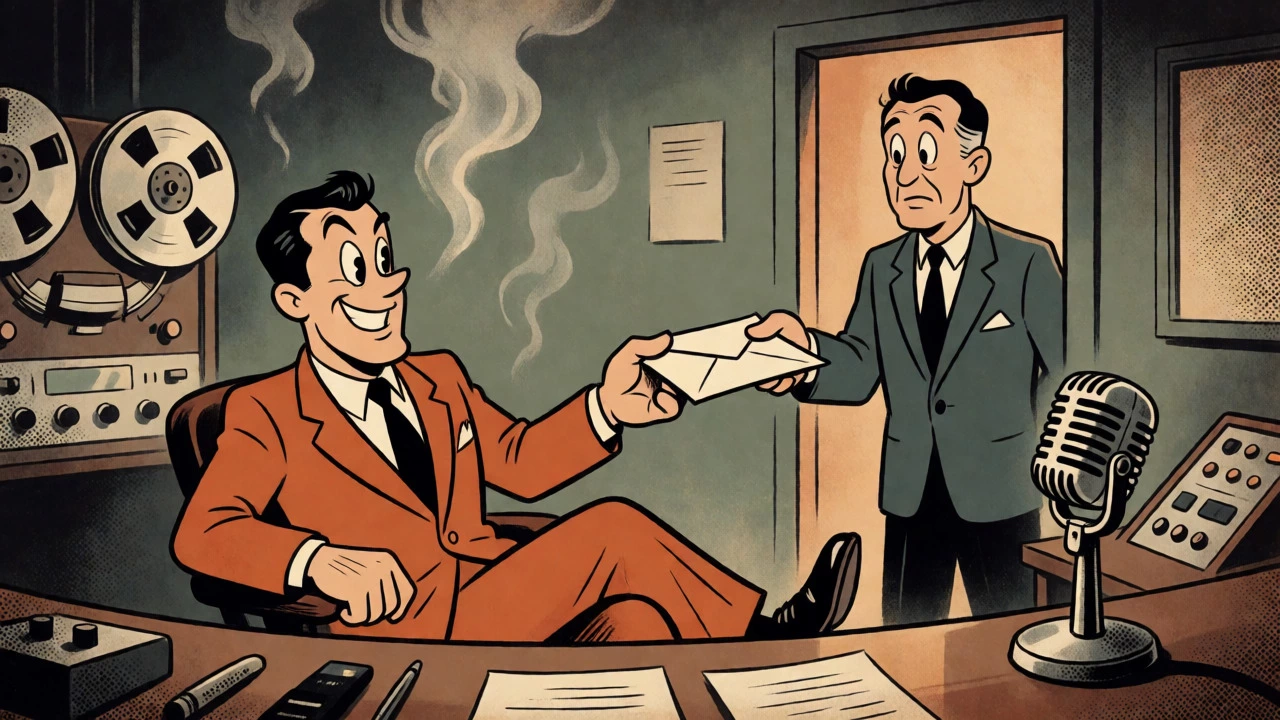

You turn on the radio during your morning commute, and a new pop hit is blasting. It’s catchy, sure, but have you ever wondered why it’s everywhere? Is it genuinely popular, or did someone pull strings behind the scenes? This question lies at the heart of payola, a term that describes the practice of paying for airplay without telling the listeners. For decades, this has been more than just industry gossip; it’s a legal minefield with roots stretching back to the mid-20th century.
The story isn’t just about shady deals in smoky backrooms anymore. Today, as we shift from terrestrial radio to Spotify playlists and TikTok trends, the ethical lines blur even further. But the core issue remains the same: transparency. When money changes hands to influence what you hear, does it matter if you know about it? Let’s unpack how payola evolved, where the law draws the line, and why modern streaming platforms are facing their own version of this old scandal.
What Exactly Is Payola?
At its simplest, payola is an illegal payment made to radio station personnel or programmers to play specific songs without disclosing the payment to the audience. The word itself is a portmanteau of "pay" and "Victrola," an early brand of record player. While it sounds like a relic of the 1950s, the concept is very much alive. It’s not just about handing cash to a DJ. It can involve gifts, trips, concert tickets, or complex marketing packages that effectively buy playlist placement.
It’s crucial to distinguish payola from legitimate advertising. If a record label buys commercial spots on a radio station, that’s legal. Listeners expect ads. But if the label pays the programmer directly to add a song to the rotation, and no announcement states that the segment is sponsored, that’s payola. The deception is the key element. Listeners assume the playlist reflects organic popularity or editorial choice, not a financial transaction.
A Brief History of Hidden Handshakes
Payola didn’t start yesterday. In the 1930s through the 1950s, radio was the primary gatekeeper of music culture. DJs had immense power. If they liked a track, it could become a national hit overnight. Record labels realized they could grease the wheels. By the late 1950s, congressional hearings exposed widespread corruption. Disc jockeys were accepting thousands of dollars annually-huge sums back then-in exchange for spins.
This led to significant regulatory changes around 1960. Congress amended the Communications Act to require sponsorship identification. Basically, if money changed hands, the station had to tell the public. This established the legal framework we still operate under today. However, enforcement has always been tricky because relationships between labels and stations are often informal and personal.
The Legal Framework: What Does the Law Say?
In the United States, the Federal Communications Commission (FCC) enforces strict rules regarding payola. The main statutes are Section 317 and Sections 507-508 of the Communications Act. These laws mandate that broadcasters disclose when program material is aired in exchange for money, services, or other valuable consideration.
If a station fails to make these disclosures, they face criminal penalties. We’re talking fines up to $10,000 per violation and potential imprisonment of up to one year. But don’t think it stops there. Civil penalties can be much higher, and stations risk losing their licenses. The FCC requires stations to make "reasonable efforts" to know if their employees or suppliers have received any consideration. This puts the burden on the broadcaster to police their own staff.
| Feature | Payola (Illegal) | Legitimate Promotion (Legal) |
|---|---|---|
| Disclosure | Hidden from listeners | Clearly identified as sponsored content |
| Recipient | Individual DJ, programmer, or employee | Station entity via official ad sales department |
| Payment Type | Cash, gifts, personal favors, undisclosed perks | Advertising fees paid to the station |
| Regulatory Body | FCC (Broadcast), FTC (Digital) | N/A (Standard business contract) |
The Modern Era: Sony BMG and the 2000s Scandals
Fast forward to the early 2000s. You might think the old-school cash-in-an-envelope days were over, but investigations revealed sophisticated systems. In 2005, New York Attorney General Eliot Spitzer launched a probe into major record labels. He found that companies like Sony BMG Music Entertainment were using independent promoters to funnel money to radio programmers.
Sony BMG eventually settled for $10 million. The investigation showed that executives offered plasma TVs, laptops, vacation packages, and direct cash bribes to secure airplay. They also used contest giveaways structured specifically to benefit station employees rather than actual listeners. This case highlighted that while the methods became more corporate, the intent remained the same: buying visibility.
Streaming Playlists: The New Payola?
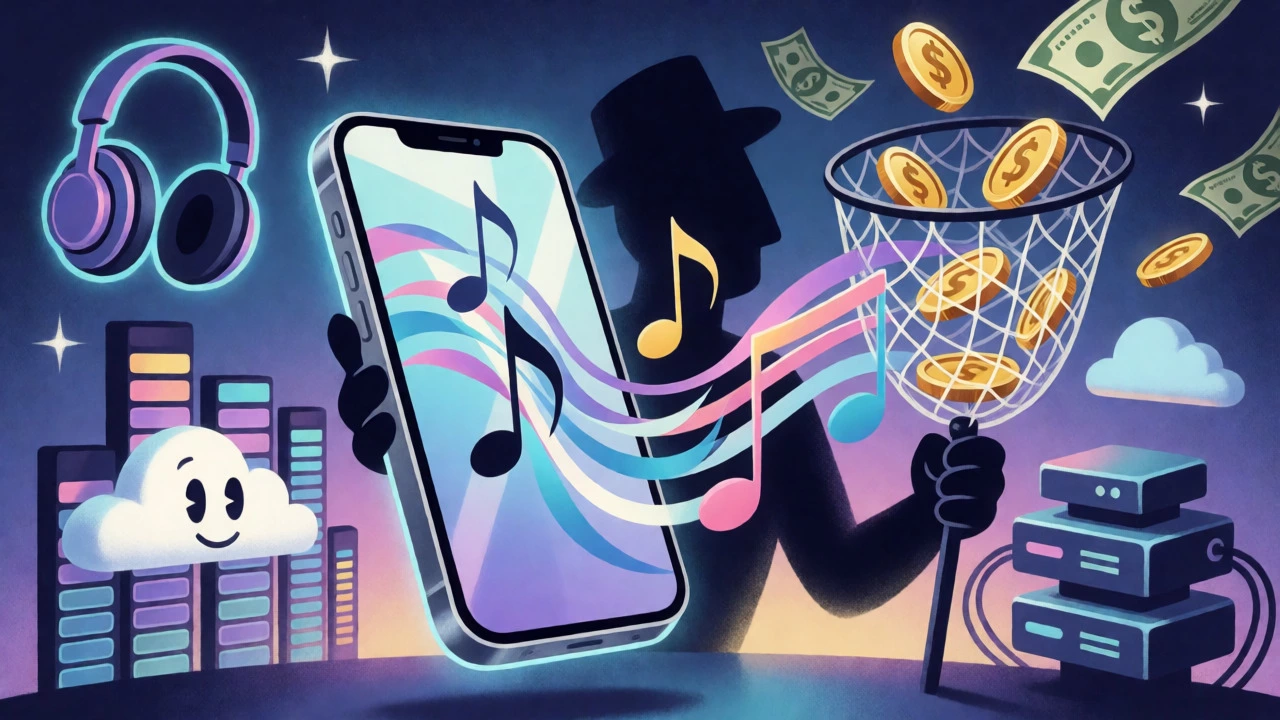
Today, fewer people rely solely on FM radio for discovery. Platforms like Spotify and Apple Music dominate. This shift has given rise to "playlist payola." Here, artists or labels pay curators to include their tracks in influential playlists. Unlike radio, there isn’t a single federal statute explicitly banning this in the same way, but platform terms of service do prohibit undisclosed compensation.
Spotify’s terms state that curators cannot accept compensation to influence playlist content. Yet, a gray market exists. Third-party services sell "playlist pitching" or "listening campaigns." Critics argue these are just rebranded payola. If a curator takes money to boost a song’s placement without telling users, it manipulates the algorithmic ecosystem just as effectively as a DJ taking a bribe did in 1955.
Influencers and the FTC Connection
The logic behind payola extends beyond audio. Think about social media influencers. If a celebrity posts a photo holding a soda, claiming they love it, but they were paid by the company, that’s a material connection. The Federal Trade Commission (FTC) regulates this under its Endorsement Guides.
The FTC requires clear and conspicuous disclosures like #ad or #sponsored. The principle mirrors FCC broadcast rules: audiences shouldn’t be deceived about the independence of the recommendation. Whether it’s a radio host playing a track or an influencer recommending a skincare product, hiding the financial tie undermines trust. The medium changes, but the ethical obligation to transparency stays constant.
Ethical Implications: Why It Matters
Why should you care? Beyond the legal fines, payola distorts the cultural landscape. It creates an uneven playing field. Independent artists without deep pockets struggle to compete against major labels that can afford extensive promotion networks. This isn’t just about fairness; it’s about diversity. If only well-funded acts get heard, our musical diet becomes homogeneous.
From an ethical standpoint, it violates the implicit contract between broadcaster and listener. We tune in expecting curated quality, not purchased inventory. When that expectation is betrayed, cynicism grows. Fans feel manipulated, and artists feel discouraged. It turns art into a commodity where exposure is bought, not earned.
Recent Developments: iHeartMedia and Live Events
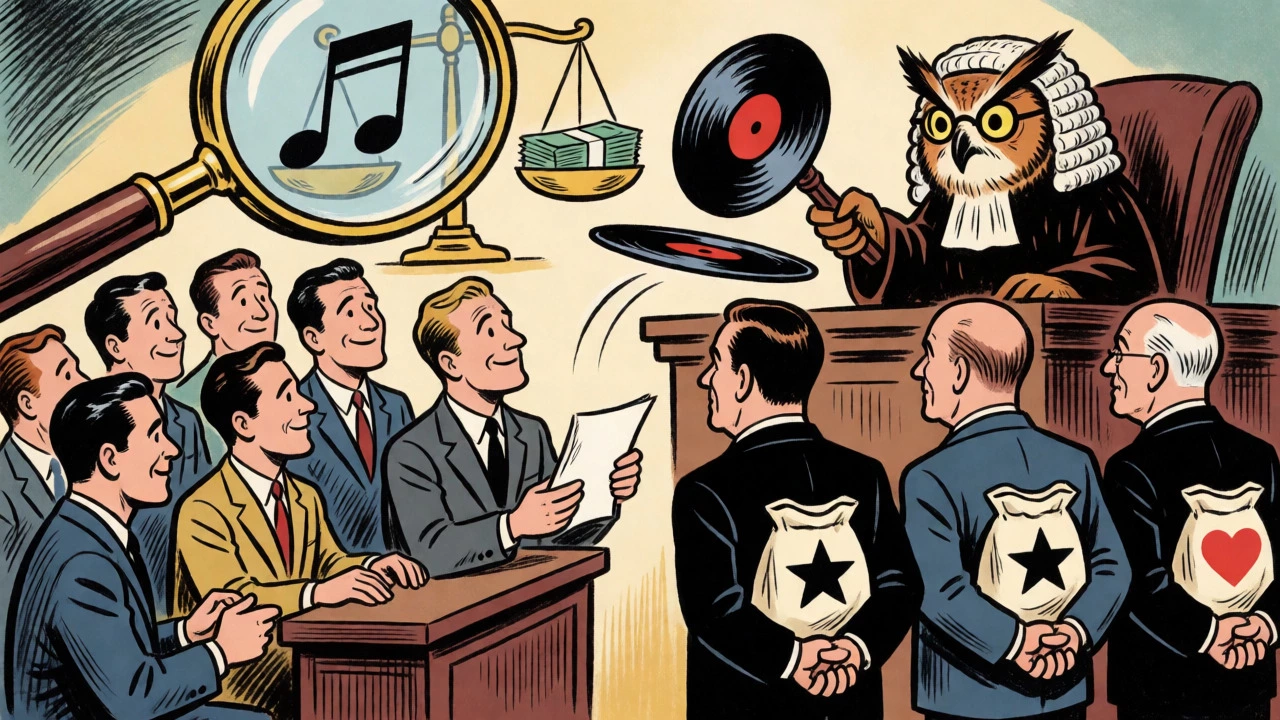
Even in 2026, regulators are watching closely. Recently, the FCC issued advisories regarding non-cash consideration. For instance, if an artist performs for free at a radio station’s festival, does that count as payment for airplay? Senator Marsha Blackburn raised concerns that stations might implicitly threaten reduced airplay if artists refuse to perform at discounted rates.
iHeartMedia, a giant in the industry, entered a consent decree with the FCC in July 2026. They agreed to enhance compliance procedures without admitting wrongdoing. This case underscores that "consideration" isn’t just cash. Free performances, exclusive interviews, and event branding can all act as currency in the airplay economy. Regulators are increasingly skeptical of bundled deals that obscure the true cost of exposure.
How Artists Can Navigate the Landscape
For musicians, understanding these boundaries is vital. Don’t fall for scams promising guaranteed radio spins for a fee unless it’s transparent advertising. Work with publicists who understand FCC rules. Document everything. If you’re working with a promoter, ensure their contracts clearly define whether payments are for services rendered or for specific outcomes that might trigger disclosure requirements.
- Read Contracts Carefully: Ensure there’s no hidden quid pro quo that violates sponsorship ID rules.
- Transparency is Key: If you’re paying for playlist placement, check if the curator discloses it.
- Diversify Strategy: Don’t rely solely on one channel. Use social media, live shows, and PR together.
Frequently Asked Questions
Is paying for radio airplay always illegal?
No. Buying commercial advertisements is legal. Payola becomes illegal when payment is made to individuals or programmers to influence editorial decisions (like playlist adds) without disclosing the sponsorship to the audience.
Who regulates payola in the US?
The Federal Communications Commission (FCC) regulates broadcast payola under the Communications Act. The Federal Trade Commission (FTC) regulates similar issues in digital endorsements and influencer marketing.
Does Spotify ban payola?
Spotify’s Terms of Service prohibit playlist curators from accepting compensation to influence playlist content. However, enforcement relies on contractual agreements rather than federal broadcasting laws, creating a different type of regulatory environment.
What are the penalties for payola violations?
Criminal penalties can include fines up to $10,000 per violation and up to one year in prison. Civil penalties can be significantly higher, and broadcasters may face license revocation or consent decrees requiring costly compliance reforms.
Can free performances count as payola?
Yes, potentially. If an artist performs for free or at a reduced rate at a station-hosted event, and this is done in exchange for increased airplay without proper disclosure, it may be considered "valuable consideration" under FCC rules.


