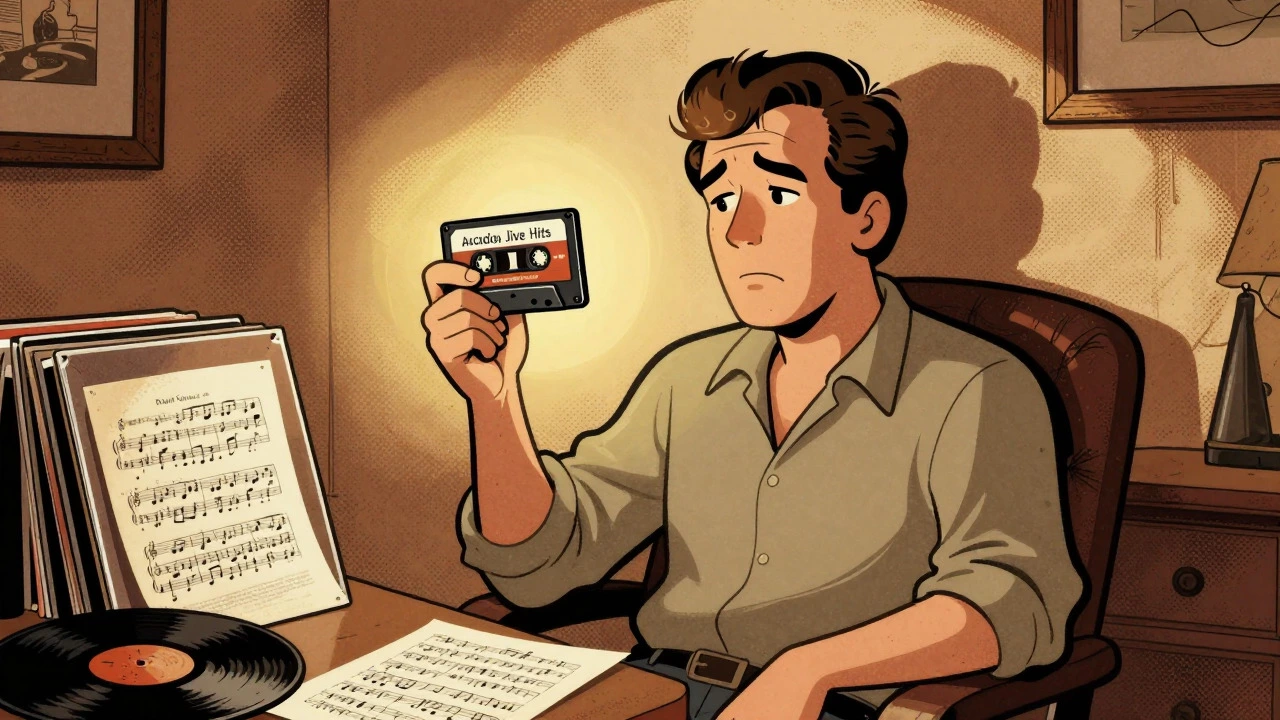

Imagine a pop star at the peak of his fame, struggling with creative burnout and a messy divorce, who decides to ignore a United Nations cultural boycott and fly to Johannesburg. That’s exactly what Paul Simon did in 1984. He wasn't looking for a vacation; he was looking for a sound. What he found on a bootleg cassette tape changed the landscape of Western popular music forever. This is the story of Graceland, an album that didn't just sell millions-it introduced an entire generation to the rhythms of South Africa.
The Cassette That Started It All
Before there were streaming algorithms suggesting "world music" playlists, there was a single cassette tape. In 1984, Norwegian-American musician Heidi Berg lent Paul Simon a copy of Accordion Jive Hits, Volume II. This compilation featured mbaqanga, a genre of South African township jive from the 1970s. For Simon, who had just experienced the commercial disappointment of his 1983 album Hearts and Bones, this tape was a revelation. The complex polyrhythms and vibrant melodies offered a stark contrast to the synth-heavy pop dominating the mid-80s airwaves. He didn't just listen to it; he dissected it. He wanted to know who was playing these instruments and how they created such infectious grooves. This curiosity led him to book a flight to South Africa, a move that would spark intense debate about ethics, politics, and artistic collaboration.
Breaking the Boycott in Apartheid-Era South Africa
You have to understand the political climate of 1985 to grasp why Simon’s trip was so controversial. The United Nations had endorsed a cultural boycott of South Africa since December 1980 to pressure the apartheid regime. Many Western artists pledged not to perform or record there. By traveling to Johannesburg to work with black South African musicians, Simon technically broke this boycott. Critics argued he was legitimizing the apartheid state by engaging with its culture while ignoring its politics. Supporters countered that he was amplifying the voices of black artists who were often marginalized even within their own country's music industry. Simon claimed he had clearance from the African National Congress (ANC), but Dali Tambo, son of ANC president Oliver Tambo, publicly refuted this, stating no such approval was granted. This tension between artistic freedom and political solidarity remains one of the most discussed aspects of the album’s legacy.
Collaborating with Ladysmith Black Mambazo
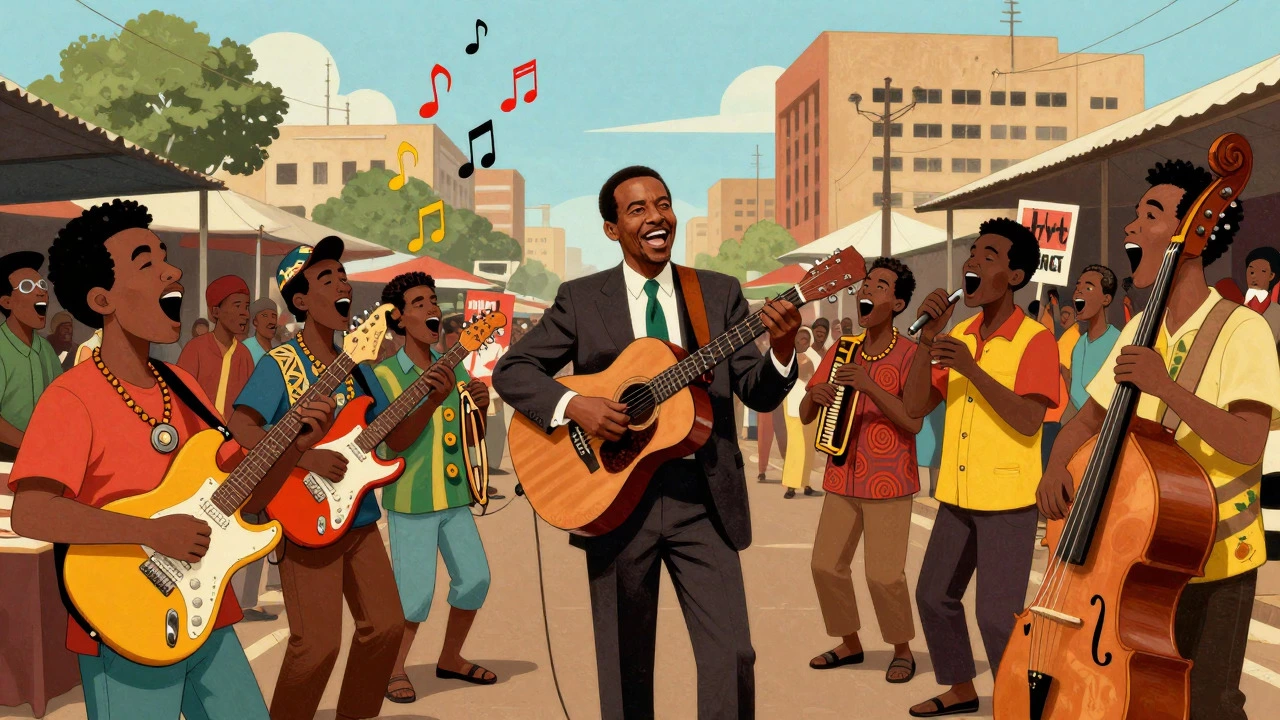
The heart of Graceland isn't just Simon’s songwriting; it’s the musical dialogue between him and South African legends. The centerpiece of this collaboration is Ladysmith Black Mambazo, a vocal group led by Joseph Shabalala. Their style, known as isicathamiya, features tight, a cappella harmonies that blend Zulu traditions with American gospel influences. Tracks like "Homeless" and "Diamonds on the Soles of Her Shoes" open with these haunting choral arrangements before shifting into Western pop structures. This wasn't just background vocals; it was a true fusion. Simon wrote melodies over pre-existing grooves, allowing the musicians to shape the songs through improvisation. Other key contributors included bassist Bakithi Kumalo, whose reversed bass solo on "You Can Call Me Al" became iconic, and guitarist Ray Phiri. These musicians weren't anonymous session players; they were co-creators who helped define the album’s unique texture.
Musical Fusion: Where Folk Rock Meets Township Jive
What makes Graceland work musically is the seamless blend of two distinct worlds. Simon brought his folk-rock sensibilities, focusing on narrative lyrics and acoustic guitar patterns. The South African musicians brought mbaqanga, characterized by driving rhythms, call-and-response vocals, and intricate instrumental interplay. The title track, "Graceland," exemplifies this hybridization. It combines a country-tinged guitar riff with references to Elvis Presley’s Memphis home, all underpinned by a rhythmic approach drawn directly from South African styles. "You Can Call Me Al" uses surreal, humorous lyrics to frame existential insecurities, but the backing track-featuring horn arrangements and township jive rhythms-subtly undermines the narrator’s sense of cultural centrality. The result is an album that feels both familiar and exotic, accessible to mainstream pop audiences while offering a genuine entry point into non-Western musical traditions.
Commercial Success and Critical Acclaim
Despite the controversy, Graceland was a massive commercial hit. Released in late August 1986 by Warner Bros. Records, it reached number 1 on the UK Albums Chart and number 3 on the US Billboard 200. It sold millions of copies worldwide, becoming Simon’s most successful solo album. The timing was perfect; the album arrived at the dawn of the CD era, benefiting from the rapid shift in consumer preference from vinyl to compact discs. Critically, it was hailed as a masterpiece. At the 1987 Grammy Awards, Graceland won Album of the Year, and the title track won Record of the Year. The Library of Congress later selected it for inclusion in the National Recording Registry, citing its cultural, historical, and aesthetic significance. It wasn't just a pop album; it was a cultural event that reshaped how Western listeners perceived global music.
The Ethics of Cultural Appropriation
Was Paul Simon a visionary collaborator or a cultural appropriator? This question has haunted Graceland for four decades. On one hand, Simon paid South African musicians approximately three times the going local rate for studio work, attempting to compensate for systemic inequalities in the apartheid-era economy. He shared songwriting credits in cases where traditional material formed the basis of songs. On the other hand, critics argued that he profited disproportionately from the cultural capital of black South African artists. Heidi Berg, who lent him the initial cassette, felt her contribution was insufficiently acknowledged. Decades later, the band Los Lobos, who played on the closing track "All Around the World," claimed Simon took disproportionate credit for music they believed they largely composed. These disputes highlight the complex power dynamics in cross-cultural collaborations, especially when money and fame are involved. The album forces us to ask: Who owns a groove? And who gets to tell the story?
Legacy: A Gateway to Global Sounds
Today, Graceland stands as a landmark recording that expanded the definition of pop music. It catapulted Ladysmith Black Mambazo from local heroes to international stars, leading to extensive touring and crossover collaborations. For many Western listeners, it was their first exposure to South African music, sparking a broader interest in "world music" as a marketable genre. While debates about the boycott and appropriation continue, the album’s musical impact is undeniable. It proved that pop music could be intellectually rigorous, politically charged, and globally connected without losing its emotional resonance. As we look back from 2026, Graceland remains a vital case study in globalization, reminding us that art can both challenge and complicate political strategies.
| Entity | Role/Style | Notable Contribution |
|---|---|---|
| Paul Simon | Songwriter/Vocalist | Folk-rock lyricism, melodic structure |
| Ladysmith Black Mambazo | Vocal Group | Isicathamiya choral harmonies, Zulu lyrics |
| Bakithi Kumalo | Bassist | Iconic reversed bass solo on "You Can Call Me Al" |
| Ray Phiri | Guitarist | Mbaqanga guitar textures, rhythmic support |
| Roy Halee | Engineer/Producer | Captured live ensemble sounds, mixed cross-continental tracks |
Frequently Asked Questions
Why was Paul Simon criticized for making Graceland?
Simon faced criticism primarily because he recorded in South Africa during the apartheid era, breaking a UN-endorsed cultural boycott. Critics argued that by collaborating with South African musicians, he was inadvertently supporting the apartheid regime. Additionally, some accused him of cultural appropriation, claiming he benefited disproportionately from the talent of black South African artists despite paying them well above local rates.
What is mbaqanga?
Mbaqanga is a form of South African township jive that emerged in the 1960s and 70s. It blends traditional Zulu musical forms with Western jazz, rock, and marabi influences. Characterized by strong bass lines, electric guitars, and vocal harmonies, it was the primary musical influence behind the rhythmic foundation of Paul Simon's Graceland album.
Did Ladysmith Black Mambazo become famous because of Graceland?
Yes, significantly. While Ladysmith Black Mambazo was already highly respected and popular in South Africa, Graceland introduced them to a global audience. The album's success led to international tours, increased record sales outside of Africa, and collaborations with other major Western artists, effectively launching their international career.
How did the album get its name?
The title track "Graceland" refers to Elvis Presley's estate in Memphis, Tennessee. Simon used the location as a metaphor for spiritual pilgrimage and emotional recovery following his divorce. The journey to Graceland represents a search for meaning and connection, mirroring the album's broader theme of bridging cultural divides.
Is Graceland still relevant today?
Absolutely. The album remains a critical touchstone for discussions on globalization, cultural exchange, and ethical collaboration in the arts. Its musical fusion continues to influence contemporary artists, and its commercial success paved the way for the modern "world music" genre. It serves as a reminder of how music can transcend political boundaries while simultaneously highlighting the complexities of those boundaries.


