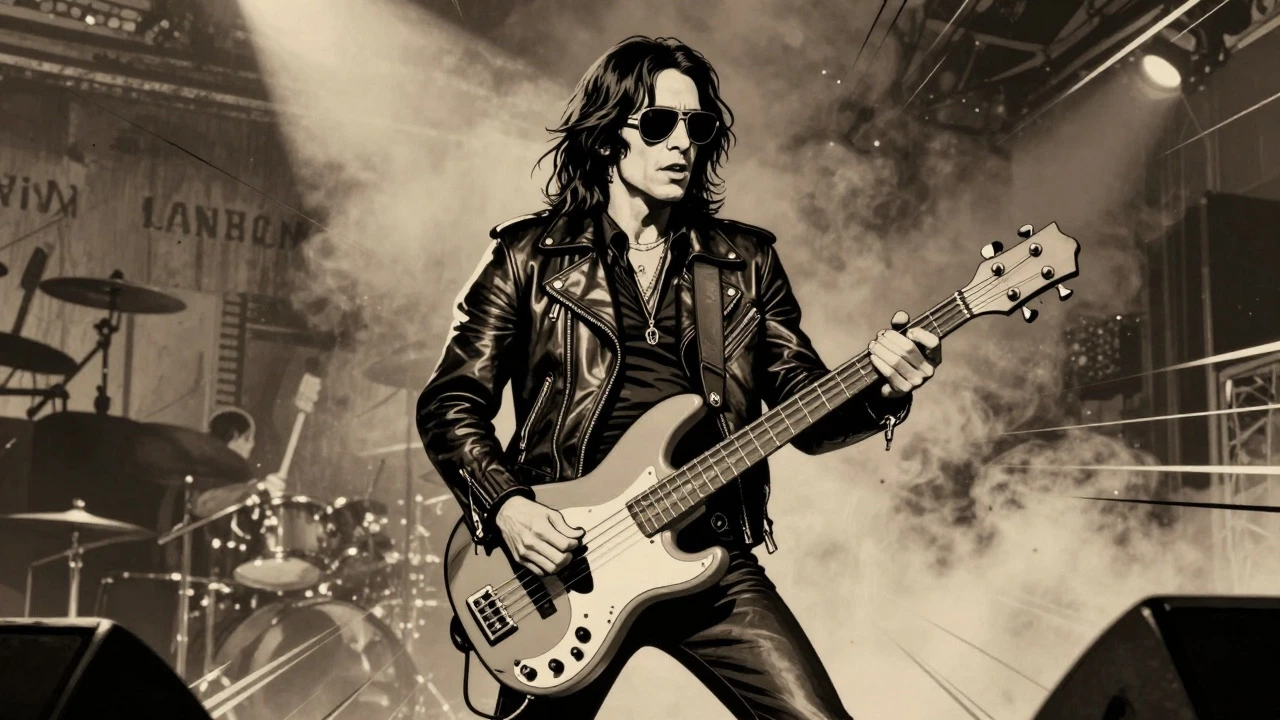

Heavy metal didn't just get faster on its own. Someone had to turn the volume knob all the way up, strip away the fancy solos, and play rock 'n' roll at a speed that felt dangerous. That someone was Lemmy Kilmister, the founder of Motörhead. When you listen to the raw aggression of thrash metal or the relentless pace of speed metal, you are hearing the DNA of a band formed in London in 1975. Motörhead didn't fit into the neat boxes of the late 1970s music scene. They were too fast for traditional heavy metal bands like Black Sabbath and too loud and distorted for punk rock purists. This refusal to compromise created a new sonic template that changed the trajectory of aggressive music forever.
The Birth of a Sonic Outcast
To understand why Motörhead’s influence is so profound, you have to look at where they came from. In June 1975, Ian Fraser “Lemmy” Kilmister left the space-rock band Hawkwind. He wanted something heavier, louder, and more direct. He formed Motörhead as a power trio, initially with guitarist Larry Wallis and drummer Lucas Fox, before finding his permanent rhythm section with “Fast” Eddie Clarke and Phil “Philthy Animal” Taylor. This lineup shift was crucial. It stabilized their sound around a core philosophy: everything louder than everything else.
Their self-titled debut album, released in 1977, was a shock to the system. It wasn’t polished. It wasn’t trying to be pretty. It was pure, unadulterated noise driven by Lemmy’s distorted bass and gravelly vocals. By the time they released Overkill and Bomber in 1979, and then Ace of Spades in 1980, they had escalated the intensity. These records weren't just songs; they were declarations of war against musical pretension. Critics at the time were confused. Was this punk? Was this metal? The answer was yes, but also no. Motörhead existed in a gray area that they eventually defined entirely on their own terms.
The Technical Revolution: Distortion as an Instrument
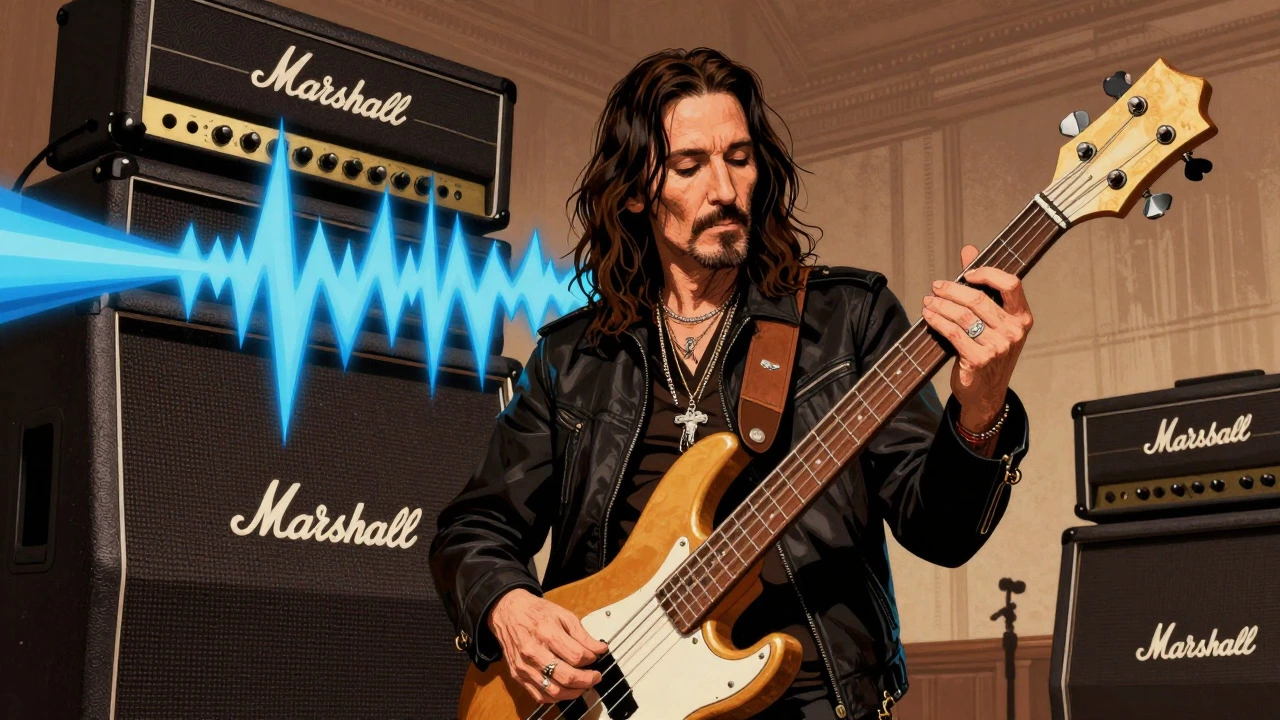
You can talk about attitude all day, but Motörhead’s legacy is built on specific technical choices that musicians still study today. The most significant was Lemmy’s approach to the bass guitar. Most bassists in the 1970s played clean tones, providing a low-end foundation for the guitars. Lemmy did the opposite. He plugged his Rickenbacker bass into massive Marshall amplifier stacks and cranked the distortion. This created a mid-range-heavy grind that cut through the mix like a chainsaw.
This technique turned the bass into a primary source of harmonic weight and sonic attack. It effectively substituted for a second rhythm guitar, creating a wall of sound that was thick and aggressive. Music historian Steve Waksman noted that sheer volume was the main reason Motörhead was classified as heavy metal. Loudness wasn't just a preference; it was a defining parameter of their genre identity. When you hear the chugging riffs in early thrash metal, you are hearing the echo of Lemmy’s overdriven bass lines.
Then there was the drumming. On the 1979 track “Overkill,” Phil Taylor utilized double-kick drumming to create a machine-gun effect. This wasn't just fast playing; it was rhythmic precision at high speeds. This approach provided the blueprint for speed and thrash metal drumming. Bands like Metallica and Slayer later adopted these rapid-fire patterns, directly tracing their rhythmic roots back to Motörhead’s late-1970s recordings. The song “Overkill” literally kickstarted the DNA of the genre, inspiring the American band Overkill to take their name from it.
Catalyst for the New Wave of British Heavy Metal
In the late 1970s, heavy metal was stagnating. It was becoming overly progressive and ornate. Then came the New Wave of British Heavy Metal (NWOBHM), a movement that re-energized the genre with speed and aggression. Motörhead is widely regarded as the precursor and catalyst for this movement. While bands like Iron Maiden, Diamond Head, and Saxon emerged during this period, Motörhead provided the initial spark.
| Band | Primary Contribution | Key Era | Impact on Subgenres |
|---|---|---|---|
| Black Sabbath | Darkness, doom, minor keys | Early 1970s | Doom metal, stoner rock |
| Judas Priest | Technical finesse, dual guitars | Mid 1970s | Traditional heavy metal, speed metal |
| Motörhead | Speed, volume, raw aggression | 1975-1981 | Thrash metal, speed metal, extreme metal |
Some critics view Motörhead as the first significant exponent of the NWOBHM because they fully implemented a crossover between punk rock energy and heavy metal heaviness. Their stripped-down rock 'n' roll approach pushed the genre away from complex arrangements toward a more direct, high-energy template. This shift allowed younger bands to form and develop in a context where speed and attitude mattered more than technical complexity. The live album No Sleep ’Til Hammersmith, recorded in 1981, cemented their reputation as one of the loudest and fastest bands in Britain, pushing the broader movement forward.
Father of Thrash and Speed Metal
If you ask any musician from the Bay Area thrash scene what inspired them, Motörhead will come up immediately. AllMusic critic Stephen Thomas Erlewine argues that although Motörhead was not punk rock, they were the first metal band to harness punk’s energy, effectively creating speed and thrash metal in the process. Former Judas Priest guitarist K.K. Downing explicitly stated in 2022 that he considered Lemmy and Motörhead responsible for the creation of these genres.
The influence is audible in the early work of the “Big Four” of thrash metal. Listen to Metallica’s Kill ’Em All (1983). Tracks like “Whiplash” and “Battery” bear a strong Motörhead vibe in their tempo and riffing style. Slayer’s early material also draws heavily from the aggressive, bludgeoning rock 'n' roll that Motörhead perfected. Even Anthrax cited them as a major influence. This wasn't just about copying riffs; it was about adopting an ethos. Motörhead taught these bands that metal could be fast, angry, and honest without losing its groove.
The connection goes deeper than just thrash. Motörhead’s raw approach helped define what later became known as extreme metal. Their fusion of heavy blues rock with higher speed and aggression pushed rock toward a darker, heavier conclusion. Bands like Venom, who pioneered black metal, and hardcore-infused metal groups like Discharge and Napalm Death, all trace their lineage back to Motörhead’s sense of attitude and rawness. They proved that technical proficiency was less important than the feeling of danger and excitement in the music.
Lemmy’s Personal Role and Ideological Impact
Lemmy Kilmister was not just a frontman; he was a sonic architect. From 1975 until his death on December 28, 2015, he set the band’s musical and ideological direction. He insisted on high volume, unpretentious lyrics, and a rock 'n' roll identity, even when critics labeled the band as heavy metal. This insistence on identity was part of his influence. He rejected the elitism often found in rock music. For Lemmy, music was about enjoyment, volume, and living life to the fullest.
His vocal delivery-raspy, deep, and unmistakable-became a hallmark of the genre. It wasn't pretty singing, but it was powerful and commanding. This encouraged other musicians to treat distortion, speed, and directness as core values rather than embellishments. The idea that you could be a successful metal star without being a virtuoso soloist opened doors for countless artists who valued authenticity over technical showmanship. Lemmy’s personal aesthetic drove metal toward a rawer, more aggressive evolution, making the genre feel dangerous and exciting again at a time when it risked stagnation.
Lasting Legacy and Community Perspective
Decades after Lemmy’s death, Motörhead’s influence remains durable and cross-generational. In 2024 and 2026 retrospectives, journalists continue to frame Motörhead as a central reference when explaining how metal became faster and louder. Video essays explore how they “saved heavy metal from extinction” by injecting punk attitude into the genre. Fan communities on Reddit and Facebook regularly discuss bands inspired by Motörhead, repeatedly mentioning Metallica, Slayer, Anthrax, Venom, and modern metal acts.
For musicians, engaging with Motörhead’s legacy means immersing themselves in key recordings like Overkill, Bomber, and Ace of Spades. Learning to emulate Lemmy’s sound involves mastering fast, driving eighth-note bass lines with heavy distortion and sustaining high-energy performance at loud volumes. It’s a practical education in intensity. The community views Motörhead not just as a historical artifact but as a living influence that continues to shape how new generations conceive of “heaviness” in music. Whether you classify them as rock 'n' roll or heavy metal, their impact is undeniable.
Did Motörhead invent thrash metal?
While Motörhead didn't single-handedly invent thrash metal, they provided the foundational blueprint. Their combination of high-speed tempos, distorted bass, and aggressive attitude directly influenced the first wave of thrash bands like Metallica and Slayer. Many musicians and critics credit Motörhead with creating the sonic template that thrash metal refined and expanded upon in the 1980s.
What made Lemmy's bass tone so unique?
Lemmy used a Rickenbacker bass run through large Marshall amplifier stacks with heavy distortion. Unlike most bassists who played clean, Lemmy’s mid-range-heavy grind acted like a rhythm guitar, providing harmonic weight and sonic attack. This approach created a thick, aggressive wall of sound that became a signature element of heavy metal.
How did Motörhead influence the NWOBHM?
Motörhead served as a precursor to the New Wave of British Heavy Metal (NWOBHM) by merging punk rock energy with heavy metal heaviness. Their stripped-down, fast, and loud approach pushed the genre away from progressive complexity toward direct aggression. This inspired bands like Iron Maiden, Diamond Head, and Saxon to adopt similar high-energy templates in the late 1970s and early 1980s.
Was Motörhead considered a punk band?
Motörhead was not a punk band, but they shared a stage with punk acts and embraced punk’s DIY ethos and raw energy. They were often classified alongside punk due to their speed and aggression, but musically, they remained rooted in rock 'n' roll and heavy metal. This crossover appeal helped bridge the gap between the two genres and influenced both scenes.
Which Motörhead albums are essential for understanding their influence?
The essential albums include their self-titled debut (1977), Overkill (1979), Bomber (1979), Ace of Spades (1980), and the live album No Sleep ’Til Hammersmith (1981). These records showcase the escalation in speed, volume, and intensity that defined their sound and influenced subsequent generations of metal musicians.


