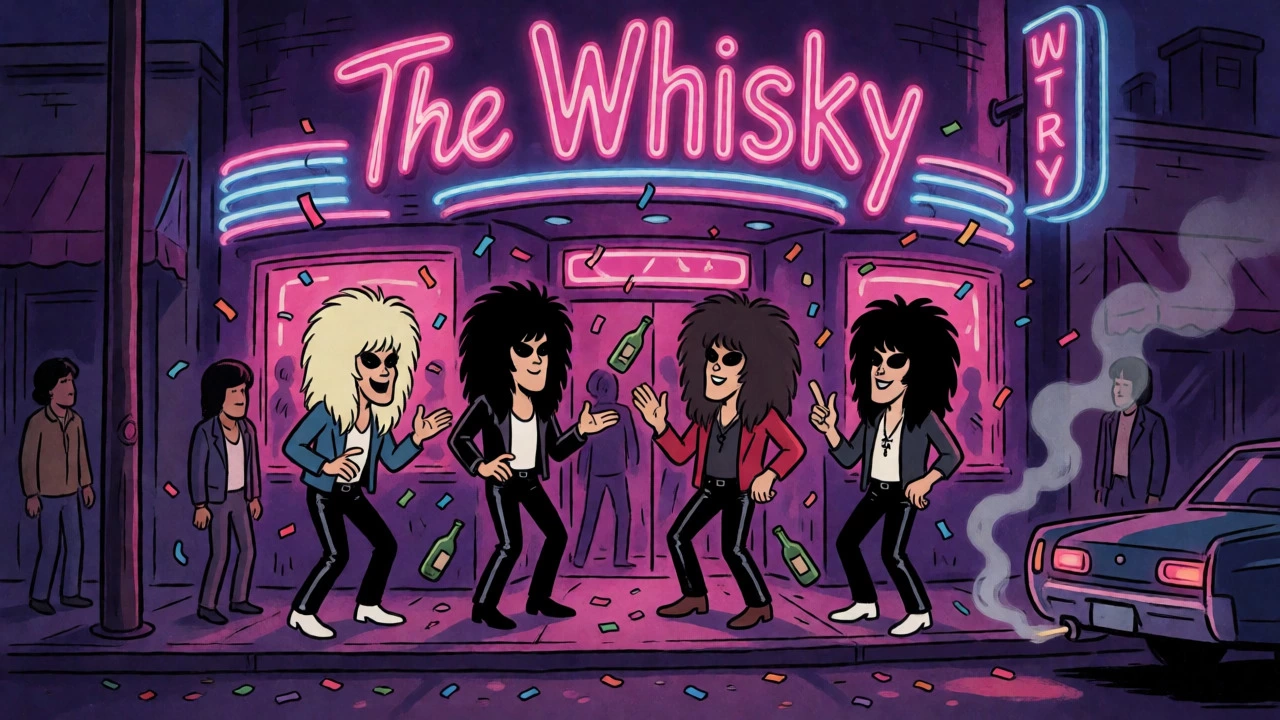

You probably know the image. Big hair, leather pants, eyeliner, and a reputation for being absolutely unhinged. But was Mötley Crüe actually living that life, or were they just selling it? For most of the 1980s, the line between their reality and their brand was non-existent. They didn’t just party; they turned chaos into a business model. If you think rock stars are crazy today, you haven’t seen anything until you’ve looked at what Nikki Sixx, Tommy Lee, Vince Neil, and Mick Mars did in Los Angeles between 1981 and 1989.
Their story isn’t just about bad decisions. It’s about how a band from the Sunset Strip club scene used tabloid scandals as their primary marketing tool. While other bands were trying to write radio hits, Mötley Crüe was busy creating headlines that made people want to buy tickets just to see if the rumors were true. This article breaks down exactly how they did it, why it worked, and what it cost them.
The Birth of Notoriety on the Sunset Strip
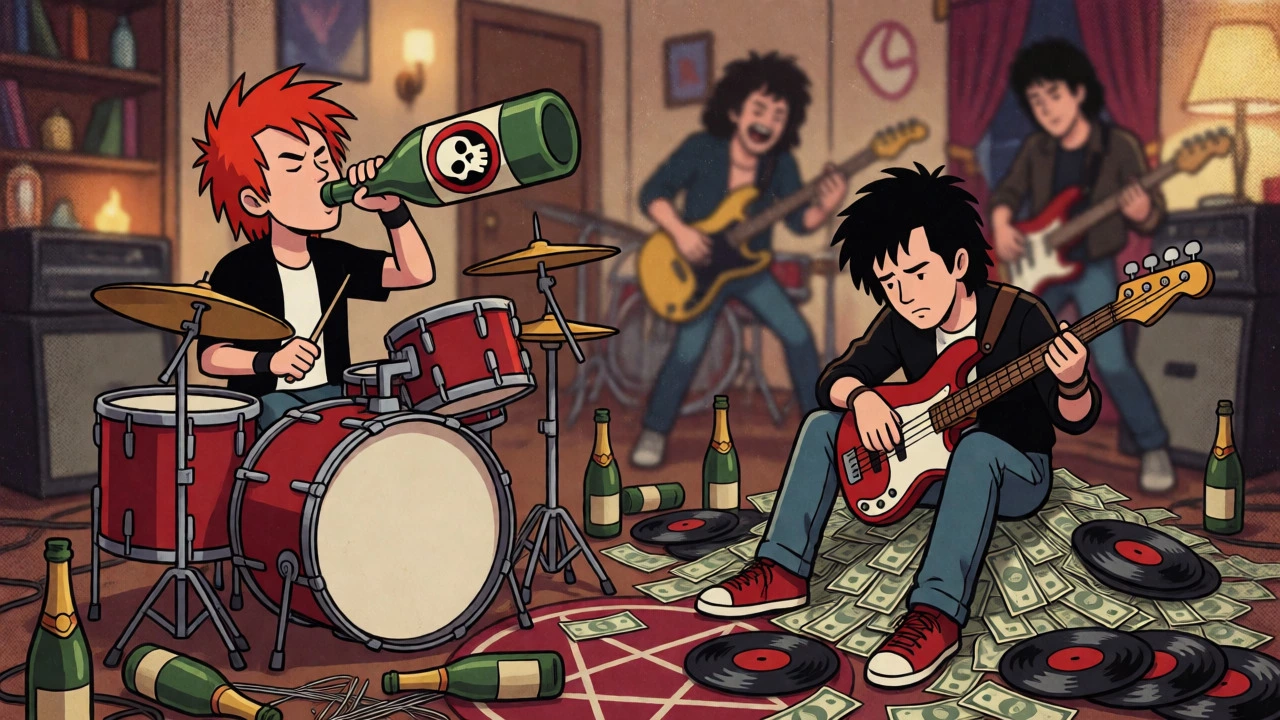
In 1981, bassist Nikki Sixx and drummer Tommy Lee formed the band in Los Angeles. They quickly added vocalist Vince Neil and guitarist Mick Mars. The lineup was set, but the strategy wasn’t. Early on, they lived together in an apartment that became known as the "ultimate party place." According to their autobiography, The Dirt, things happened there 24/7. Alcohol and drugs weren’t occasional treats; they were daily necessities.
This wasn’t just messy living. It was foundational branding. Their debut album, Too Fast for Love (1981), and its follow-up, Shout at the Devil (1983), didn’t just sell music. They sold a fantasy. The lyrics talked about vice, danger, and sex. The photos showed men who looked like they hadn’t slept in weeks. Fans bought into the idea that these guys were living on the edge, and the band made sure every interview reinforced that image. They positioned themselves not just as musicians, but as survivors of a lifestyle that seemed impossible to sustain.
Quantifying the Chaos: How Much Did They Actually Use?
People often say rock stars "partied hard," but Mötley Crüe put numbers to it. And the numbers are insane. Nikki Sixx has stated that during the mid-1980s, he spent over $1,000 a day on heroin alone. He spent roughly the same amount on cocaine and alcohol. That’s more than $2,000 a day, every day, just on substances. In today’s money, adjusted for inflation, that’s a staggering sum.
Tommy Lee wasn’t far behind. In interviews, including one with Bill Maher, Lee admitted to drinking up to two gallons of vodka per day during his peak abuse years. That’s not a typo. Two gallons. To keep this going, they developed rituals. Mick Mars and Lee created a drink called "Mars-ade," a mix of tequila, orange juice, and grenadine, which they drank ritualistically after shows. These details matter because they show excess wasn’t random. It was codified. It was part of the job description.
| Band Member | Primary Substance/Habit | Daily Estimate (Mid-80s) | Notable Incident |
|---|---|---|---|
| Nikki Sixx | Heroin & Cocaine | $1,000+ per drug | Clinically dead from overdose |
| Tommy Lee | Vodka | Up to 2 gallons | High-profile Hollywood marriages |
| Vince Neil | Alcohol & Speed | Variable | 1984 fatal car crash |
| Mick Mars | Alcohol & Painkillers | Heavy usage | Known for "Mars-ade" ritual |
Tabloids as a Marketing Engine
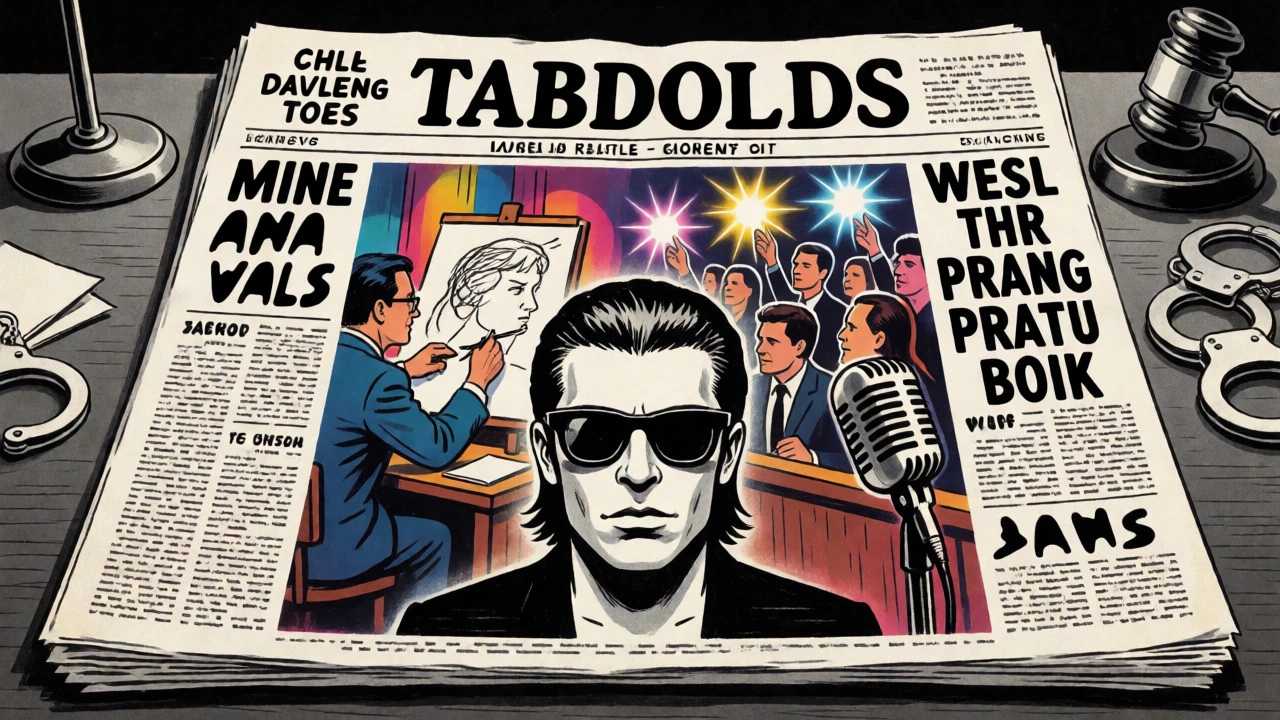
In the pre-internet era, tabloids and rock magazines like Cream and Kerrang! were the only way fans got close to their heroes. Mötley Crüe understood this better than anyone. They gave journalists stories that were too wild to ignore. When Vince Neil killed Hanoi Rocks drummer Nicholas "Razzle" Dingley in a car crash in December 1984, it wasn’t just a tragedy. It was front-page news. Neil was convicted of vehicular manslaughter and driving under the influence. He served jail time, paid fines, and did community service.
Critics argued the punishment was light because he was famous. Fans saw it as proof of the "untouchable rock star" myth. The band didn’t hide from the scandal. They leaned into it. Mugshots and courtroom photos appeared alongside glossy shots of the band in leather. Criminality became part of the package. Buying a ticket to a Mötley Crüe show meant you might see a guy who had recently been in court. That danger was exciting to teenagers in suburban America who wanted to feel something real.
The Visual Language of Danger
Marketing isn’t just about words. It’s about images. Mötley Crüe’s visual identity evolved rapidly throughout the decade, keeping them ahead of trends. Early ads for Shout at the Devil used black leather, studs, and pentagrams. This tapped into the moral panic of the 1980s, where parents feared heavy metal was leading kids astray. The band loved this. Controversy sold records.
By the mid-80s, with albums like Theatre of Pain and Girls, Girls, Girls, the look shifted to glam theatrics. Think strip clubs, motorcycles, and half-dressed women. The imagery promised limitless gratification. You weren’t just buying an album; you were buying access to a world where rules didn’t apply. Ultimate Classic Rock notes that the band constantly reinvented their costumes and hairstyles to stay fresh. They never let fans get bored of the shock value.
Personal Lives as Public Spectacle
The band members’ relationships fueled the gossip columns. Tommy Lee’s marriage to actress Heather Locklear in 1986 was a major event. It merged rock stardom with mainstream celebrity culture. Later, his relationship with Pamela Anderson in the 1990s extended this narrative, but the roots were in the 80s. Every breakup, every hookup, every arrest was public property.
Other bands, like Guns N’ Roses or Ratt, were wild too. But Mötley Crüe had a unique combination of money, access, and apparent disregard for limits. Duff McKagan, bassist for Guns N’ Roses, recalled partying with them in the late 80s. He described their private jet trips as "staring into an abyss" of reckless indulgence. They used coded language for drugs and treated substances like candy. This peer testimony confirms that the excess wasn’t just for show. It was real, and it was extreme.
The Cost of Survival
You can’t burn that bright forever without burning out. By the late 1980s, the band was falling apart. Nikki Sixx’s near-fatal overdose is legendary. He was declared clinically dead before paramedics revived him with adrenaline shots directly into his heart. This event, along with constant legal issues and interpersonal conflicts, forced a change.
The band collectively became "self-aware." They realized they couldn’t continue at that pace. They pursued sobriety and healthier routines. This shift was necessary for survival, but it also presented a branding challenge. How do you market a band that was famous for being out of control when they’re now sober? They solved it by framing the 1980s as a completed era of dangerous experimentation. They became survivors, not just victims.
Legacy: Selling the Myth Today
Even decades later, the 1980s lifestyle remains Mötley Crüe’s biggest asset. The 2001 publication of The Dirt consolidated scattered tabloid stories into a single, detailed canon. The 2019 Netflix film adaptation dramatized key episodes, introducing the chaos to a new generation. Promotional materials still use phrases like "the world’s most notorious rock band." The band’s ongoing tours and reissues depend heavily on the fascination generated by their past excess.
Academic analysis suggests that The Dirt normalizes polysubstance use by portraying it as communal and almost utopian. Critics argue whether the book glorifies or warns against this lifestyle. Fans tend to view it as iconic mythology. Regardless of your stance, the evidence is clear: Mötley Crüe didn’t just live through the 1980s. They defined the era’s definition of rock excess. Their legacy proves that sometimes, the story is bigger than the music.
Did Mötley Crüe really spend $2,000 a day on drugs?
Yes, according to Nikki Sixx’s accounts in The Dirt. He stated he spent over $1,000 a day on heroin and approximately the same amount on cocaine and alcohol during the mid-1980s. This figure highlights the unsustainable nature of their lifestyle.
What was the impact of Vince Neil’s 1984 car crash?
Vince Neil’s car crash killed Hanoi Rocks drummer Nicholas "Razzle" Dingley. Neil was convicted of vehicular manslaughter and DUI. The incident received massive media coverage, reinforcing the band’s image of dangerous excess and contributing to the "untouchable rock star" narrative.
How did Mötley Crüe use tabloids for marketing?
They leveraged scandals, arrests, and overdoses as free publicity. Magazines and tabloids covered their personal lives extensively, turning criminality and hedonism into promotional hooks. This kept them in the public eye even when they weren’t releasing new music.
Why is the band called "notorious"?
The term "notorious" refers to their fame for bad behavior rather than just musical talent. Their reputation for extreme drug use, violence, sexual promiscuity, and legal troubles earned them this label, which they actively cultivated as part of their brand.
Did the band members survive the 1980s?
Yes, all four original members survived, though barely. Nikki Sixx was clinically dead briefly, and others faced severe health crises. Their survival is often cited as miraculous given the extent of their substance abuse and risky behaviors during the decade.


