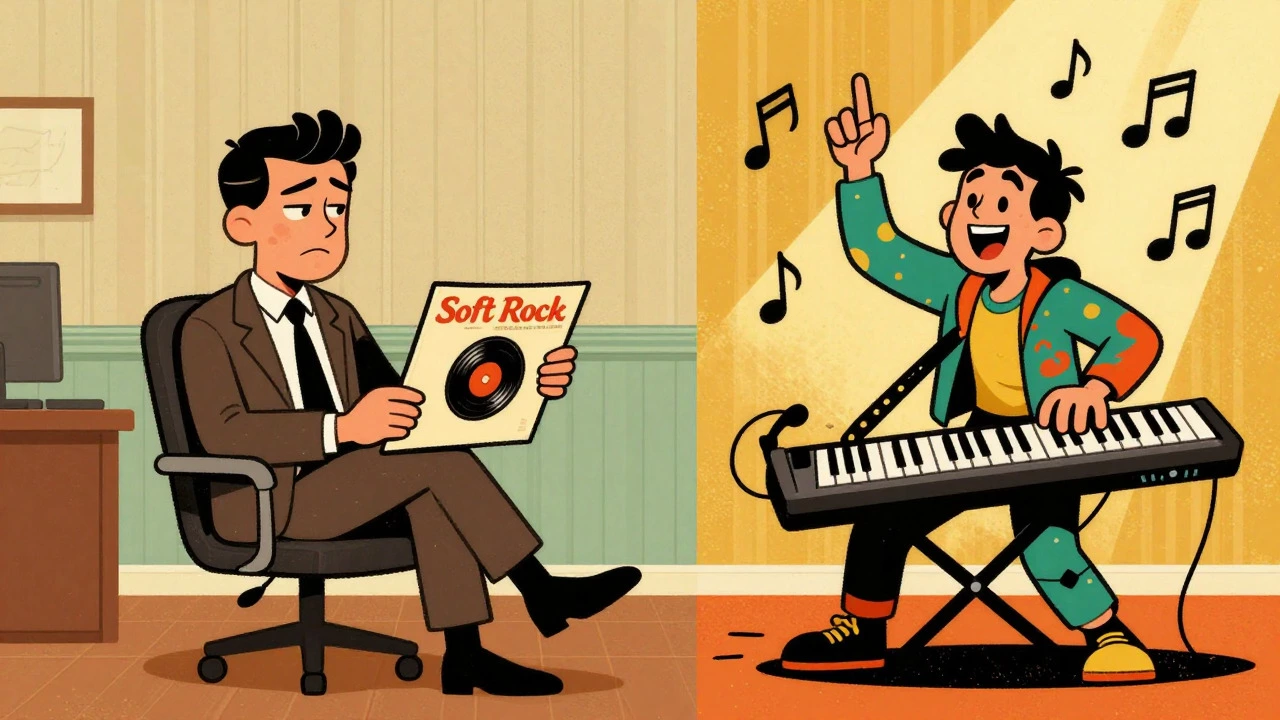

For decades, soft rock was the musical equivalent of beige wallpaper. Critics dismissed it as corporate, bland, and emotionally hollow-a sound designed to sell cars rather than stir souls. But if you look at the charts and indie playlists today, that reputation has flipped completely. What was once "uncool" is now a prestigious toolkit for some of the most respected artists in pop, R&B, and indie rock.
This shift isn't just nostalgia; it's a deliberate creative movement known as modern revisionism. It describes how musicians from Father John Misty to Harry Styles are digging into the harmonic language and studio polish of the 1970s and 80s, treating acts like Fleetwood Mac and Steely Dan not as relics, but as masters of emotional nuance.
The Shift from Mockery to Mastery
To understand why this matters, you have to look at where we started. In the late 1970s, bands like Fleetwood Mac, Hall & Oates, and Steely Dan dominated the airwaves with mid-tempo grooves, lush harmonies, and smooth production. Their records sold millions-Rumours alone moved around 40 million copies-but critics often labeled them as safe or unhip.
Fast forward to the 2010s, and the narrative changed. A 2017 feature in The Guardian noted that artists were finally calling this material "cool." This wasn't accidental. As mainstream pop became increasingly reliant on heavy digital production and loudness, younger artists began craving the warmth and complexity of analog-era songwriting. They found it in the very genre they had been taught to ignore.
The term yacht rock, coined retrospectively in the 2000s, helped codify this specific West Coast subset of the sound. Think Michael McDonald-era Doobie Brothers or Toto. While initially used as a meme, it eventually became a badge of honor for producers seeking that slick, sophisticated sheen.
What Defines the Sound?
If you listen closely to modern tracks influenced by this era, certain technical traits stand out. These aren't vague vibes; they are specific production choices that signal sophistication.
- Restrained Tempos: Most songs sit between 70 and 110 beats per minute. This allows space for vocal phrasing and instrumental interplay without rushing the listener.
- Polished Harmonies: Multi-track vocal layers are essential. Artists like Haim don't just sing lead; they build walls of harmony that echo the intricate arrangements of 1970s supergroups.
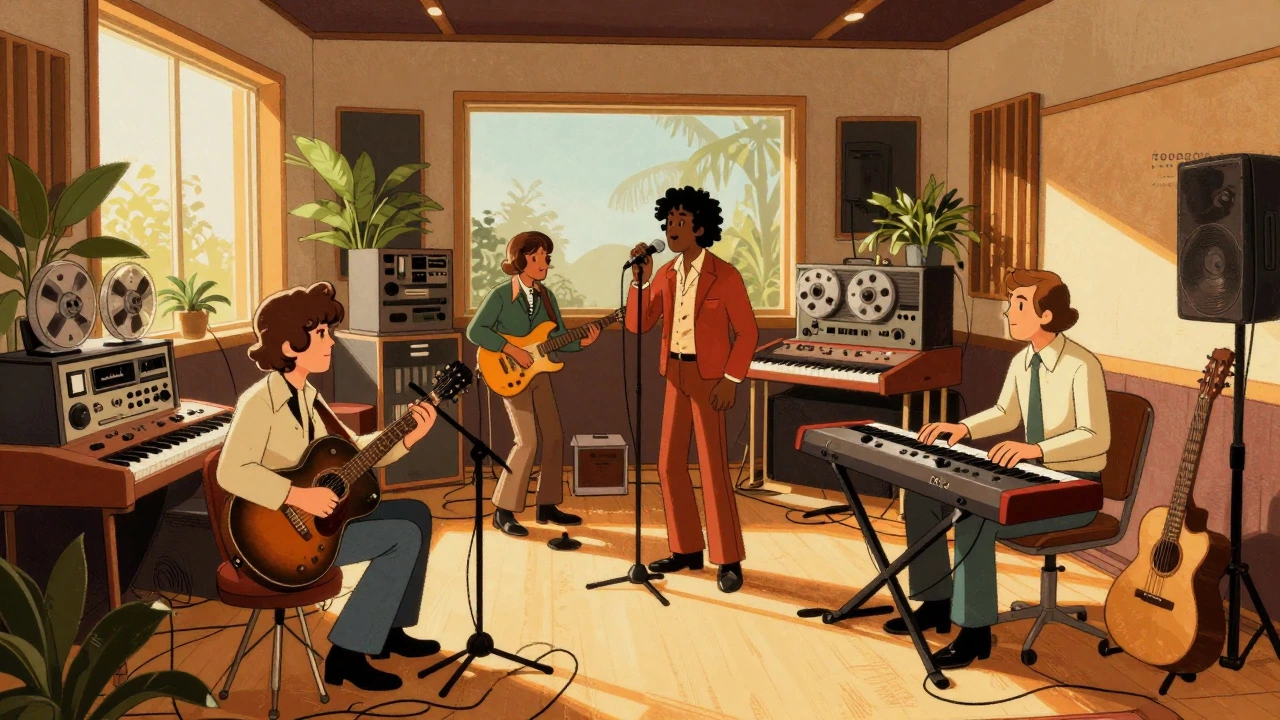
- Electric Piano and Clean Guitar: The use of Fender Rhodes or Wurlitzer electric pianos, paired with clean, reverb-drenched guitar tones, creates a warm texture that contrasts sharply with the distorted guitars of punk or metal.
- Lush Mixing: Modern engineers often use reverberant mixes that recall the large studios of the 1970s, giving the music a sense of physical space and depth.
These elements combine to create a sound that feels both retro and timeless. It’s a counterweight to the maximalism of much of today’s mainstream pop, offering instead a gentle sparkle and reflective lyricism.
Key Artists Leading the Charge
You can see this revisionism across different genres, proving its versatility. Here are some of the most prominent figures embracing these influences:
| Artist | Key Work / Era | Primary Influence | How They Use It |
|---|---|---|---|
| Father John Misty | Pure Comedy (2017) | Michael McDonald | Sparse piano chords and swooning vocal delivery mimic late-70s soul-rock. |
| Haim | Days Are Gone (2013) | Fleetwood Mac | Blends nu-folk and 90s R&B with complex vocal harmonies and rhythmic feel. |
| Aimee Mann | Mental Illness (2017) | Bread, Dan Fogelberg | Uses acoustic grooves and melodic sensibility to evoke early-70s singer-songwriter craft. |
| John Mayer | Sob Rock (2021) | Yacht Rock generally | An explicit tribute album using analog-style drum sounds and retro artwork. |
| Young Gun Silver Fox | West End Coast (2016) | Ned Doheny, Yacht Rock | Meticulously crafted tributes that recreate the studio sound almost verbatim. |
Notice the diversity here. You have indie rockers like Father John Misty using the sound for ironic yet sincere commentary, while pop stars like Harry Styles and the Jonas Brothers incorporate it to add emotional weight to their ballads. Even R&B artists like Thundercat and H.E.R. have integrated these textures, showing that the influence transcends traditional genre boundaries.

Why Now? The Cultural Context
So why did this happen when it did? Part of it is a reaction against the digital coldness of early-2000s pop. As music production became more automated and quantized, listeners and artists alike began craving human imperfection and organic warmth. Soft rock, with its emphasis on live instrumentation and nuanced performance, offered an antidote.
Collaboration also played a huge role. When legacy artists like Michael McDonald started appearing on tracks by younger acts such as Grizzly Bear or Thundercat, it legitimized the sound for new demographics. Hip-hop sampling of yacht rock tracks further introduced those complex chord progressions to audiences who might never have listened to the original albums.
Furthermore, the rise of streaming platforms changed how we discover music. Playlists like Spotify’s "Yacht Rock Revival" curate these sounds for casual listeners, creating a feedback loop where exposure leads to appreciation. Community spaces on Reddit and Last.fm show fans actively seeking out hybrid genres that blend soft rock’s warmth with dream-pop or indie aesthetics.
The Future of Soft Rock Revisionism
Is this trend fading, or is it here to stay? All signs point to the latter. By 2025, major publications like Forbes covered documentary series dedicated to the genre’s history and revival, indicating that it has achieved cultural permanence. Artists continue to release albums that lean heavily into these aesthetics, suggesting that soft rock is no longer just a reference point but a living, evolving style.
We’re likely to see even more cross-pollination in the coming years. As younger producers grow up with access to vintage gear and analog emulation plugins, they’ll find new ways to twist these classic sounds. The key takeaway is that soft rock has been reclaimed from the margins. It’s no longer about selling out; it’s about crafting songs that resonate with genuine emotion and technical skill.
What is modern revisionism in music?
Modern revisionism refers to the critical and creative movement where contemporary artists re-evaluate previously dismissed genres, like soft rock, and embrace their aesthetic qualities. Instead of mocking the sound, musicians now cite it as a source of sophistication and emotional depth, integrating its techniques into modern indie, pop, and R&B productions.
Who are the biggest influencers in the soft rock revival?
Key figures include Father John Misty, Haim, Aimee Mann, John Mayer, and Harry Styles. Legacy acts like Fleetwood Mac, Steely Dan, and Michael McDonald serve as the primary inspirations, with their harmonic structures and production styles being actively emulated by these newer generations.
How does yacht rock differ from general soft rock?
Yacht rock is a sub-genre of soft rock that specifically refers to the slick, West Coast studio sound of the late 1970s and early 1980s. It is characterized by smoother vocals, jazz-influenced chords, and high-production values, exemplified by artists like Toto, Christopher Cross, and the Doobie Brothers featuring Michael McDonald.
Why did critics dislike soft rock originally?
Critics in the 1970s and 80s often viewed soft rock as commercially driven, overly polished, and lacking in artistic edge. It was associated with corporate excess and seen as "safe" compared to the raw energy of punk or the innovation of progressive rock. This perception has since shifted as modern artists highlight its musical complexity.
Is the soft rock trend still growing in 2026?
Yes, the trend shows no signs of slowing down. With continued releases from major artists, dedicated documentary coverage, and active fan communities on streaming platforms, soft rock influences remain a vital part of the contemporary music landscape, particularly in indie and alternative R&B scenes.


