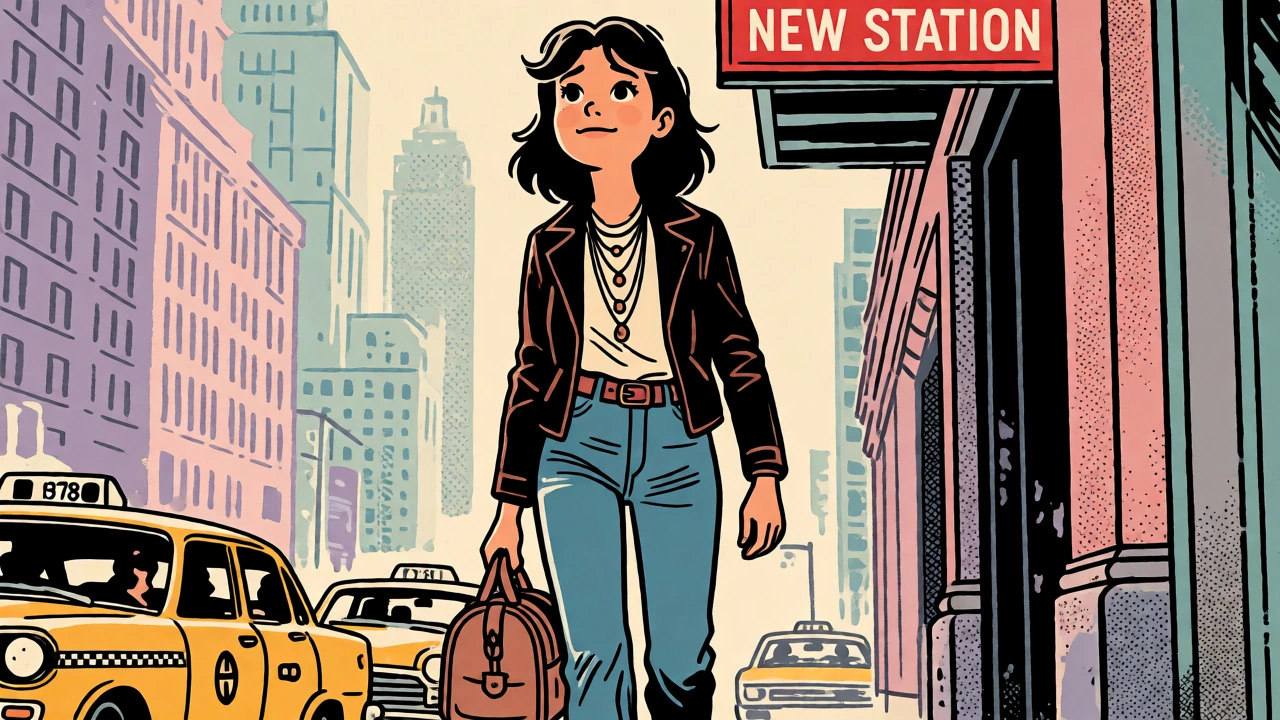

Imagine showing up to a music industry meeting with $35 in your pocket. That is exactly what Madonna did when she arrived in New York City in 1978. She wasn't born into fame; she was born in Bay City, Michigan, on August 16, 1958, and had to hustle her way from dance classes to drumming in bands. By the time she signed with Sire Records in 1982, she was already a survivor of the gritty NYC club scene. But signing a deal is one thing. Becoming the defining face of a decade is another. Her transformation from a struggling artist to the global "Material Girl" didn't happen by accident. It was a calculated collision of talent, timing, and television.
The Blueprint for Breakthrough
Before Like a Virgin changed everything, Madonna released her self-titled debut album in July 1983. It was good-reaching No. 8 on the Billboard 200-but it wasn't explosive. The real shift began when producer Nile Rodgers got involved. Rodgers, famous for his work with Chic, brought a polished, dance-floor-ready sound to her second record. He used top-tier musicians like bassist Bernard Edwards and drummer Tony Thompson at Power Station studios in New York. This wasn't just recording songs; it was engineering a hit machine.
The result dropped on November 12, 1984. The album featured four singles that cracked the top five of the Billboard Hot 100: "Like a Virgin," "Material Girl," "Angel," and "Dress You Up." For the first time, a female artist achieved this level of concentrated chart dominance so quickly. But charts don't tell the whole story. What made this era iconic was how Madonna controlled the narrative across every medium available at the time.
The MTV Moment That Changed Television
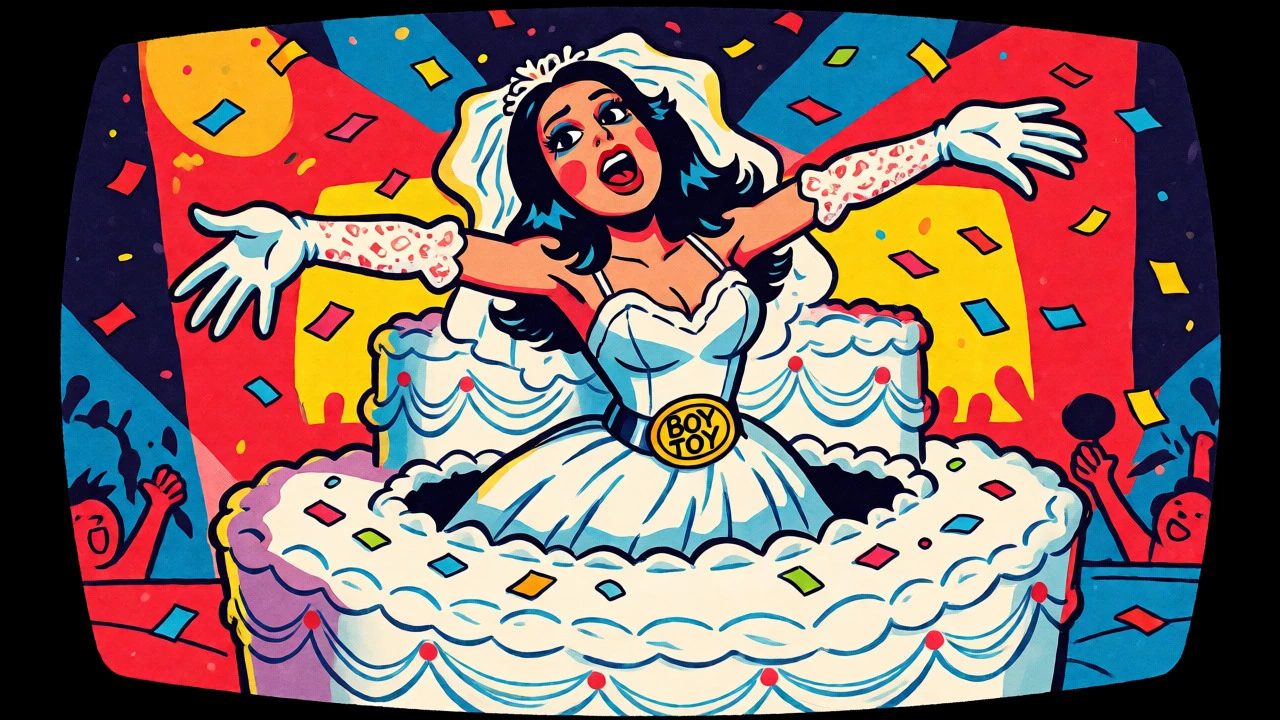
You can't talk about Madonna's rise without talking about MTV. Before 1984, music videos were mostly promotional tools. Madonna turned them into cultural events. On September 14, 1984, at the very first MTV Video Music Awards, she performed "Like a Virgin." She emerged from a 17-foot-tall wedding cake wearing a white bridal dress, lace gloves, and a "Boy Toy" belt buckle.
This wasn't just a performance; it was a spectacle. The Smithsonian Institution notes that this specific moment helped define MTV as a venue for real-time cultural drama. Madonna fused religious imagery (rosaries, crosses) with sexual provocation. She didn't care if you thought she was a saint or a sinner. The debate itself drove sales. By December 14, 1984, "Like a Virgin" hit No. 1 on the Billboard Hot 100 and stayed there for six weeks. The song, written by Tom Kelly and Billy Steinberg, used ambiguous lyrics and a breathy vocal delivery to keep listeners guessing. Was she innocent? Was she experienced? The answer was always "yes," and that ambiguity kept her in the headlines.
Defining the Material Girl Persona
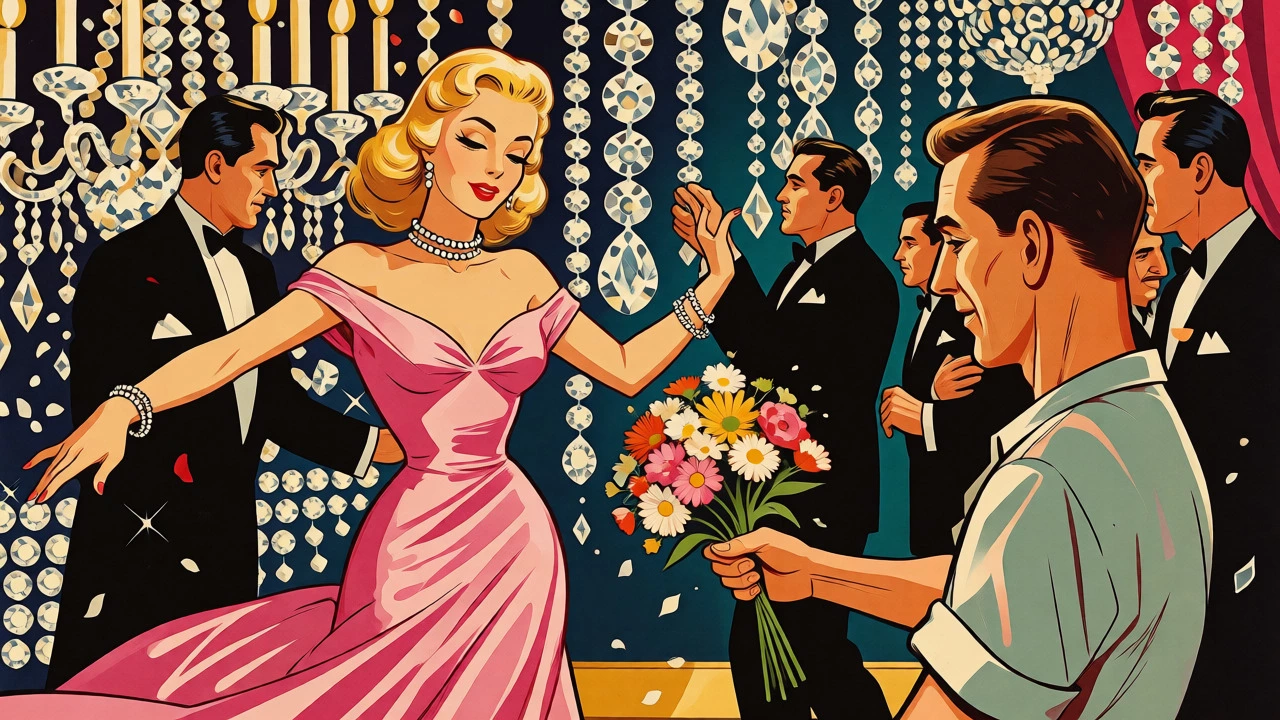
If "Like a Virgin" was the hook, "Material Girl" was the brand. Released in January 1985, the song reached No. 2 on the charts. Its refrain, "We are living in a material world," gave journalists an easy nickname that stuck forever. But here is where most people get it wrong: Madonna wasn't necessarily celebrating greed. The music video, directed by Mary Lambert, recreated Marilyn Monroe's "Diamonds Are a Girl's Best Friend" sequence from the 1953 film Gentlemen Prefer Blondes.
Madonna wore pink satin and danced with tuxedoed men, mimicking Hollywood glamour. However, the video added a twist. A wealthy director tries to buy her affection with diamonds, but she ultimately chooses a bouquet of flowers from a regular guy. The Library of Congress interprets this as a comic critique of consumerism. Madonna played the role of the material girl while simultaneously poking fun at it. She embodied the fantasy of consumption but retained control over the punchline. This layering allowed different audiences to see what they wanted: feminists saw agency, critics saw exploitation, and fans saw style.
| Element | Impact | Cultural Significance |
|---|---|---|
| Like a Virgin Album | First No. 1 Billboard 200 album; 10M+ US sales | Established commercial viability of female-led dance-pop |
| MTV VMA Performance | Wedding cake entrance; viral news coverage | Proved live TV could drive single sales instantly |
| Material Girl Video | No. 2 Hit; recreated Marilyn Monroe aesthetic | Blended nostalgia with modern irony |
| Fashion Trends | Lace, crucifixes, rubber bracelets | Made religious symbols mainstream fashion accessories |
Fashion as a Language
Madonna understood something crucial: clothes are communication. In the mid-1980s, teenage girls saved babysitting money to buy cross-shaped earrings, fluorescent rubber bracelets, and black tube skirts. These weren't just outfits; they were uniforms for a new youth identity. Madonna took Catholic devotional objects and turned them into jewelry. She took underwear and made it outerwear. She took bridal wear and made it provocative.
This created a feedback loop. MTV showed the look, magazines analyzed it, retailers sold copies of it, and fans wore it back to concerts. The cost was low-a tour shirt might be $13, and jewelry pieces ranged from $5 to $30-making it accessible. Unlike high-fashion icons who remained distant, Madonna's style was reproducible. You could go to a local mall and build a Madonna outfit. This accessibility turned passive listeners into active participants in her brand.
From Stage to Screen
While the music was dominating radio, Madonna expanded her reach through film. In March 1985, she starred in Desperately Seeking Susan, playing a free-spirited drifter named Susan. The film opened on 263 screens and grossed over $27 million in the U.S. Critics like Pauline Kael called her an "indolent, trampy goddess," recognizing that her screen presence matched her stage persona.
The movie reinforced her image of urban independence and sexual self-definition. It wasn't a blockbuster in the traditional sense, but it cemented her status as a multimedia star. Around the same time, she launched The Virgin Tour. Running from April to June 1985, the tour grossed approximately $5 million. Tickets for her Radio City Music Hall show sold out in just 34 minutes. This proved her fanbase wasn't just watching TV; they were mobilizing. They bought tickets, shirts, and records, creating a community around her persona.
The Debate Over Authenticity
Not everyone loved Madonna. Contemporary reviews often questioned her musical substance compared to artists like Chrissie Hynde or Laurie Anderson. Some critics argued she was merely a product of marketing, lacking artistic depth. They viewed her use of sexual imagery as pandering rather than empowering.
However, scholars and fans offered a counter-narrative. Many argued that Madonna reclaimed female autonomy by controlling her own sexuality. Instead of being looked at, she forced the audience to look at her on her terms. The ambiguity of her persona was her greatest strength. If she were clearly sincere, she might seem naive. If she were clearly ironic, she might seem cold. By staying in the middle, she invited endless interpretation. This debate generated free publicity. Every argument about whether she was a feminist icon or a capitalist puppet kept her name in the conversation.
Why This Era Still Matters
By the end of 1985, Madonna had achieved what few artists ever do. She had a Diamond-certified album, four top-five hits, a fashion movement, a major film, and a recognizable nickname. But more importantly, she built a blueprint for modern stardom. She showed that an artist could be a singer, a dancer, an actress, a fashion designer, and a media strategist all at once.
Her subsequent album, True Blue (1986), would reach No. 1 in 28 countries, proving her success wasn't a fluke. Yet, the foundation was laid during those intense months between late 1984 and mid-1985. Madonna didn't just ride the wave of the 1980s; she created the current. She demonstrated that in the age of MTV, image and music are inseparable. The "Material Girl" label stuck not because she was greedy, but because she mastered the art of selling herself without losing her voice.
Did Madonna write "Like a Virgin"?
No, Madonna did not write "Like a Virgin." The song was written by Tom Kelly and Billy Steinberg. However, Madonna produced the track with Nile Rodgers, shaping its final sound and vocal delivery to fit her emerging persona.
What was the significance of the 1984 MTV Video Music Awards performance?
Madonna's performance of "Like a Virgin" at the inaugural MTV VMAs is widely credited with helping propel the song to No. 1 on the Billboard Hot 100. Her entrance from a giant wedding cake established her as a master of visual spectacle and proved that MTV performances could directly influence record sales.
How many albums has "Like a Virgin" sold?
"Like a Virgin" has sold more than 10 million copies in the United States alone. It was certified Diamond by the RIAA in 1998. Globally, estimates suggest sales exceeding 21 million copies, making it one of the best-selling albums of all time.
Why is Madonna called the "Material Girl"?
The nickname comes from her 1985 hit single "Material Girl." While the song's lyrics mention living in a material world, the accompanying video and Madonna's ironic delivery suggested a critique of consumerism rather than a straightforward celebration of it. The media adopted the term as shorthand for her glamorous, fashion-forward image.
What role did fashion play in Madonna's rise?
Fashion was central to Madonna's brand. She popularized styles like lace fingerless gloves, crucifix necklaces, and layered jewelry. These items were affordable and easily replicated by teenagers, turning her fans into walking advertisements and creating a distinct visual identity associated with her music.