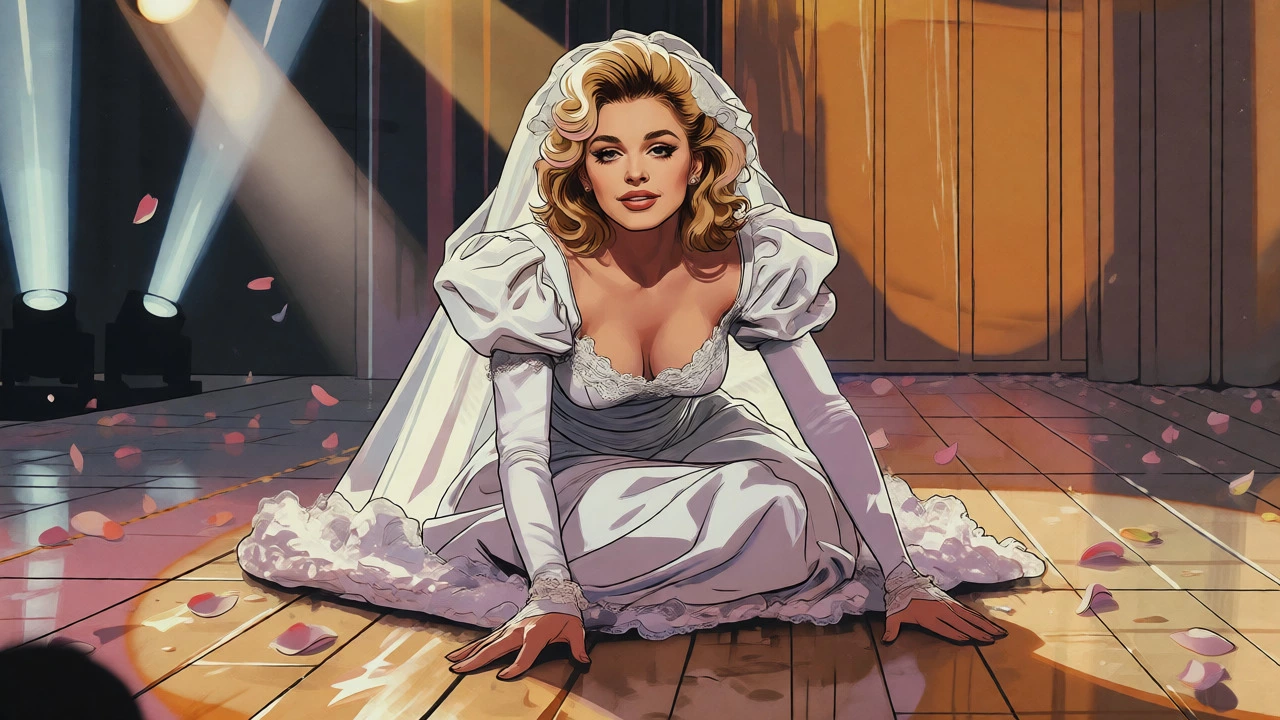

Imagine rolling around on the floor in a wedding dress while millions of people watch. In 1984, that wasn't just a performance; it was a declaration of war against every rule about how women should behave on television. Madonna didn't just sing songs in the 1980s; she weaponized her image to force a global conversation about who controls a woman's body and voice. Before her, female pop stars were often packaged as delicate dolls or passive muses. Madonna shattered that mold by fusing sexual provocation with ruthless business acumen. She turned the music video into a battleground for gender politics, proving that a woman could be both the object of desire and the director of the show. If you think modern pop stars own their narratives today, you're standing on ground Madonna broke open four decades ago.
The Wedding Dress That Changed Everything
Let's look at the moment it all clicked for the mainstream audience. On September 14, 1984, during the first-ever MTV Video Music Awards, Madonna performed "Like a Virgin." She wore a low-cut white gown, rolled across the stage, and acted out female pleasure without apology. The Sydney Morning Herald later noted that this specific act confronted the double standard head-on. Men had been displaying sexual agency on TV for years, but when a woman did it, it felt like a violation of social norms. It wasn't just shock value; it was a strategic move to seize attention in an era where visual media was becoming the primary way we consume culture. By making herself the center of a moral panic, she ensured no one could ignore her. This wasn't accidental chaos. It was calculated disruption designed to challenge the idea that women must remain modest to be respected.
From Muse to Mastermind: Taking Creative Control
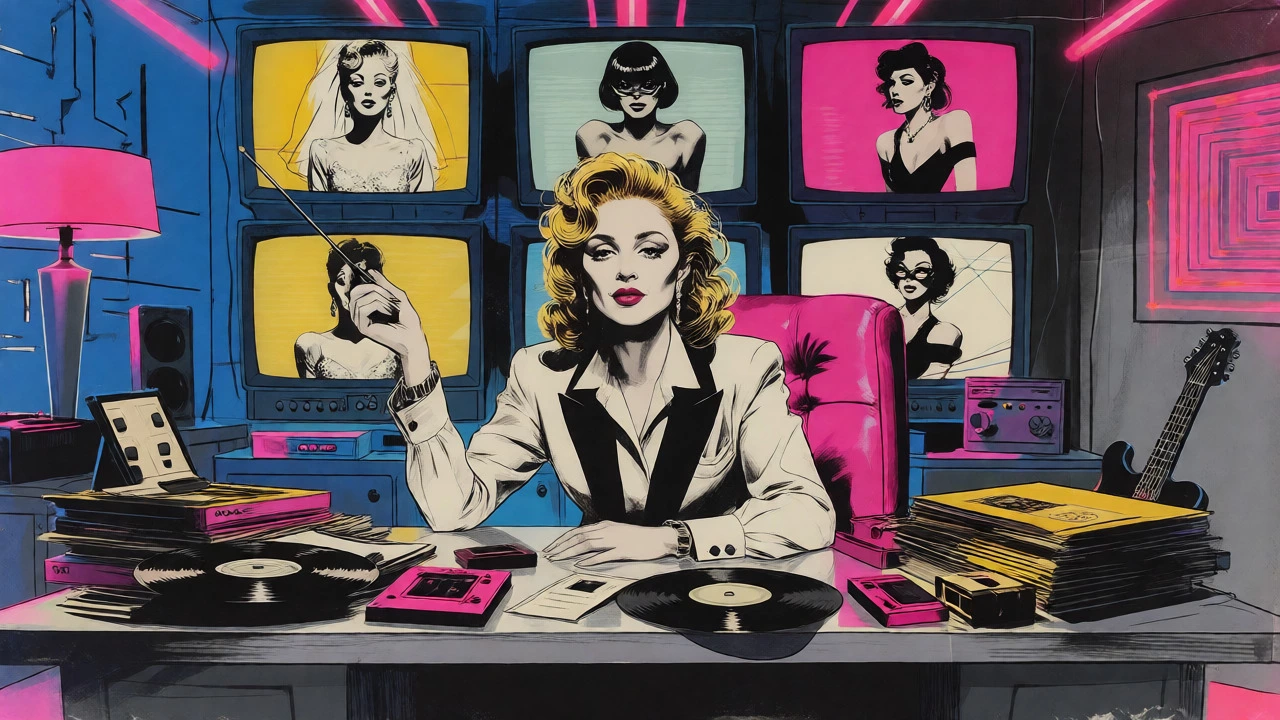
Many people remember the hits, but they forget the struggle behind them. When Madonna released her self-titled debut album in 1983, producers like Reggie Lucas held most of the creative cards. They shaped the sound, picked the singles, and dictated the vibe. Madonna hated it. She realized early on that if she didn't control the product, someone else would sell it for her-and likely misrepresent her. With the 1984 album "Like a Virgin," she shifted gears. She began demanding producer credits, co-directing videos, and overseeing branding decisions. This transition marked the birth of the modern "brand" pop star. She wasn't just a singer; she was a CEO of her own persona. Political scientist Lilly J. Goren points out that this control allowed her to use sexuality as a tool for power rather than just being a victim of industry exploitation. She proved that owning your image is the first step to owning your career.
Blasphemy and Race: The "Like a Prayer" Storm
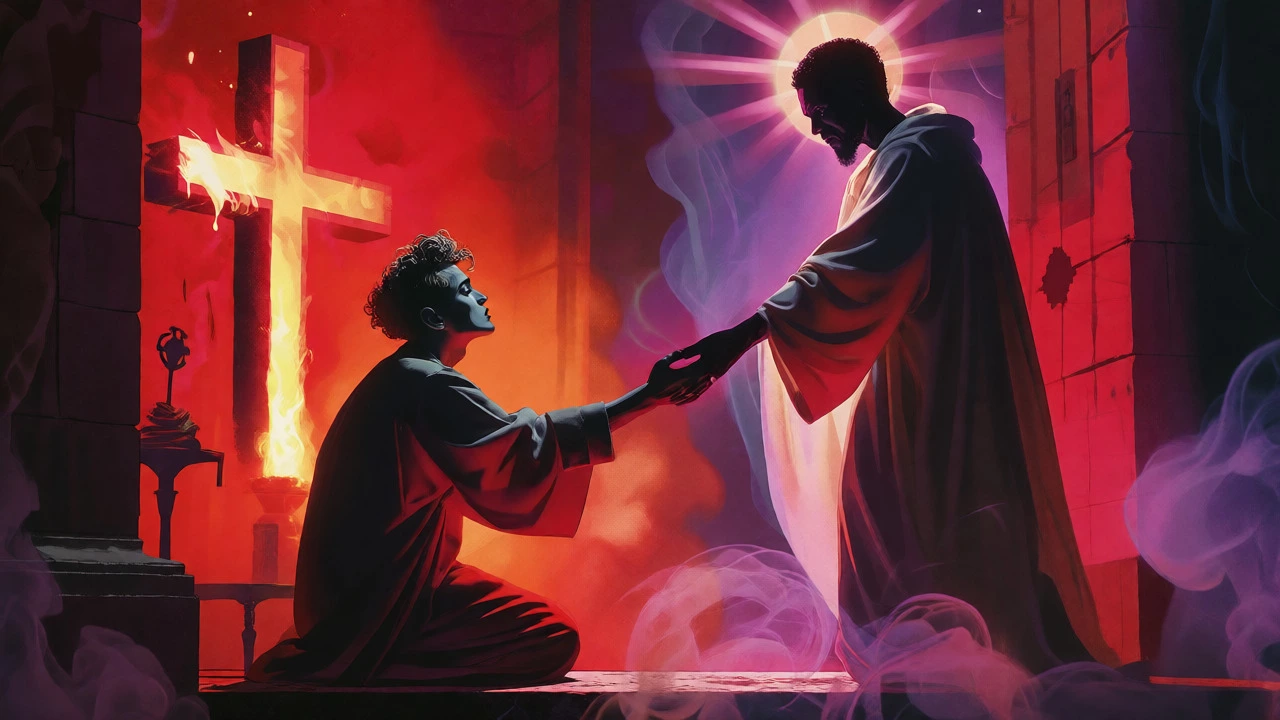
If "Like a Virgin" was a spark, "Like a Prayer" in 1989 was an explosion. The music video featured burning crosses, stigmata, and a romantic kiss between Madonna and a Black saint-like figure. The Vatican condemned it. Pepsi pulled its sponsorship deal. Religious groups protested outside record stores. Why? Because Madonna mixed sacred Catholic imagery with raw sexuality and interracial romance. Co-writer Patrick Leonard even worried that lines like "I'm down on my knees" sounded too much like oral sex, but Madonna refused to change them. She wanted the ambiguity. She wanted viewers to feel uncomfortable because it forced them to question why seeing a woman enjoy sex in a church setting was so offensive. Beyond the religious outrage, the video was a significant statement on racial equality, placing Black holiness and desire at the center of a mainstream pop narrative. It challenged the visual traditions of American media, which had long erased these intersections from prime-time entertainment.
Reproductive Rights in a Dance-Pop Wrapper
We often overlook the political weight of her lyrics because the beats are so catchy. Take "Papa Don't Preach" (1986). On the surface, it's a teen anthem. Underneath, it's a fierce defense of reproductive autonomy. The narrator tells her father she is keeping her baby, defying the pressure to have an abortion. In the mid-1980s, under the Reagan administration, conservative groups like the Moral Majority were pushing hard for traditional family values. Madonna's song gave young women a vocabulary to assert bodily autonomy in a public forum. It wasn't just about pregnancy; it was about economic independence and emotional self-respect. By framing this choice within a dance-pop hit, she brought feminist discourse into living rooms that might never have read a sociology textbook. She showed that personal choices about one's body are inherently political, especially when society tries to dictate those choices through paternalistic pressure.
Queering the Mainstream
Madonna didn't operate in a vacuum. Her rise coincided with the emergence of LGBTQ+ subcultures in New York City clubs, and she pulled those aesthetics into the spotlight. Her videos and tours featured queer-coded dancers, leather-clad figures, and fluid gender expressions. The 1990 release of "Justify My Love" pushed this further, featuring BDSM imagery and androgynous characters that MTV initially banned. This ban only made the video more desirable. By including marginalized identities in her visual language, she normalized non-heteronormative desires for a mass audience. She created a space where fans who didn't fit the straight, white, middle-class mold could see themselves reflected in pop culture. This wasn't just allyship; it was integration. She used her platform to validate identities that were otherwise invisible or ridiculed in mainstream media, paving the way for future artists to explore queer themes without hiding behind metaphors.
The Feminist Debate: Empowerment or Objectification?
Not everyone celebrated Madonna. Academic feminists spent decades arguing over whether she was a liberator or a traitor. Critics argued that by commodifying her sexuality, she reinforced the male gaze. If a woman sells records by showing skin, does she truly gain power, or does she just become a better-marketed object? Supporters counter that she redefined what liberation looks like. Older models of feminism often prioritized respectability and desexualization. Madonna rejected that. She argued that a liberated woman is fully aware of her sexual prowess and uses it on her own terms. This debate remains unresolved because Madonna sits at the intersection of capitalism and feminism. She proved that you can be sexually explicit and professionally dominant, but she also highlighted how the industry quickly learns to exploit any form of rebellion. Her legacy isn't a simple answer; it's a complex mirror reflecting our ongoing struggles with gender, commerce, and consent.
| Year | Work/Event | Cultural Impact | Controversy Triggered |
|---|---|---|---|
| 1984 | "Like a Virgin" VMA Performance | Challenged sexual double standards on live TV. | Perceived indecency; challenged modesty norms. |
| 1986 | "Papa Don't Preach" | Brought reproductive autonomy into pop discourse. | Clashed with conservative "family values" rhetoric. |
| 1989 | "Like a Prayer" Video | Mixed religion, race, and sexuality; challenged blasphemy laws. | Vatican condemnation; corporate boycotts (Pepsi). |
| 1989 | "Justify My Love" Video | Introduced BDSM and queer aesthetics to MTV. | Banned by MTV for explicit content. |
Why Her Strategy Still Matters Today
Look at any major female pop star today-Beyoncé, Rihanna, Taylor Swift-and you'll see echoes of Madonna's playbook. The expectation that artists must have creative control, manage their brand, and engage with social issues is now standard. But back in the 1980s, this was radical. Madonna demonstrated that pop music could be a vehicle for serious cultural negotiation. She didn't just entertain; she provoked. She forced journalists, politicians, and parents to talk about sex, religion, and race in ways they hadn't before. Her ability to pivot between personas-the virgin bride, the dominatrix, the penitent sinner-showed that identity is fluid, not fixed. This postmodern approach to self-presentation allows individuals to curate their own images in a digital age. We are all, in a sense, managing our own "brand" online, a concept Madonna perfected decades ago. She taught us that visibility is power, but it comes with the responsibility of defining what that visibility means.
Was Madonna considered a feminist in the 1980s?
The answer is complicated and debated. Many younger fans and some scholars viewed her as a feminist icon because she took control of her sexuality and career, rejecting traditional passivity. However, older or more traditional feminists often criticized her for seemingly reinforcing patriarchal standards by using sexual appeal to sell records. Madonna herself often avoided the label, preferring to let her actions speak for themselves.
Why was the "Like a Prayer" video so controversial?
The video combined Catholic religious imagery (stigmata, burning crosses) with sexual innuendo and an interracial romance. This mix offended religious conservatives who saw it as blasphemous and commercial entities like Pepsi, who feared alienating customers. The controversy highlighted tensions between artistic freedom and religious sensitivity in mainstream media.
How did Madonna influence MTV's early culture?
Madonna helped define MTV as a visual-first medium. Her performances and videos demanded attention not just for the music, but for the spectacle and narrative. She proved that music videos could drive sales and cultural conversation, encouraging other artists to invest heavily in high-concept visuals and choreography.
Did Madonna write her own songs?
Yes, though she frequently collaborated with producers and co-writers like Stephen Bray and Patrick Leonard. Over time, she gained more writing credits and creative control, moving from being guided by producers in her early work to actively shaping the lyrical and musical direction of her albums.
What was the significance of "Justify My Love" being banned?
MTV banned the video due to its explicit sexual content, including BDSM imagery and nudity. This ban actually boosted the single's popularity, as fans sought out the uncensored version on home video. It marked a turning point where censorship attempts failed to stop the spread of provocative content, accelerating the shift toward less regulated media consumption.