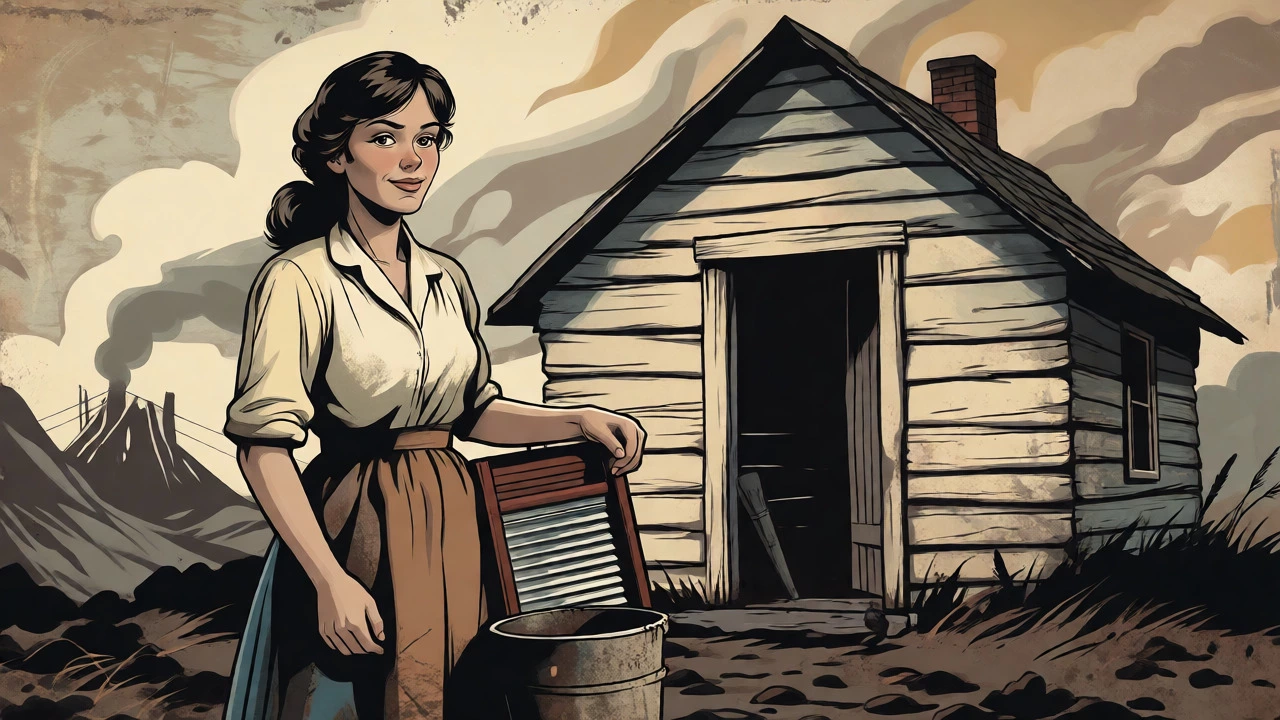

Imagine singing about your own poverty to a nation that often looked down on it. That is exactly what Loretta Lynn did in 1970. Her song Coal Miner’s Daughter wasn't just a hit; it was a declaration of pride from the coalfields of Kentucky. Before this track, country music rarely let women speak for themselves about their origins. Most songs were written by men, painting women as objects or victims. Loretta changed the script. She took her life story-from a one-room cabin in Butcher Holler to the top of the Billboard charts-and turned it into a cultural landmark. This isn't just about a catchy tune. It is about how a working-class woman reshaped the narrative of American music.
The Song That Changed Everything
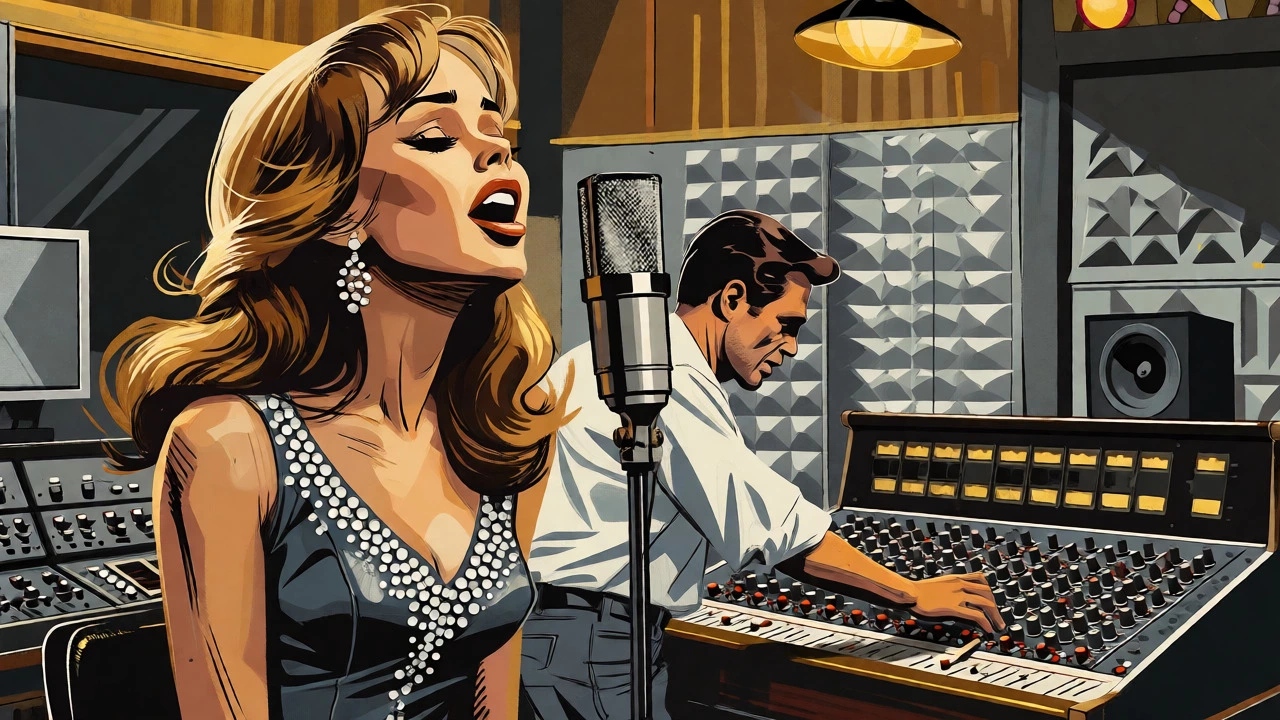
You might think a song about hauling water and washing clothes on a washboard wouldn't cross over to pop radio. You would be wrong. Recorded on October 1, 1969, at Bradley’s Barn in Mount Juliet, Tennessee, the track was produced by Owen Bradley. He was known for the polished "Nashville Sound," but he kept Loretta’s vocals raw and real. The single dropped on October 5, 1970, and by December 19, it sat at No. 1 on the Billboard Hot Country Singles chart. It even cracked the Hot 100, peaking at No. 83. For a genre still largely segregated from mainstream pop, that crossover was huge.
Why did it resonate so deeply? Because it was honest. Loretta wrote every word herself. She didn't hide the dirt roads or the lack of shoes. She celebrated the love in a poor home. This authenticity struck a chord with millions who felt invisible in the media landscape of the time. The song became her signature, leading to an album of the same name in January 1971. It wasn't just a career milestone; it was a rebranding that put her origin story front and center.
Beyond the Three Minutes: Memoir and Film
A three-minute song can only say so much. To tell the full story, Loretta expanded her narrative. In 1976, she published the memoir Loretta Lynn: Coal Miner’s Daughter, co-written with George Vecsey. This 204-page book detailed her marriage at age 14 to Oliver "Doolittle" Lynn, her struggles with abuse, and her rise from honky-tonk singer to national star. It gave voice to the specific hardships of Appalachian women-food scarcity, dangerous mining jobs, and the relentless domestic labor that held families together.
| Format | Release Year | Key Contribution |
|---|---|---|
| Single & Album | 1970-1971 | Established Loretta as a proud working-class icon via radio airplay. |
| Memoir | 1976 | Provided detailed historical context on poverty and gender roles. |
| Film | 1980 | Brought the story to mainstream audiences; won Sissy Spacek an Oscar. |
The story didn't stop there. In 1980, the Hollywood adaptation starring Sissy Spacek brought these themes to cinemas. Spacek won the Academy Award for Best Actress, cementing the film's status as a classic. The movie visualized the grit of Loretta’s early life, showing the coal dust and cramped cabins that defined her childhood. While Hollywood dramatizes events, the core message remained intact: dignity exists outside of wealth. This multi-platform approach ensured that Loretta’s perspective reached far beyond country radio listeners, entering the broader conversation about American identity.
Feminism Without the Label
Here is a controversial idea: Loretta Lynn was a feminist, but she hated the label. During the second wave of feminism in the 1970s, many urban activists ignored rural, working-class women. Loretta felt they missed the point. She didn't want abstract equality; she wanted respect for her labor and control over her body. Songs like "The Pill" (1975) advocated for birth control access, while "Don’t Come Home A-Drinkin’" demanded sobriety and respect from husbands.
Scholars argue that her work articulates a pro-feminist stance grounded in material reality. Unlike Tammy Wynette’s "Stand By Your Man," which suggested enduring suffering for love, Loretta’s lyrics questioned why women had to endure bad behavior. In "Coal Miner’s Daughter," the protagonist is active. She migrates, she sings, she succeeds. She works within traditional roles-as a wife and mother-but exercises agency through storytelling. This distinction matters. It shows that feminism isn't one-size-fits-all. For Loretta, empowerment meant having a voice in a male-dominated industry and acknowledging the hard work of poor women.
Comparing Voices: Loretta vs. The Nashville Machine
To understand Loretta’s impact, look at her contemporaries. Many female artists in the 1960s sang songs written by men, often portraying them as passive or dependent. Loretta stood out because she controlled her narrative. She wasn't just a performer; she was a songwriter drawing from personal experience. This made her connection with fans stronger. They saw their own lives reflected in her lyrics.
Consider the difference between generic love songs and Loretta’s autobiographical hits. Tracks like "One’s on the Way" critique the pressure to have children constantly, a direct nod to the economic strain of large families in poverty. This specificity allowed her to build a loyal female fanbase that felt seen. The Nashville establishment often preferred polished, less risky content. Loretta offered something rougher and more truthful. Her success proved that audiences craved authenticity over polish, especially when it came to stories about class and gender.
Legacy and Modern Relevance
Today, decades after its release, "Coal Miner’s Daughter" remains a touchstone. It is taught in universities as a key text for understanding class and gender in American culture. With the rise of interest in Appalachian studies and working-class narratives, Loretta’s work feels more relevant than ever. Issues of economic inequality and gendered labor are still central to political debates. Loretta addressed them head-on, without jargon or academic pretension.
Her death in 2022 sparked renewed interest in her catalog. New editions of her memoir continue to sell, proving that the demand for authentic working-class stories hasn't faded. The song’s structure-a simple waltz-like feel with sparse instrumentation-allows the lyrics to shine. It reminds us that sometimes, the most powerful statements are the simplest ones. Loretta didn't need fancy production to make her point. She just needed the truth.

Quick Summary / Key Takeaways
- Authenticity Wins: Loretta Lynn’s success stemmed from writing her own songs about real working-class experiences, contrasting with the male-written narratives common in Nashville.
- Crossover Appeal: The song broke barriers by reaching No. 1 on country charts and cracking the pop Top 100, bringing Appalachian stories to a national audience.
- Redefining Feminism: Lynn championed issues like birth control and marital respect without adopting the feminist label, focusing on the practical needs of rural women.
- Multi-Media Impact: The transition from song to memoir to Oscar-winning film amplified the reach of her working-class narrative, embedding it in American cultural history.
- Enduring Legacy: Decades later, the work remains a critical resource for scholars studying class, gender, and regional identity in music.
Frequently Asked Questions
Did Loretta Lynn write "Coal Miner's Daughter"?
Yes, Loretta Lynn wrote the song entirely by herself. This was unusual for the time, as many country hits were penned by professional songwriters rather than the performers themselves. Her authorship added to the song's credibility and emotional weight.
Was the movie accurate?
The 1980 film starring Sissy Spacek was generally considered faithful to the spirit of Loretta's memoir. While Hollywood adaptations always compress timelines and dramatize scenes, critics noted that it retained key factual details about her early marriage, pregnancies, and industry struggles.
Why did Loretta reject the feminist label?
Loretta felt that mainstream feminist leaders of the 1970s ignored the specific struggles of poor, rural women. She believed their focus on career advancement didn't address basic needs like food security, safe marriages, and healthcare. She advocated for those things directly in her music instead.
How high did the song chart?
"Coal Miner's Daughter" reached No. 1 on the Billboard Hot Country Singles chart in December 1970. It also crossed over to the pop charts, peaking at No. 83 on the Billboard Hot 100, marking Loretta's first entry on that list.
What is Butcher Holler?
Butcher Holler is a community in Johnson County, Kentucky, where Loretta Lynn was born. It was a coal-mining town characterized by extreme poverty and hard physical labor. The location serves as the geographic anchor for her identity and her music.