
Imagine trying to organize a global event that stops the world for sixteen hours. You have less than three months to pull it off. You need to coordinate over seventy of the biggest rock stars on the planet, two massive stadiums on different continents, and a satellite network that barely existed in its current form. That was Live Aid, a dual-venue benefit concert held on July 13, 1985, aimed at raising funds for victims of the Ethiopian famine. Was it the greatest? If you define "greatest" by sheer scale, cultural impact, and the sheer audacity of pulling it off, the answer is almost certainly yes. But if you dig into the details, the story gets messier, more controversial, and arguably more interesting.
The Spark: From a News Report to a Global Movement
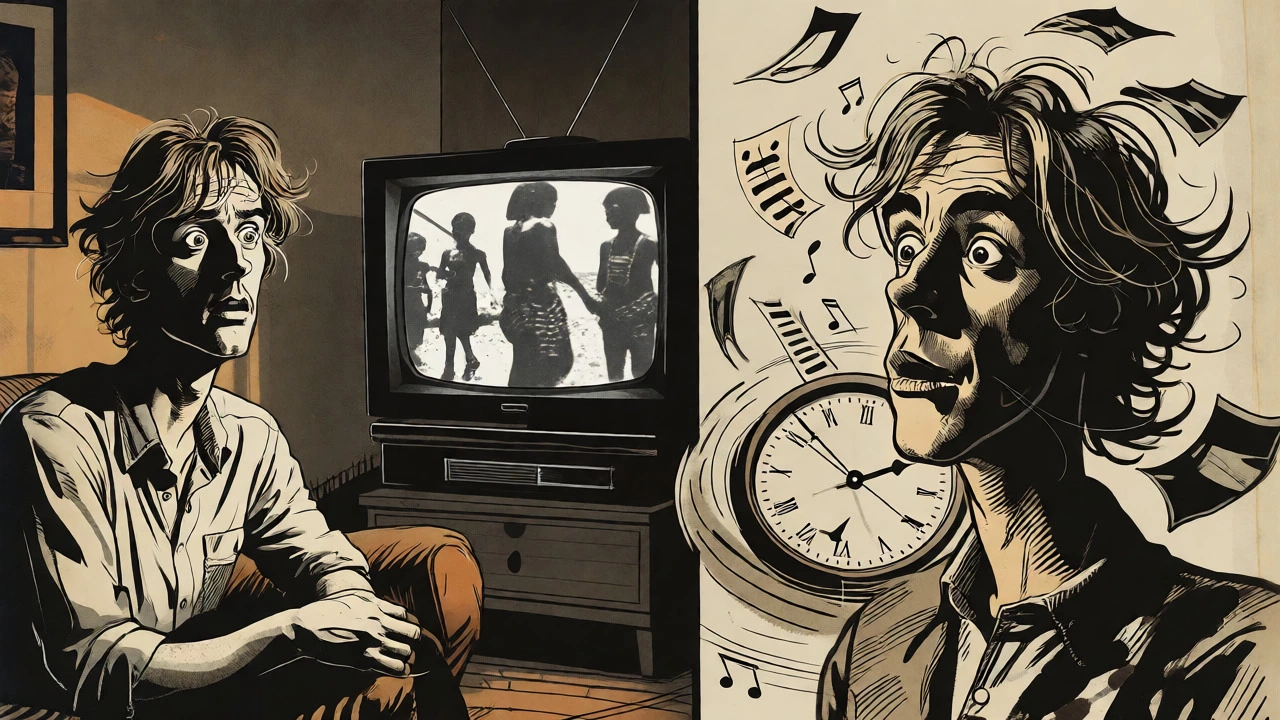
It didn’t start with a stadium booking. It started with a TV screen. In October 1984, BBC reporter Michael Buerk broadcast harrowing footage of the famine in Ethiopia. Bob Geldof, the frontman of The Boomtown Rats, saw the report and felt compelled to act. He wasn’t a politician or an aid worker; he was a rocker with a platform. He called Midge Ure from Ultravox, and together they wrote "Do They Know It’s Christmas?". The single raised millions, but Geldof realized that money alone wasn’t enough. He needed attention. He needed a spectacle. The result was Live Aid, conceived and executed in roughly ten to twelve weeks. This timeline is still staggering to anyone who has ever tried to plan a dinner party, let alone a transatlantic marathon.
The Logistics: Satellites, Concorde, and Chaos
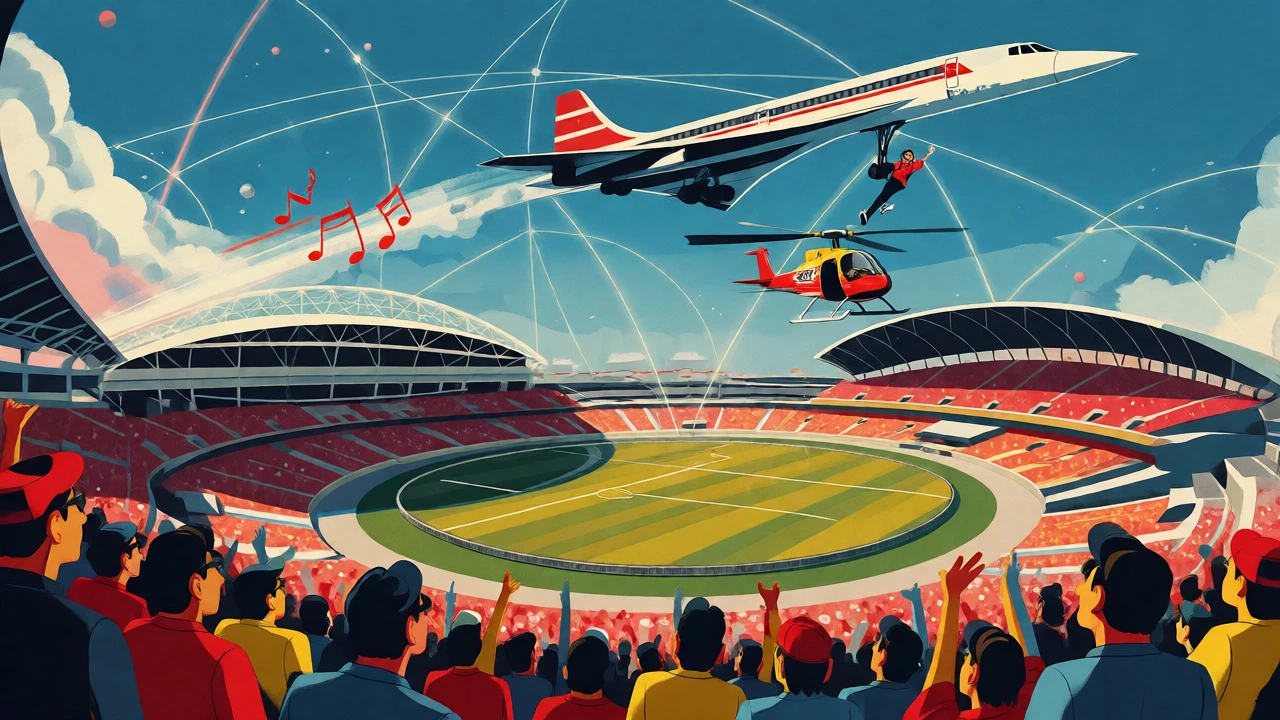
How do you make two venues feel like one? You cheat, technically speaking. The production team used thirteen satellites and twenty-two transponders to link Wembley Stadium in London and John F. Kennedy Stadium in Philadelphia. This wasn’t just a local TV broadcast; it was piped to over 110 countries live, with taped distribution reaching dozens more. Estimates of the audience range wildly because defining a "viewer" in 1985 was tricky. Some sources say 1.5 billion people watched. Others push it to 2 billion. Regardless of the exact number, it was likely the largest simultaneous television audience in history at that point.
The logistics were frantic. Artists had about twenty minutes each. Stage gear was stripped down to allow for rapid changeovers. One of the most famous stories involves Phil Collins. After playing his set in London, he hopped on a Concorde flight to New York, then took a helicopter to Philadelphia, and performed again later that day. He didn’t sleep between shows. This kind of logistical gymnastics defined the event. It wasn’t polished; it was raw and urgent.
| Metric | Value / Detail |
|---|---|
| Venues | Wembley (London), JFK (Philadelphia) |
| Duration | Approximately 16 hours |
| Performers | Over 70 acts |
| Immediate Funds Raised | ~£40 million (approx. $55 million USD in 1985) |
| Total Impact (incl. later sales) | Estimated £150+ million |
| Satellite Coverage | 13 satellites, 22 transponders |
The Music: When Queen Stole the Show
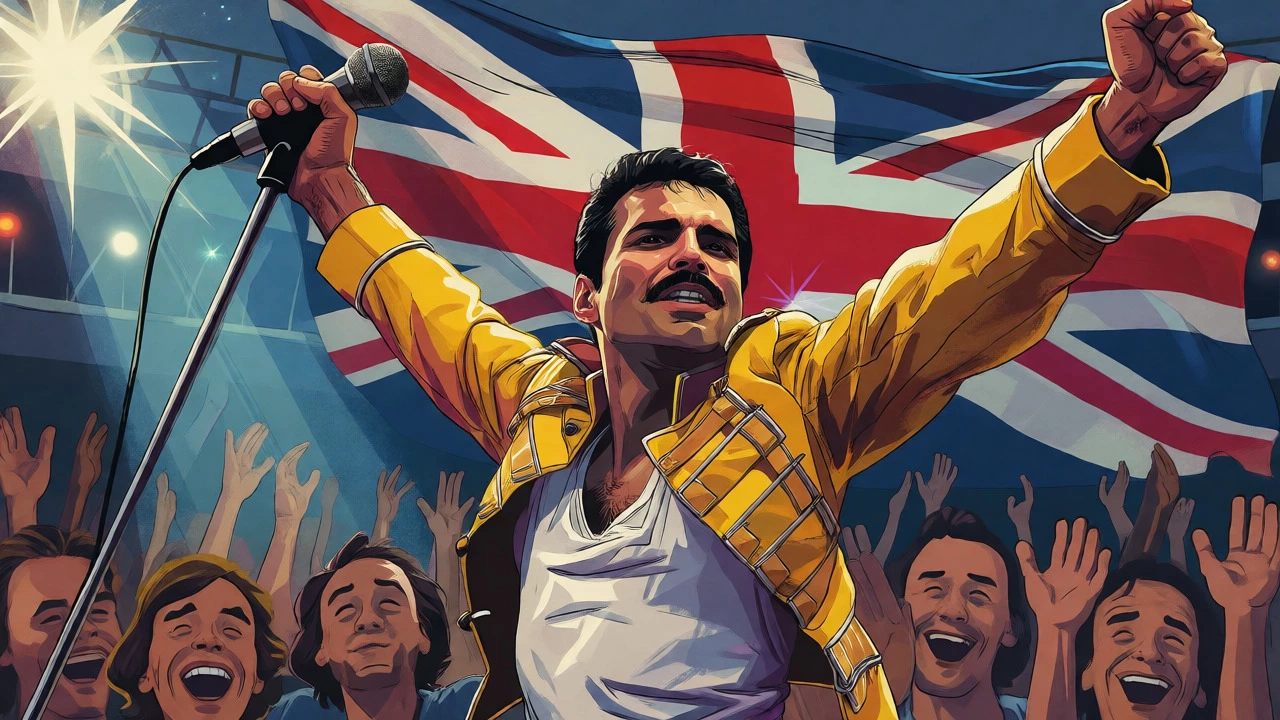
You can talk about logistics all day, but people remember Live Aid for the music. And specifically, they remember Queen. Their 21-minute set at Wembley is widely considered the greatest live performance in rock history. Freddie Mercury didn’t just sing; he controlled 72,000 people with a clap and a call-and-response chant. Tracks like "Bohemian Rhapsody," "Radio Ga Ga," and "We Are the Champions" weren’t just songs; they were communal rituals. A BBC survey reportedly found that 60% of viewers rated Queen as the best act of the day. It wasn’t just talent; it was charisma weaponized for charity.
Other performances cemented legacies too. U2 used their slot to establish themselves as a stadium band, though their extended jam on "Bad" meant they ran long and missed some of their planned songs. David Bowie delivered a tight set including "Heroes" and "Let’s Dance", proving he could command a crowd without theatrics. Meanwhile, technical failures happened. The Who’s transmission cut out during "My Generation," a glitch that ironically added to the chaotic charm of the event. The format favored hits. With only twenty minutes per act, there was no room for deep cuts. You got the bangers, fast.
The Money and The Mission
Did it work? Yes, but not perfectly. The immediate goal was emergency food aid. The concert raised about £40 million in direct donations during the broadcast. Later merchandise, video sales, and continued Band Aid efforts pushed the total closer to £150 million. That’s a lot of grain. However, the flow of money wasn’t simple. About half went to immediate food supplies, while the rest targeted long-term development projects.
Critics argue that the aid itself was complicated. Ethiopia was under the regime of Mengistu Haile Mariam, a dictator involved in civil war and forced resettlement policies. Some analysts, like Alex de Waal, suggested that international aid might have inadvertently prolonged the conflict by freeing up government resources for military spending rather than solely feeding people. There were also allegations of diversion-claims that aid bought weapons. While a BBC investigation later clarified that evidence for widespread diversion of Live Aid funds specifically was weak, the controversy stuck. It highlighted a hard truth: throwing money at a complex political crisis doesn’t always fix it.
The Cultural Legacy: Saviorism vs. Solidarity
Live Aid changed how we think about celebrity activism. Before this, rock stars made records. After this, they saved the world. But this shift came with baggage. Critics like Suzanne Franks pointed out the "white savior" narrative. The campaign framed Africa as a monolithic continent of helpless victims needing Western rescue. Ethiopian voices were largely absent from the stage and the narrative. We heard "Feed the World," but we rarely heard from Ethiopians explaining what they actually needed.
This framing influenced decades of charity marketing. It created a model where emotional imagery trumped structural analysis. For a generation of Western viewers, Africa became synonymous with famine, ignoring its diversity and agency. Yet, despite these flaws, the concert proved that pop culture could mobilize mass empathy. It paved the way for everything from Farm Aid to Live 8 and modern viral challenges. It showed that when artists unite, they can move markets and governments.
Was It Really the Greatest?
Compared to other 1980s benefits, Live Aid stands alone. Farm Aid focused on US farmers and lacked the global TV footprint. The Concert for Kampuchea was artistically strong but smaller in scope. Live 8 in 2005 tried to replicate the magic but focused on policy change rather than emergency cash. Live Aid combined urgency, scale, and star power in a way that hasn’t been matched since.
Is it musically perfect? No. The sound quality varied, some acts were under-rehearsed, and the finale was messy. But perfection isn’t the point. The point was connection. For one day, the world watched the same thing. People in Portland, Oregon, and people in London and Philadelphia shared a moment. That shared experience, fueled by great music and a desperate cause, is why we’re still talking about it forty years later.
How much money did Live Aid actually raise?
Directly during the broadcast, it raised approximately £40 million (around $55 million at the time). Including subsequent merchandise sales, video rights, and ongoing Band Aid fundraising, estimates often reach over £150 million.
Who organized Live Aid?
The primary organizers were Bob Geldof, frontman of The Boomtown Rats, and Midge Ure, vocalist of Ultravox. They built upon the success of their earlier charity single, "Do They Know It's Christmas?"
Which band gave the best performance?
While subjective, Queen's performance is widely cited by critics and audiences as the standout set of the day. Freddie Mercury's ability to engage the 72,000-person crowd is often described as legendary.
Did Live Aid solve the Ethiopian famine?
No. While it raised significant funds and brought global attention to the crisis, the famine was driven by complex factors including drought, civil war, and government policy. Aid helped alleviate suffering but did not resolve the underlying political issues.
Why was Phil Collins able to play in both cities?
He played his set in London, then traveled via Concorde supersonic jet to New York, followed by a helicopter ride to Philadelphia. He performed again later that evening, making him the only major act to perform at both venues.