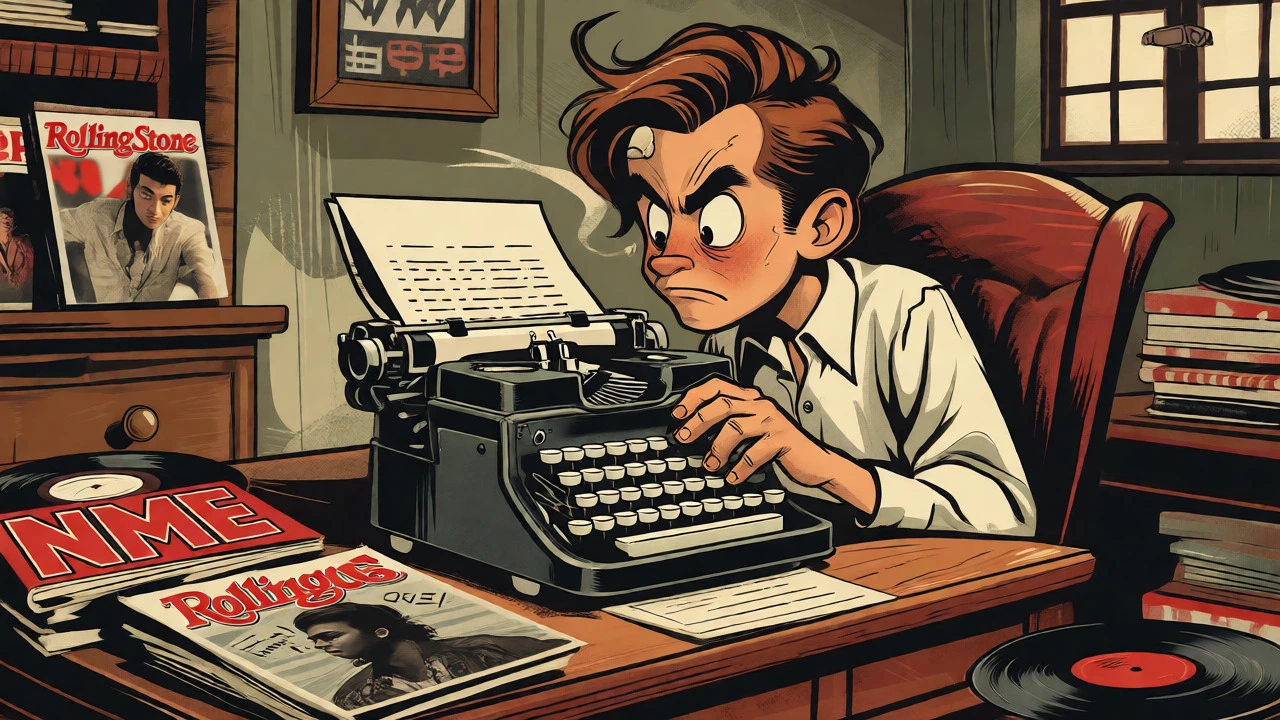

Remember the last time you saw a hot take in a music magazine that made your blood boil? Maybe it was a review of an album you loved, or an op-ed claiming a certain genre was "dead." In the old days, you couldn't just tweet back at the writer. You had to sit down, type up a letter, and hope an editor picked it up. That process wasn't just about venting; it was a structured form of audience dialogue that shaped how we talk about music today.
Today, comments sections are flooded with bots and trolls, and social media threads move so fast they’re gone before you can formulate a coherent thought. But Letters to the Editor (LTEs) still hold a unique spot in music journalism. They represent curated, signed, and edited public opinion. It’s not just noise; it’s a signal. If you’re a fan, a critic, or someone trying to understand how media actually listens to its readers, understanding this mechanism is crucial. It’s the difference between shouting into a void and having your name printed next to a counter-argument.
The History of Reader Power in Print
Before algorithms decided what you read, editors did. And before editors could hide behind data dashboards, they had to deal with angry letters. Historically, LTEs emerged alongside the rise of printed periodicals in the 18th and 19th centuries. Early printers like Benjamin Franklin didn’t just print news; they invited correspondence to fill pages and spark community debate. By the partisan press era in the US (roughly 1780-1830), letters made up over 30% of editorial content in some papers. Yes, thirty percent. Readers weren’t passive consumers; they were active participants in defining the narrative.
In the context of music journalism, this tradition carried forward. When Rolling Stone or NME published a controversial review, the letters page became the battleground. It wasn’t just about agreeing or disagreeing; it was about holding critics accountable. Did the reviewer miss the cultural context of punk? Was the jazz analysis too academic for the general reader? These questions found their way into print because readers demanded them. The letters page served as a check on editorial bias, forcing publications to acknowledge dissenting views rather than burying them.
Why Gatekeeping Isn’t Always Bad
Critics often argue that editorial gatekeeping stifles free speech. But in the world of critical feedback, gatekeeping acts as a quality filter. Unlike a Twitter thread where anyone can post anything, LTEs require submission, screening, and editing. Editors look for clarity, relevance, and civility. They rarely accept anonymous letters. You have to sign your name, provide contact details, and stand by your words.
This creates a higher bar for discourse. A study cited by Yale’s Institution for Social and Policy Studies noted that editors ranked letters among the top three most-read items in newspapers. Roughly 50% of surveyed readers reported reading them at least occasionally. Why? Because they felt authentic. When you see a letter from "John Doe, Portland, OR," you know it’s a real person engaging with the material. In music journalism, this adds weight. A complaint about a lack of diversity in festival lineups hits harder when it’s a signed letter from a local organizer than when it’s an anonymous comment section rant.
How Letters Shape Music Journalism Today
You might think LTEs are relics of the paper age, but they’ve adapted. Most major outlets now accept submissions via email or web forms, publishing them both in print and online. However, the core function remains: providing a visible record of audience reaction. In the digital age, where engagement metrics often prioritize outrage, LTEs offer nuance. They allow for longer-form argumentation within tight word limits (usually 150-300 words).
For music fans, this matters because it forces journalists to consider the reception of their work. If a publication consistently publishes letters challenging a specific trend-say, the over-hyping of legacy acts-the editorial team takes note. It signals that the audience is tired of the same old narratives. Conversely, if a new artist gets a lukewarm review but generates a wave of supportive letters, it suggests the critic may have missed the mark. This feedback loop helps calibrate the tone of future coverage.
| Feature | Letters to the Editor | Social Media Comments | Email to Reporter |
|---|---|---|---|
| Visibility | High (Published officially) | Variable (Algorithm-dependent) | Low (Private) |
| Accountability | Full Name & Location Required | Pseudonymous or Verified | Known Sender |
| Editorial Control | High (Curated selection) | Low (Moderated only) | None |
| Impact on Coverage | Significant (Public record) | Moderate (Trend-based) | Direct (One-on-one) |
Writing a Letter That Actually Gets Published
If you want to join this dialogue, you need to play by the rules. Most outlets have strict guidelines. The American Association of University Professors (AAUP) and advocacy groups like the ACLU emphasize brevity. Aim for under 300 words. Focus on one clear point. If you try to address five different issues in a single letter, you’ll likely get cut.
Timeliness is key. Respond within 1-2 days of the article’s publication. Reference the title, author, and date explicitly. Editors receive hundreds of submissions; make it easy for them to verify what you’re responding to. Also, demonstrate local impact or personal expertise. If you’re writing about a concert venue closure in Portland, mention your experience as a patron or neighbor. Specificity sells.
- Keep it short: Stick to 150-300 words.
- Be specific: Cite the article by name and date.
- Sign it: Include your full name, city, and state.
- Stay civil: Attack the argument, not the person.
- Proofread: Typos undermine credibility.
The Democratic Value of Curated Dissent
Scholars like Wahl-Jorgensen describe letters pages as spaces of "mediated popular opinion." While this filtering process can marginalize less articulate voices, it also protects the discourse from degenerating into pure toxicity. In music journalism, where fandom can turn tribal quickly, this curation is vital. It ensures that the conversation remains grounded in evidence and reason, even when emotions run high.
Moreover, LTEs serve as a historical archive. Decades from now, researchers will look at these letters to understand how audiences perceived key musical shifts. Were people resistant to hip-hop in the 90s? Did they embrace indie rock in the 2000s? The letters tell the story that official editorials sometimes gloss over. They provide a raw, unfiltered glimpse into the collective consciousness of music fans.
Future Outlook: Will LTEs Survive?
Despite the rise of TikTok and Instagram Stories, LTEs aren’t dying. They’re evolving. Many digital-native outlets integrate them into broader "Opinion" sections, blending traditional letters with user-generated content and expert panels. The Poynter Institute notes that editors value LTEs because they signal accountability. Publishing criticism shows that the newsroom isn’t an echo chamber.
As long as people care about music enough to defend their tastes or challenge a critic’s authority, there will be a place for letters. They offer something social media can’t: permanence and prestige. Your name in print (or on the homepage) carries weight. It says, "I engaged, I argued, and I mattered." For those who feel unheard by the algorithmic churn of modern media, the letter to the editor remains a powerful tool for reclaiming agency in the conversation.
Do music magazines still publish letters to the editor?
Yes, many major music publications like Rolling Stone, Pitchfork, and NME continue to feature letters or reader responses, though they may appear primarily online or in digital newsletters rather than just in print. The format has adapted to include shorter, punchier reactions suitable for mobile reading.
How long should a letter to the editor be?
Most publications prefer letters between 150 and 300 words. Brevity increases your chances of publication because space is limited. Focus on making one strong, clear argument rather than covering multiple points.
Can I submit a letter anonymously?
Rarely. Most reputable outlets require the writer's full name, location, and contact information for verification purposes. Anonymity is typically reserved for sensitive topics where the writer fears professional or personal repercussions, but standard policy demands identification.
What makes a letter to the editor effective?
Effective letters are timely, specific, and civil. They reference the original article clearly, present a focused counter-argument or supporting point, and avoid ad hominem attacks. Including personal anecdotes or local context can also strengthen the appeal.
Why do editors choose some letters and not others?
Editors select letters based on relevance, clarity, diversity of viewpoint, and timeliness. They aim to reflect a range of audience opinions, often choosing letters that challenge the prevailing narrative or highlight overlooked aspects of a story.