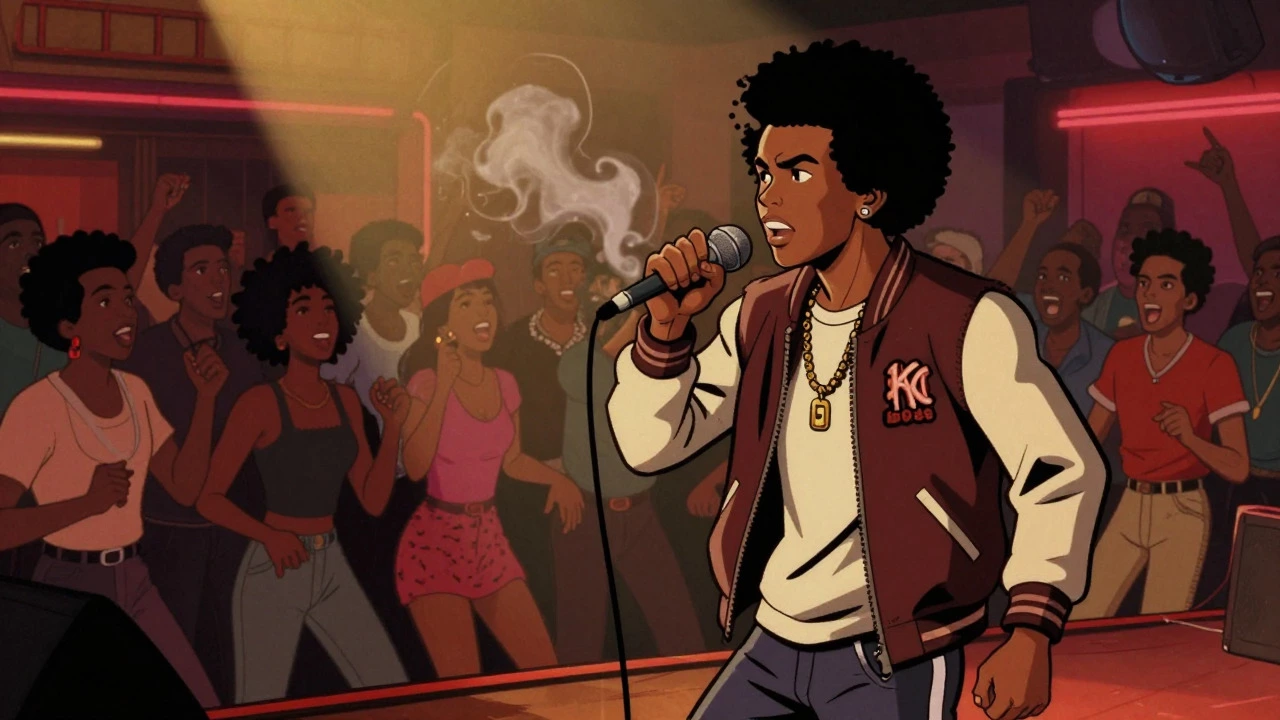

Imagine a room packed with hundreds of people in December 1981. The air is thick with smoke and anticipation. On stage, Busy Bee Starski is the reigning champion, known for getting crowds to chant along with simple, high-energy routines. He’s the favorite to win. But then, a challenger steps up. He doesn’t just want to hype the crowd; he wants to dismantle his opponent line by line. This wasn’t just another MC contest. It was the moment hip-hop stopped being purely about party vibes and started becoming an art form built on technical skill, written verses, and strategic insults.
This event, widely recognized as the first major recorded battle in hip-hop history, took place at the Harlem World club in Manhattan. The challenger was Kool Moe Dee, born Mohandas Dewese, who would go on to be called “the original technical lyricist.” In roughly six minutes, Kool Moe Dee didn’t just beat Busy Bee; he changed the rules of the game forever. If you’ve ever wondered why modern rappers focus so heavily on complex rhyme schemes and lyrical dissection, you can trace that lineage back to this specific night.
The Clash of Styles: Party Hype vs. Technical Precision
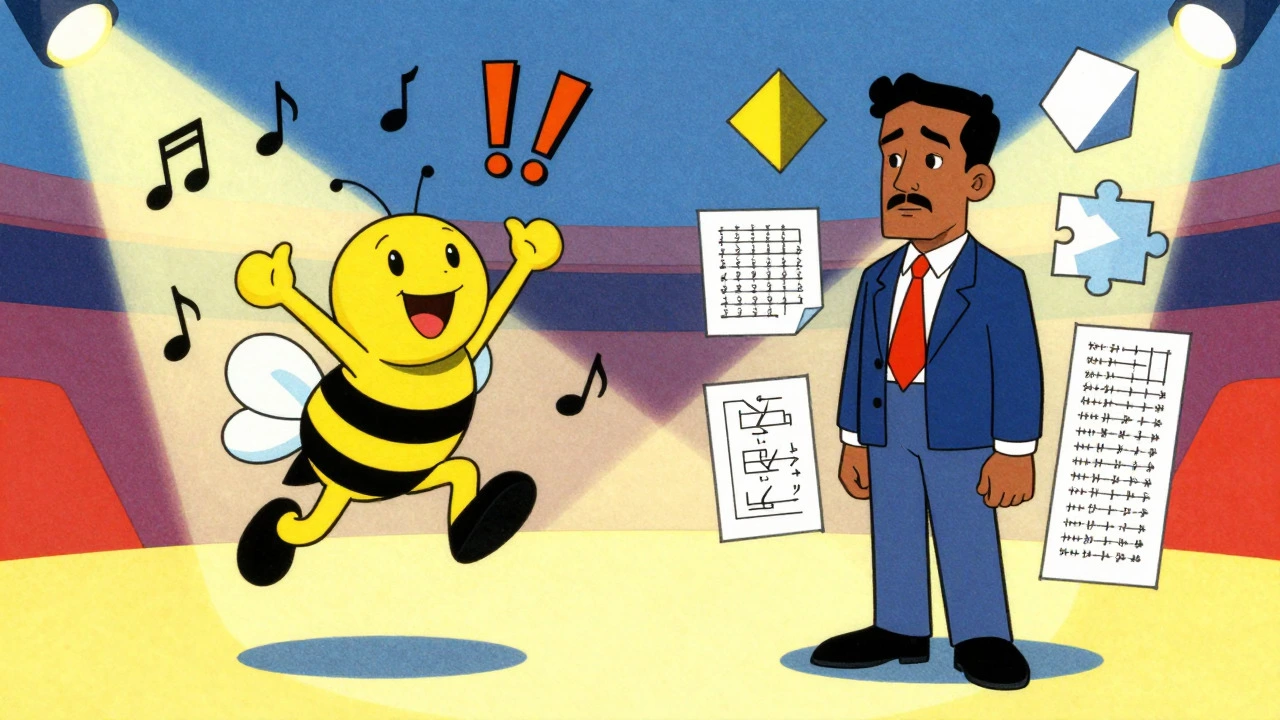
To understand why Kool Moe Dee’s performance was such a shock, you have to look at what came before it. In the early days of hip-hop, success was measured by how well an MC could move a crowd. Busy Bee Starski, whose real name was David Parker, was the master of this approach. His style relied on call-and-response patterns like “yes yes y’all” and repetitive chants that got everyone jumping. It was effective, energetic, and perfect for parties.
Kool Moe Dee, however, had a different philosophy. As a member of the Treacherous Three, he was already experimenting with more structured rhymes. He believed that MCing should involve pre-written, complex lyrics rather than improvised shouts. When he stepped onto the stage at Harlem World-whether on Christmas Eve or December 30, depending on which account you believe-he brought a completely different weapon: vocabulary and logic.
Instead of asking the crowd to clap, Kool Moe Dee asked them to listen. He constructed arguments. He used internal rhymes and multi-syllabic patterns that were unheard of in battles at the time. While Busy Bee represented the old guard of party entertainment, Kool Moe Dee introduced the concept of the MC as a craftsman. This shift from “crowd-pleasing” to “skill-displaying” is the core reason this battle remains relevant decades later.
Anatomy of a Demolition: Deconstructing the Wordplay
What exactly did Kool Moe Dee say that caused such a stir? He didn’t just throw generic insults. He targeted specific weaknesses in Busy Bee’s persona and style. One of the most famous moments involves Kool Moe Dee accusing Busy Bee of stealing his stage name. He called out the practice of “name-biting” as low-down behavior, linking authenticity to originality. By framing himself as the genuine article and Busy Bee as a counterfeit, he stripped away the latter’s credibility before even addressing his rapping skills.
He also directly attacked Busy Bee’s signature sound. Kool Moe Dee told him to put his “ba-di-di-ba” style on hold. This phrase has become iconic because it mocked the simplistic, repetitive nature of earlier hip-hop. It was a clear statement: the old way was over, and a new level of complexity was here. He argued that relying on gimmicks and crowd participation was “bullshit” compared to true lyrical precision.
The structure of his verse was methodical. He didn’t jump randomly from one insult to another. He built a case:
- First, he questioned Busy Bee’s authenticity (the name theft).
- Second, he critiqued his musical style (the repetitive chants).
- Third, he highlighted his own technical superiority (the complex rhymes).
This logical progression made his attack feel less like a rant and more like a verdict. For six minutes, he sustained this intensity without filler, proving that endurance and preparation were part of the craft. It was a single extended essay in rhyme, delivered with confidence and clarity.
The Tape That Traveled: Distribution and Legacy
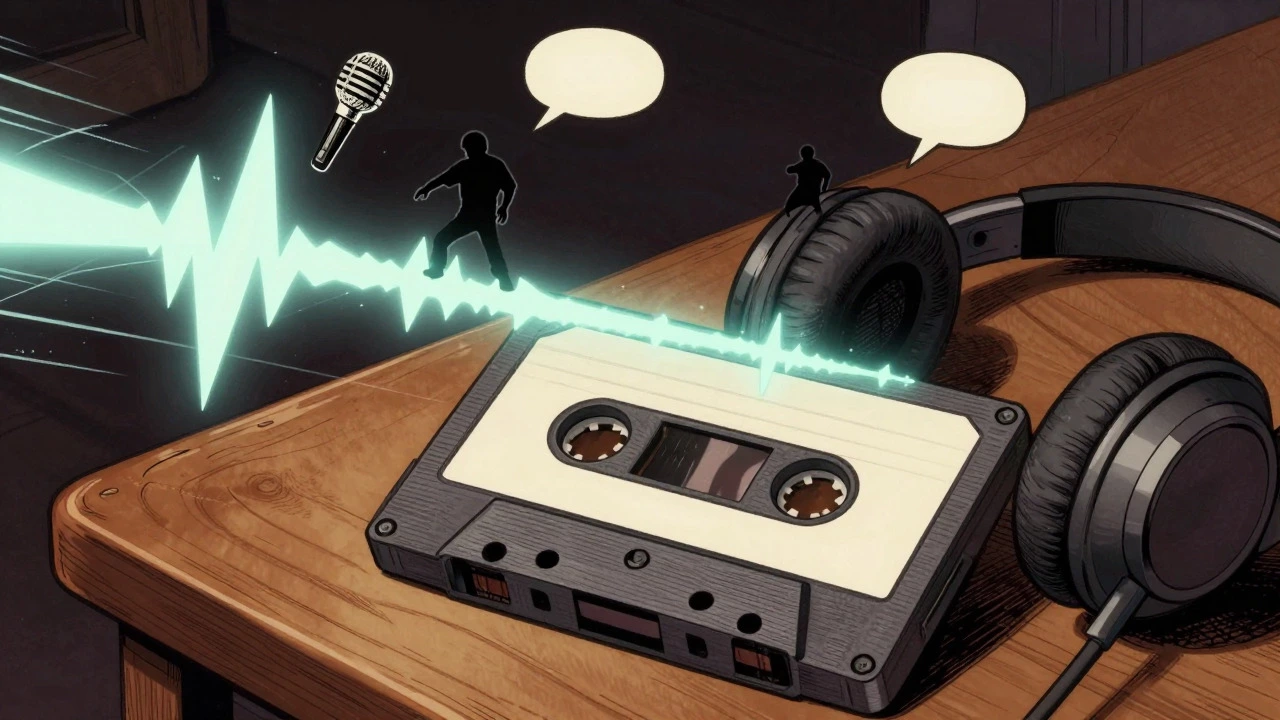
In 1981, there were no streaming services or social media to spread viral videos. Instead, hip-hop culture relied on the cassette tape. The recording of the Harlem World battle, produced by DJ Easy Lee, became one of the most circulated tapes of the era. People dubbed copies and passed them around New York and beyond. This informal distribution network turned a local club event into a transregional reference point.
Because the tape spread so quickly, Kool Moe Dee’s victory wasn’t just a local win; it set a new standard for the entire genre. Aspiring MCs listened to those six minutes repeatedly, studying how he constructed his lines. They realized that if they wanted to be taken seriously, they needed to write their verses, not just freestyle party chants. This tape effectively served as the blueprint for battle rap, influencing rivalries and competitions throughout the 1980s and 1990s.
The impact was immediate. Commentators note that after this battle, the definition of a “good MC” shifted. Charisma alone was no longer enough. You needed words. You needed structure. You needed to be able to defend your skill verbally. Kool Moe Dee proved that hip-hop could have intellectual depth while still being street-rooted and aggressive.
Controversy: Was It Really a Battle?
Despite its legendary status, the narrative of the Harlem World clash isn’t without debate. In recent years, including a 2025 interview, Busy Bee Starski has pushed back against the idea that this was a fair fight. He argues that it wasn’t a traditional battle where two MCs face off and exchange bars back and forth. According to him, he finished his set, left the stage to party downstairs, and Kool Moe Dee went on afterward to deliver his lines without Busy Bee present to respond.
Busy Bee insists that if he had been upstairs, he would have countered. He views the story of his “defeat” as a misunderstanding of the timing rather than a reflection of his skill. This perspective adds nuance to the history. It suggests that the power of Kool Moe Dee’s performance lay partly in its uninterrupted delivery. Because Busy Bee wasn’t there to answer, the tape only shows one side: the demolition.
Fans and historians, however, often interpret this lack of response as evidence of total annihilation. The fact that Busy Bee couldn’t-or didn’t-immediately counterattack on tape cemented Kool Moe Dee’s dominance in the public eye. Whether it was a technical knockout or a strategic ambush, the result was the same: Kool Moe Dee emerged as the superior technician, and the tape became the definitive proof.
From Clubs to Albums: The Bravado Continues
The Harlem World battle was just the beginning. Kool Moe Dee carried this confrontational style into his solo career, particularly during his mid-to-late 1980s feud with LL Cool J. Tracks like “How Ya Like Me Now” (1987) continued the tradition of direct, name-specific critiques. He positioned himself as a guardian of hip-hop authenticity, challenging what he saw as commercialized arrogance in other artists.
This bravado wasn’t empty boasting. It was grounded in the same principles he demonstrated in 1981: calculated precision and strategic lyricism. He used albums as long-form arenas for verbal warfare, showing that the skills developed in club battles could translate to recorded music. This consistency helped solidify his reputation as a pioneer of lyrical rap, bridging the gap between underground battle culture and mainstream hip-hop.
| Feature | Busy Bee Starski (Old School) | Kool Moe Dee (New School) |
|---|---|---|
| Primary Focus | Crowd interaction and energy | Lyrical complexity and skill |
| Performance Style | Call-and-response, chants | Pre-written, structured verses |
| Battle Approach | Humor and showmanship | Logical dissection and insults |
| Legacy Impact | Defined party hip-hop | Founded technical battle rap |
Why This Matters Today
If you watch modern battle leagues or listen to diss tracks, you’re seeing the direct descendants of Kool Moe Dee’s 1981 performance. The emphasis on multisyllabic rhymes, punchlines, and dismantling an opponent’s ego all stem from this pivotal moment. Before Kool Moe Dee, battles were lighthearted displays. After him, they became serious competitions of intellect and craft.
His mastery of wordplay showed that hip-hop could evolve. It could grow from simple entertainment into a sophisticated art form that valued writing as much as performance. For anyone interested in the history of rap, understanding this battle is essential. It explains why we value technical skill today and why the “battle” format remains a central pillar of hip-hop culture. Kool Moe Dee didn’t just win a contest; he defined the future of the music.
When did the Kool Moe Dee vs Busy Bee battle take place?
The battle took place in late December 1981 at the Harlem World club in Manhattan. Specific dates vary by source, with some citing Christmas Eve (December 24) and others pointing to December 30, 1981.
Why is Kool Moe Dee considered the "original technical lyricist"?
He earned this title because he moved away from improvised, crowd-chant styles and introduced pre-written, complex rhyme schemes. His use of internal rhymes, logical arguments, and structured insults set a new standard for lyrical skill in hip-hop.
Did Busy Bee Starski lose the battle?
In terms of public perception and historical impact, yes. Kool Moe Dee’s six-minute demolition was widely circulated and viewed as a decisive victory. However, Busy Bee has argued that it wasn’t a true face-to-face battle since he had left the stage before Kool Moe Dee performed.
Who was the DJ for the Harlem World battle?
DJ Easy Lee provided the beats and production for the recording. He was also affiliated with the Treacherous Three, Kool Moe Dee’s crew.
How did this battle influence later hip-hop?
It established the template for battle rap, shifting the focus from party hype to technical skill. It inspired future generations of MCs to prioritize writing, complex rhyme structures, and strategic lyricism in both live battles and recorded diss tracks.