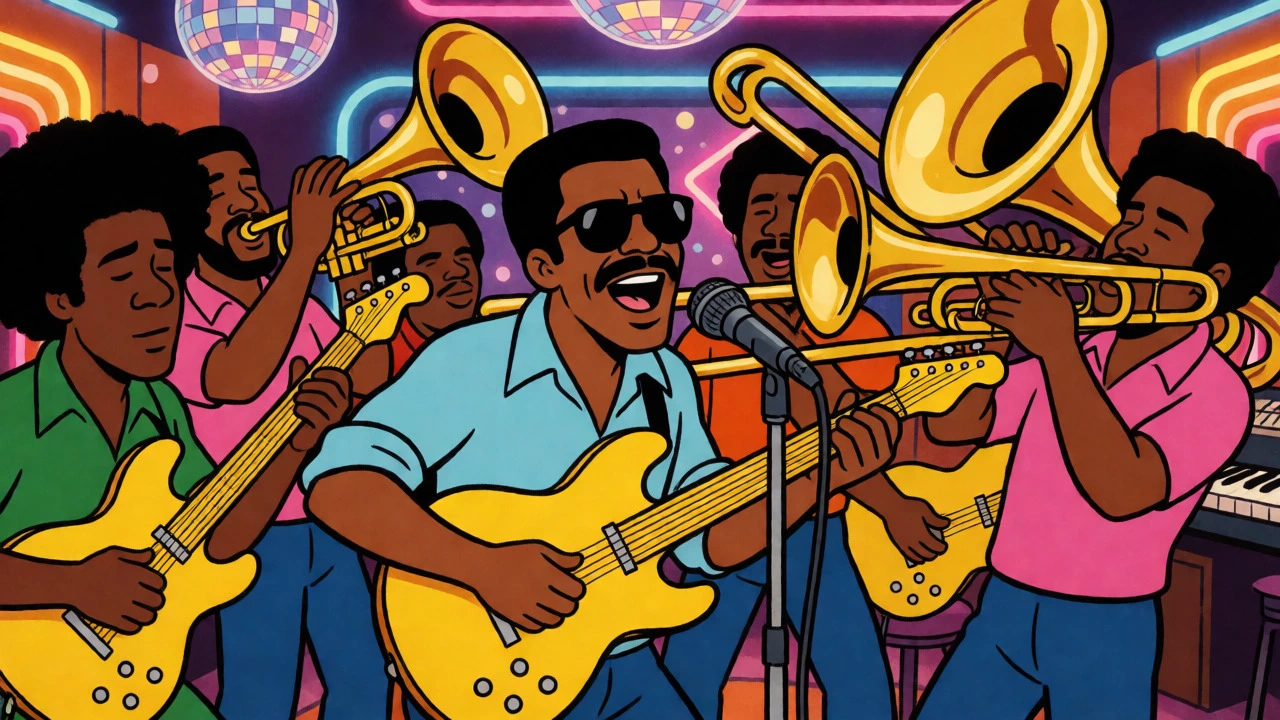

Most people know Jimmy Cliff as the guy who starred in The Harder They Come or sang "Many Rivers to Cross." But if you stop there, you miss a massive chunk of his career. From 1980 onward, Cliff didn’t just coast on nostalgia. He reinvented himself. He collaborated with funk legends, won Grammys, and adapted reggae for the MTV era. This period, often overlooked by casual fans, shows how a ska-era pioneer stayed relevant for four decades.
The Shift from Roots to Pop-Funk
In the late 1970s, reggae was dominated by roots rhythms and Bob Marley’s global dominance. Jimmy Cliff saw the writing on the wall. He needed to evolve. His 1980 album I Am The Living marked the start of this transition. It wasn’t a radical break, but it signaled a move away from strict island sounds toward something more polished. By 1983, he made a bold move that shocked purists. He partnered with members of Kool & the Gang. Yes, the disco-funk band known for "Celebration" helped produce The Power and the Glory.
This collaboration resulted in tracks like "Reggae Night," which mixed traditional reggae skank guitar with American horn sections. It was catchy, radio-friendly, and commercially successful. In France, the album went gold. Critics might have rolled their eyes, but audiences loved it. Cliff proved that reggae could fit into an adult-contemporary playlist without losing its soul. This wasn’t selling out; it was expanding the genre’s reach.
| Album Title | Release Year | Key Collaborators/Style | Notable Tracks |
|---|---|---|---|
| I Am The Living | 1980 | Transition to pop-reggae | Various introspective tracks |
| The Power and the Glory | 1983 | Kool & the Gang, Funk horns | "Reggae Night," "We All Are One" |
| Cliff Hanger | 1985 | Polished production, Grammy winner | "Hot Shot," "American Sweet" |
| Hanging Fire | 1987 | Adult contemporary grooves | "Love Me Love Me" |
Winning the First Major Reggae Grammy
Before 1986, the Recording Academy barely acknowledged reggae. There was no dedicated category for years. Then came Cliff Hanger. Released in 1985, this album earned Jimmy Cliff the first-ever Grammy Award for Best Reggae Recording (now Best Reggae Album). This win mattered. It validated reggae as a serious art form in the mainstream US market. While Bob Marley had massive sales, Cliff got the institutional nod during this specific window.
The album featured smoother vocal lines and mid-tempo grooves. Tracks like "American Sweet" showcased his ability to write universal love songs that still carried a Caribbean rhythm. This success kept him touring constantly throughout the decade. He wasn’t hiding in the studio; he was performing globally, bridging the gap between Jamaican clubs and European festivals.
Navigating the CD Era and World Music Trends
The 1990s changed everything. Dancehall took over Jamaica, and grunge took over rock. Where did Jimmy Cliff fit? He leaned into world music trends. Albums like Breakout (1992) and Journey of a Lifetime (1998) incorporated elements of pop, rock, and African rhythms. He worked with A&M Records, ensuring wide distribution in North America.
Critics were mixed. Some felt the polish diluted his edge. User ratings on platforms like AlbumOfTheYear show scores hovering in the 50-70 range-respectful but not ecstatic. However, fans appreciated the consistency. He released albums almost every year. Breakout, for instance, addressed humanitarian themes with a modern sonic palette. It positioned him alongside artists like Peter Gabriel, who were also exploring global fusions. Cliff wasn’t trying to be a dancehall DJ; he was a global ambassador for melodic reggae.

Digital Survival and Legacy Compilations
By the 2000s, physical sales were dropping. Streaming was emerging. Jimmy Cliff adapted again. He released Fantastic Plastic People in 2002, a title that ironically comments on the synthetic nature of modern life. The album combined socially conscious lyrics with updated production techniques. It wasn’t a chart-topper, but it maintained his relevance among older fans and introduced his voice to new listeners via digital stores.
Labels recognized the value of his back catalog. Compilations like King Of Kings - The Best Of Jimmy Cliff (2008) and Reggae Legends became essential entry points for new fans. These collections often blend his 1970s hits with later gems like "Reggae Night," showing that his post-1980 work holds up next to his classics. Today, you can find high-resolution versions of these albums on platforms like Qobuz, proving that the audio quality of his later works meets modern standards.
Why the Later Works Matter Now
People often dismiss 1980s music as cheesy. For Jimmy Cliff, the 1980s were a survival strategy. He faced a changing industry where reggae was becoming niche. Instead of fading away, he embraced technology and collaboration. He worked with Kool & the Gang, navigated the shift from vinyl to CD, and eventually to streaming. His discography lists over 27 studio albums. Nearly half of those came after 1980.
This longevity is rare. Many reggae stars peaked early. Cliff continued because he listened to his audience. He gave them what they wanted-catchy melodies and positive messages-without abandoning his roots. If you only listen to "Many Rivers to Cross," you’re hearing half the story. The other half is about resilience, adaptation, and the power of a good hook. That’s why his later works deserve a spot in your rotation.
Did Jimmy Cliff win a Grammy for his 1980s work?
Yes, he won the Grammy Award for Best Reggae Recording in 1986 for his album Cliff Hanger. This was one of the earliest wins in the category, marking a significant moment for reggae recognition in the United States.
Who did Jimmy Cliff collaborate with in the 1980s?
He notably collaborated with members of Kool & the Gang on the album The Power and the Glory (1983). This partnership brought funk and R&B elements into his reggae sound, helping him achieve commercial success in Europe and the US.
Is Jimmy Cliff’s 1980s music different from his 1970s work?
Significantly. His 1970s work focused on roots reggae and social commentary with raw production. The 1980s output featured polished pop arrangements, brass sections, and smoother vocals, designed for radio play and broader international appeal.
Can I stream Jimmy Cliff’s later albums today?
Yes, major streaming services and hi-res platforms like Qobuz offer his full catalog, including albums like Cliff Hanger, Breakout, and Fantastic Plastic People. Many are available in remastered formats.
How many studio albums did Jimmy Cliff release?
As of recent discography updates, Jimmy Cliff has released over 27 studio albums. A substantial portion of these, including nine albums between 1980 and 1990, fall into his "later works" period.


