

You probably know the melody. Maybe you heard it at a wedding, in a car commercial, or while watching a slow-motion sports replay. It’s catchy, polished, and oddly specific to a single decade. We’re talking about the instrumental crossover hits of the 1980s. These weren’t just background noise; they were chart-toppers that blurred the lines between high-brow jazz, cinematic scoring, and cutting-edge electronic production.
Why did this happen? The 1980s saw a perfect storm of technology and media. Affordable synthesizers like the Yamaha DX7 changed what pop music sounded like. Simultaneously, MTV and blockbuster films created a demand for instantly recognizable themes. This article breaks down how recordings without lyrics managed to dominate the Billboard Hot 100, moving from the saxophone-driven world of smooth jazz to the sequenced beats of electronica.
The Rise of Smooth Jazz and Pop-Jazz Fusion
Before we get to the synthesizers, we have to look at the saxophone. In the early 1980s, a subgenre known as smooth jazz began crossing over into mainstream pop radio. This wasn’t the complex, improvisational bebop of the 1950s. It was accessible, melodic, and heavily produced.
The key figure here is Kenny G. His 1987 hit "Songbird" reached No. 4 on the Billboard Hot 100. That might not sound huge today, but for an instrumental track in the age of Michael Jackson and Prince, it was massive. Kenny G didn’t rely on a movie or TV show to sell the song. The melody itself was the product. It was clean, airy, and designed for adult-contemporary radio stations like WNUA in Chicago or KTWV in Los Angeles.
This success wasn’t accidental. Artists like Grover Washington Jr. and George Benson had already laid the groundwork by blending jazz harmonies with R&B grooves. They proved that instrumental music could share airwaves with vocal pop stars. The formula was simple: a memorable hook, a restrained solo, and production that felt expensive but approachable.
| Artist | Track | Year | Peak US Chart Position | Primary Genre Blend |
|---|---|---|---|---|
| Vangelis | Chariots of Fire | 1981 | No. 1 | Cinematic Electronic |
| Harold Faltermeyer | Axel F | 1984 | No. 3 | Synth-Pop / Film Score |
| Jan Hammer | Miami Vice Theme | 1985 | No. 1 | Jazz-Fusion / Rock |
| Kenny G | Songbird | 1987 | No. 4 | Smooth Jazz / Pop |
Technology as the Star: The Yamaha DX7 Effect
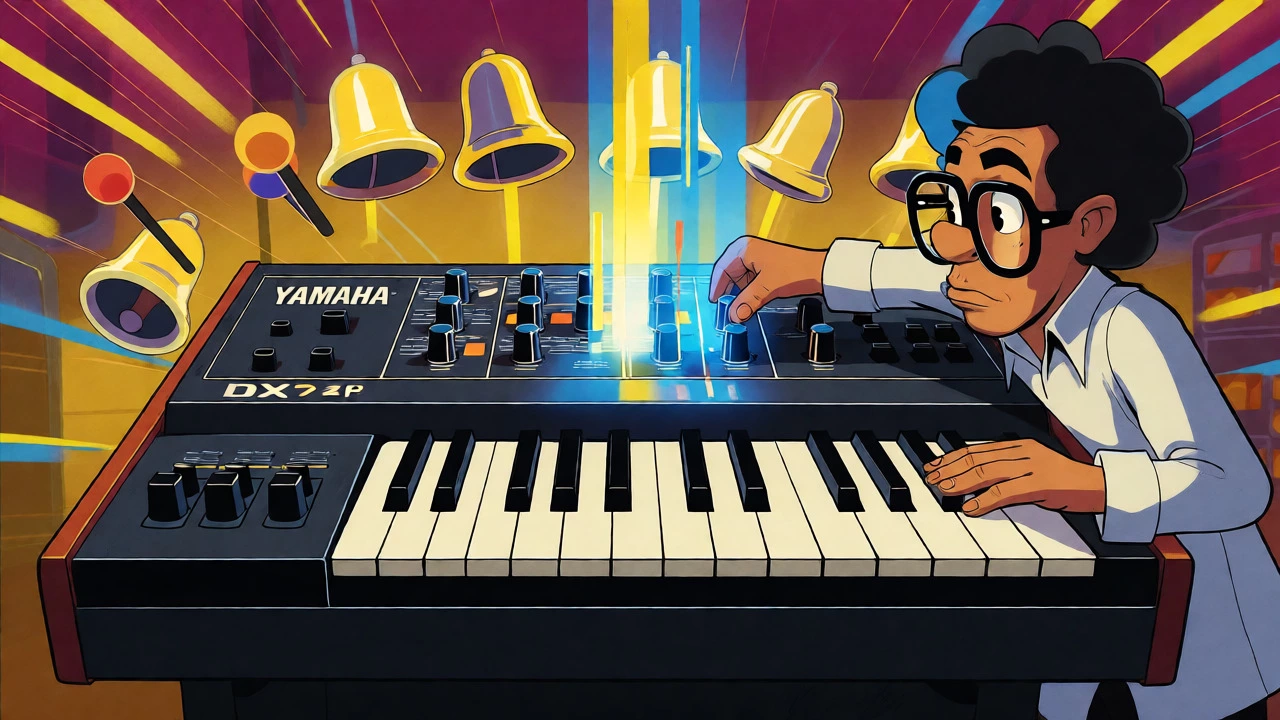
If smooth jazz provided the melody, technology provided the voice. You can’t talk about 1980s instrumentals without mentioning the Yamaha DX7. Released in 1983, this synthesizer used frequency modulation (FM) synthesis, a technique developed by Stanford engineer John Chowning. Unlike previous analog synths that sounded warm and fuzzy, the DX7 produced sharp, glassy, and precise tones.
This change was seismic. Music scholar Megan Lavengood notes that within two and a half years, the DX7 had altered the sound of country, R&B, and pop. For instrumentalists, it meant they could create sounds that didn’t exist in nature. A bass line could be perfectly consistent. A keyboard patch could mimic a bell or a mallet with digital clarity. This precision allowed instrumental tracks to compete with vocal songs because the production value was so distinctively modern.
Consider Harold Faltermeyer’s "Axel F," the theme from Beverly Hills Cop. It hit No. 3 on the Hot 100. The track is built entirely on layered synthesizers and programmed rhythms. There are no lyrics to distract you. The energy comes from the sequenced arpeggios and the bright, machine-led timbre. It was comedy-action translated into audio. Without the DX7 and similar digital tools, this kind of crisp, repetitive dance-pop wouldn’t have been possible.
The Power of Screen Culture: Film and TV Themes
While Kenny G sold records through radio play, others leveraged the visual power of Hollywood. The 1980s was the golden age of the blockbuster soundtrack. But unlike previous decades, where themes were often orchestral swells, 1980s themes were frequently electronic and rhythm-driven.
Vangelis’s "Chariots of Fire" is the prime example. It topped the Hot 100 in 1982. It wasn’t a traditional orchestral piece; it was a synthesizer-led composition that relied on a slow-building, repetitive structure. Its success proved that a Greek composer using electronic instruments could top the American charts. The track became ubiquitous-used in everything from Olympic broadcasts to funeral homes. It demonstrated that emotional resonance didn’t require words.
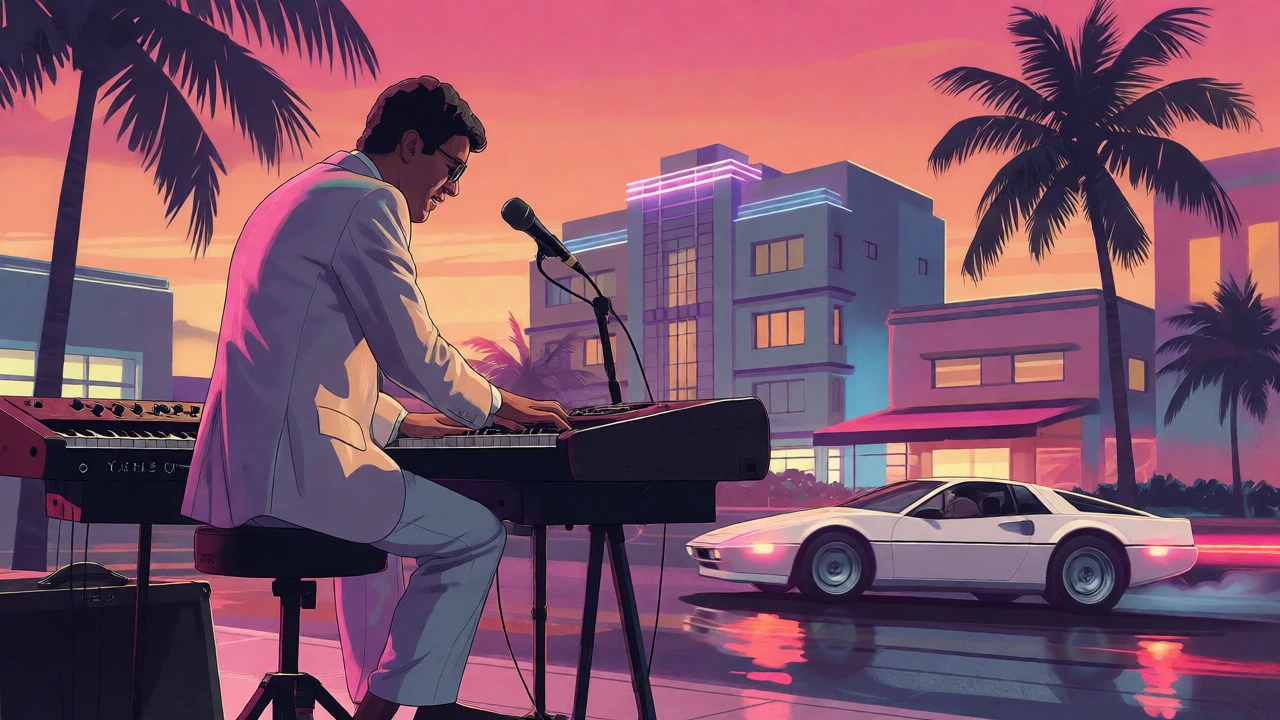
Then there’s Jan Hammer. His "Miami Vice Theme" reached No. 1 in 1985. This is significant because it was the first original television instrumental to top the Hot 100. Hammer blended jazz-fusion musicianship with rock energy and electronic sequencing. The Miami Vice soundtrack itself spent 13 consecutive weeks at No. 1. The show’s aesthetic-pastel suits, fast cars, neon lights-was mirrored in the music. The instrumental track wasn’t just background; it was part of the brand identity. Viewers bought the album because they wanted to own the vibe of the show.
Distinguishing Instrumental Crossover from Synth-Pop
It’s easy to confuse these instrumental hits with the broader synth-pop movement. Bands like Depeche Mode, New Order, and Soft Cell dominated the era. However, there is a key difference. Synth-pop groups usually featured vocalists. Their songs had lyrics, narratives, and frontmen.
Instrumental crossover acts extracted the production techniques of synth-pop-the drum machines, the FM synths, the sequencers-but removed the vocalist. They made the melody itself the star. This distinction mattered commercially. Instrumental tracks were easier to license. They didn’t impose a language barrier or a specific lyrical narrative. Advertisers, sports broadcasters, and film editors loved them because they could project any emotion onto the music. "Axel F" works for a car chase or a gym workout. "Chariots of Fire" works for triumph or mourning. Vocal songs lock you into a specific meaning; instrumentals leave the door open.
Criticism and Legacy
Not everyone loved this shift. Critics argued that smooth jazz and electronic crossovers prioritized accessibility over artistic risk. Jazz purists complained that the format rewarded repetitive hooks and subdued dynamics, displacing more adventurous fusion styles. If you listened to straight-ahead jazz in 1985, you likely viewed Kenny G as a dilution of the art form.
However, the commercial reality was undeniable. These artists expanded the audience for instrumental music. They gave non-vocalists a viable place on commercial radio. By the end of the decade, the template had changed pop music permanently. Even when pure instrumentals became less common at the very top of the charts, their influence remained. Modern producers still use the strategies pioneered in the 80s: a memorable lead melody, a highly identifiable timbre, and a rhythm simple enough for repeated listening.
The legacy of these tracks isn’t just nostalgia. It’s a blueprint for how music interacts with media. The blend of jazz harmony, electronic texture, and cinematic context created a sound that defined a generation. Whether you see it as the peak of pop craftsmanship or the beginning of musical homogenization, you can’t ignore its impact.
What defines an "instrumental crossover hit"?
An instrumental crossover hit is a recording without conventional sung lyrics that achieves mainstream popularity, typically appearing on major pop charts like the Billboard Hot 100. These tracks usually originate from specialized genres such as jazz, classical, or electronic music but gain mass appeal through radio play, film, or television exposure.
Why was the Yamaha DX7 important for 1980s instrumentals?
The Yamaha DX7, released in 1983, introduced affordable frequency-modulation synthesis. It produced sharp, clear, and digital-sounding timbres that became the signature sound of the mid-1980s. This technology allowed instrumentalists to create precise, modern-sounding arrangements that competed directly with vocal pop productions.
Did Jan Hammer's "Miami Vice Theme" really reach No. 1?
Yes, Jan Hammer’s "Miami Vice Theme" reached No. 1 on the Billboard Hot 100 in November 1985. It holds the distinction of being the first and only original television instrumental theme to achieve this feat, highlighting the growing power of TV soundtracks in the pop market.
How did smooth jazz differ from traditional jazz?
Smooth jazz prioritized accessibility, melodic hooks, and polished production over complex improvisation and harmonic risk. It often incorporated R&B and pop grooves, making it suitable for adult-contemporary radio formats, whereas traditional jazz focused more on spontaneous interaction and technical virtuosity.
Why were instrumental tracks popular for advertising and media?
Instrumental tracks were favored because they lacked lyrical narratives, allowing advertisers and filmmakers to assign their own emotional context to the scene. They also avoided language barriers, making them easier to license internationally compared to vocal-heavy songs.