
There’s something electric about a live duet that no studio recording can fully capture. When two stars step onto the same stage, unplanned and unscripted, the energy shifts. The crowd holds its breath. The music changes. In the 1980s, this happened more often than you might think - and not just because of big budgets or planned marketing. These were real moments: surprise guests, impromptu harmonies, and nights no one saw coming.
Think about it. Back then, MTV was still new. Concerts weren’t livestreamed. You didn’t know what was coming until you were there. No social media. No leaks. If you missed it, you never got to see it again. That’s why some of these live collaborations still feel legendary today.
When the Unexpected Walked On Stage
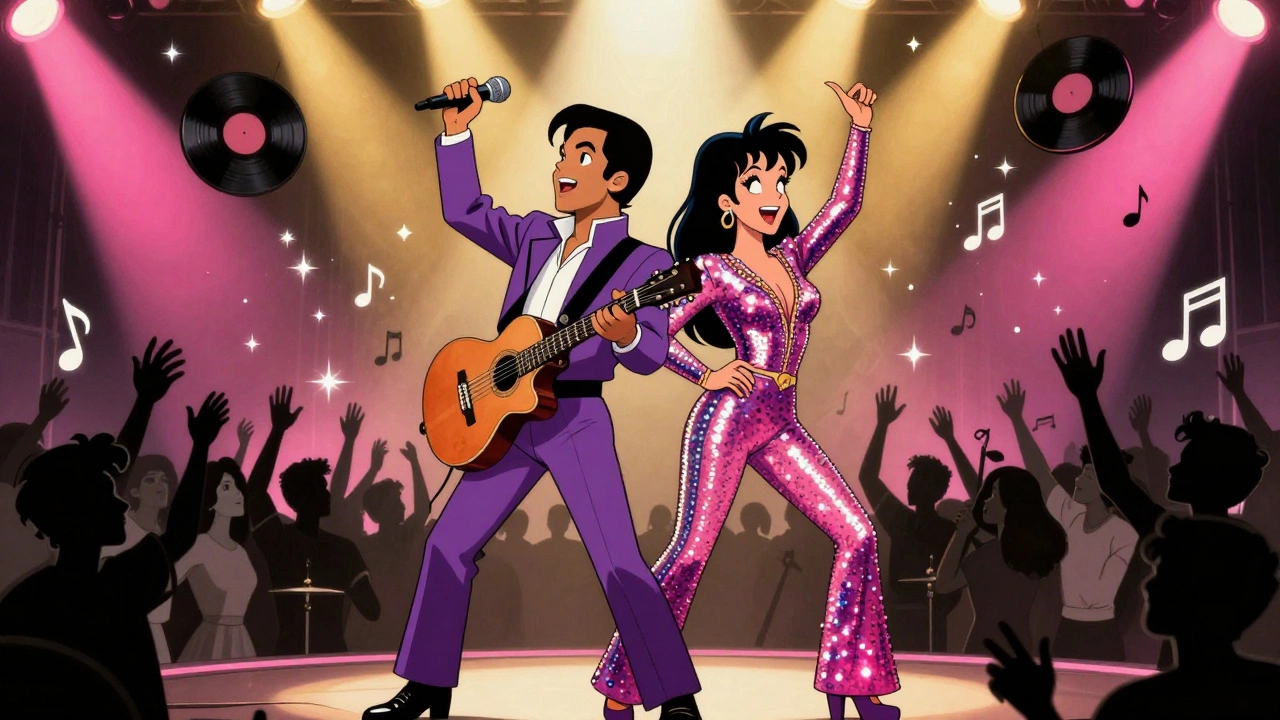
One of the most talked-about live duets of the decade happened in 1983. Prince, fresh off the success of 1999, was headlining a show in Los Angeles. Midway through his set, he stopped the band. "I got someone I want you to meet," he said. Out walked Cher, dressed in a sequined jumpsuit, mic in hand. They launched into "I Feel for You," a song Prince had written. Cher had just released her own version on her album, but this was the first time they’d performed it together. The crowd went wild. Footage of the moment didn’t surface until years later - a shaky VHS tape passed around among fans. Now, it’s one of the most viewed bootlegs in music history.
Not every surprise guest came from pop. In 1985, Sting joined Bob Dylan on stage at the Hollywood Bowl. No announcement. No rehearsal. Just a nod between them before Dylan started playing "I Shall Be Released." Sting picked up a bass and started singing harmony. Fans didn’t know whether to cheer or cry. It was raw, unpolished, and perfect. The next day, the Los Angeles Times called it "a moment that defied genre, generation, and expectation."
The Duet That Broke the Rules
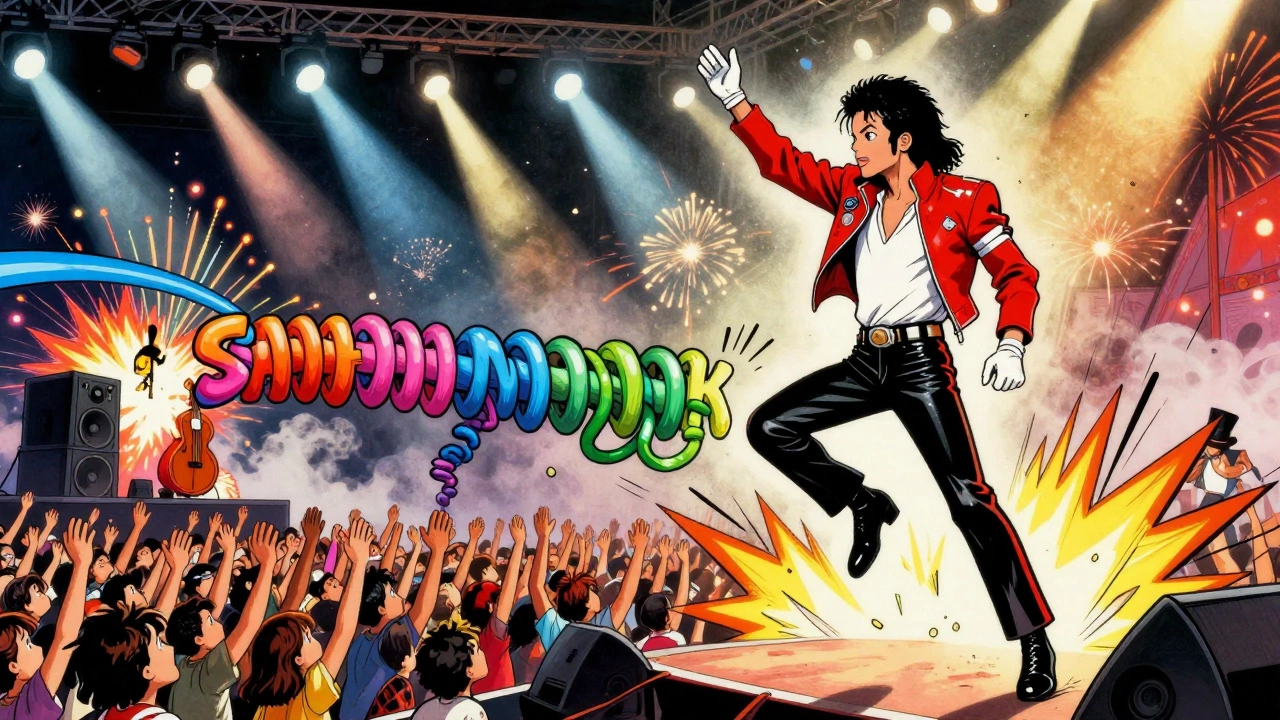
Then there was the night Michael Jackson and Freddie Mercury performed "State of Shock" live at the 1984 US Festival. They had recorded it in the studio, but the live version? Different. Mercury, in his leather pants and top hat, took the lead on the first verse. Jackson, in his white glove and red jacket, answered with a high note that cut through the crowd like lightning. The crowd was 300,000 strong. The sound system couldn’t handle the bass drop. Speakers blew. The show kept going. No one cared. That night, two of the biggest stars in the world didn’t just sing together - they challenged each other.
And it wasn’t just rock or pop. In 1986, Dolly Parton showed up unannounced at a Kenny Rogers concert in Nashville. They’d already recorded "Islands in the Stream," but she had never performed it live with him. She walked out in a long red dress, no introduction, no cue. Rogers smiled, grabbed her hand, and they sang it - live, in front of 12,000 people. The recording of that night became a bonus track on the album’s reissue. Fans say it’s better than the studio version. The emotion? Real.
When the Guest Wasn’t Who You Expected
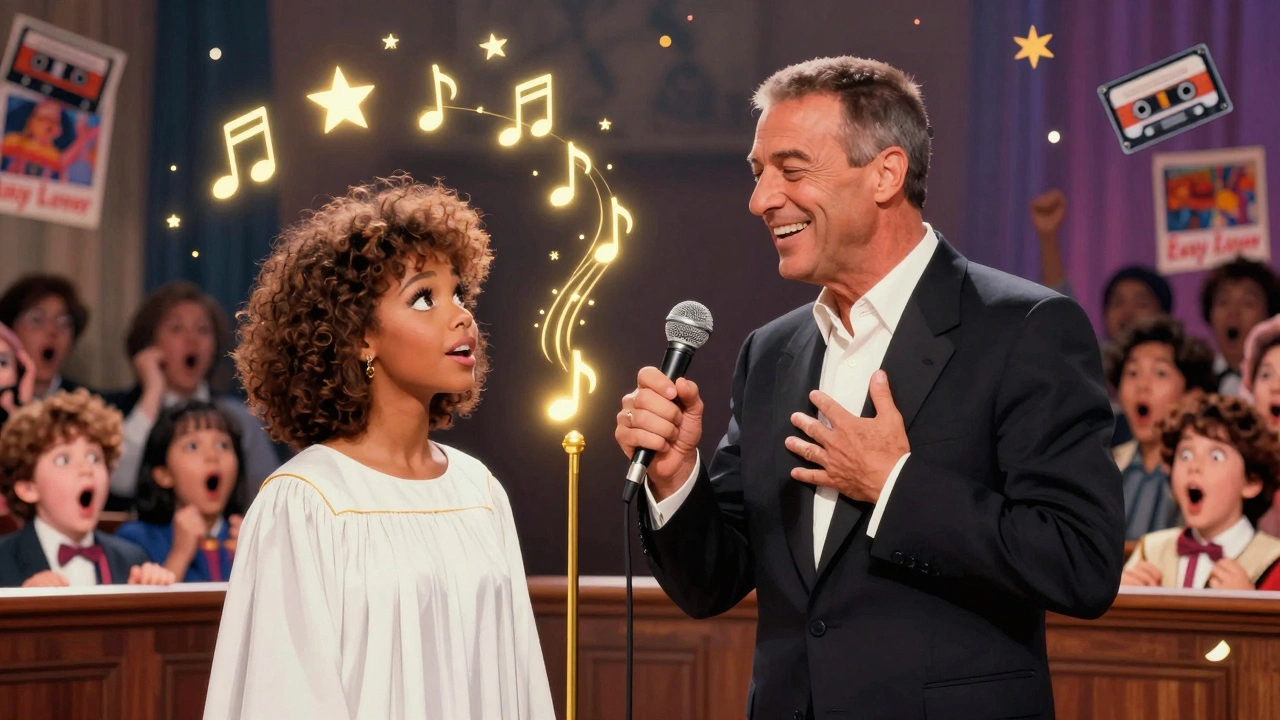
Not all surprise guests were A-listers. Sometimes, it was someone you’d never guess. In 1987, Phil Collins was headlining a show in Philadelphia when a 17-year-old backup singer from the local church choir got pulled on stage. She’d been hired to sing background vocals, but during "Easy Lover," Collins stopped the track, turned to her, and said, "You’re the one who’s singing the lead now." She sang the whole second half. The crowd went silent, then erupted. Her name? Debbie Gibson. She wasn’t famous yet. But that night, she became a legend in Philly. She later said, "I thought I was going to pass out. I didn’t even know I had that voice until he gave me the mic."
How the 1980s Changed Live Music Forever
Before the 1980s, duets on stage were rare. Mostly, they happened in jazz clubs or country halls. But MTV changed everything. Suddenly, duets weren’t just about sound - they were about spectacle. The more unexpected, the better. Record labels started encouraging artists to bring guests on tour, not just for publicity, but because fans demanded it.
And the formula worked. When Aretha Franklin and George Michael performed "I Knew You Were Waiting (For Me)" live in London in 1987, it wasn’t just a hit song - it was a cultural reset. Franklin, the Queen of Soul, stood shoulder to shoulder with Michael, the King of Pop. The camera cut to an elderly woman in the front row, crying. A reporter asked her why. "I thought I’d never hear them sing together," she said. "I thought they were too different. But they weren’t. They were just two voices that belonged together."
The same thing happened with Patti LaBelle and Michael McDonald on tour in 1986. They had recorded "On My Own" separately - no shared studio time, no duet session. But when they performed it live in Chicago, they finally sang together for the first time. The video shows McDonald turning to LaBelle mid-verse, eyes wide, as if he’d never heard her sing before. She smiled. Then they hit the final chorus - together, for real. The crowd didn’t stop clapping for 12 minutes.
Why These Moments Still Matter
Today, duets are planned. Announced months in advance. Promoted on TikTok. Backed by holograms. But in the 1980s, they were accidents. Lucky breaks. Moments of trust between artists who didn’t have to do it - but chose to.
These weren’t just songs. They were stories. A young singer stepping into a legend’s spotlight. A rock star handing the mic to a soul singer like he was passing a torch. A country queen showing up at a pop concert like she belonged there. No one was trying to sell you anything. They were just making music - together.
That’s why these moments still live. Not because of charts or awards. But because they were real.
Other Iconic Live Duet Moments from the 1980s
- David Bowie and Mick Jagger performing "Dancing in the Streets" at Live Aid in 1985 - a spontaneous, chaotic, unforgettable performance that turned into a global moment.
- Aretha Franklin and Annie Lennox singing "Sisters Are Doing It for Themselves" live in 1986, with a full gospel choir behind them - the energy was so high, the mic nearly fell off its stand.
- Lita Ford and Ozzy Osbourne performing "Close My Eyes Forever" on stage in 1989 - Ozzy, in full makeup, belting out the chorus while Ford shredded a guitar solo that left the crowd speechless.
- James Ingram and Linda Ronstadt singing "Somewhere Out There" live at the 1987 Grammy Awards - no backing track, no auto-tune, just two voices floating over a silent room.
- Sheena Easton and Kenny Rogers performing "We’ve Got Tonight" on tour in 1984 - they hadn’t rehearsed the key change, so they improvised it live. Fans still argue over which version is better.
Why were surprise guests so common in 1980s concerts?
Surprise guests became common because MTV made music visual. Fans didn’t just want to hear songs - they wanted to see stars interact. Artists realized that bringing someone unexpected on stage created buzz, built loyalty, and made concerts feel like events. It wasn’t about promotion - it was about connection. And in a time before social media, those moments became legends.
Did any of these duets happen in the studio first?
Yes, many duets were recorded in the studio before being performed live. "Islands in the Stream," "I Knew You Were Waiting (For Me)," and "Easy Lover" were all studio recordings first. But the live versions often felt more powerful because the artists finally sang together in real time, with real emotion. The studio version was polished. The live version was alive.
Were these collaborations planned or spontaneous?
Some were planned - like the duets on Live Aid. But the most iconic ones? Spontaneous. Prince showing up at Cher’s show. Phil Collins handing the mic to a backup singer. Dolly Parton walking on stage without telling anyone. These weren’t in the tour itinerary. They happened because two artists felt the moment. That’s what made them unforgettable.
How did MTV influence live duets in the 1980s?
MTV turned concerts into visual experiences. Networks started broadcasting live shows, and fans at home wanted to see stars interact. When a duet happened, it was more than a song - it was a story. MTV editors would cut between the two artists, zoom in on their expressions, replay the chorus. That made artists want to create moments that would look good on screen. Suddenly, a duet wasn’t just music - it was television.
What made 1980s duets different from today’s?
Today’s duets are often pre-arranged, rehearsed, and promoted for months. Back then, they were risky. No one knew they’d happen. There was no guarantee the voices would blend. No safety net. That made them real. And real is what people remember. A studio duet can be fixed. A live duet? You can’t fix a moment. You can only live it.


