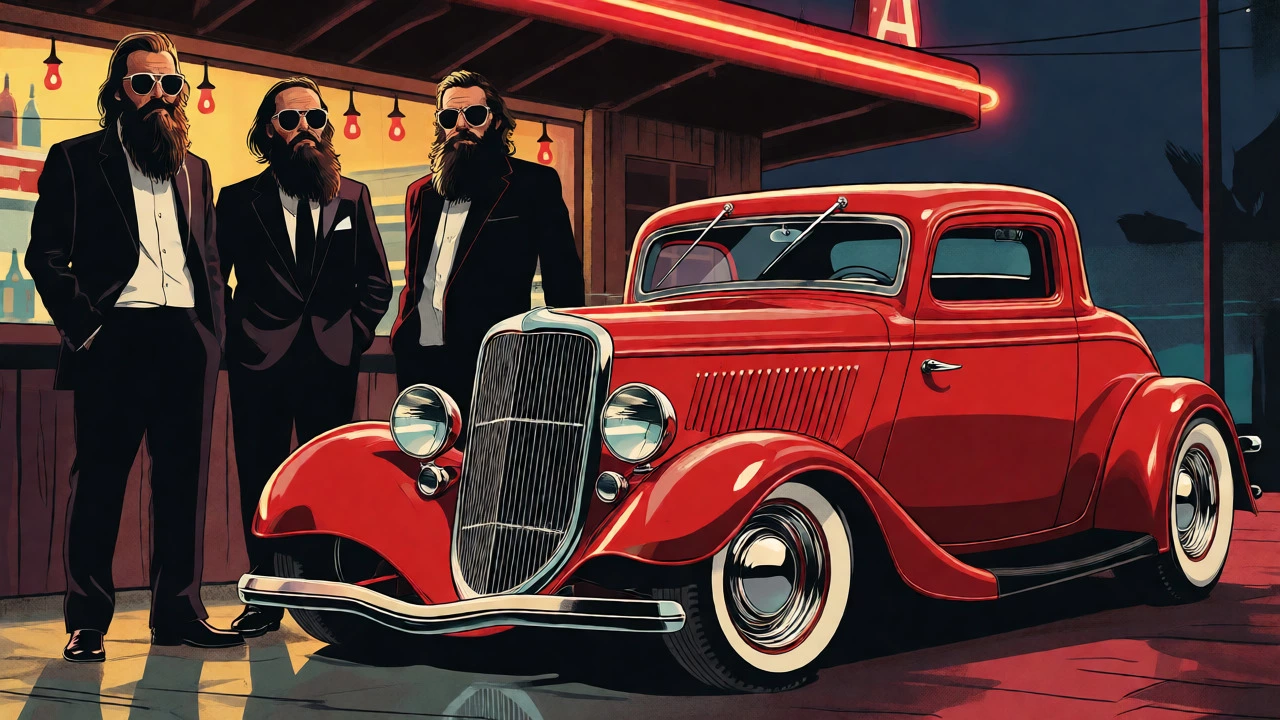

Imagine being a band that had been grinding it out in Texas bars since 1969. You’ve got the beards, the blues riffs, and a loyal following, but you’re not exactly household names outside of rock circles. Then, in 1983, everything changes overnight. ZZ Top didn’t just release a hit song; they engineered a visual revolution. Their single Sharp Dressed Man, part of the Eliminator album, became the blueprint for how legacy acts could survive-and thrive-in the age of television. It wasn’t about changing who they were musically, but rather how the world saw them. This is the story of how a blues trio used a hot rod, three women, and a synthesizer to conquer MTV.
The Sound Shift: From Bar Bands to Synth Rock
If you listened to ZZ Top’s early records, you heard raw, gritty Texas blues. But when Eliminator dropped on March 23, 1983, the sound was undeniably different. The band, consisting of Billy Gibbons, Dusty Hill, and Frank Beard, made a calculated decision to modernize. They weren’t abandoning their roots; they were packaging them differently. Producer Bill Ham guided them toward a tighter, rhythm-driven approach that incorporated drum machines and sequenced bass lines. This wasn’t just a whim-it was a survival strategy. British synth-pop acts like Depeche Mode were dominating the airwaves, and ZZ Top needed to compete without losing their identity.
Sharp Dressed Man perfectly encapsulates this blend. Written by the trio, the track features Gibbons’ signature distorted guitar tone layered over electronic beats. The lyrics are simple yet effective, celebrating the power of style and confidence. Interestingly, the title came from a misreading of a film credit. Gibbons saw "Sharp-Eyed Man" in the credits of the 1981 thriller The Amateur and twisted it into something more aligned with the band’s fascination with Americana fashion and car culture. The result was a radio-friendly anthem that retained the soul of the blues while embracing the polish of the 1980s.
The Visual Blueprint: More Than Just a Music Video
Before MTV launched in 1981, music videos were mostly promotional afterthoughts-cheap clips filmed in studios or live venues. ZZ Top changed the game by treating their videos as short films. Directed by Tim Newman, the Eliminator Trilogy-comprising "Gimme All Your Lovin'," "Legs," and "Sharp Dressed Man"-created a cohesive narrative universe. This was revolutionary because it treated the audience like viewers of a TV series, not just listeners of songs.
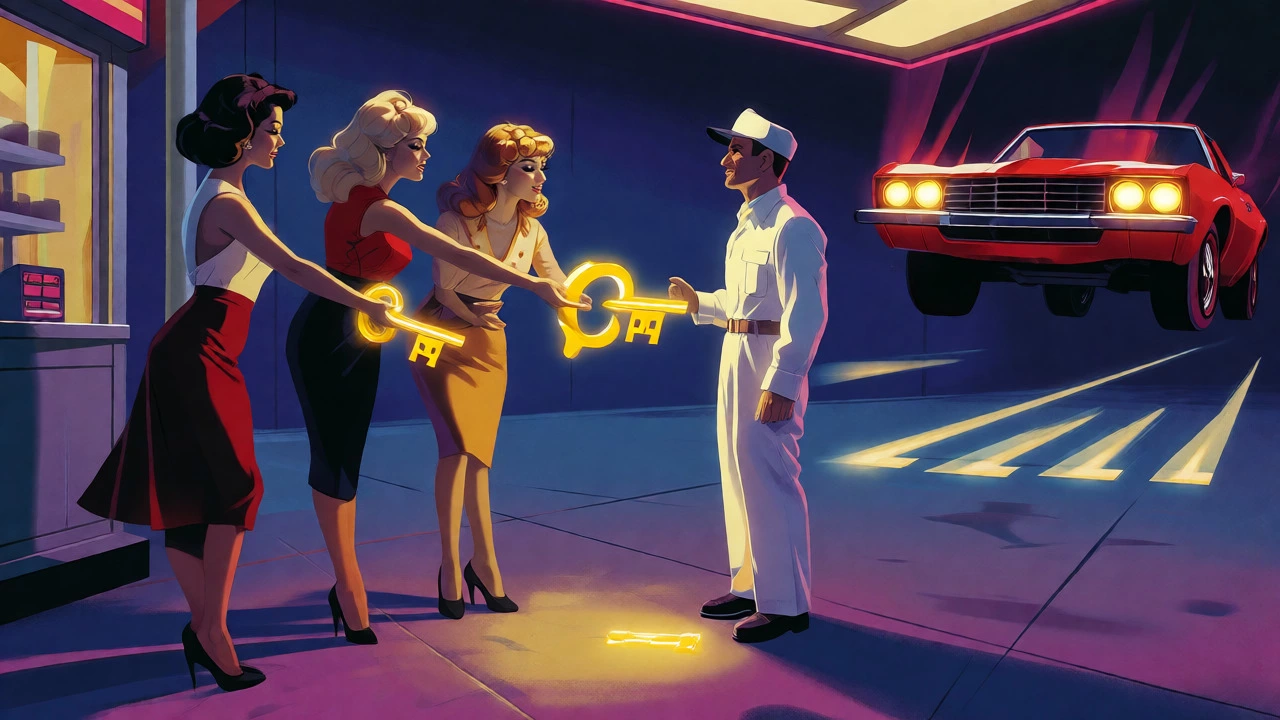
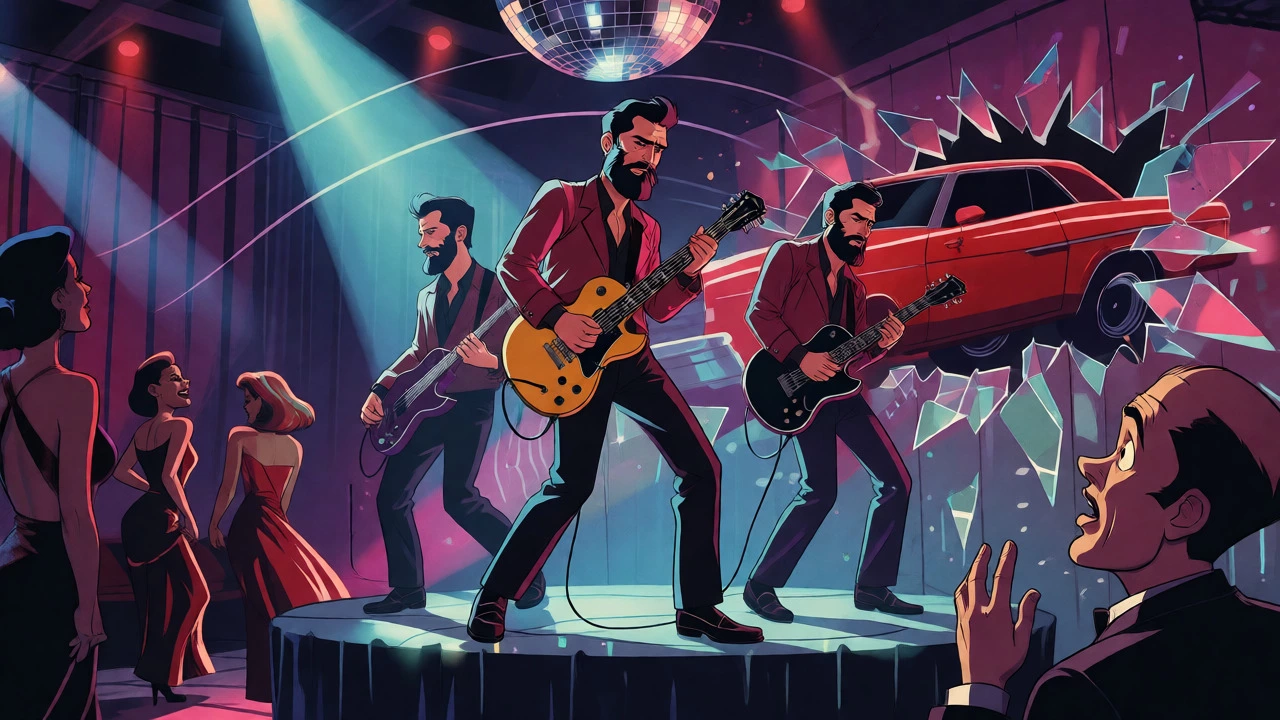
The video for "Sharp Dressed Man" is widely cited as one of the first rock videos to function as a direct sequel. In "Gimme All Your Lovin'," a down-on-his-luck gas station attendant receives keys to a magical 1933 Ford Coupe, known as the Eliminator, from three glamorous women. In "Sharp Dressed Man," that same character is now a valet at a nightclub. He’s still struggling until the women return with the car, guiding him through a wardrobe upgrade. The visual metaphor is clear: clothes and attitude change your social status. By linking the songs visually, ZZ Top ensured that fans tuned in for the next episode, creating a binge-watching effect decades before streaming services existed.
The Iconography: Beards, Sunglasses, and the Hot Rod
MTV rewarded bands with distinct, recognizable images. ZZ Top already had long beards and dark sunglasses, which set them apart from the spandex-clad new wave bands of the era. However, they amplified this image with specific props. The centerpiece was the Eliminator car. Commissioned by Gibbons in 1976 from a California hot-rod shop, this customized 1933 Ford Coupe featured candy-red paint, stylized headlights, and streaking light graphics. It wasn’t just a prop; it was a logo on wheels.
The combination of the stoic, bearded band members, the sleek red car, and the trio of models created a repeatable formula. Every time the video aired, viewers recognized the brand instantly. This consistency helped ZZ Top stand out in a crowded market. While other bands relied on dance moves or colorful costumes, ZZ Top offered a cool, slightly cartoonish moral universe where style triumphed over sleaze. In one memorable scene, a party girl drenches her chauvinistic date with champagne, positioning the band and their female companions as agents of poetic justice.
Commercial Impact: Chart Success vs. Cultural Reach
It’s important to look at the numbers to understand the scale of this transformation. On paper, "Sharp Dressed Man" wasn’t an immediate smash hit in the US. It peaked at number 56 on the Billboard Hot 100, trailing behind its sister single "Legs," which reached number 8. However, chart positions don’t tell the whole story. The song found massive success in Europe, reaching number 22 in the UK and cracking the top 10 in Sweden and the Netherlands. In the UK alone, it sold approximately 400,000 copies, a substantial figure for a hard-rock track at the time.
The real victory was for the album Eliminator. Thanks to heavy rotation on MTV, the album sold more than 10 million copies worldwide, surpassing the combined sales of all the band’s previous releases. This synergy between audio and visual media created a virtuous cycle: videos drove album sales, which kept singles in radio rotation, which justified more video airplay. For a band that had been around for 13 years, this late-career explosion proved that reinvention was possible at any stage.
| Feature | Pre-1983 (Blues Roots) | Post-1983 (MTV Era) |
|---|---|---|
| Musical Style | Raw Texas Blues, Live Drums | Synth-Accented Boogie, Drum Machines |
| Visual Identity | Long Beards, Casual Attire | Sunglasses, Suits, Hot Rod Prop |
| Primary Audience | Regional Rock Fans | Global MTV Viewers, Pop Culture Consumers |
| Album Sales Strategy | Touring & Radio Play | Video Rotation & Brand Synergy |
Legacy: Defining the Golden Age of MTV
Today, we often take music videos for granted. Artists drop high-budget visuals alongside every single. But in the mid-1980s, ZZ Top demonstrated that a video could be a career-defining asset. Rolling Stone and other critics have noted that the band was instrumental in shaping the landscape of music videos, proving that older, traditional acts could compete with younger, image-driven performers if they invested in narrative storytelling.
The influence of "Sharp Dressed Man" extends beyond charts. It has been covered by diverse artists ranging from Southern rock band Molly Hatchet to industrial metal group Ministry. This cross-genre appeal highlights the song’s flexible core riff and hook. Whether stripped down to acoustic guitar or amplified with distortion, the essence of the track remains intact. For fans, the song is a nostalgic trip back to a time when MTV actually played music and told stories. For historians, it’s a case study in how technology and marketing can reshape cultural icons.
Ultimately, ZZ Top didn’t sell their souls to MTV; they adapted their delivery system. They kept the blues but wrapped it in a package the 1980s audience wanted to open. The sharp suit, the shiny car, and the catchy synth beat weren’t gimmicks-they were tools for survival and relevance. And forty years later, the lesson holds true: presentation matters, especially when you’re trying to transform a niche act into a global phenomenon.
Did "Sharp Dressed Man" reach number one on the Billboard Hot 100?
No, it did not. "Sharp Dressed Man" peaked at number 56 on the Billboard Hot 100. Its sibling single, "Legs," performed better on the pop charts, reaching number 8. However, "Sharp Dressed Man" achieved significant success on rock charts and in European markets, particularly in the UK and Scandinavia.
What inspired the title "Sharp Dressed Man"?
Billy Gibbons has stated that the idea came from seeing a film credit for "Sharp-Eyed Man" in the 1981 movie The Amateur. He tweaked the phrase to "Sharp Dressed Man" to align with the band’s interest in style and fashion.
Why is the "Eliminator" car famous?
The 1933 Ford Coupe, known as the Eliminator, was commissioned by Billy Gibbons in 1976. It became iconic due to its distinctive candy-red paint, custom styling, and prominent role in the Eliminator album cover and the trilogy of MTV videos, serving as a symbol of speed and coolness.
Was "Sharp Dressed Man" the first music video sequel?
It is widely regarded as one of the first major rock videos to explicitly continue the story of its predecessor. The video picks up the narrative started in "Gimme All Your Lovin'," featuring the same characters and plot elements, which was a novel concept for MTV programming at the time.
How many copies did the album "Eliminator" sell?
The album Eliminator sold more than 10 million copies worldwide. This success surpassed the combined sales of all of ZZ Top’s previous albums, largely driven by the heavy rotation of its singles on MTV.