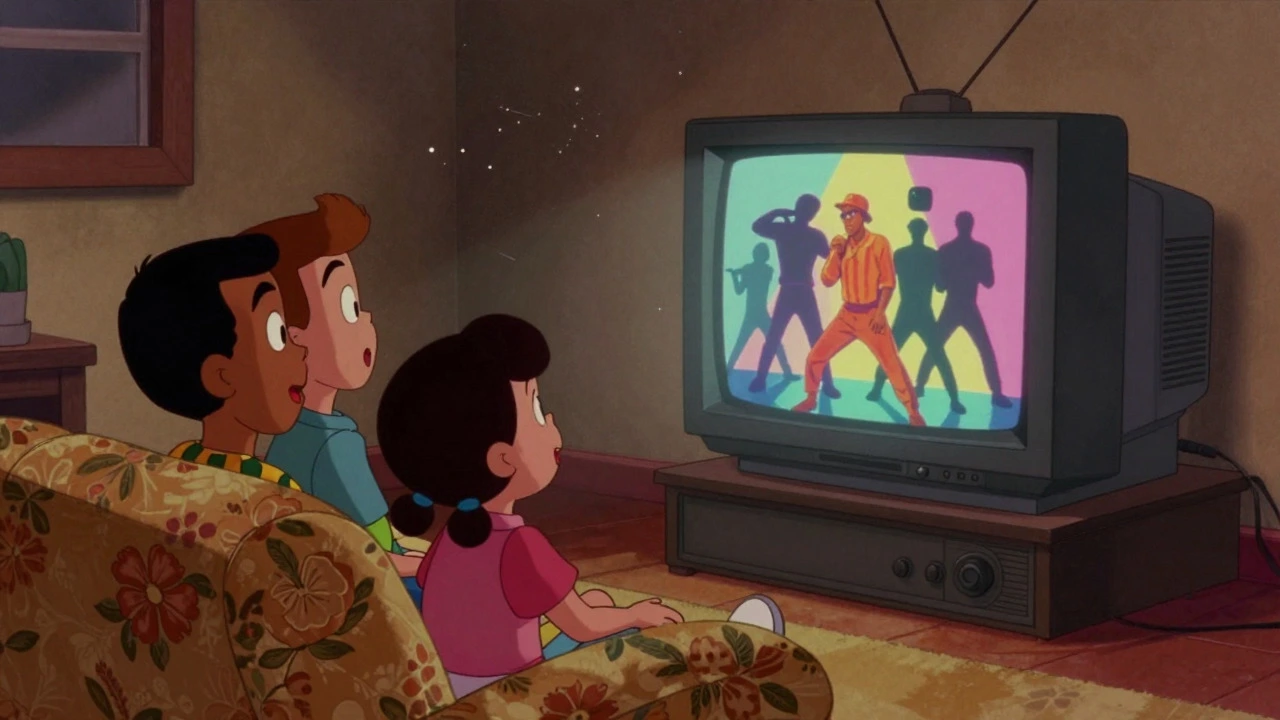

The Night Everything Changed for Rap
Picture this: It’s August 6, 1988. You’re sitting on your couch, flipping through cable channels. MTV has been around for seven years, mostly playing rock videos and pop stars. But tonight, something different is happening. For the first time ever, a major network is dedicating an entire weekend to rap music. This wasn’t just a random playlist change. It was the launch of Yo! MTV Raps, a groundbreaking television program that transformed hip-hop from a regional underground movement into a global mainstream force. Before this moment, if you wanted to see rap videos, you had to wait for rare slots between rock hits or catch them on niche networks. After this night, hip-hop had its own house on TV.
You might wonder why this matters so much. Well, think about it. In 1979, rap record sales were basically zero. By the late 1980s, they were generating hundreds of millions of dollars. Yet, despite this massive commercial growth, mainstream media largely ignored the genre. They treated it as a fad or a novelty. MTV executives were skeptical too. They weren’t sure if suburban white audiences would sit through two hours of rap. But they took a gamble, and that gamble changed the cultural landscape forever. The show didn’t just play videos; it gave context, credibility, and visibility to artists who had been shut out of the mainstream narrative.
From Europe to America: How the Show Was Born
It’s easy to assume Yo! MTV Raps started in New York, but the idea actually crossed the Atlantic first. In 1987, French journalist and producer Sophie Bramly created a show called Yo! for MTV Europe. She focused on highlighting rap artists across Spain, France, and the UK. Her first guest was Afrika Bambaataa, a pioneer of electro-funk and hip-hop culture. The European version ran until about 1990, proving that there was an appetite for dedicated rap programming outside the US.
Back in the States, MTV promotions staffers Peter Dougherty and Ted Demme saw what was happening overseas and realized they were missing out at home. Dougherty and Demme pitched the American version as a direct counterpart to existing MTV shows like 120 Minutes (for alternative rock) and Headbanger’s Ball (for heavy metal). If rock subgenres had their own blocks, why not rap? They envisioned a format that went beyond just spinning clips. They wanted to capture the authenticity of the culture by interviewing artists in their own neighborhoods, not just in sterile studios. This approach set the stage for a more intimate connection between the viewers and the music.
| Show Name | Genre Focus | Launch Context | Cultural Impact |
|---|---|---|---|
| 120 Minutes | Alternative Rock | Established platform for indie bands | Defined the "alternative" identity of MTV |
| Headbanger’s Ball | Heavy Metal | Catered to the growing metal fanbase | Legitimized metal as a distinct subculture |
| Yo! MTV Raps | Hip-Hop/Rap | Response to rising rap sales and European success | Mainstreamed hip-hop globally |
The Hosts Who Became Cultural Ambassadors
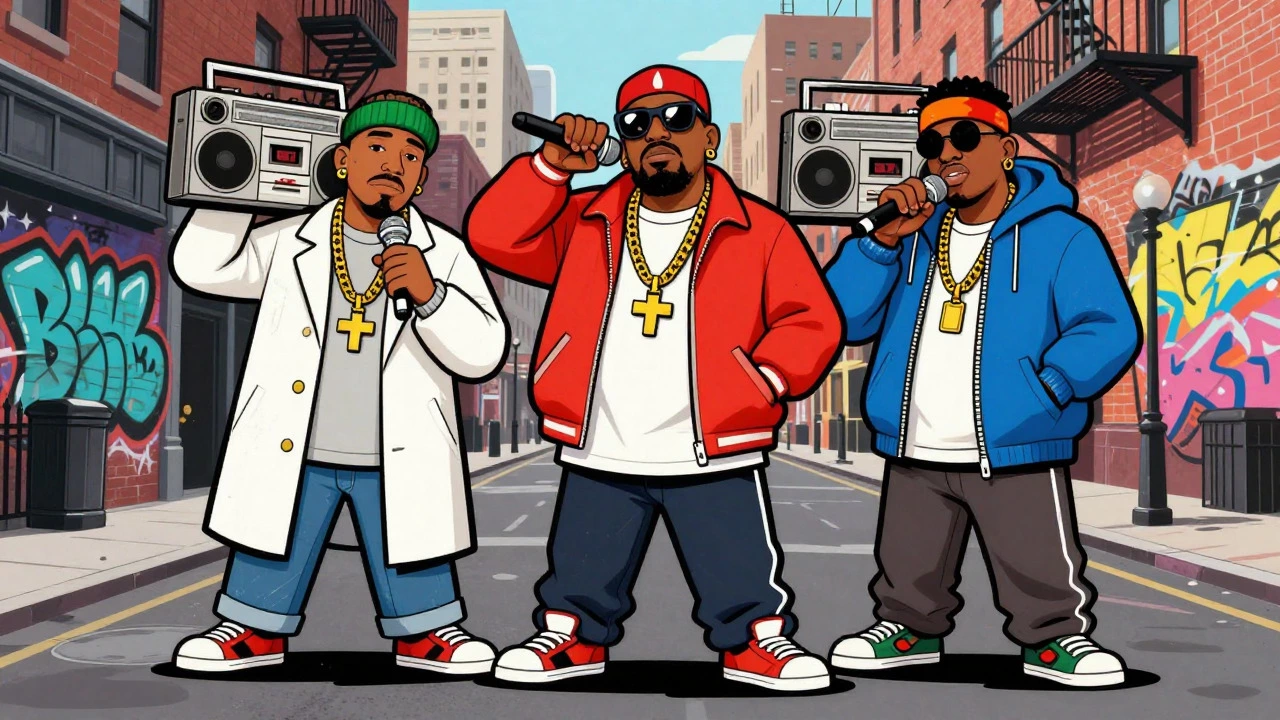
A TV show is only as good as its hosts, and Yo! MTV Raps had a dream team. During the week, the show was anchored by Doctor Dré (André Brown) and Ed Lover (James Roberts). Dré was a member of the rap group Original Concept, giving him deep roots in the music scene. Lover came from radio, bringing smooth delivery and interview skills. On weekends, the baton passed to Fab 5 Freddy (Fred Brathwaite), a graffiti artist and downtown New York cultural icon. Later, T Money, also from Original Concept, joined the weekday lineup.
These weren’t just presenters reading cue cards. They were insiders. When Fab 5 Freddy traveled to Compton to interview N.W.A or to Houston’s 5th Ward to meet the Geto Boys, he wasn’t an outsider looking in. He was part of the same cultural fabric. This authenticity resonated with viewers. Fans didn’t just watch the videos; they watched the hosts interact with the artists, discuss fashion trends like oversized jackets and gold chains, and explain the nuances of regional styles. Ed Lover and Doctor Dré often recounted being stopped in public by fans who credited the show with shaping their musical tastes and even their clothing choices. That level of influence is rare in television.
More Than Just Music Videos
If you thought Yo! MTV Raps was just a longer version of the regular MTV video rotation, you’d be wrong. The format was carefully designed to blend curated videos with on-location interviews, live performances, and comedic interludes. Weekday episodes typically mixed these elements to keep the energy high. Friday nights often featured live performances, adding a concert-like feel to the broadcast.
The production style was raw and immediate. Crews used handheld cameras to film in basements where artists recorded, local clubs, and street corners. This gritty aesthetic contrasted sharply with the polished, studio-bound look of other MTV programs. It showed the reality behind the music. For example, when Public Enemy appeared on the show, viewers didn’t just see their video for "Fight the Power." They saw Chuck D and Flavor Flav in their environment, discussing the political weight of their lyrics. This context helped demystify the genre for audiences who might have previously found it intimidating or confusing.
The pilot episode itself was a masterclass in curation. Run-DMC hosted, setting a tone of cool professionalism. DJ Jazzy Jeff & The Fresh Prince made a guest appearance, showcasing the lighter, more accessible side of rap. The first video played was Eric B & Rakim’s "Follow The Leader," signaling that the show respected lyrical complexity and technical skill. Other videos included tracks by Beastie Boys, LL Cool J, Doug E. Fresh, and J.J. Fad. This cross-section of styles proved that hip-hop wasn’t a monolith; it was diverse, dynamic, and ready for prime time.
Breaking Down Barriers: Race, Region, and Reach
One of the most significant aspects of Yo! MTV Raps was its ability to bridge racial and geographic divides. Before the show, rap was largely confined to urban markets and Black-oriented media outlets like BET’s Rap City (which launched in 1989). While Rap City was important, it primarily reached audiences already engaged with Black culture. MTV, however, had penetration into over 50 million predominantly white suburban households across the US.
This exposure was transformative. It introduced acts like N.W.A, Roxanne Shanté, and Eric B & Rakim to viewers who might never have encountered them otherwise. It normalized rap as a legitimate art form alongside rock and pop. Critics and historians note that this visibility accelerated the genre’s trajectory from underground parties to stadium tours. By placing rap on the same schedule as Michael Jackson and Madonna, MTV signaled that hip-hop belonged in the mainstream conversation.
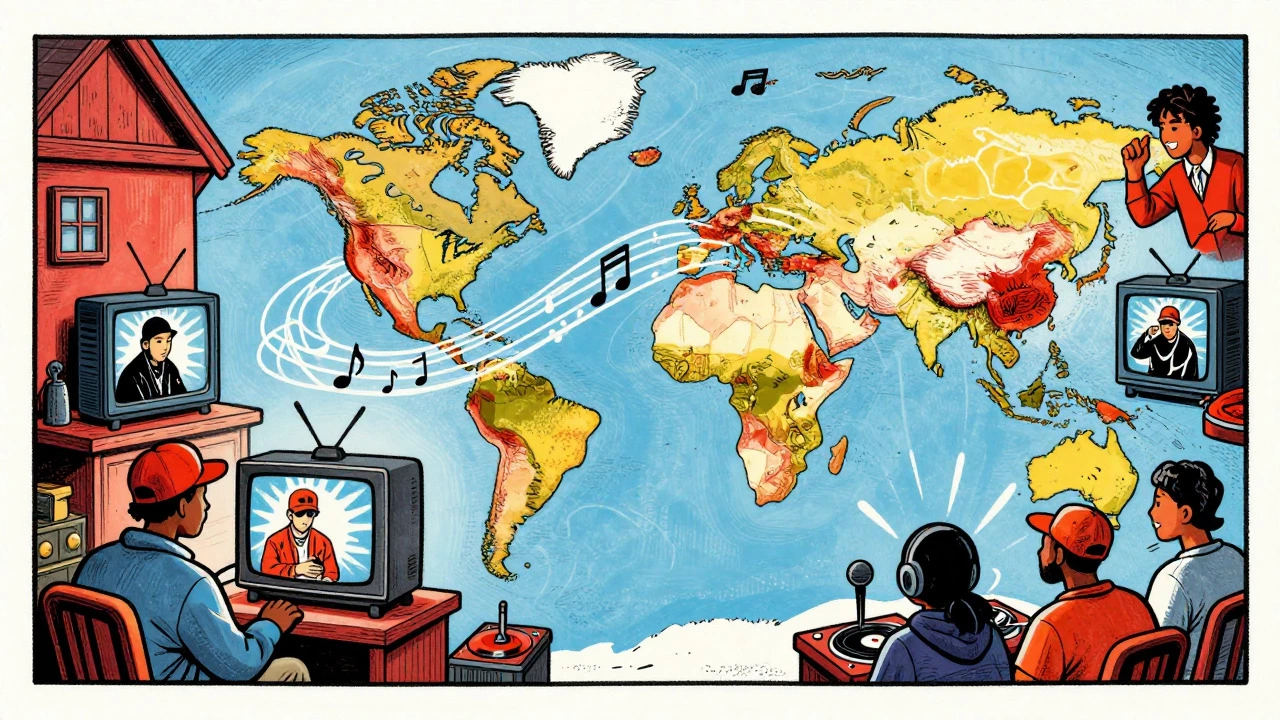
The show also facilitated international exchange. Because MTV operated globally, European and Asian audiences discovered US rap scenes through Yo! MTV Raps, while US viewers got glimpses of emerging European acts. This feedback loop helped create a unified global hip-hop community. Artists like Afrika Bambaataa, who bridged the gap between electro-funk and hip-hop, became household names worldwide thanks to this platform.
The Legacy of a Golden Era
Yo! MTV Raps ran until August 1995, but its most impactful years were undoubtedly the late 1980s and early 1990s. This period is often referred to as hip-hop’s "golden era," and the show was central to defining it. It documented the rise of conscious rap with Public Enemy, the emergence of gangsta rap with N.W.A, and the crossover appeal of groups like Run-DMC and Beastie Boys.
By the mid-1990s, MTV began shifting away from music videos toward reality TV and other formats. Yo! MTV Raps ended its run as the network evolved, but its legacy endured. Today, retrospectives and anniversary specials continue to highlight its importance. Scholars study it as a case study in how television can shape musical genres. Fans still reminisce about the times when they learned about new artists through the show’s video rotation.
In many ways, Yo! MTV Raps did more than just promote songs. It validated a culture. It gave voice to communities that had been marginalized by mainstream media. And it proved that when you give people a platform, they will seize it and change the world. For anyone interested in understanding how hip-hop became the dominant force in global popular music, the story of Yo! MTV Raps is essential reading-and viewing.
When did Yo! MTV Raps first air?
The US version of Yo! MTV Raps premiered on August 6, 1988. It started as a special weekend event before becoming a regular weekly series. The European version, simply titled Yo!, launched earlier in 1987.
Who were the main hosts of Yo! MTV Raps?
The weekday hosts were Doctor Dré and Ed Lover. Fab 5 Freddy hosted the weekend editions. Later in the show's run, T Money joined the weekday lineup alongside Dré and Lover.
Why was Yo! MTV Raps important for hip-hop?
It provided the first dedicated national television platform for hip-hop, exposing the genre to millions of suburban and international viewers who previously had limited access to rap music. It legitimized hip-hop as a mainstream cultural force.
What was the first video played on Yo! MTV Raps?
The first video aired on the debut episode was "Follow The Leader" by Eric B & Rakim. The episode was hosted by Run-DMC and featured guests like DJ Jazzy Jeff & The Fresh Prince.
How long did Yo! MTV Raps run?
The US version ran for seven years, from August 1988 to August 1995. The European version ran from 1987 to approximately 1990.
Did Yo! MTV Raps influence fashion trends?
Yes, significantly. The show showcased street fashion, including oversized jackets, sneakers, and gold chains, which were then adopted by fans across the country. Hosts Ed Lover and Doctor Dré have noted that fans often cited the show as influencing their clothing choices.