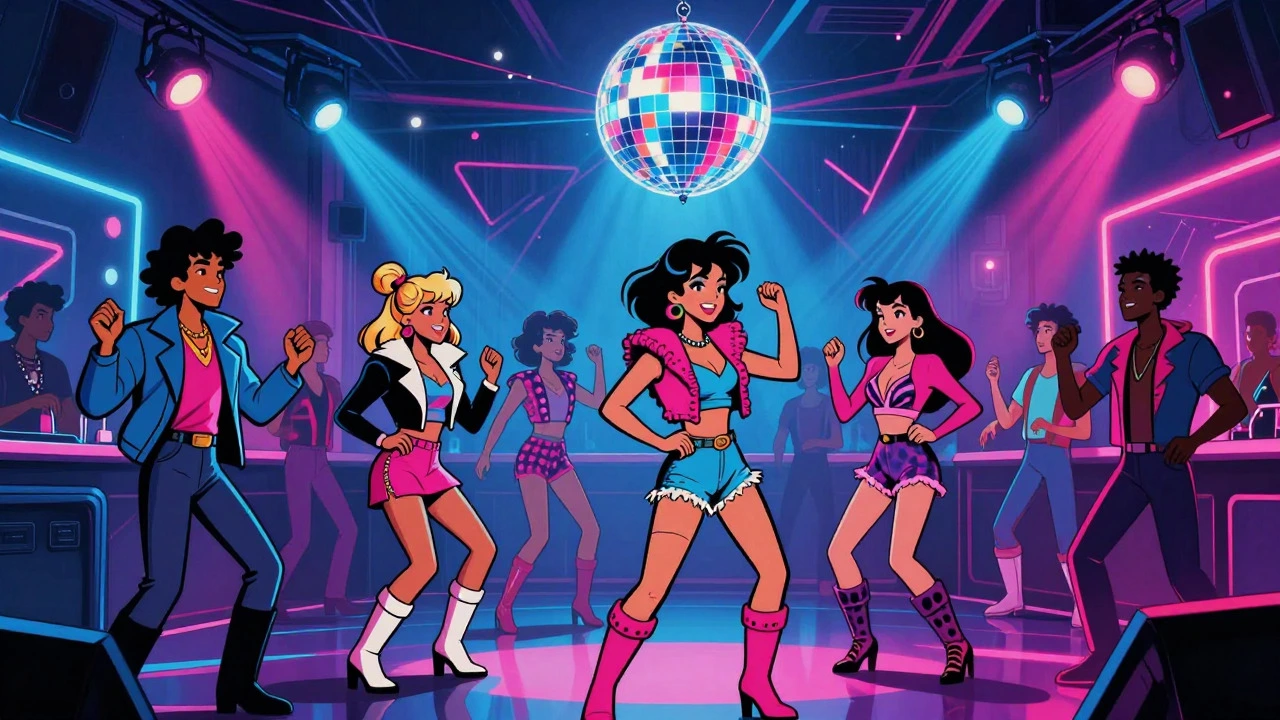

Remember the feeling of walking into a club in 1985? The neon lights, the oversized collars, the sound of synthesizers thumping through your chest. Now imagine recreating that exact feeling for an audience in 2026. That is the core challenge-and opportunity-of programming 1980s nights, which are curated entertainment experiences that use music, fashion, decor, and games from 1980-1989 to create immersive nostalgia. It is not just about playing old songs. It is about building a time machine.
We see this trend exploding globally. From the UK’s Planet 80s to car shows in Minnesota and hotel breaks in Cyprus, organizers are proving that the past is a highly profitable product. But how do you actually build these events without them feeling like cheap costume parties? Let’s look at what works, based on real events running right now.
The Core Elements of Immersive 80s Programming
To make an 80s night feel authentic, you need to engage more than just hearing. You need sight, touch, and memory. Successful festivals rely on three pillars: music, visual atmosphere, and interactive artifacts.
Music is the heartbeat. Every major example includes live tribute bands or dedicated DJs. Look at Planet 80s, a large-scale UK festival featuring tribute acts to artists like Duran Duran, Madonna, and OMD. They don’t just play hits; they perform them with costumes and stage setups that mimic the original eras. For smaller venues, a DJ set focused strictly on 1980-1989 tracks works well. The key is curation. Avoid mixing in 90s pop unless you have a specific multi-decade strategy (more on that later).
Visuals must be bold. Think geometric patterns, laser lights, and vintage posters. Fusion Events, an event production company specializing in themed corporate and private parties, recommends using bright, shiny decor to "bring back the decade." This means avoiding muted tones. Go for electric blue, hot pink, and chrome. If you can, add oversized props like giant Rubik’s cubes or neon signage. These elements signal to the brain that it has left the present day.
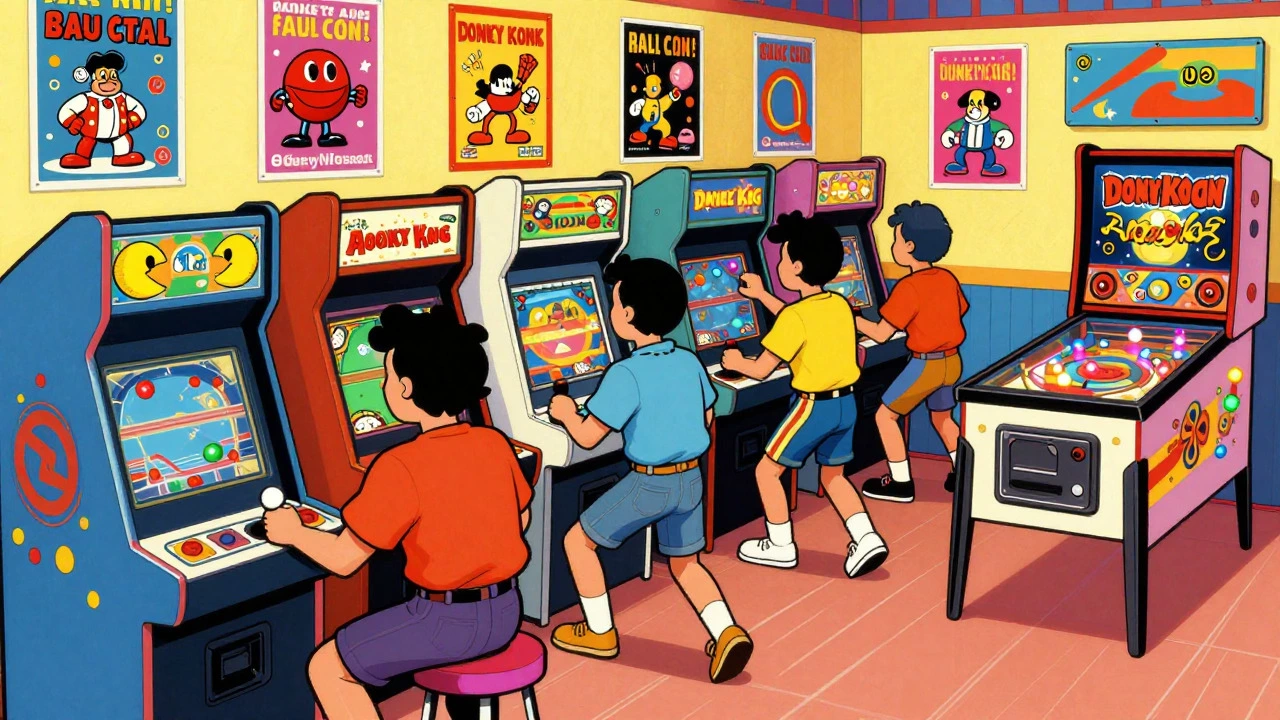
Finally, add tangible interactions. People want to hold something from the past. Arcade machines are a top choice. Games like Pac-Man, a classic 1980 arcade maze game by Namco, Street Fighter, and Donkey Kong are instant conversation starters. They give guests a reason to step away from the dance floor and engage with the theme physically.
Choosing Your Event Format: Single Night vs. Weekend Festival
Not all 80s events are created equal. Your format depends on your budget, venue, and target audience. Here is how the main types compare:
| Format | Duration | Key Features | Best For |
|---|---|---|---|
| Single-Night Club Party | 4-5 hours | DJ/Band, Dance Floor, Bar | Local nightlife, low overhead |
| Weekend Micro-Festival | 2-3 days | Multiple stages, Market stalls, Camping | Destination tourism, high revenue |
| Hotel Break Package | 2-3 nights | Accommodation, Dining, Live Acts | Older demographics, comfort seekers |
| Specialized Niche (e.g., Car Show) | 5 hours (Daytime) | Vehicle exhibits, Awards, Food stalls | Enthusiast communities, family-friendly |
Single-night parties, like Retro Mania at German Club Tivoli in Prahran, Australia, are straightforward. You book a band, set up lights, and sell tickets. It’s low risk but also lower reward per attendee. Weekend festivals, such as the Thornborough 80s Weekend in England, a multi-day event featuring genre-specific nights and retro markets, allow for deeper immersion. You can program Friday for New Wave and Saturday for Synth-Pop, keeping energy high across multiple days. Hotel packages, offered by chains like Warner Hotels, bundle the experience with sleep and food, appealing to those who want nostalgia without the hassle of travel logistics.
Music Curation: Pure Decade vs. Multi-Decade Rewind
A critical decision is whether to stick strictly to the 1980s or blend in the 70s and 90s. Both strategies work, but they serve different audiences.
Pure 80s events attract purists. They want the specific cultural markers of that decade: the rise of MTV, the fall of Cold War tensions, and the explosion of electronic music. Events like The 80s Party at The Phoenix Cavendish Square in London, focus exclusively on this era. This creates a tighter, more intense atmosphere. However, it limits your song pool and may alienate younger attendees who only know 80s hits through movies.
Multi-decade "rewind" events cast a wider net. Flashback Rewind, a promoter known for multi-decade nostalgia parties covering 70s, 80s, and 90s genres, mixes disco, new wave, and hip-hop. This approach captures a broader demographic. Someone who was a teen in the late 70s and early 80s will enjoy both. The trade-off is dilution. If you mix too many eras, the "time machine" effect weakens. To counter this, structure your timeline. Start with 70s disco, move into 80s synth-pop, and end with 90s house. This chronological flow tells a story rather than just playing random hits.
Beyond Music: Interactive and Visual Programming
Music gets people in the door, but interactivity keeps them engaged. Static listening is passive. You want active participation.
Arcade zones are essential. As mentioned, Pac-Man and Galaga are classics, but consider adding pinball machines or retro video consoles. Create a leaderboard for high scores. This adds a competitive element that drives repeat visits within the event.
Costume contests are another powerful tool. Encourage attendees to dress the part. Offer prizes for best dressed, most accurate outfit, or funniest interpretation. This turns the crowd into part of the show. When everyone is wearing leg warmers and shoulder pads, the collective energy shifts. It becomes a shared performance.
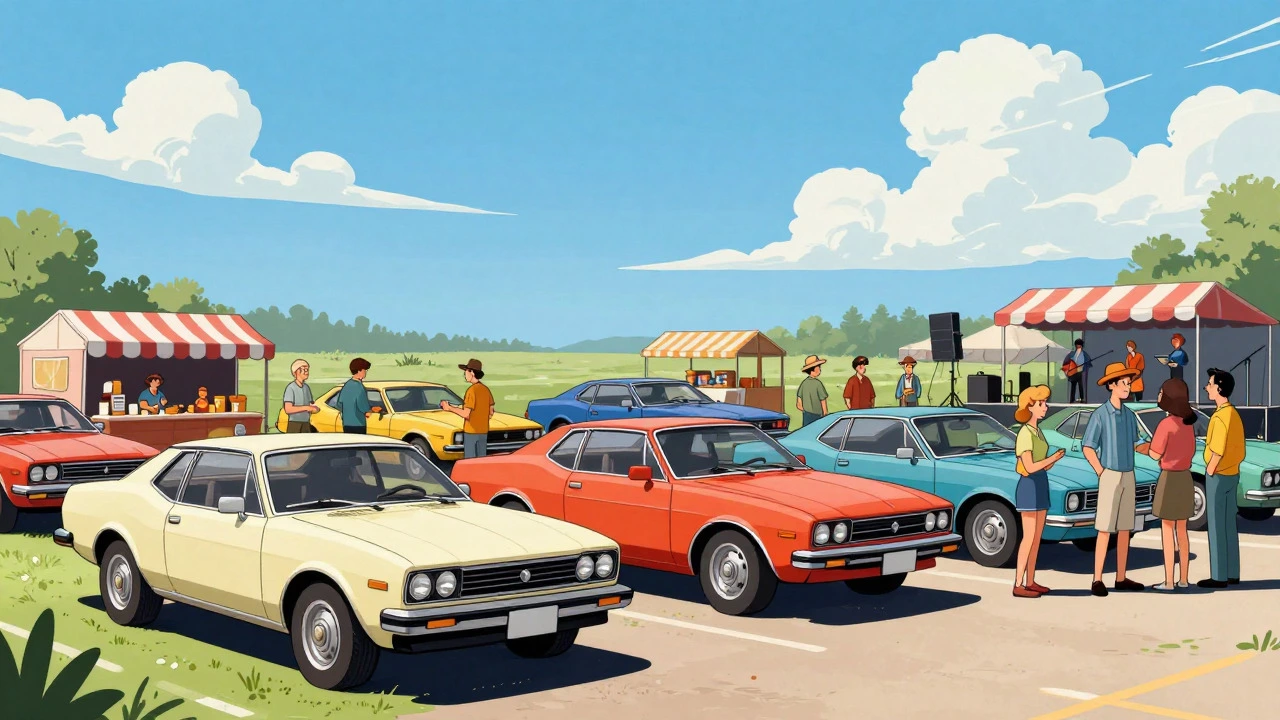
For daytime events, think outside the box. Back to the 80s car shows in Hugo, Minnesota, featuring period-correct vehicles from 1980-1989, demonstrate how non-music interests can anchor a theme. Cars from the 80s have distinct designs-boxy shapes, bright colors, and chrome details. Pairing vehicle exhibits with 80s music creates a unique niche that appeals to automotive enthusiasts who might not attend a standard club night.
Logistics and Technology: Modern Tools for Retro Vibes
While the theme is retro, your operations must be modern. You cannot run a successful 2026 event with 1980s technology.
Ticketing platforms like Eventbrite, a global online ticketing platform for events, and TryBooking are standard. They provide data on attendance, demographics, and sales trends. Use this data to refine future events. For example, if you notice higher ticket sales for Friday nights versus Saturdays, adjust your programming accordingly.
Social media is crucial for promotion. Instagram reels showing behind-the-scenes setup, costume highlights, and live dance footage drive engagement. The success of 80s Fest in Frankenmuth, evidenced by celebratory social posts, shows that user-generated content amplifies reach. Encourage attendees to post with a specific hashtag. This builds community and provides free marketing.
Sound and lighting systems should be state-of-the-art. Even though the music is old, the audio quality must be crisp. Poor sound ruins the illusion. Invest in good PA systems and lighting rigs that can replicate the strobe and laser effects of 80s clubs. The contrast between modern tech and retro content enhances the experience, making it feel polished rather than dusty.
Pricing Strategies and Revenue Models
Pricing varies widely based on format and location. Simple club nights might charge €10-€20 per ticket, as seen with the Nostalgia Disco Party in Polis Chrysochous, Cyprus,. Weekend festivals and hotel packages command higher prices due to added value like accommodation and multiple performances.
Consider tiered pricing. Offer general admission, VIP access with premium viewing areas, and package deals that include merchandise or drinks. Merchandise itself is a revenue stream. Sell 80s-themed t-shirts, posters, and accessories. At Thornborough, retro market stalls add an economic layer where vendors sell decade-inspired goods. This diversifies income beyond ticket sales.
Corporate events offer another avenue. Companies pay for team-building activities. Virtual trivia games, like those offered by Confetti, a provider of virtual corporate entertainment and team-building games,, can be sold as B2B services. These sessions typically last 60-90 minutes and require minimal logistical overhead compared to physical events.
Future Trends: Where Is Nostalgia Heading?
The demand for 80s nostalgia shows no signs of slowing. In fact, it is evolving. We are seeing a shift toward hybrid formats. Expect more events that blend decades, creating seamless transitions from 70s to 90s. We are also seeing more specialized niches, like car shows and gaming tournaments, integrated into larger festivals.
Technology will play a bigger role. Augmented reality (AR) filters that let users see themselves in 80s outfits or environments could become standard at entry points. Data analytics will help organizers personalize experiences, recommending sets or activities based on attendee preferences.
Ultimately, the key to success is authenticity combined with innovation. Respect the source material, but don’t be afraid to update the delivery. The goal is not to recreate the past exactly, but to evoke its spirit in a way that resonates with today’s audiences.
What are the most important elements for a successful 1980s night?
The three most important elements are curated music (live tributes or dedicated DJs), immersive visual decor (neon lights, geometric patterns), and interactive artifacts (arcade games, costume contests). These create a multi-sensory experience that feels authentic.
Should I focus only on the 1980s or include other decades?
It depends on your audience. Pure 80s events attract purists and create a tighter atmosphere. Multi-decade "rewind" events capture a broader demographic but require careful chronological programming to maintain cohesion. Consider structuring sets by era if you mix decades.
How can I make my 80s event stand out from others?
Differentiate through interactivity and niche appeal. Add unique elements like retro arcade leaderboards, costume competitions with significant prizes, or specialized exhibits like period-correct cars. High-quality sound and lighting also elevate the experience above basic bar parties.
What are some effective ways to promote an 80s-themed festival?
Use social media heavily, especially Instagram and TikTok, to share behind-the-scenes content, costume highlights, and live clips. Encourage user-generated content with branded hashtags. Partner with local influencers who resonate with the target demographic.
Is it possible to host a corporate 80s event virtually?
Yes. Virtual providers like Confetti offer 80s-themed trivia games and quiz shows that can be integrated into online meetings. These are effective for remote team-building and require less logistical complexity than physical events.


