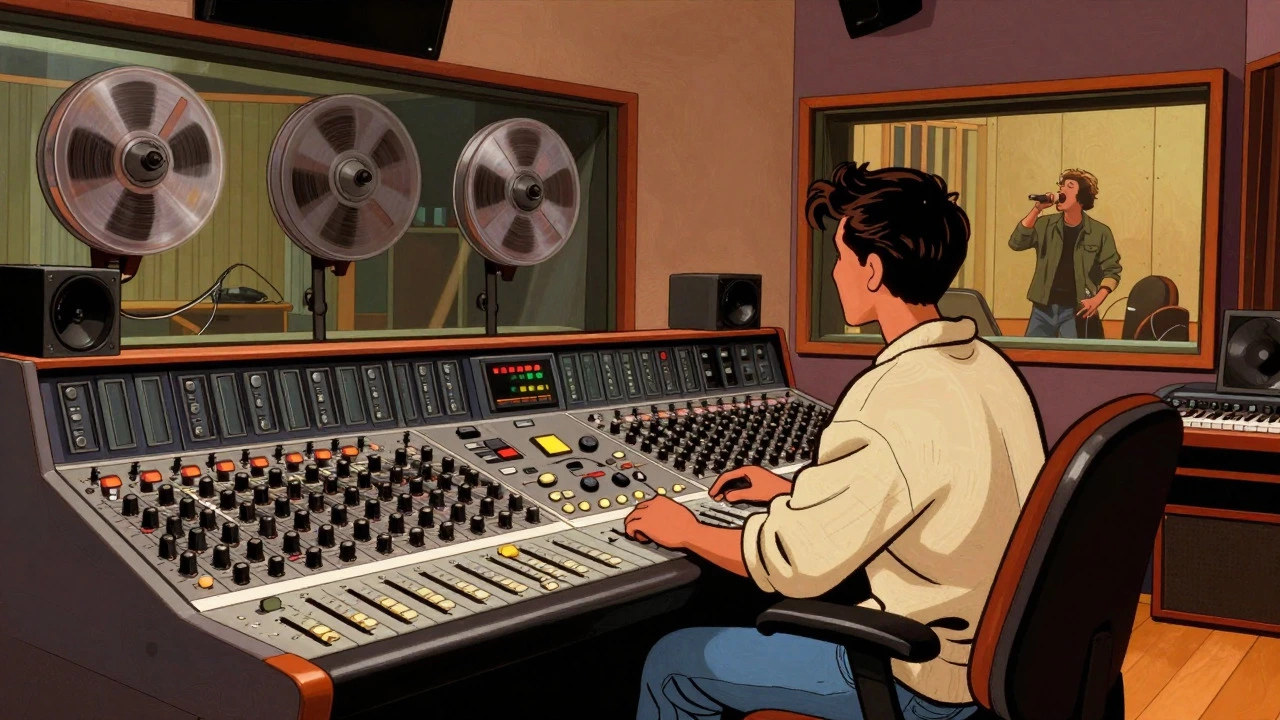

Think about the last time you heard a massive, wall-of-sound chorus from a late-90s boy band or R&B group. That thick, shimmering texture wasn’t an accident. It was built track by track, harmony by harmony. If you are trying to capture that specific 1990s pop vocal sound in your own mixes, you need to understand the architecture behind it. It is not just about adding reverb. It is about precise layering, controlled doubling, and strategic ad-libs.
The Anatomy of the Stack
In the 1990s, producers had access to more tracks than ever before. Multitrack tape machines and early digital recorders like the ADAT allowed engineers to dedicate dozens of channels solely to vocals. This shift changed everything. Instead of relying on a single lead take with a little bit of chorus effect, producers began building dense vertical structures.
The goal was never to make the background singers louder than the lead. The "golden rule" of this era was simple: the lead vocal must remain dominant at all times. Everything else exists to support it. Background stacks were often high-passed aggressively to remove low-end rumble, keeping the mix clear for the bass guitar and kick drum. They were also sent to reverb and delay buses significantly more than the lead-often 5 to 10 dB higher-to push them back into the stereo field, creating a sense of depth without muddying the lyrics.
Double Tracking vs. Artificial Doubling
You might be tempted to just copy-paste your lead vocal and shift it slightly. Don’t. While Automatic Double Tracking (ADT) was invented by Ken Townsend at Abbey Road in 1966 to save John Lennon time, true double tracking remains superior for that authentic 90s feel. True double tracking involves singing the exact same line again. The tiny variations in timing and pitch between the two takes create a natural chorus effect that plugins struggle to replicate perfectly.
In 1990s pop production, the lead double was kept very low in the mix. You shouldn’t hear it as a distinct second voice. It should simply thicken the main vocal, making it sit forward in the center channel. For background harmonies, however, producers recorded each part twice and panned one take hard left and the other hard right. This created wide stereo pairs that surrounded the listener, maximizing the width of the chorus while keeping the lead anchored in the middle.

The Role of Ad-Libs and Call-and-Response
If stacking provides the body, ad-libs provide the soul. Heavily influenced by gospel music, 1990s R&B and pop relied on a call-and-response structure. The lead singer delivers the core lyric (the call), and the background stack or ad-lib tracks respond with short phrases, riffs, or sustained chords.
These ad-libs were not random. They were meticulously arranged to fill the gaps between lead phrases. Producers would record spontaneous-sounding lines but then comp the best parts together. These tracks were treated differently in the mix. They sat lower in volume than the lead but were enhanced with extra reverb and delay. This made them feel larger-than-life and ethereal, adding excitement to the end of sections without obscuring the primary melody. Think of the iconic runs in Boyz II Men or the playful shouts in Backstreet Boys tracks. They are always present, but they never steal the spotlight from the main hook.
Sonic Shaping: EQ and Compression
Getting the layers right is only half the battle. The tone itself matters. 1990s pop vocals were bright, clean, and highly compressed. To achieve this, engineers used a specific EQ curve. A boost around 2.5 kHz added presence and intelligibility, ensuring the voice cut through dense arrangements. Another boost above 12 kHz added air and sheen, giving the vocal that radio-ready polish.
Because these boosts accentuate sibilance, heavy de-essing was required. The goal was a compressed character that felt tight and controlled. Unlike rock vocals of the same era, which were often mixed darker and set behind guitars, pop and R&B leads were pushed to the front. The dynamic range was tightly controlled using compression, ensuring that every word hit with consistent impact. This combination of forward midrange, hyped top-end, and assertive sibilant control creates the immediate sonic signature of the decade.
The Cheiron Studios Method
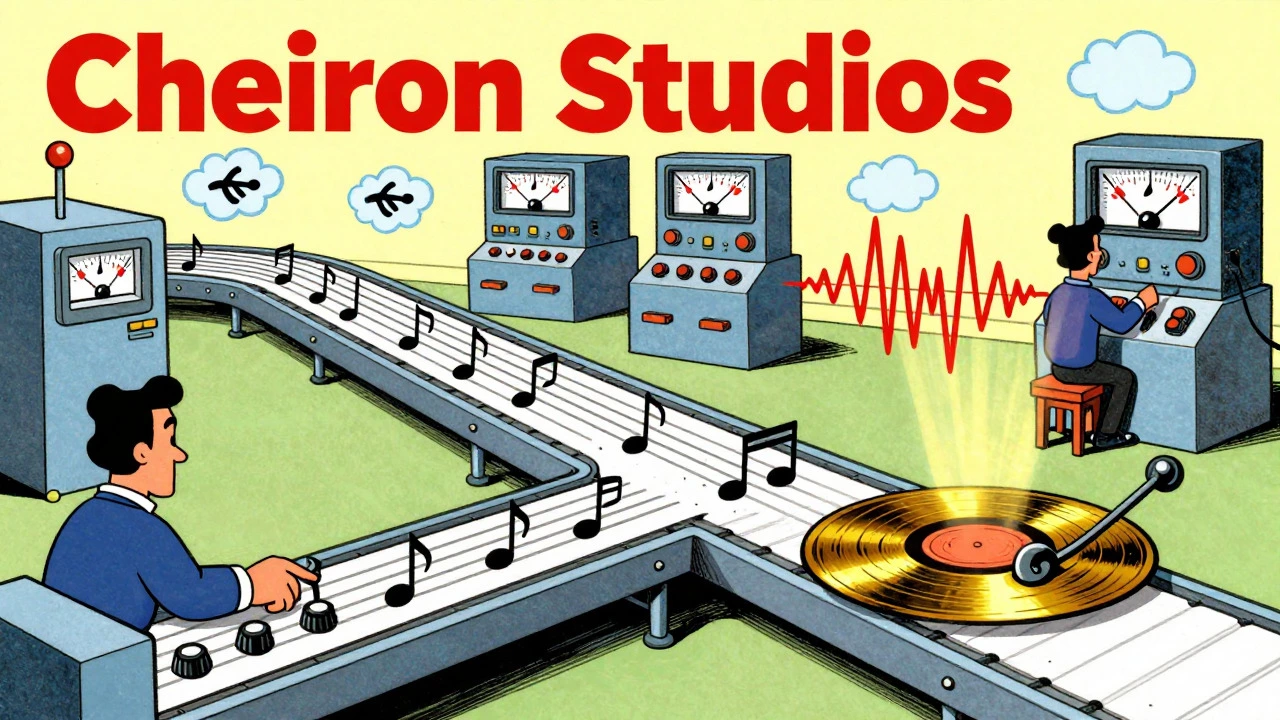
You cannot talk about 1990s pop without mentioning Cheiron Studios in Stockholm. Under the guidance of Denniz Pop, this studio became the factory for manufactured pop hits. Acts like the Backstreet Boys and Britney Spears recorded here. The workflow was systematic. Teams wrote songs, then devoted entire sessions to capturing multiple passes of chorus leads, harmony stacks, and ad-libs.
The precision was key. Vocal arrangers exerted detailed control over harmony voicings and stereo images. While the harmonic language was often simpler and more diatonic than complex R&B, the density of the stacking was comparable. Double tracking served both an aesthetic and practical purpose here. It reinforced hooks intended to be instantly memorable and provided redundancy for editing in an era before full-phrase vocal tuning software like Melodyne became standard.
| Technique | 1990s Pop/R&B | Modern Pop |
|---|---|---|
| Lead Vocal Processing | Bright EQ (2.5kHz, 12kHz+), heavy de-esser, moderate compression | Often cleaner, heavier tuning, more aggressive limiting |
| Stacking Density | Dozens of tracks, triad-based harmonies, stereo pairs | Variable, often uses formant shifting or AI tools |
| Ad-Lib Placement | Call-and-response, filled gaps, wetter effects | Often more rhythmic, sometimes dry and upfront |
| Double Tracking | True performance doubles, subtle level | Frequently artificial or plugin-based |
Recreating the Sound Today
If you want to apply these techniques now, start with a strong lead performance. Record a single double and keep it barely audible. Then, build your harmonies. Stick to simple chord tones. Record each harmony line twice and pan them left and right. Add emphasis tracks on key words for transient bursts of intensity. Finally, record ad-libs to fill the spaces. Process the backgrounds with high-pass filters and send them to a lush reverb bus. Keep the lead dry and centered. Listen back. If it sounds like a conversation between the artist and their backup singers, you are on the right track.
What is the difference between double tracking and ADT?
Double tracking involves recording a second, separate performance of the same part. ADT (Automatic Double Tracking) is an electronic effect that simulates this by delaying the signal slightly. True double tracking offers more natural variation in timing and pitch, which is preferred for authentic 1990s pop sounds.
How many vocal tracks did 1990s producers use?
Producers often used 24 or more tracks dedicated solely to vocals. A single chorus could contain 10 to 40 separate vocal parts, including leads, doubles, harmonies, and ad-libs, thanks to the availability of multitrack tape and digital recorders.
Why were ad-libs important in 1990s R&B and pop?
Ad-libs added emotional expression and filled the gaps between lead phrases. Rooted in gospel call-and-response traditions, they created a conversational dynamic. In the mix, they were kept lower than the lead but enhanced with reverb to add depth and excitement without obscuring the lyrics.
What EQ settings define the 1990s pop vocal sound?
The characteristic sound includes a boost around 2.5 kHz for presence and another boost above 12 kHz for air. This is followed by aggressive de-essing to control sibilance and compression to maintain a consistent, polished level.
Did Cheiron Studios influence modern pop production?
Yes. Cheiron Studios established a template for manufactured pop, emphasizing meticulous vocal layering, systematic stacking workflows, and polished, radio-ready textures. This approach influenced countless acts in the late 90s and continues to shape modern pop aesthetics.