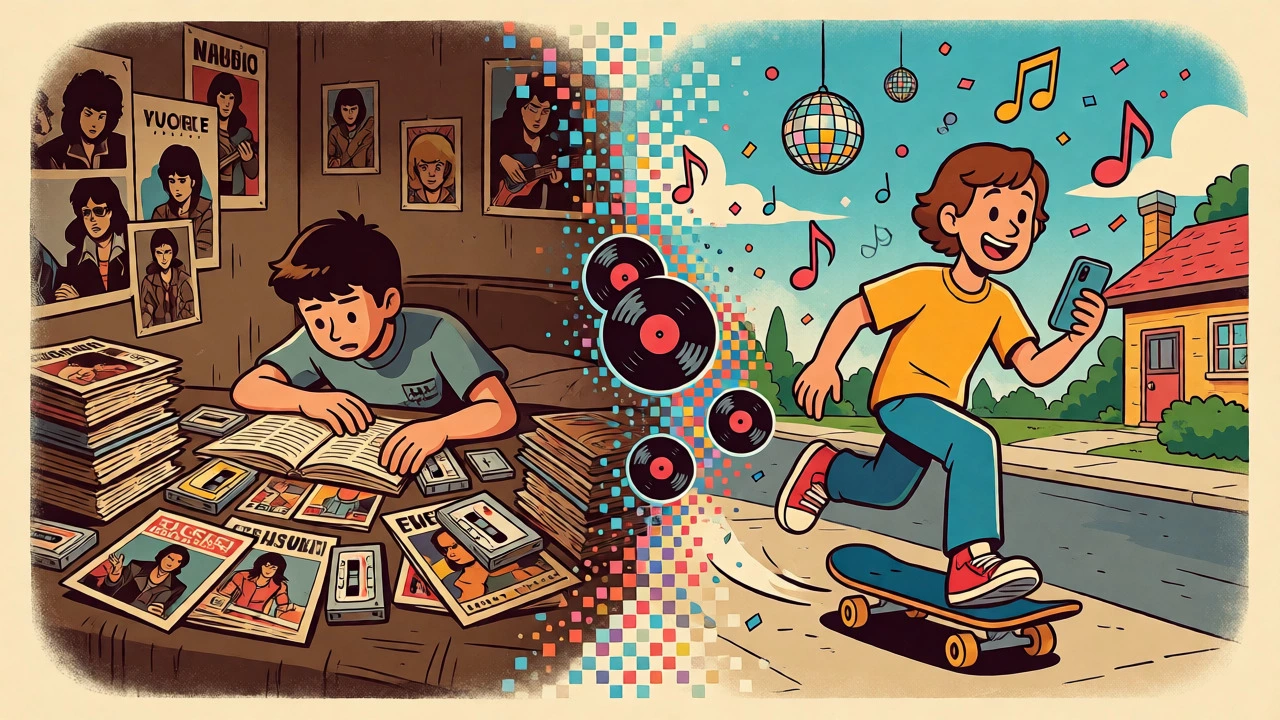

You might think the 1970s is just a decade of bell-bottoms and disco balls, but for millions of people online, it’s a living, breathing ecosystem. It’s not just about nostalgia; it’s about active preservation. If you’ve ever wondered why Fleetwood Mac’s "Dreams" suddenly topped the charts in 2020 or why Earth, Wind & Fire’s "September" trends every single year on September 21st, you’re looking at the work of dedicated social media communities. These aren’t passive listeners. They are amateur archivists, metadata experts, and community organizers who have turned platforms like Facebook, TikTok, and Reddit into the most effective heritage institutions we have today.
The Shift from Fanzines to Feeds
Before smartphones existed, keeping a musical era alive required serious effort. Think back to the mail-order fan clubs, printed fanzines, and tape-trading networks of the 1980s and 90s. Grateful Dead fans were already using early email lists and bulletin boards to share lyrics and setlists decades ago. But today, the barrier to entry has collapsed. A teenager in Portland can stumble upon a obscure funk track via an algorithm, ask a question in a comment section, and get an answer from a 60-year-old former session musician within minutes. This transition has changed how we interact with history. We no longer rely solely on record labels or radio stations to tell us what matters. Instead, we see a phenomenon researchers call "DIY preservationism." Fans collectively capture, curate, and annotate material that formal archives often ignore because it lacks immediate commercial value. When a user posts a blurry photo of a concert ticket stub from 1974, they aren’t just sharing a memory; they are adding data to a decentralized database that tracks the cultural footprint of the decade.
Facebook Groups: The Digital Record Store
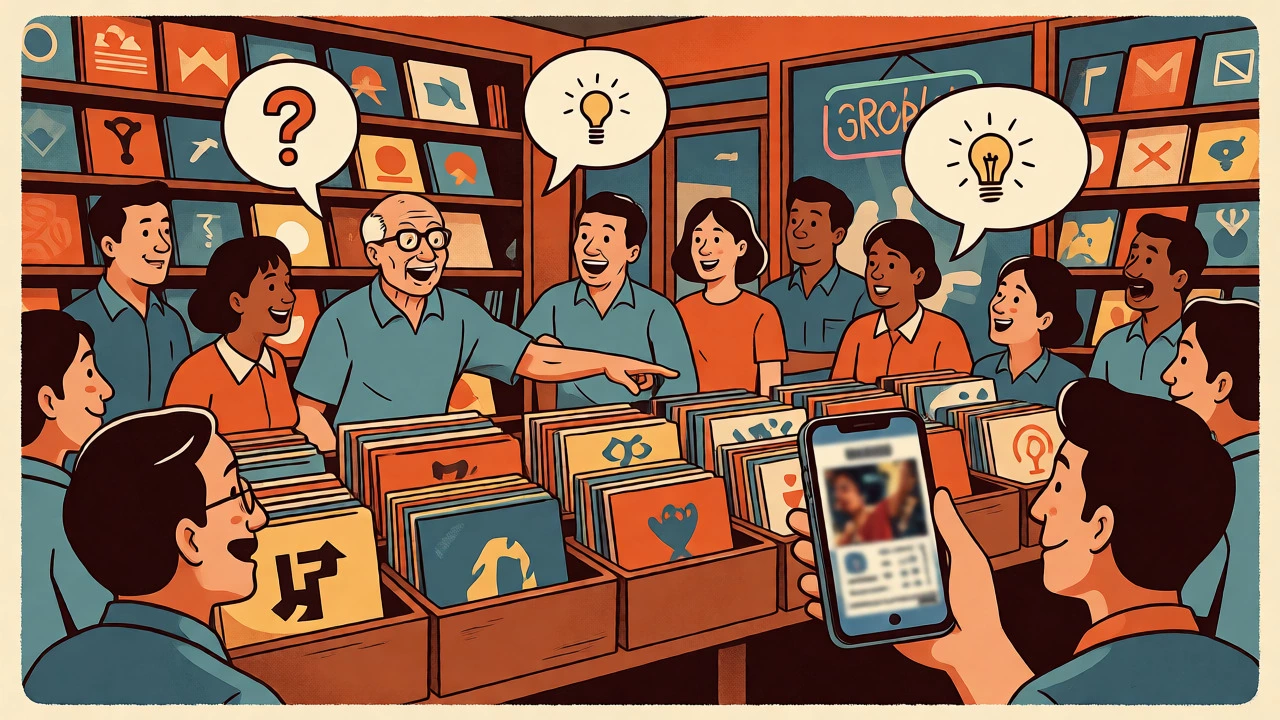
If you want to understand the depth of this movement, look no further than Facebook. Groups like "1960s & ’70s Music Classics," which boasts over 325,000 members, function less like social feeds and more like interactive libraries. Members don’t just post songs; they solve mysteries. Someone might upload a snippet of a song they heard in a local bar in 1978, unable to remember the name. Within hours, other members identify the artist, the album, the label, and even the specific pressing plant. These groups serve as informal catalogues where oral history meets verified fact. You’ll find discussions on southern rock, arena rock, and singer-songwriter folk, treating the 1970s not as a monolith but as a pluralistic musical ecosystem. However, these spaces have their quirks. Membership numbers-like the 1.4 million in "1970s Memories by DoYouRemember.com"-measure enrollment, not necessarily active participation. There’s also a risk of echo chambers, where older users dominate the conversation, sometimes reinforcing subjective claims that "the music was better" without always providing evidence. Yet, the value lies in the connection. Older listeners contribute firsthand memories of record shops and radio DJs, while younger fans gain access to a curated history they couldn’t find on Spotify alone.
TikTok and the Algorithmic Revival
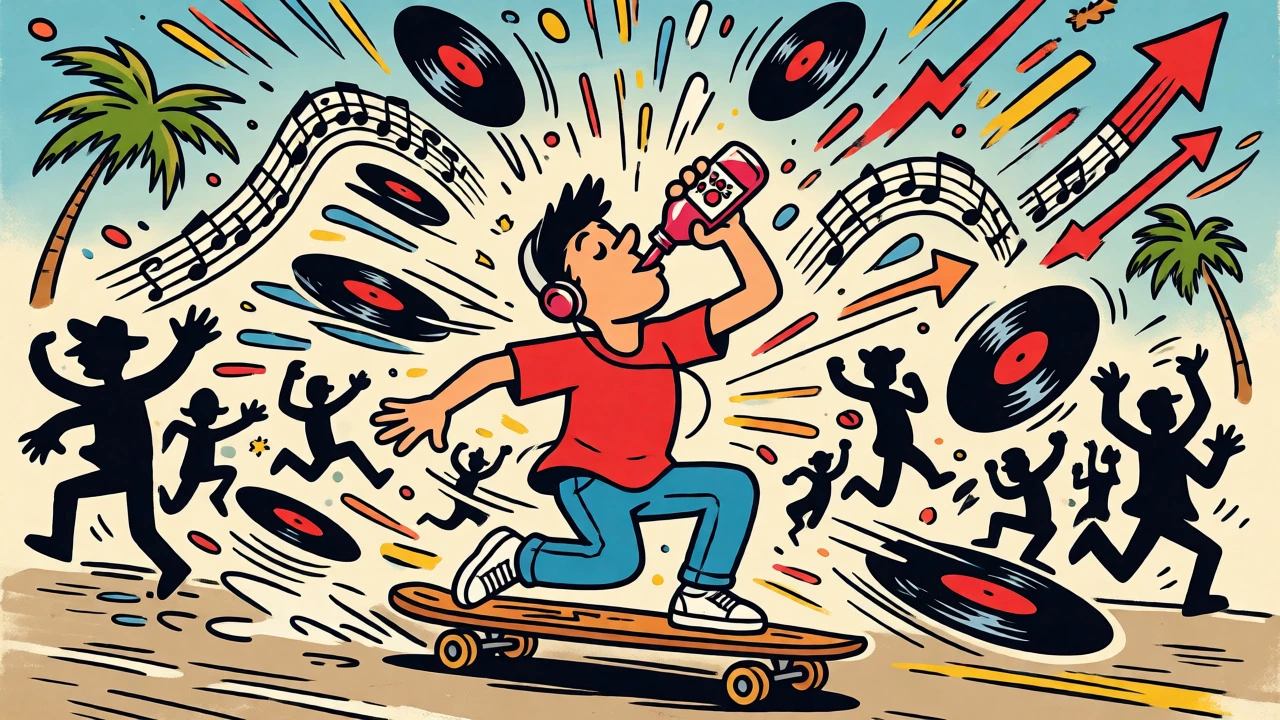
While Facebook preserves the past, TikTok revives it. This platform has fundamentally changed preservation from a deliberate search into algorithmic rediscovery. The prime example is Nathan Apodaca’s viral video in September 2020. He wasn’t a music critic or a DJ; he was skateboarding while drinking cranberry juice to Fleetwood Mac’s "Dreams." That simple clip triggered a massive chain reaction. The numbers speak for themselves. Nielsen Data showed U.S. streams of "Dreams" rose by 88.7% in just three days. Digital downloads jumped by 374%. The song returned to the Billboard Hot 100 for the first time since 1977. More importantly, it sparked over 134,000 tribute videos. This wasn’t just a trend; it was a participatory ritual. Users didn’t just listen; they recreated the scene, shared their own stories, and connected a 1977 recording to contemporary experiences. Mick Fleetwood himself joined in, recreating the video, which further validated the community’s effort. Another recurring model is Earth, Wind & Fire’s "September." Unlike the spontaneous virality of "Dreams," "September" has become a calendar-based event. Every year around September 21st, the song trends globally. Artists like Dua Lipa and Sabrina Carpenter perform covers, and users flood the platform with videos. This demonstrates how social media can create new contexts for old music, detaching it from its original release window and reattaching it to modern cultural moments.
| Platform | Primary Function | User Activity | Risk Factor |
|---|---|---|---|
| Community & Archiving | Metadata correction, memory sharing, rare track identification | Nostalgia bias, platform dependency | |
| TikTok | Discovery & Virality | Video creation, remixing, algorithmic recommendation | Short attention spans, copyright strikes |
| YouTube | Listening & Commentary | Full album uploads, live performance archives, video essays | Content removal, ad-blocker revenue loss |
| Discussion & Debate | Deep-dive threads, historical analysis, genre debates | Toxicity, moderator burnout |
The Economics of Nostalgia
Is all this activity actually moving the needle for the music industry? Absolutely. According to Luminate’s 2024 year-end data, global audio streams increased by 14%, reaching 4.8 trillion. While music from the 2020s accounts for nearly half of all streams, catalog music-tracks released more than 18 months ago-makes up 73.3% of total album consumption. Specifically, 1970s music accounts for 1.8% of U.S. on-demand streams. That might sound small compared to the 2010s (29.9%), but consider this: Rock music has a particularly deep catalog profile, with nearly three-quarters of its streams coming from tracks at least five years old. For artists and estates, this means renewed relevance. When a song goes viral on TikTok, it doesn’t just generate views; it drives sales and chart positions. The "Dreams" revival didn’t require a new album campaign or a radio push. It was driven entirely by user-generated content. This shifts power dynamics in the industry. Labels can no longer dictate hits solely through marketing budgets; they must now monitor social sentiment and engage with fan communities to capitalize on organic resurgences.
Challenges and Preservation Risks
Despite the enthusiasm, relying on social media for preservation comes with significant risks. First, there’s the issue of permanence. Platforms change algorithms, close groups, or delete content due to copyright disputes. Baker and Collins, researchers in this field, warn that these communities are "unintentional archives" that lack long-term resources. If Facebook changes its policy tomorrow, thousands of hours of oral history and rare audio clips could vanish. Copyright is another minefield. Many fan uploads of rare concerts or B-sides exist in a legal gray area. Rights holders may remove content without warning, stripping the archive of valuable material. Additionally, poor metadata is a common problem. Without standardized tagging, finding a specific recording becomes difficult. A file named "IMG_4521.jpg" tells you nothing about the artist or date unless someone manually adds that info in the comments. To mitigate these risks, best practices suggest maintaining offline backups. Serious archivers download high-quality audio files, save screenshots of key discussions, and use external databases to store metadata. Partnerships with libraries and museums can also help convert unstable social media activity into durable heritage. Until then, the responsibility falls largely on the users themselves.
How to Join the Movement
If you’re interested in contributing to this digital preservation effort, you don’t need to be a music historian. Start by joining a group aligned with your tastes. Whether it’s "Grateful Dead Tour Veterans" or a broader "70s Nostalgia" page, observe how members interact. Ask questions if you’re unsure about a track. Share your own memories-did you see a specific band open for Led Zeppelin in 1975? Did you buy a vinyl copy of a Stevie Wonder album at a specific shop? Be mindful of copyright. Whenever possible, link to licensed streaming services rather than uploading unauthorized MP3s. Provide context. Don’t just post a song; explain why it matters to you. Was it the soundtrack to your first car ride? Did it play during a significant life event? These personal narratives add layers of meaning that pure data cannot capture. By engaging thoughtfully, you help build a richer, more accurate picture of the 1970s for future generations.
Why did Fleetwood Mac's "Dreams" go viral on TikTok?
It started with a simple video by Nathan Apodaca (@420doggface208) skateboarding while drinking Ocean Spray cranberry juice. The authentic, low-effort vibe resonated with users, leading to 21.9 million views initially and triggering a massive increase in streams and downloads, proving that emotional resonance often beats polished production.
Are Facebook music groups reliable sources for historical facts?
They are excellent for anecdotal evidence and identifying obscure recordings, but they should be cross-referenced. Members often correct each other, creating a self-policing environment. However, memories can be flawed, so treat personal stories as cultural history rather than absolute academic truth.
What percentage of music streams come from the 1970s?
According to Luminate data, approximately 1.8% of U.S. on-demand streams are from 1970s music. While this seems low compared to newer decades, it represents billions of plays annually, highlighting the enduring popularity of the era's catalog.
Can social media replace traditional music archives?
Not entirely. Social media lacks the stability and rigorous curation of institutional archives. Content can be deleted due to copyright or platform changes. The ideal model combines the speed and engagement of social media with the durability and standards of traditional libraries and museums.
How does TikTok influence music sales today?
TikTok acts as a discovery engine. Viral sounds drive users to streaming platforms like Spotify and Apple Music. This increases royalty payments for rights holders and can reintroduce older songs to new audiences, effectively extending the commercial lifecycle of tracks decades after their release.