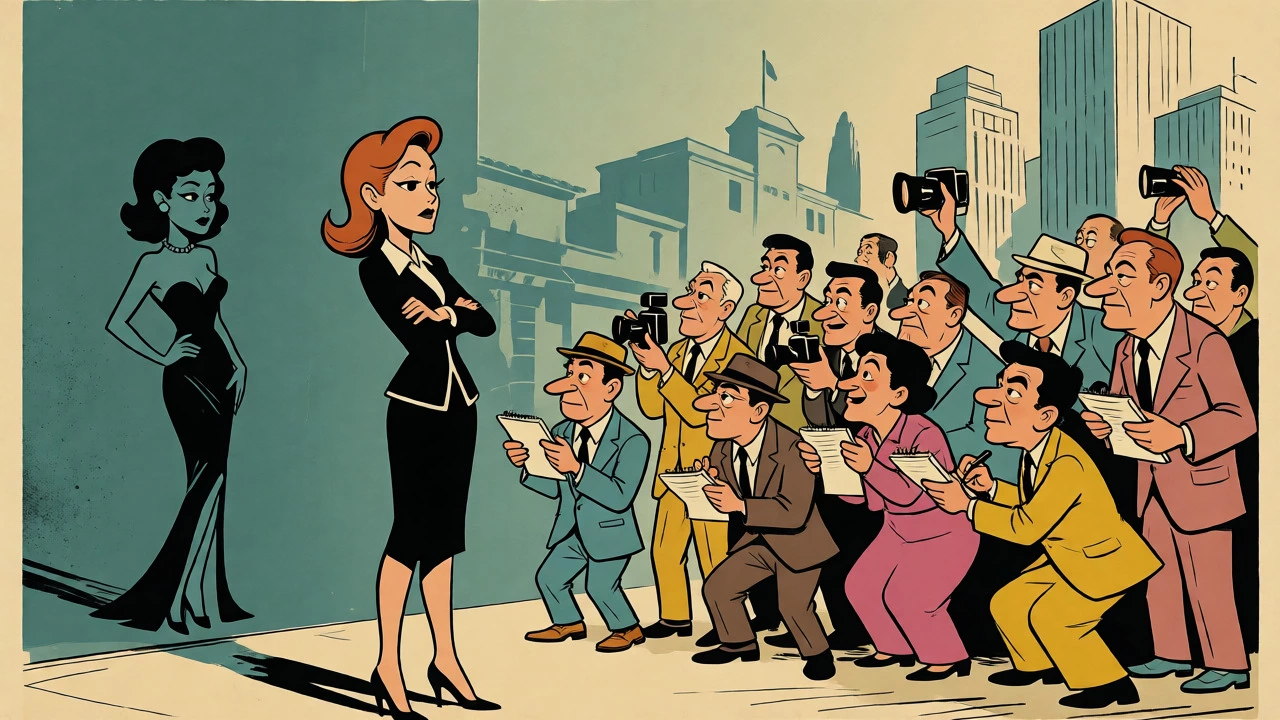

Imagine trying to sell a movie star or a rock icon without Instagram, Twitter, or even a personal website. In the 1980s, if you wanted the world to know about Tom Cruise’s next blockbuster or Michael Jackson’s new album, you didn’t just post a selfie. You needed a gatekeeper. This was the era when publicity shifted from the rigid control of old Hollywood studios to the fierce, independent power of personal representatives. It wasn’t just about getting on TV; it was about manufacturing an image so potent that it could move millions of tickets and records.
The core dynamic of this decade was controlled visibility. Publicists weren’t just helpers; they were architects of fame. They decided which journalist got the exclusive interview, which magazine put the face on the cover, and which talk show host got the tearful confession. This system created a high-stakes game where access was currency. If you wanted the story, you played by the publicist’s rules. Let’s look at how this machinery worked, who ran it, and why the hype we see today is essentially a digital echo of what happened then.
The Rise of the Power Broker
Before the 1980s, stars belonged to studios. The studio owned their contracts, their images, and their press agents. But as television eroded the monopoly of cinema, stars began working freelance across multiple projects. They needed someone loyal to them, not the studio. Enter figures like Pat Kingsley. Her firm, PMK, founded in 1980, became legendary for its "barrier" model. She didn’t just facilitate interviews; she protected her clients-like Tom Cruise and Goldie Hawn-from unwanted media attention while carefully curating favorable exposure.
Kingsley’s approach was ruthless but effective. She understood that scarcity created value. By withholding access, she made every appearance feel like an event. A notable incident involved Malibu magazine wanting a cover story on Goldie Hawn. PMK refused to grant exclusive access. The magazine had to buy photos from an outside agency instead. That refusal signaled to the entire industry: the star controls the narrative, not the publication.
On the music side, Howard Bloom revolutionized artist branding. His organization represented over 100 artists, including Prince, Michael Jackson, and Run-DMC. Bloom used what he called "tuned empathy" to identify an artist’s core "passion points." For Prince, this meant leaning into rebellion and countercultural identity, aligning him with punk and New Wave journalism rather than traditional pop channels. This wasn’t just PR; it was psychological positioning. Bloom ensured that the press coverage matched the internal truth of the artist’s brand, making the hype feel authentic.
The Magazine Cover Economy
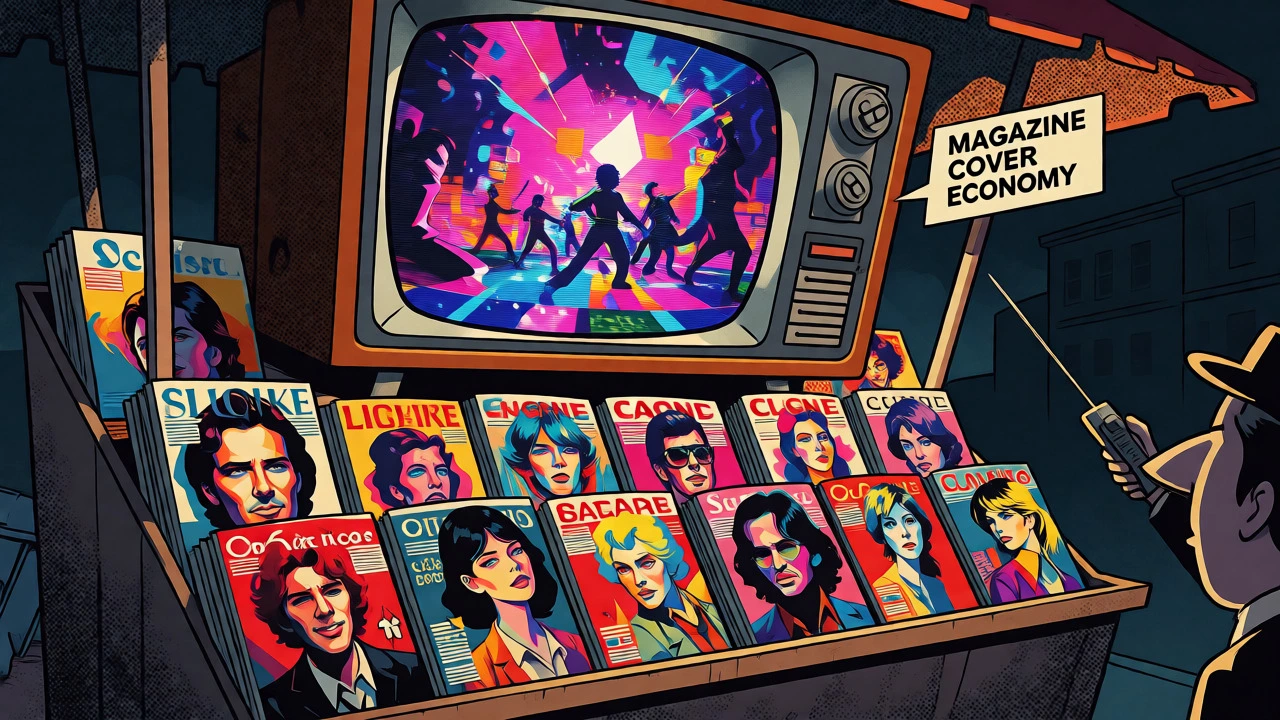
If television was the broad brush, magazines were the fine detail. In the 1980s, entertainment and celebrity publications accounted for nearly 18% of all magazine consumption, up from 9% in the 1960s. Publications like People, Time, and Rolling Stone became critical battlegrounds. Getting a cover wasn’t just vanity; it was a strategic tool timed to coincide with a film’s opening weekend or an album release.
The transaction was rarely a direct payment for editorial content. Instead, it was a trade of access for exclusivity. Publicists would offer a star for a cover, provided they controlled the questions and the angle. Editors gained prestige and sales; publicists gained mass-market validation. This created a symbiotic, sometimes tense, relationship. Editors wanted independence; publicists wanted control. The result was a negotiated boundary where private life was packaged as public interest.
| Media Channel | Primary Function | Publicist Strategy | Impact Level |
|---|---|---|---|
| Celebrity Magazines | Deep-dive narratives & photo essays | Timed covers for product launches | High (Brand Legitimacy) |
| MTV | Visual identity & youth culture reach | Video premieres & visual consistency | Very High (Global Reach) |
| Talk Shows | Personal disclosure & accessibility | Managed spontaneity & emotional hooks | Medium-High (Relatability) |
| Press Junkets | Broad coverage efficiency | Uniform talking points & rapid-fire Q&A | Medium (Volume Coverage) |
Television and the MTV Effect
Television changed everything because it added speed and scale. In 1981, fewer than one in five American households had cable. By 1990, that number jumped to 60%. This fragmentation meant publicists could no longer rely solely on ABC, CBS, and NBC. They had to navigate a growing maze of specialized channels.
The launch of MTV on August 1, 1981, was a seismic shift. Initially reaching just 2 million homes, it hit 22 million by 1984. Suddenly, a song wasn’t enough; you needed a video. Artists like Madonna and Cyndi Lauper leveraged MTV to turn visual style into a commodity. Publicists realized that a music video wasn’t just promotion-it was the primary artistic statement. If the video failed, the single often died. This forced record labels to invest heavily in production values, blurring the line between advertising and art.
Meanwhile, syndicated talk shows like The Oprah Winfrey Show (national syndication began in 1986) and Phil Donahue offered a different kind of power: intimacy. These shows allowed celebrities to appear vulnerable, discussing personal crises or social causes. For publicists, this was a way to humanize a distant star. The format felt spontaneous, but it was tightly managed. Topics were pre-approved, and guests were briefed. The goal was to make the audience feel like they were letting the celebrity into their living room, building loyalty that translated into ticket sales.
Junkets, Stunts, and Manufactured News
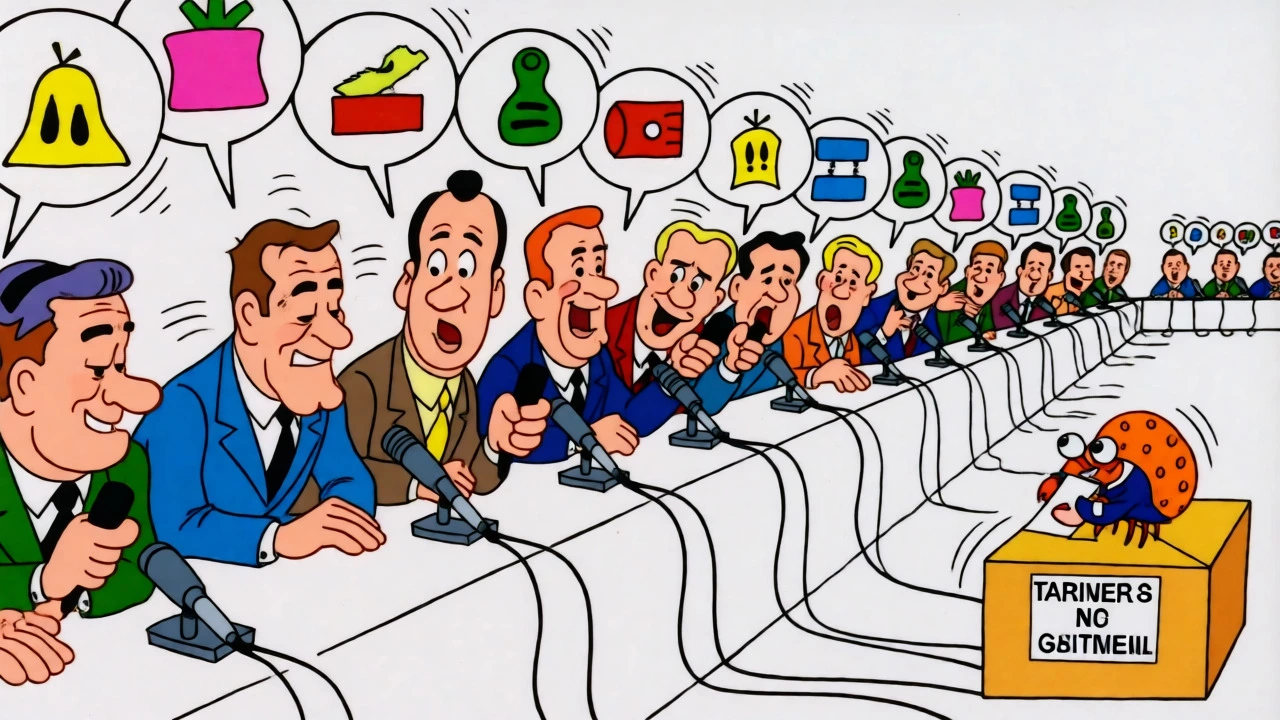
As the number of outlets grew, studios needed efficient ways to feed them. Enter the modern press junket. Before the 1980s, interviews were scattered and ad-hoc. Studios began organizing centralized events where journalists flew in to interview actors in rapid succession. One actor, ten minutes, twenty journalists. It was efficient, but it also led to repetitive answers and uniform talking points.
To break through the noise, publicists turned to stunts. Jerry Digney, a prominent publicist, orchestrated campaigns involving hermit crabs voting in elections and the first US postage stamp featuring Laurel and Hardy. These weren’t random acts; they were designed to create a simple, visual headline that could travel across newspapers, TV news, and magazines simultaneously. A good stunt gave journalists something easy to write about, ensuring coverage even if the actual product wasn’t news-worthy.
This era also saw the rise of product placement as a publicity tool. Brown & Williamson spent nearly $1 million placing cigarettes in films, including payments to Sylvester Stallone. While this is advertising, it functioned as publicity by embedding brands into the cultural fabric. The line between what was real life and what was paid promotion began to blur, setting the stage for the influencer marketing of the 2020s.
Ethics and the Illusion of Access
Critics argued that this system compromised journalistic integrity. If editors relied on publicists for access, could they really be objective? The tension was palpable. Journalists wanted scoops; publicists wanted spin. Sometimes, the publicists won. Sometimes, journalists bypassed the gatekeepers, using agency photos or unauthorized sightings to craft stories.
The 1980s model wasn’t perfect. It encouraged selective disclosure, where only the flattering parts of a life were shown. It normalized the idea that privacy was negotiable. But it also professionalized celebrity management. Publicists like Kingsley and Bloom proved that managing an image required strategy, data, and psychological insight. They weren’t just hangers-on; they were business partners.
By the end of the decade, the architecture of modern fame was complete. We had the gatekeeping publicist, the timed magazine cover, the viral-ready music video, and the confessional talk show appearance. Every element of today’s celebrity ecosystem has roots in this period. When you scroll through Instagram and see a curated life, you’re seeing the digital descendant of Pat Kingsley’s barrier. When you watch a Netflix docuseries that feels intimate yet polished, you’re watching the evolution of Oprah’s managed vulnerability.
Why did publicists become more powerful in the 1980s?
Publicists gained power because the media landscape fragmented. With the rise of cable TV and specialized magazines, stars needed intermediaries to manage complex relationships with numerous outlets. Independent publicists like Pat Kingsley offered continuity and protection that studio departments could not provide to freelancing stars.
How did MTV change music publicity?
MTV made visual identity essential. Before MTV, radio drove music popularity. After its launch in 1981, artists needed compelling videos to get airplay. This shifted publicity from audio-focused strategies to visual branding, allowing artists like Madonna and Michael Jackson to build global fame through image and performance.
What is a press junket?
A press junket is a studio-organized promotional event where journalists interview cast members in rapid succession. Popularized in the 1980s, these events allow studios to efficiently generate widespread coverage for a film. However, they often result in repetitive questions and controlled, uniform answers from actors.
Did publicists pay for magazine covers?
Generally, no. Major publications like People and Time did not sell covers directly. Instead, the exchange was based on access and exclusivity. Publicists granted interviews and photo shoots in exchange for favorable coverage, creating a negotiated dependency rather than a straightforward financial transaction.
Who was Howard Bloom?
Howard Bloom was a pioneering music publicist whose firm represented over 100 artists, including Prince, Michael Jackson, and Queen. He used research and "tuned empathy" to craft consistent public narratives, helping define the brand identities of major 1980s musicians across various media platforms.

