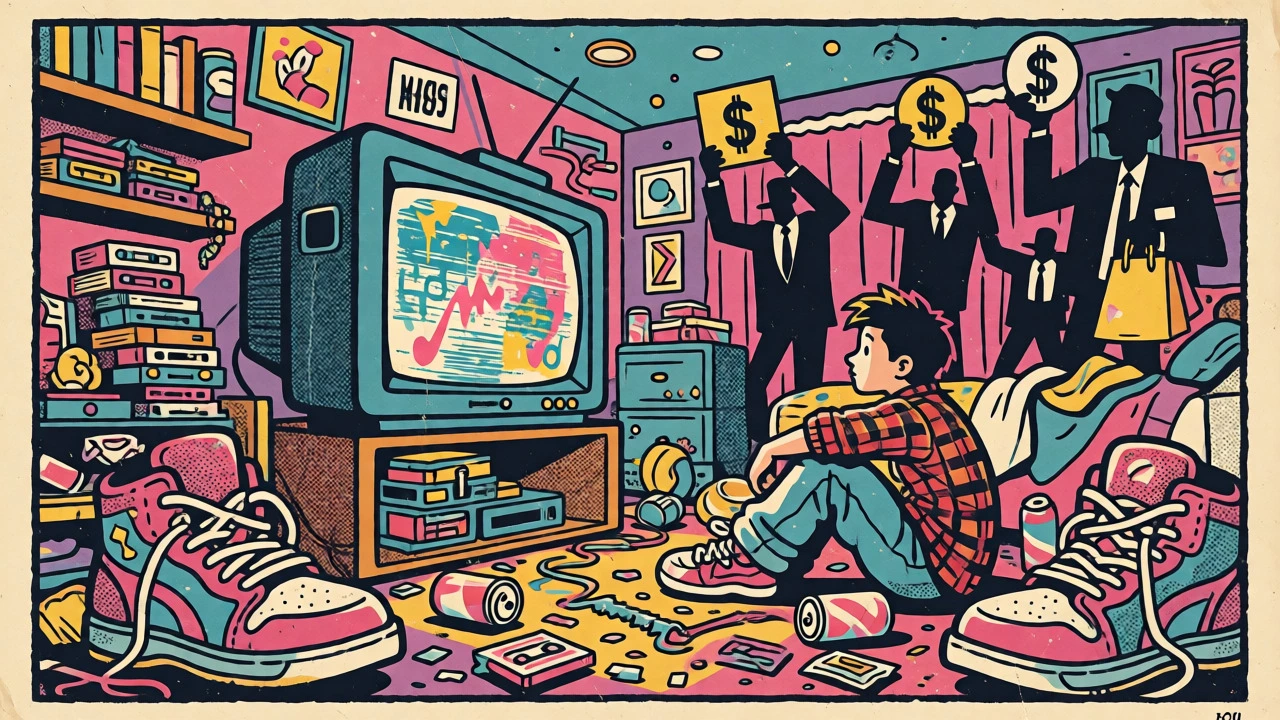

Did you know that in 1993, American teenagers spent $57 billion of their own money? That’s more than many countries’ annual GDPs. But here is the twist: advertisers didn’t just want those dollars. They wanted the cultural power behind them. This was the core insight that made MTV a goldmine for brands in the 1990s. The channel wasn’t selling you music videos; it was selling access to a demographic that traditional TV couldn’t reach effectively.
By looking back at how MTV operated during its golden age, we see a masterclass in niche marketing. It wasn’t about having the highest ratings. In fact, MTV’s Nielsen ratings often hovered around 0.5 between 1992 and 1996-numbers that would get most network shows canceled. Yet, advertisers lined up to pay premium rates. Why? Because MTV offered something broadcast networks couldn’t: concentrated, influential youth attention.
The Demographic Sweet Spot: Defining the 12-34 Market
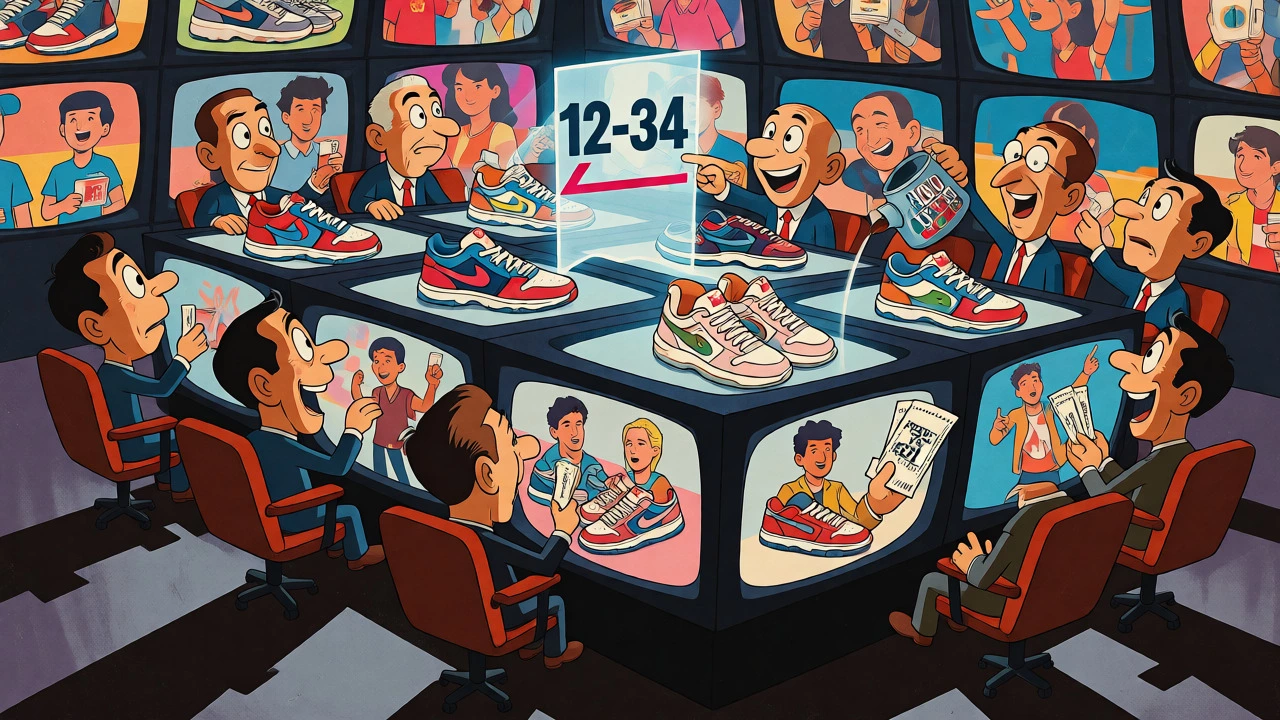
MTV’s primary commercial product was its audience definition. While the channel targeted viewers aged 12-34, its real value lay in the younger end of that spectrum. Industry reports from the era highlighted that 54% of MTV’s audience was aged 12-24. More strikingly, research indicated that 73% of adolescent boys and 78% of adolescent girls watched MTV for at least six hours per week. This frequency created a captive environment where brand messages could land repeatedly.
Advertisers valued this group not just for direct spending but for influence. Teenagers were trendsetters. If a sneaker brand appeared on MTV, it signaled coolness to peers. This social currency was worth more than the immediate sale. Fortune magazine noted in 1993 that teens purchased 25% of all U.S. movie tickets and 27% of videos. They bought $1.5 billion worth of jeans and $3 billion in sneakers annually. For a company like Reebok, which saw over 30% of its sales come from teen purchases, missing out on MTV meant leaving money on the table.
| Product Category | Annual Spend (USD) | Teen Purchase Share |
|---|---|---|
| Movie Tickets & Videos | $6.6 Billion | ~25-27% |
| Jeans | $1.5 Billion | N/A (High Volume) |
| Sneakers | $3.0 Billion | N/A (High Volume) |
| Reebok Footwear/Apparel | $1.0 Billion | >30% of Total Sales |
Low-Cost Content, High-Value Audience
MTV’s business model was economically brilliant because it inverted standard television logic. Traditional networks paid millions for scripted dramas and comedies. MTV got its main content-music videos-for free. Record labels produced these videos as promotional tools for albums and cassettes. They happily gave them to MTV because the exposure drove record sales.
This meant MTV had structurally low programming costs while commanding high advertising rates. By 1997, MTV reached 515 million households worldwide. Despite modest domestic ratings, ad rates grew by an average of 10% annually. Advertisers weren’t buying raw eyeballs; they were buying association with rebellion, fashion, and authenticity. A spot on MTV told consumers your brand was current. A spot on CBS told them you were mainstream.
From Music Videos to Lifestyle Branding
In the early 1990s, MTV shifted from pure music video rotation to lifestyle programming. Shows like Beavis and Butt-Head and The Real World became essential. These programs did more than entertain; they curated a specific type of youth identity. Joseph Turow, a media scholar, noted that MTV used these shows to project an anti-authority personality that resonated with young adults who ignored conventional TV.
This shift allowed for deeper sponsorship integration. You couldn’t easily put a logo inside a Michael Jackson video without ruining the art. But you could place products naturally in The Real World. Participants lived in sponsored houses, drank sponsored sodas, and wore sponsored clothes. In 1994, MTV’s "Beach MTV" events featured sponsors like Jolly Rancher, Trident gum, Apple Computer, and Neutrogena. These weren’t just ads; they were part of the experience.
Consumers Union found that Nike commercials aired 90 times during MTV Sports in just one month in 1990, compared to only 21 times in other sports programming sampled. This density ensured that if you watched MTV, you couldn’t escape certain brands. The line between entertainment and advertisement blurred completely.
Ethnographic Research and Targeting Subgroups
As the decade progressed, MTV realized its original Generation X audience was aging out. To stay relevant, they turned to ethnographic research. Instead of relying solely on focus groups, researchers visited teenagers’ homes. They looked through music collections, visited nightclubs, and talked to kids in their bedrooms. This approach helped MTV understand the nuances of teen culture better than any survey could.
This data led to sharper segmentation. MTV identified distinct personas, such as the "mook"-a rebellious, hypermasculine teen archetype targeted by wrestling and Spring Break specials. Simultaneously, they recognized the growing purchasing power of teenage girls. Research showed girls watched more TV and shopped more frequently than boys. Consequently, MTV increased pop and fashion-focused programming. Between 1996 and 2001, the 18-24 demographic grew by 33%, driving a 20% rise in advertising sales in 2000 alone.

Criticism and the Commercialization of Youth
This aggressive monetization drew criticism. Critics argued MTV didn’t just reflect youth culture; it manufactured it. The channel promoted specific standards of beauty, behavior, and consumption. It privileged white, middle-class experiences, often ignoring diverse realities. Scholars pointed out that MTV sold a packaged version of rebellion that ultimately served corporate interests.
Federal Trade Commission reviews later documented how entertainment marketers used channels like MTV to target ages 12-34, sometimes blurring lines between editorial content and promotion. The concern wasn’t just about what teens bought, but how their identities were shaped by constant commercial messaging. Did MTV accurately represent teenagers, or did it stimulate infatuation with violence and consumerism? This debate continues today, but in the 1990s, it established the template for influencer marketing.
Why This Model Worked When Others Failed
Radio had music but lacked visual style. Broadcast TV had reach but diluted its message across all ages. Print magazines targeted subcultures but lacked immediacy. MTV combined visual style, musical relevance, and demographic concentration. It created a "communion" of viewers who felt they belonged to a shared cultural moment.
From 1995 to 2000, MTV reduced music programming by nearly 40%, replacing it with reality and animation. This trade-off preserved its sponsor-friendly lifestyle content while sacrificing some music credibility. The result was a durable advertising platform that evolved with its audience. Today’s branded content strategies owe a massive debt to MTV’s 1990s playbook.
Why did advertisers prefer MTV despite low Nielsen ratings?
Advertisers preferred MTV because it offered concentrated access to a specific, hard-to-reach demographic (ages 12-34) rather than a broad, diluted mass audience. Even with low overall ratings, MTV delivered high frequency among teenagers who were culturally influential and had significant discretionary spending power.
How did MTV keep programming costs low?
MTV kept costs low because record companies provided music videos for free. Labels viewed the airtime as valuable promotion for artists and albums, allowing MTV to fill its schedule with high-quality content without paying licensing fees typical of scripted TV.
What role did teenage girls play in MTV's advertising strategy?
Research indicated teenage girls watched more television and shopped more frequently than boys. Recognizing this, MTV shifted programming in the late 1990s to include more pop, fashion, and romance content, successfully capturing this lucrative segment and boosting ratings among the 18-24 demographic.
Did MTV allow product placement in music videos?
Generally, no. During the 1980s and 1990s, MTV prohibited blatant product placement within music videos to preserve artistic integrity. However, they heavily utilized sponsorships in live events, reality shows like The Real World, and integrated advertising packages that blended commercial messaging with entertainment.
How did MTV respond to its audience aging out?
In the late 1990s, MTV conducted extensive ethnographic research, visiting teens' homes and clubs to understand shifting tastes. This led to targeted programming for new subgroups, such as the "mook" persona for males and increased pop/fashion content for females, helping them retain the critical 18-24 demographic.