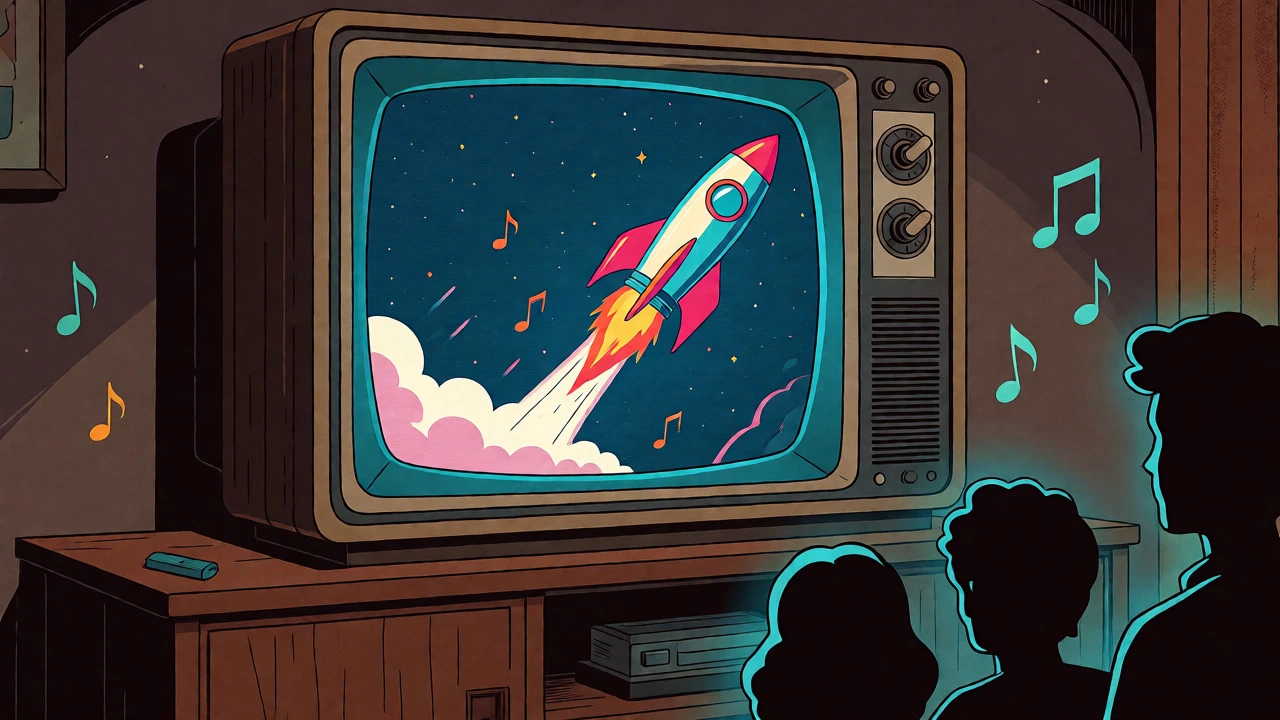

Imagine turning on your TV in 1981 and seeing a rocket launch followed by a song about how video killed the radio star. That wasn't just a quirky opening night; it was the moment the music industry fundamentally shifted gears. Before MTV launched on August 1, 1981, you heard music. After that date, you watched it. This channel didn't just play songs; it rewired how record labels spent money, how artists built their careers, and what we expected from a pop star. It turned a three-minute audio clip into a multi-million dollar visual event.
The Birth of the Video Jockey
Before MTV, if you wanted to see a musician, you had to go to a concert or catch them on a variety show like *The Ed Sullivan Show*. Promotional films existed-think of The Beatles' earlier clips-but they were afterthoughts. Robert W. Pittman, the executive who developed MTV’s format, had a radical idea: create a channel with "no programs, no beginning, no middle, no end." It was essentially radio transplanted onto television, but with a crucial twist. Instead of a voiceover artist talking over records, you got a Video Jockey (VJ). Nina Blackwood, Mark Goodman, Alan Hunter, J.J. Jackson, and Martha Quinn became the new gatekeepers. They weren't just announcing tracks; they were curating a lifestyle. Their informal, conversational style made the channel feel like a friend recommending a song, not a corporate broadcaster selling one.
This shift changed the definition of success. A hit song was no longer enough. You needed a look. You needed a vibe. The VJs provided the context, framing each video as part of a larger cultural movement. This created a feedback loop where the audience felt connected not just to the artist, but to the channel itself. MTV wasn't just broadcasting music; it was broadcasting an identity.
The Economics of Looking Good
For record labels, this transition was terrifying and expensive. Initially, many executives viewed music videos as a waste of money. Why spend $50,000 on a short film when a $5 single sold on its own? But the numbers told a different story. By 1984, major labels were pouring over $50 million annually into video production. Average budgets skyrocketed from roughly $15,000 in 1981 to between $50,000 and $60,000 by 1988.
| Year | Average Budget | Industry Context |
|---|---|---|
| 1981 | $15,000 | Experimental phase; low stakes for labels. |
| 1984 | $40,000-$50,000 | MTV dominance established; high rotation demands. |
| 1988 | $50,000-$60,000 | Standardized expectation; rise of director-driven content. |
Why did costs explode? Because MTV held the keys to the kingdom. The network negotiated deals with major labels, often securing exclusive rights to about 20% of a label's annual video output. If your video didn't get airplay, your record might sit unsold in stores. Labels realized that a visually compelling clip could temporarily elevate a mediocre song, while a lackluster video could sink a great one. This gave MTV programmers immense power. They decided who was cool and who was irrelevant, effectively becoming the most powerful A&R department in the world.
Michael Jackson and the Event Premiere
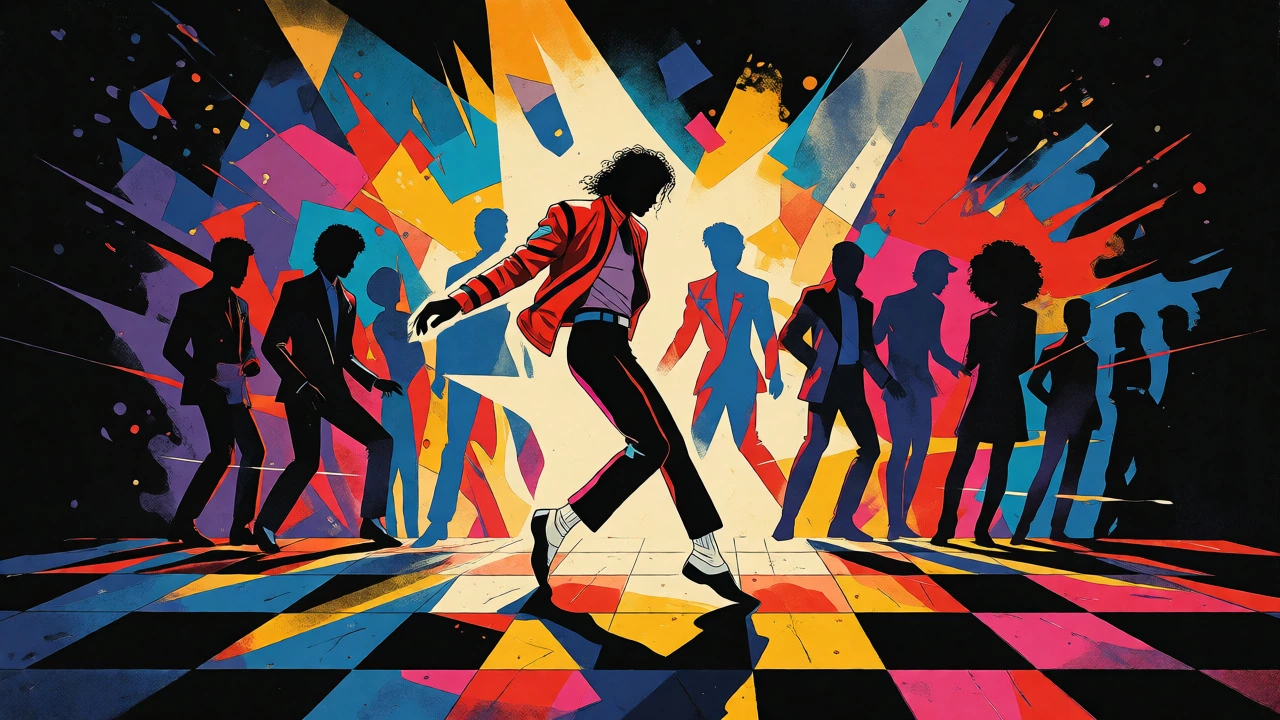
If MTV created the stage, Michael Jackson proved it could hold a stadium. While early MTV leaned heavily on rock and new wave acts like Duran Duran and The Cars, Jackson’s arrival forced a reckoning. His 1982 album *Thriller* produced videos that were less like advertisements and more like short films. "Billie Jean" showcased his moonwalk; "Beat It" featured Eddie Van Halen and gang choreography; and "Thriller" cost over $500,000 to make-a staggering sum at the time.
These weren't just clips; they were events. CBS Records president Walter Yetnikoff reportedly threatened to pull all CBS videos from MTV unless they aired Jackson’s work, highlighting the racial tensions of the era. Early MTV programming was criticized for excluding Black artists, favoring the rock-centric tastes of its initial cable subscribers. Jackson’s massive commercial leverage, combined with undeniable artistic quality, broke that barrier. Once "Billie Jean" aired, the floodgates opened. Suddenly, R&B and pop stars weren't just tolerated; they were essential to the network's ratings. Jackson showed that a video could drive album sales, sell VHS tapes, and win Grammys, proving that visual presentation was now inseparable from musical success.
Race, Gender, and the Visual Gatekeeper
MTV’s influence extended far beyond sales figures. It reshaped social norms within the industry. The channel’s early reliance on British New Wave and American rock meant that Black artists were underrepresented until the mid-80s. Critics argued this reinforced segregation in media consumption. However, the inclusion of artists like Prince, Whitney Houston, and later Run-DMC diversified the playlist. The debut of *Yo! MTV Raps* in August 1988 marked a pivotal moment, giving hip-hop a national platform and translating urban street culture into mainstream fashion and language.
Gender dynamics also shifted. Women like Madonna and Cyndi Lauper used the camera to control their narratives. Madonna, in particular, mastered the art of self-conscious image construction. She treated her body and style as part of the product, changing costumes and personas with every release. However, this visibility came with scrutiny. Female performers faced intense pressure to conform to narrow standards of beauty and sexuality. While male artists were judged on talent and attitude, women were often evaluated through a lens of desirability. MTV empowered women to be icons, but it also commodified their images in ways that radio never had.
The Ripple Effect on Pop Culture
The aesthetic of MTV bled into everything else. Its rapid editing, saturated colors, and graphic-heavy style influenced prime-time TV shows like *Miami Vice*, movies like *Flashdance*, and even advertising. The concept of the "music video" became a training ground for directors like David Fincher and Spike Jonze, who started by making clips before moving to Hollywood blockbusters.
Radio didn't die, but it changed. FM stations began playing shorter edits of songs to accommodate the fast-paced attention spans cultivated by television. Record stores placed video displays near checkout counters. Artists toured with elaborate stage setups that mimicked their videos. The separation between hearing music and seeing music collapsed. By the late 1980s, you couldn't have one without the other. The song was no longer just an audio object; it was a coordinated package of recording, image, fashion, choreography, and celebrity.
Key Takeaways
- Visual Identity Became Mandatory: Success required more than a good song; artists needed a distinct look and narrative.
- Economic Shift: Record labels shifted significant budgets from touring and radio promotion to high-cost video production.
- New Gatekeepers: MTV programmers replaced local DJs as the primary influencers of mainstream taste.
- Cultural Integration: Hip-hop and diverse genres entered the mainstream largely through visual exposure rather than traditional radio formats.
Frequently Asked Questions
What was the first video played on MTV?
The first video broadcast on MTV was "Video Killed the Radio Star" by The Buggles. It aired at 12:01 a.m. on August 1, 1981, symbolizing the shift from audio-only consumption to visual media.
Did MTV kill radio?
No, MTV did not kill radio. Instead, it transformed it. Radio remained important for portability and local connection, but it adapted to support the visual trends set by MTV. Stations began promoting videos and adjusting playlists to align with what was popular on television.
Why were music videos so expensive?
Costs rose because competition for airtime intensified. As MTV gained viewers, labels realized that high-production-value videos were necessary to secure rotation. Directors, special effects, and elaborate sets became standard expectations, driving budgets from $15,000 to over $50,000 per clip by the late 1980s.
How did MTV affect race relations in the music industry?
Initially, MTV favored rock and new wave acts, leading to criticism for excluding Black artists. The breakthrough came with Michael Jackson’s "Billie Jean," which demonstrated the commercial necessity of including R&B and pop stars. Later shows like *Yo! MTV Raps* further integrated hip-hop into the mainstream, diversifying the channel’s content and audience.
Who were the original VJs on MTV?
The original Video Jockeys were Nina Blackwood, Mark Goodman, Alan Hunter, J.J. Jackson, and Martha Quinn. They served as the face of the channel, providing commentary and connecting with viewers in a way that traditional announcers did not.
