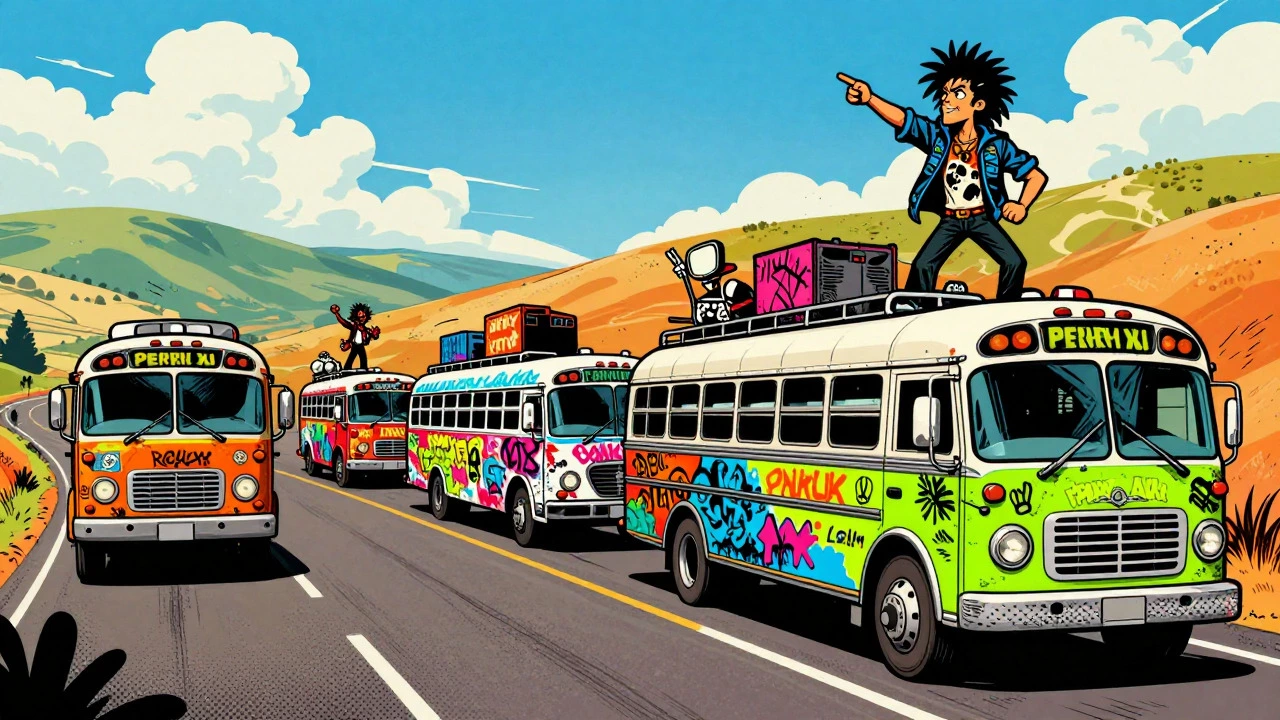

Imagine a summer where the concert doesn't come to you-you chase it across the country. That was the reality for fans in the early 1990s when Lollapalooza was a pioneering traveling rock festival that brought alternative music, art, and activism to dozens of cities across North America. Before this era, big music events were usually one-off gatherings like Woodstock or single-city concerts. But in 1991, singer Perry Farrell of Jane’s Addiction had a different idea. He wanted to create a farewell tour that wasn't just about his band, but about showcasing the entire underground scene he loved.
The result was a logistical marvel and a cultural earthquake. Instead of playing arenas with one headliner, Lollapalooza became a moving caravan of bands, artists, and activists. It didn't just play shows; it created a temporary community in every city it visited. This model changed how the music industry thought about touring, branding, and reaching audiences who felt ignored by mainstream radio.
The Birth of a Traveling Circus
To understand why Lollapalooza was so radical, you have to look at what came before. In the late 1980s, alternative music was mostly confined to college radio stations, small clubs, and local punk scenes. Bands like Nine Inch Nails or Living Colour were gaining traction, but they didn't have the massive marketing budgets of pop superstars. They needed a way to reach fans directly, without relying on MTV or Top 40 radio.
Perry Farrell drew inspiration from UK festivals like Reading, where multiple bands played over several days. He adapted this concept for the American road. The goal was simple: take a curated lineup of diverse acts-industrial, hip-hop, metal, punk, and indie rock-and bring them to mid-sized markets that rarely saw such variety. It was a "traveling circus," as journalists called it, designed to feel like a counter-cultural movement rather than a corporate product.
The inaugural tour launched in July 1991. It wasn't planned as a global brand empire; it started as a personal project. Farrell picked bands he genuinely wanted to see together. This curatorial approach meant the lineup felt authentic. Fans knew these weren't just random acts thrown together for profit; they were part of a specific musical family. This authenticity became the festival's strongest asset.
The 1991 Blueprint: Logistics and Lineup
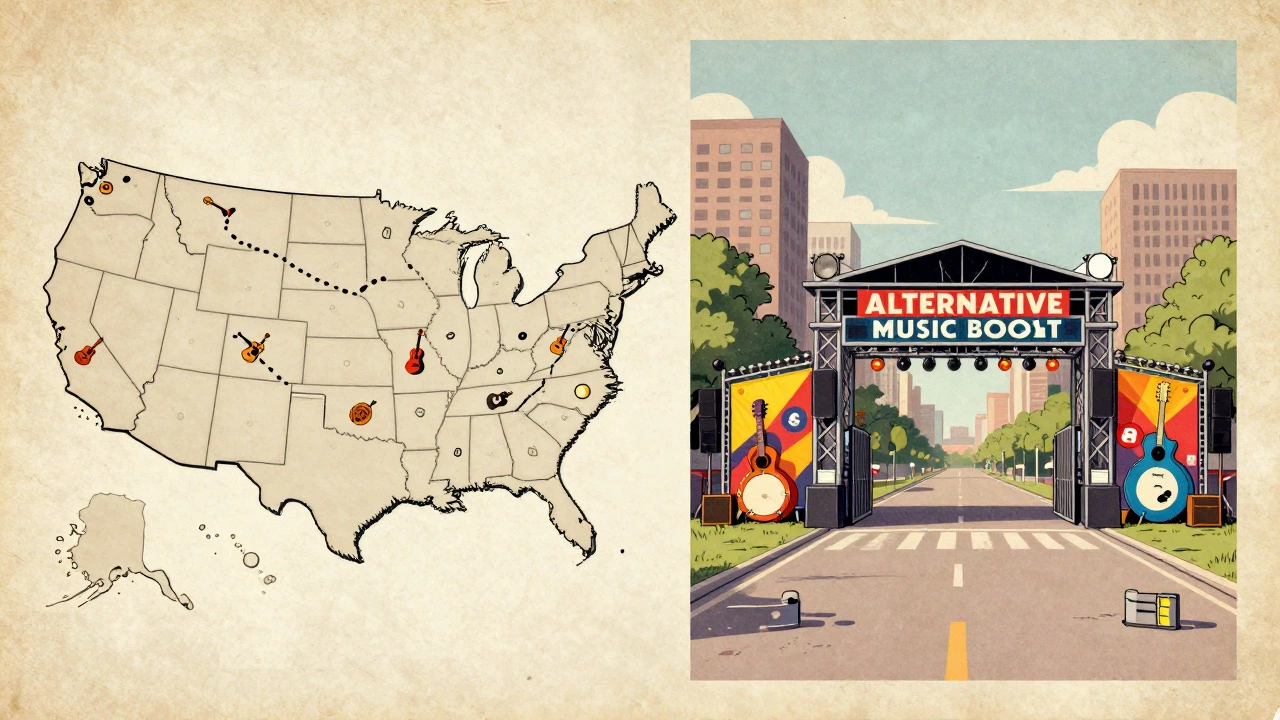
The first Lollapalooza tour was a beast to organize. It ran for nearly six weeks, hitting between twenty-one and twenty-six cities depending on how you count the stops. The route stretched from Compton Terrace in Tempe, Arizona, all the way to King County Fairgrounds in Enumclaw, Washington. It covered both coasts and everything in between, including major hubs like Toronto, Canada.
| Metric | Data Point | Significance |
|---|---|---|
| Duration | July 18 - August 28, 1991 | Nearly 6 weeks of continuous touring |
| Cities Visited | 21-26 markets | Average of 4.3 cities per week |
| Total Attendance | Over 600,000 fans | Demonstrated massive demand for alt-rock |
| Stages | Single main stage | All acts shared one platform, fostering unity |
| Avg. Ticket Price | ~$25.20 (1991 USD) | Accessible pricing for young audiences |
The logistics were intense. Each day involved loading in equipment, soundchecks, performances, and then driving overnight to the next city. The production crew had to set up and tear down a complex stage setup repeatedly. Unlike modern festivals that stay in one place for three days, this was a marathon. Promoters like Evening Star Productions and Bill Silva Presents helped integrate the tour into existing amphitheater circuits, proving that regional promoters could handle national packages.
The lineup itself was a statement. Jane’s Addiction headlined, but they shared the bill with Siouxsie and the Banshees, Ice-T’s Body Count, Butthole Surfers, and Fishbone. This mix was unheard of in mainstream venues. You had goth, rap, hardcore punk, and funk playing to the same crowd. It forced fans to step outside their comfort zones and discover new sounds. Many attendees experienced industrial or hip-hop acts live for the first time, breaking down genre barriers that still exist today.
More Than Music: Activism and Culture
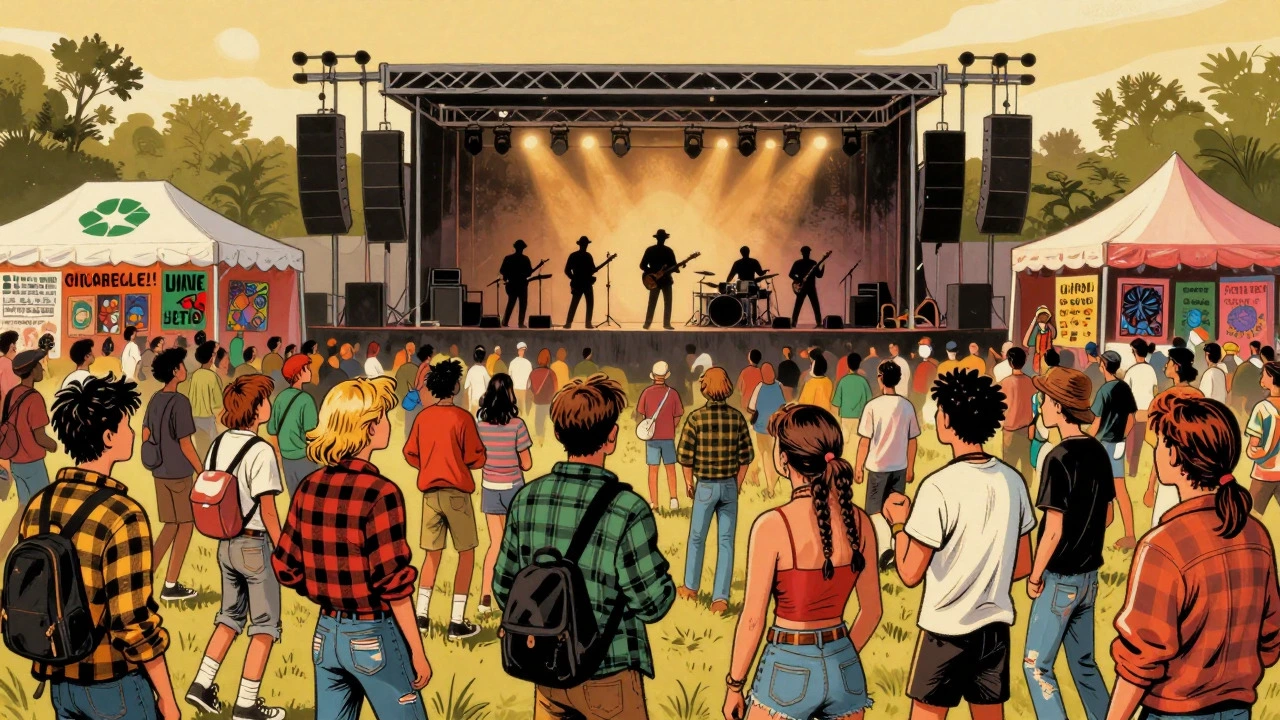
Lollapalooza wasn't just about the bands. It was designed to be a holistic experience. The festival included information booths, art installations, and political activism tents. Organizations focused on environmental issues, human rights, and youth culture set up shop alongside the stages. For many teenagers and young adults, this was their first exposure to organized activism.
This aspect of the festival reinforced its identity as a counter-cultural movement. It wasn't just a concert; it was a gathering of like-minded people who cared about more than just entertainment. The presence of these elements made the event feel urgent and relevant. Fans spent ten or more hours on-site, moving between music, vendors, and educational booths. This immersive format created a sense of community that lasted long after the final encore.
The cultural impact was immediate. National outlets like Rolling Stone and MTV sent crews to cover the debut show in Phoenix. The extreme heat at Compton Terrace didn't stop fans from showing up. Their dedication signaled to the industry that there was a hungry audience for alternative content. By crossing the U.S. months before Nirvana released *Nevermind*, Lollapalooza positioned itself at the forefront of the alt-rock boom, rather than just riding its wave.
Economic Impact and Industry Shifts
From a business perspective, Lollapalooza proved that branded festival packages could outperform traditional single-headliner tours. The economics were compelling. By selling tickets to a package deal, promoters could generate higher per-show gross revenue. The 1991 Irvine Meadows date, for example, drew 41,703 attendees and generated over $1 million in gross revenue. This showed that underground bands could draw large, profitable crowds if packaged correctly.
The success of the tour influenced the broader live music landscape. Other promoters began to adopt similar multi-stage, alternative-focused touring strategies. Warped Tour, launched in 1995, focused on punk and skate culture, while Ozzfest, launched in 1996, targeted heavy metal fans. Both borrowed from Lollapalooza’s template of bringing a consistent brand to multiple cities over a summer. These festivals helped define the decade's live music ecosystem.
For artists, Lollapalooza acted as an accelerator. Exposure to tens of thousands of fans per night helped bands like Nine Inch Nails and Ice-T move from club-level acts to mainstream recognition. Record labels took notice. The tour provided a testing ground for merchandising, sponsorship, and fan engagement strategies. It demonstrated that alternative audiences were willing to spend money on experiences that reflected their values.
Evolution and Legacy
The touring model continued through 1997, but challenges arose. Lineups became increasingly mainstream, and some fans felt the original underground ethos was being diluted by corporate sponsorships. Ticket sales declined, leading to cancellations in the late 1990s. The grueling nature of the cross-country tour also took a toll on organizers and artists alike.
In the mid-2000s, the brand was revived, but with a significant change: it became a stationary, multi-day festival in Chicago’s Grant Park. This shift reflected broader industry trends toward destination events like Coachella. While the current Lollapalooza differs structurally from its 1990s predecessor, the core principles remain. The emphasis on curated alternative bills, strong brand identity, and integration of lifestyle elements persists.
Today, the legacy of the 1990s touring template is visible in modern traveling festivals and package tours. The idea of bringing a cohesive cultural experience to multiple cities is now standard practice. Lollapalooza proved that alternative music wasn't a niche market-it was a powerful force capable of sustaining large-scale events. It reshaped how we think about live music, turning touring festivals into a vital part of the cultural landscape.
Why the 1990s Model Still Matters
Looking back, the 1990s Lollapalooza template offers valuable lessons for today's music industry. It showed the power of curation. By selecting acts that complemented each other, the festival created a unique identity that resonated with fans. It also highlighted the importance of community. By integrating activism and art, it gave fans a reason to care beyond the music.
Moreover, it demonstrated the viability of alternative genres. Before Lollapalooza, many in the industry doubted the commercial potential of non-mainstream music. The tour's success silenced those doubts and opened doors for countless artists. It paved the way for the diversity we see in festivals today, where electronic, hip-hop, rock, and pop often share the same grounds.
For fans, the nostalgia surrounding the 1990s tours speaks to their enduring impact. Many remember the excitement of chasing the festival across the country, the discovery of new bands, and the sense of belonging to a larger movement. Those memories continue to influence how new generations engage with live music. The spirit of Lollapalooza-that music can unite, educate, and inspire-remains alive in every festival that dares to be different.
Who created Lollapalooza and why?
Lollapalooza was created by Perry Farrell, the lead singer of Jane’s Addiction, in 1991. Originally conceived as a farewell tour for his band, Farrell expanded the concept to showcase a wide range of alternative music genres. He wanted to bring together diverse acts that were often overlooked by mainstream media, creating a mobile platform for underground artists to reach wider audiences.
How did Lollapalooza differ from previous music festivals?
Unlike earlier festivals like Woodstock, which were single-site, one-time events, Lollapalooza was designed as a multi-city touring festival. It traveled across North America, visiting dozens of markets over several weeks. Additionally, it featured a multi-genre lineup that mixed industrial, hip-hop, metal, and punk, whereas most previous festivals focused on a single style or demographic.
What was the significance of the 1991 Lollapalooza tour?
The 1991 tour was groundbreaking because it proved that alternative music could attract large, profitable crowds. It crossed the United States months before Nirvana’s *Nevermind* hit the mainstream, positioning Lollapalooza at the forefront of the alt-rock boom. The tour also introduced many fans to diverse genres and integrated activism and art, creating a holistic cultural experience.
Did Lollapalooza always tour? How did it change?
Lollapalooza toured from 1991 to 1997. After struggling with declining ticket sales and lineup issues in the late 1990s, the brand was revived in the mid-2000s as a stationary, multi-day festival in Chicago. This shift reflected industry trends toward destination festivals, though the original touring model remains influential in modern package tours.
Which other festivals were inspired by Lollapalooza’s model?
Several notable festivals adopted Lollapalooza’s touring strategy, including Warped Tour (launched in 1995) and Ozzfest (launched in 1996). These festivals used similar multi-city, summer-long circuits to target specific subcultures like punk/skate and heavy metal, respectively. Lilith Fair also utilized a touring structure, focusing on women-led acts.


