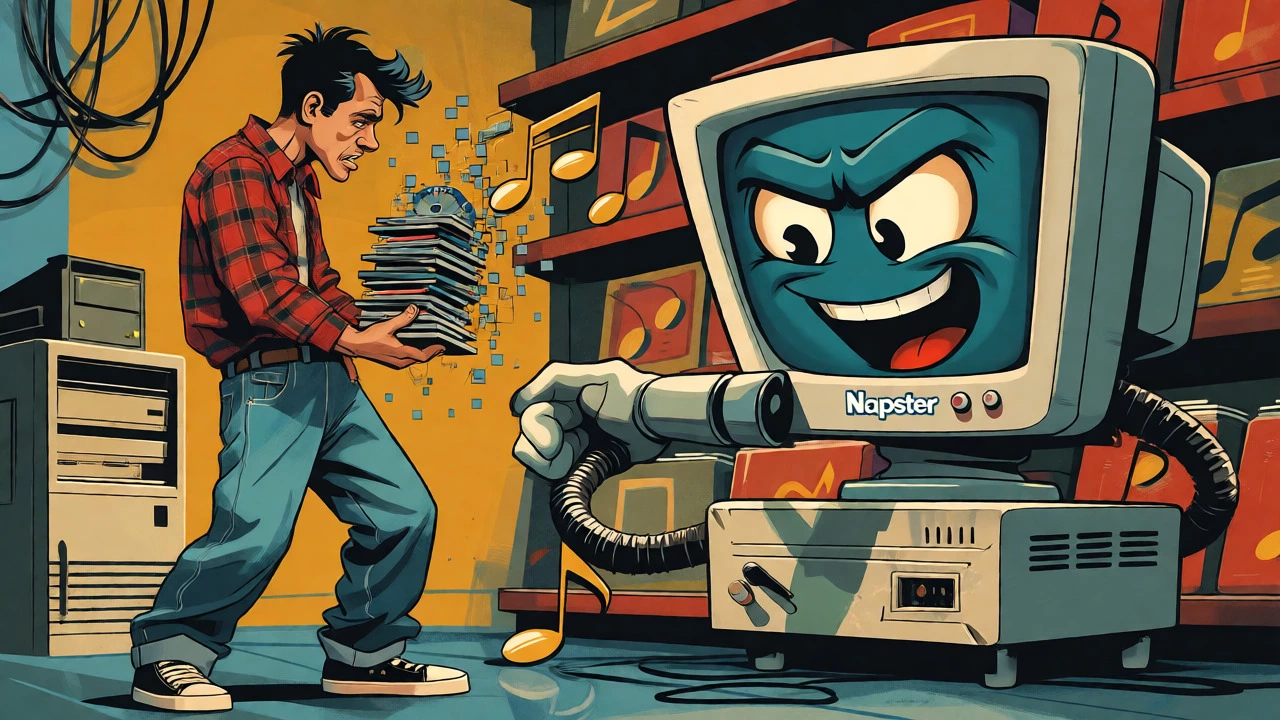

Imagine selling a million copies of your album and getting paid less than you would for a single concert ticket. That wasn't a hypothetical nightmare in the late 1990s; it was the standard reality for most musicians. Then came Napster, a peer-to-peer file-sharing service launched in 1999 that allowed users to exchange MP3 files without paying copyright owners. By February 2001, it had over 26 million users. While headlines screamed about stolen profits, the real story is far messier. Piracy didn't just steal money; it broke the old accounting rules, forcing artists into a new economic landscape where streaming pennies replaced CD dollars.
The Broken Math of Pre-Piracy Royalties
To understand why piracy hurt-or helped-you have to look at how artists got paid before the internet took over. It wasn't simple. If you signed with a major label, you likely earned between 7% and 12% of the wholesale price, not the retail price you saw on the shelf. Worse, you had to "recoup" everything first. Recording costs, producer fees, video budgets, and even tour support were deducted from your royalty account before you saw a dime.
A 2016 analysis estimated that on a $15 CD around 2000, an artist who had finally recouped might net roughly $0.70 per album. That’s about five cents per song. So, when sales dropped, did artists lose cash? For unrecouped artists, often no, because they weren't receiving checks anyway. But for established stars and those who owned their masters, every pirated download represented a direct hit to their bottom line. The system was fragile, and Napster kicked out the legs.
Did Piracy Actually Kill the Music Industry?
This is where experts disagree fiercely. U.S. recorded-music sales peaked at $14.6 billion in 1999. By 2009, that number had plummeted to $6.3 billion. Did Napster cause this collapse? Some say yes. A study by Alejandro Zentner suggested file sharing reduced individual purchasing probability by 30%. Others argue the decline was due to broader factors: the rise of DVDs, video games, and changing consumer tastes.
Felix Oberholzer-Gee and Koleman Strumpf published a famous 2007 study claiming downloads had virtually no effect on sales. They argued people who downloaded music were often those who wouldn't have bought it anyway. However, later reassessments admitted piracy could reduce sales by up to 3%. The truth likely lies in the middle: piracy created uncompensated consumption, but it also accelerated a transition that was already underway due to high CD prices and limited formats.
| Source/Study | Estimated Impact of Piracy | Key Argument |
|---|---|---|
| Zentner (2006) | -30% purchase probability | File sharing significantly displaces sales |
| Oberholzer-Gee & Strumpf (2007) | ~0% to -3% | Statistically negligible effect on total sales |
| RIAA Commissioned Work | Up to -30% album sales | Piracy was the principal cause of decline |
| Waldfogel (2017) | Reduced quantity, higher quality hits | Fewer new artists entered, but hits were bigger |
The Shift from Albums to Singles
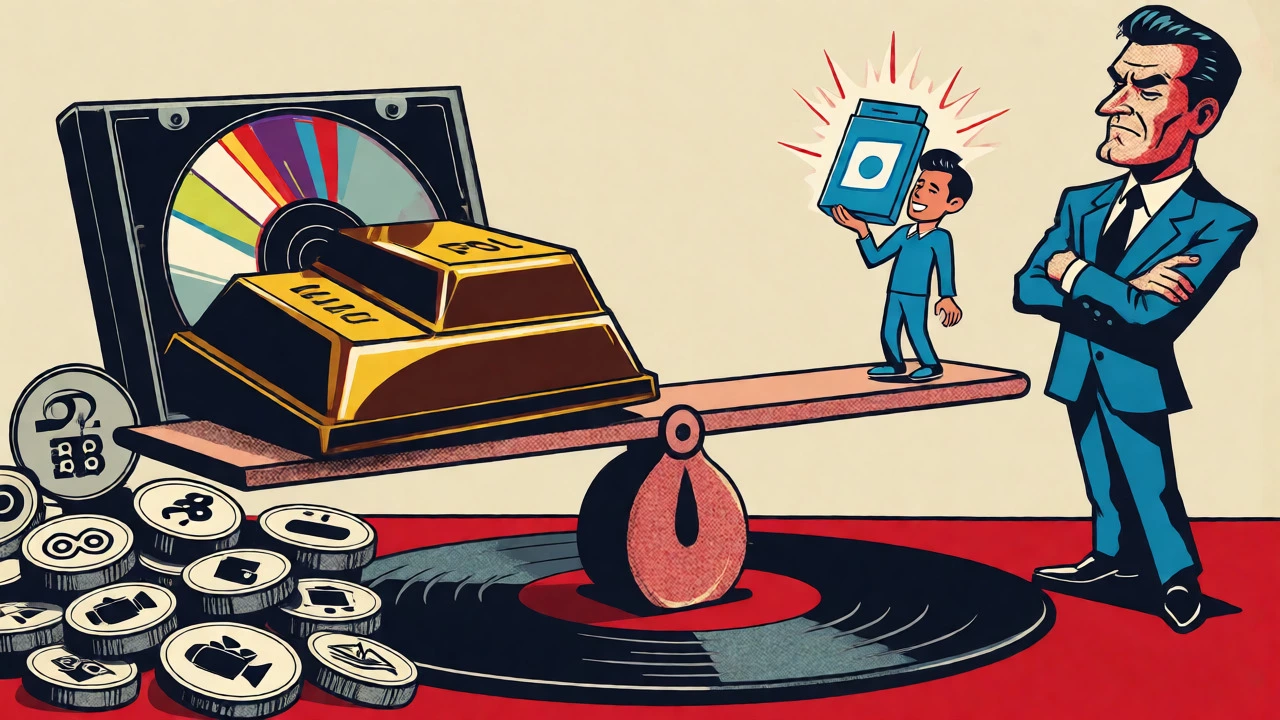
One of the biggest long-term effects wasn't just fewer sales, but smaller transactions. Before Napster, you bought a $15 album. After the legal battles settled and services like iTunes emerged, you bought 99-cent tracks. This fragmented revenue stream devastated the royalty base. Even if a legal download replaced a pirated one, the artist's share was calculated after deductions for the retailer, distributor, and label.
The U.S. Government Accountability Office noted that by 2008, digital sales hadn't fully offset physical losses because consumers preferred singles. Artists found themselves earning fractions of a cent per stream or download, requiring massive volume to match previous album income. This shift forced a change in strategy: artists couldn't rely solely on recorded music anymore.
Legal Battles and the Rise of 360 Deals
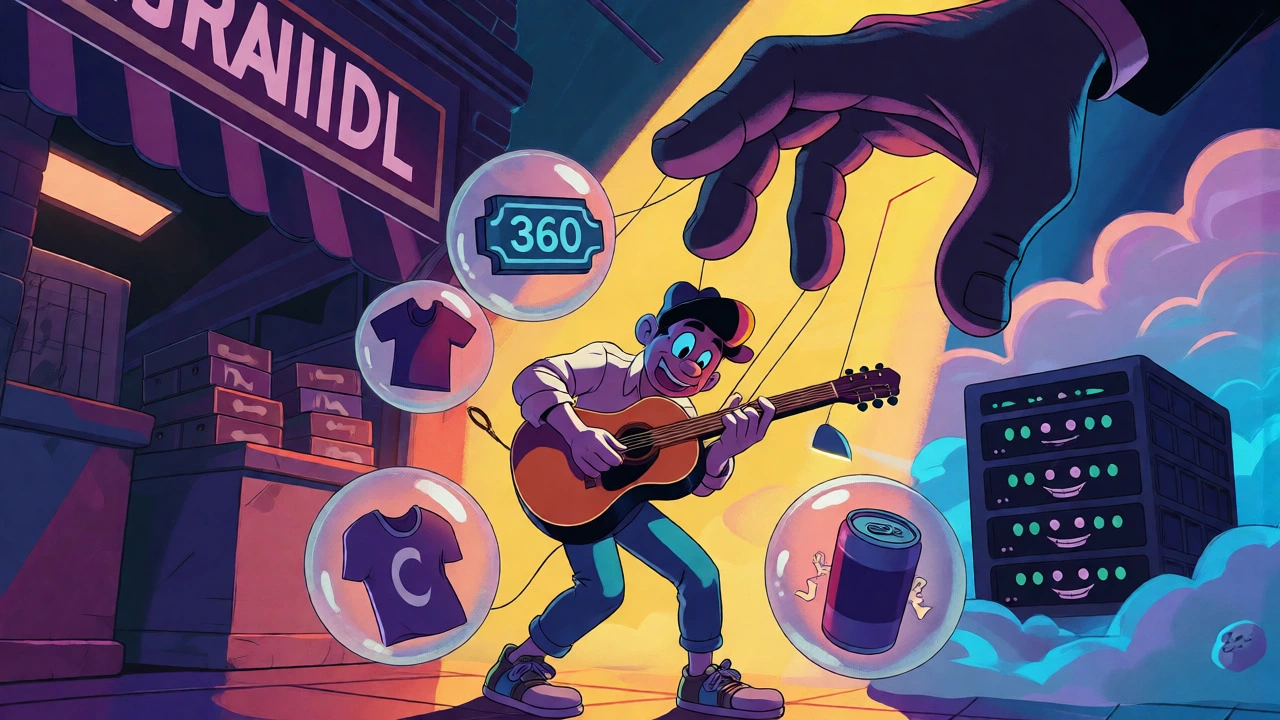
The legal aftermath reshaped contracts forever. When Metallica sued Napster in 2000, it highlighted the tension between artist rights and corporate control. Courtney Love famously argued that labels exploited artists more than pirates did. She wasn't entirely wrong. As record sales fell, labels lost leverage but sought new ways to monetize artists through "360 deals."
In these arrangements, labels take a cut of touring, merchandise, endorsements, and publishing-areas previously kept separate. Because advances are cross-collateralized, a loss on one album can be recouped from concert earnings. This redistributed risk: labels protected their margins, while artists gained access to marketing resources but surrendered ownership of their non-recorded income streams. The era of the pure recording contract died, replaced by complex partnership agreements.
Artist Perspectives: Victim or Beneficiary?
Not all artists hated piracy. For independent musicians, free circulation meant discovery. If you were an emerging band with no budget, Napster offered global reach overnight. Established stars, however, viewed it as theft. Lars Ulrich of Metallica fought back, arguing that consent mattered. He identified users downloading unreleased demos, which felt like a violation of creative control.
A French survey model showed that self-released artists were least tolerant of piracy because they depended directly on sales. In contrast, contracted artists who toured heavily were more forgiving, using free downloads as promotional tools to drive ticket sales. This split opinion persists today. Streaming platforms offer similar dynamics: low per-unit payouts but high accessibility. The lesson from the late '90s is clear: technology changes distribution faster than laws change compensation models.
Long-Term Consequences for Today's Musicians
We still live in the shadow of the late-'90s disruption. The collapse of the CD market forced the industry to pivot to subscription streaming. While Spotify and Apple Music provide steady revenue, it’s small per play. Artists now need millions of streams to earn what a gold album once provided. Furthermore, the expectation that music should be cheap or free remains entrenched.
However, there are silver linings. Distribution barriers vanished. You don't need a label to get your music onto shelves worldwide. Direct-to-fan sales via Bandcamp allow artists to keep larger margins. The chaos of the early 2000s cleared the path for a more democratic, albeit harder-to-navigate, ecosystem. Understanding the royalty structures of the past helps explain why modern contracts look so different-and why many artists still struggle to make a living despite global fame.
Did Napster pay any royalties to artists?
No, during its peak operational period, Napster did not pay per-download royalties to artists or labels. Users exchanged files freely without compensating copyright holders. Eventually, after litigation, Napster agreed to a settlement involving $26 million for past uses and $10 million as an advance against future licensing, but this came too late for many affected artists.
Why did some artists support piracy?
Some artists, including Courtney Love and Public Enemy, supported piracy because they believed major labels exploited them through opaque accounting and unfair contracts. They viewed free distribution as a way to bypass gatekeepers and connect directly with fans, potentially boosting touring and merchandise income.
What is a 360 deal?
A 360 deal is a type of recording contract where the label receives a percentage of all the artist's revenue streams, not just record sales. This includes touring, merchandise, endorsements, and publishing. These deals became common after piracy reduced album sales, allowing labels to recoup investments from non-recording income sources.
How much did U.S. music sales drop after 1999?
U.S. recorded-music sales peaked at approximately $14.6 billion in 1999. By 2009, revenues had fallen to about $6.3 billion, representing a significant decline attributed to various factors including piracy, format shifts, and competition from other entertainment media.
Did piracy help independent artists?
Yes, for many independent artists, piracy acted as free promotion. Without the cost of physical distribution, their music could reach a global audience quickly. This exposure often translated into increased fan bases and higher attendance at live shows, helping them build careers outside the traditional label system.