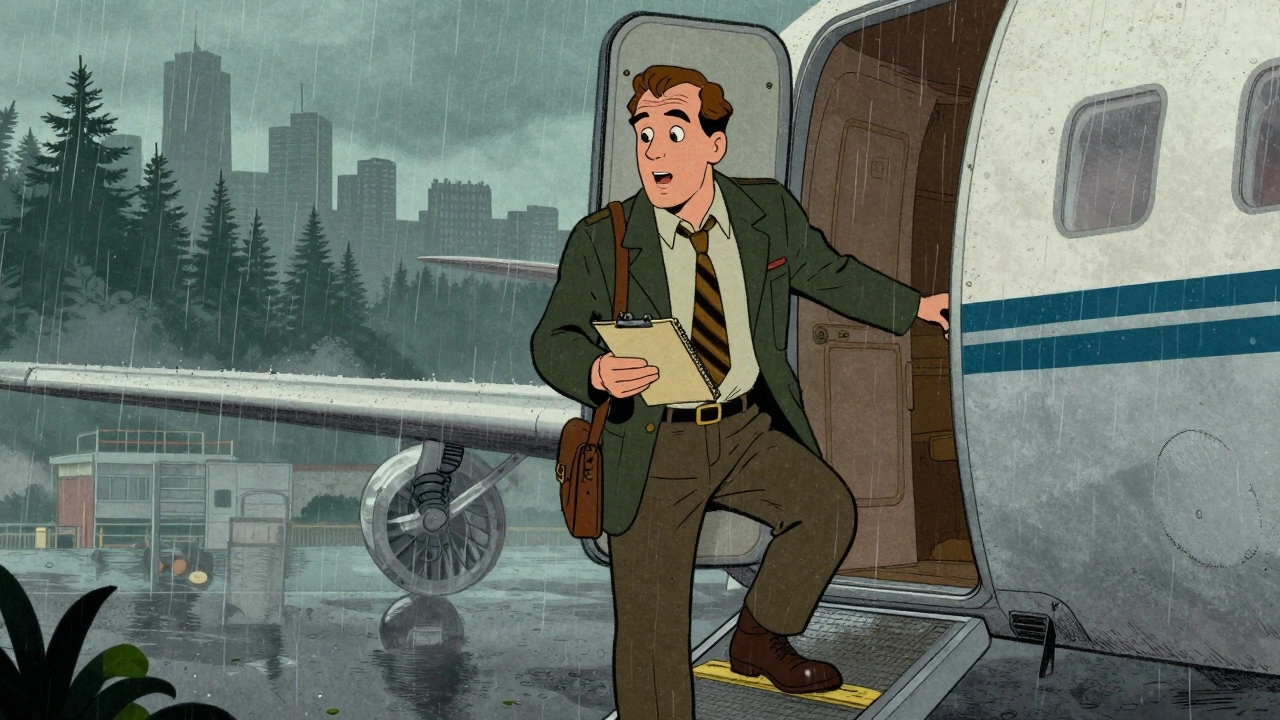

Imagine a world where the distorted guitars and flannel shirts of the 1990s never left the rainy streets of the Pacific Northwest. For a long time, the grunge revolution was just a local quirk of Seattle, a regional sound that most people outside of Washington state had never heard of. But a strange thing happened in March 1989: a British journalist named Everett True is an English music journalist and musician who acted as one of the primary conduits between the Seattle underground and the global music press flew across the Atlantic, and the musical landscape changed forever.
The Strategic Trip to Seattle
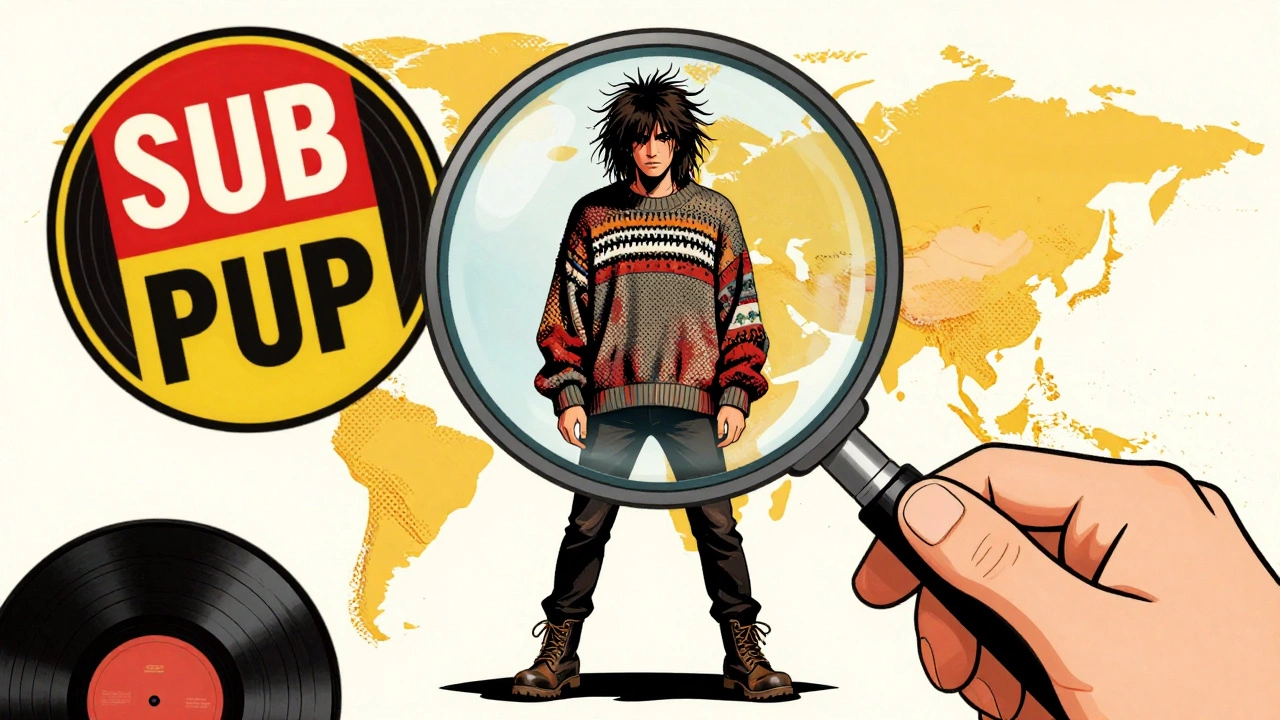
It wasn't a coincidence that True ended up in Seattle. It was a calculated move by Sub Pop is a Seattle-based independent record label that was instrumental in branding the early grunge sound. The label didn't just want to sell records; they wanted to create a myth. By flying True out to the city, Sub Pop was essentially importing a megaphone. They knew that the British music press-especially the influential weeklies-had a habit of obsessing over American underground scenes and then exporting that obsession back to the US as a certified trend.
True arrived in March 1989, well before Nirvana became household names or Soundgarden hit the mainstream charts. He wasn't just looking for a catchy tune; he was documenting a lifestyle. He wrote for Melody Maker is a prominent British music publication known for its deep dive into alternative and indie music scenes, a magazine that the youth of the UK read like a bible. When his reports landed in the UK, they didn't just describe music-they described a movement.
Packaging a Sound for the World
One of the most interesting parts of this story is that the "grunge look" wasn't entirely accidental. Through True's writing and the photos accompanying his articles, the world saw a very specific image: heavy boots, thrift-store sweaters, and a general sense of apathy. Sub Pop used True's journalistic gaze to refine their marketing strategy. They weren't just selling individual bands; they were selling a "Seattle sound."
True's work helped create a uniform identity. He focused on the raw, sludge-like quality of the music and the authenticity of the performers. By the time other British journalists followed his lead, the blueprint was already there. This created a snowball effect. Because a respected critic from London was calling it the "next big thing," the rest of the world started paying attention. It's a classic example of a cultural feedback loop: Seattle makes the music, London validates it, and then the rest of the world buys it.
| Month | Key Event | Impact |
|---|---|---|
| March | Everett True visits Seattle | Initial exposure in Melody Maker |
| Late 1989 | British press obsession peaks | UK journalists flood Seattle |
| December | Soundgarden & Mudhoney debut in UK | The "grunge" label becomes official in the press |
| Post-Dec | Nirvana plays London | Global tipping point for the genre |
From Regional Quirk to Global Dominance
Why did the British press have so much power? In the late 80s, the UK music scene was often more attuned to American indie labels than the US mainstream media was. While American radio was still playing polished pop and hair metal, British music journalists were digging through imports and zines. When True wrote about the Sub Pop roster, he wasn't just reporting facts; he was building a narrative of rebellion and authenticity.
About nine months after True's first visit, the momentum was unstoppable. Bands like Soundgarden and Mudhoney were no longer just local favorites; they were international curiosities. By the time Nirvana stepped onto a stage in London for the first time, the ground had already been prepared. The British press had spent nearly a year telling the world that Seattle was the place where the future of rock was being written.
The Journalist as a Participant
Everett True wasn't just a bystander. He was a musician himself (recording as The Legend) and had a deep-seated passion for the fringes of rock, influenced by the avant-garde sounds of The Residents. This gave him a level of credibility that a standard corporate reporter wouldn't have. He spoke the language of the musicians he was covering.
Over the years, True has tried to clean up the historical record. He's often been vocal about what actually constituted "grunge" versus what was just a corporate imitation. It's a common struggle for the people who discover a scene: they see the raw, honest beginnings get swallowed by the massive machine of the music industry. For True, the journey started with a plane ticket and a notepad, but it ended with a global shift in how we dress, act, and listen to music.
The Legacy of the "Press Boost"
The story of Everett True and Sub Pop teaches us something about how fame works. It's rarely just about the quality of the music-though the music had to be good-it's about the framing. Sub Pop provided the product, and the British press provided the prestige. Without that international validation, grunge might have stayed a niche interest for a few thousand people in the Northwest.
Today, you can see this pattern repeat with TikTok trends or viral Spotify playlists, but back then, it required a physical journey and a printed magazine. True's dispatch from Seattle was the spark. He didn't create the fire-the bands did that-but he was the one who told the rest of the world to look at the smoke.
Who is Everett True?
Everett True is an English music journalist and musician. He is most famous for his early coverage of the Seattle music scene in the late 1980s, specifically for Melody Maker, which helped introduce grunge to a global audience.
What role did Sub Pop play in the grunge movement?
Sub Pop was the independent record label in Seattle that strategically marketed the "grunge" sound and image. They flew journalists like Everett True to Seattle to create international hype and brand the local scene as a unified movement.
Why was the British press so important for Seattle bands?
In the late 80s, the UK press was more open to underground and alternative sounds than the US mainstream. Validation from British publications like Melody Maker gave Seattle bands a level of prestige that eventually forced the US industry to take notice.
When did grunge officially break into the UK market?
The momentum built throughout 1989, with Soundgarden and Mudhoney debuting for the British press shortly before Nirvana played their first London shows, marking the transition from a regional scene to a global phenomenon.
Did Everett True actually influence the music?
While he didn't write the songs, his journalism helped package the visual and sonic identity of grunge. By defining the scene for the public, he contributed to the branding that made the movement a cultural force.


