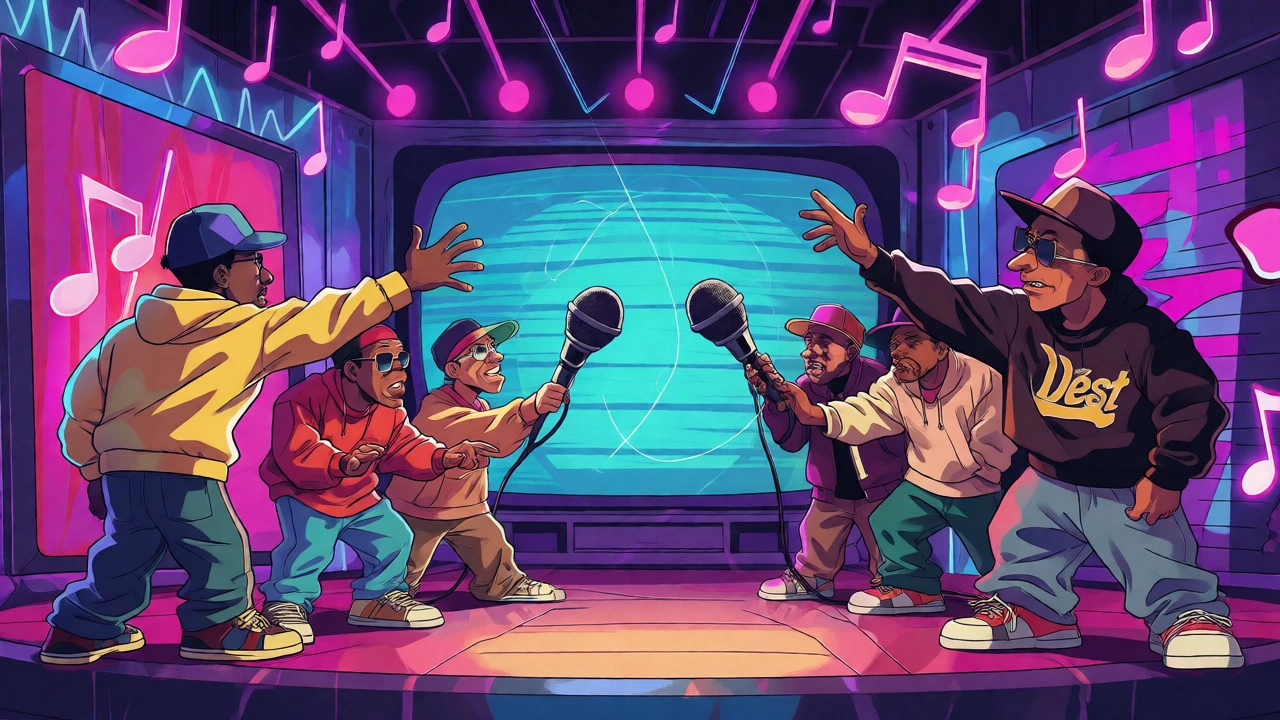

You think you know the story of the East Coast versus West Coast rap war. You’ve seen the headlines, heard the diss tracks, and maybe watched a modern documentary that tries to solve the murders. But if you want to understand how this conflict actually unfolded in real-time, you have to look at what was on your screen between 1990 and 1999. It wasn’t just news reporting; it was active participation. Television programs like Rap City and Yo! MTV Raps didn’t just document the beef-they fueled it, shaped it, and sometimes distorted it. The way we remember the deaths of Tupac Shakur and The Notorious B.I.G. is heavily filtered through the lens of 1990s media coverage, which often prioritized drama over nuance.
This isn’t about who shot whom. That’s still debated. This is about how cameras, microphones, and magazine covers turned personal grudges and business disputes into a national spectacle. If you’re digging into hip-hop history, distinguishing between contemporaneous 1990s coverage and later retrospectives is critical. Films like Biggie & Tupac (2002) or Beef (2003) are valuable, but they are looking back with hindsight. To get the raw pulse of the era, you need to look at the primary sources: the interviews broadcast before the funerals, the award show confrontations that aired live, and the few documentaries released while the blood was still wet.
The Rise of the Visual Beef Era
Before the mid-90s, hip-hop rivalries were largely sonic. You settled scores with records. When Boogie Down Productions dropped "The Bridge Is Over" against Juice Crew, the battle happened on cassette tapes and radio waves. By the 1990s, however, television had become the arena. Shows like BET's Rap City and MTV's Yo! MTV Raps created a shared visual language for the culture. They weren't just playing videos; they were hosting the artists, letting them speak directly to the audience, and framing their conflicts as narrative arcs.
This shift changed the stakes. A diss track could be ignored, but a televised insult couldn’t. When Tupac Shakur accused Notorious B.I.G. and Sean Combs of involvement in his 1994 shooting, he wasn’t just rapping; he was leveraging his public persona. Television amplified these accusations, turning private suspicions into public fact for millions of viewers. The medium itself encouraged binary thinking: East vs. West, Bad Boy vs. Death Row. Nuance got cut for time.
Rhyme & Reason: The Only Contemporaneous Doc
If you’re looking for a definitive documentary from the decade itself, there’s really only one major feature-length film that fits the bill: Peter Spirer’s Rhyme & Reason, released in March 1997. This 90-minute Miramax production is invaluable because it captures the industry in the immediate aftermath of Tupac’s death but before Biggie’s murder. It features interviews with over 80 figures, including Ice-T, Heavy D, KRS-One, and Chuck D.
What makes Rhyme & Reason distinct is its scope. It doesn’t obsess solely over the feud. Instead, it contextualizes the violence within broader themes of commercialization, identity, and artistic evolution. It treats the rivalry as one symptom of a larger cultural crisis rather than the sole cause. For historians, this film is a time capsule. It shows us how artists themselves were processing the loss of Tupac while navigating the rising tension with Biggie’s camp. Unlike later docs that try to solve the crimes, Rhyme & Reason simply documents the mood: confusion, anger, and fear.
| Media Type | Title/Program | Date | Significance |
|---|---|---|---|
| Documentary Film | Rhyme & Reason | March 1997 | Only major contemporary doc; captures post-Tupac/pre-Biggie climate. |
| TV Interview | Rap City | Feb 24, 1997 | Biggie’s last televised interview; discusses Tupac’s death calmly. |
| Award Show | Source Awards | Aug 1995 | Suge Knight vs. Puff Daddy confrontation; publicized label rivalry. |
| Magazine Cover | Vibe Magazine | Sept 1996 | "East vs. West" cover; framed de-escalation as conflict. |
Rap City and the Last Words of Biggie
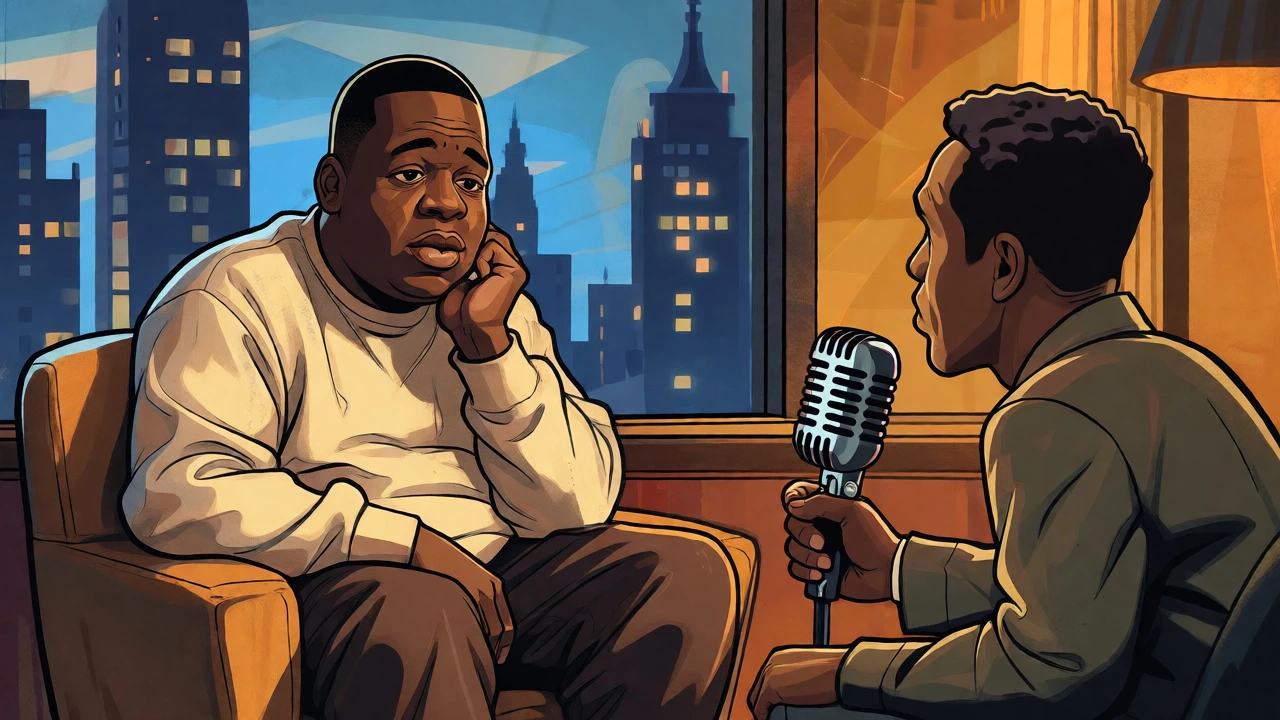
Perhaps the most poignant piece of television footage from the entire decade comes from Rap City. On February 24, 1997-just two weeks before his own death-Christopher Wallace sat down with host Joe Clair. In this interview, Wallace speaks about Tupac’s recent murder with surprising clarity and sadness. He doesn’t sound like a man preparing for war; he sounds like an artist worried about the state of his culture.
This clip is crucial because it contradicts the media narrative that Biggie was eagerly awaiting a showdown. He talks about moving past the negativity, about wanting peace. Yet, the surrounding media ecosystem-the magazines, the radio DJs, the cable news segments-had already cast him as the villain or the victor in a zero-sum game. Watching this interview now, you realize how much the public perception was driven by external framing rather than the artist’s actual intent. It’s a stark reminder that TV coverage often edited out the quiet moments in favor of the loud ones.
Award Shows as Battlefields
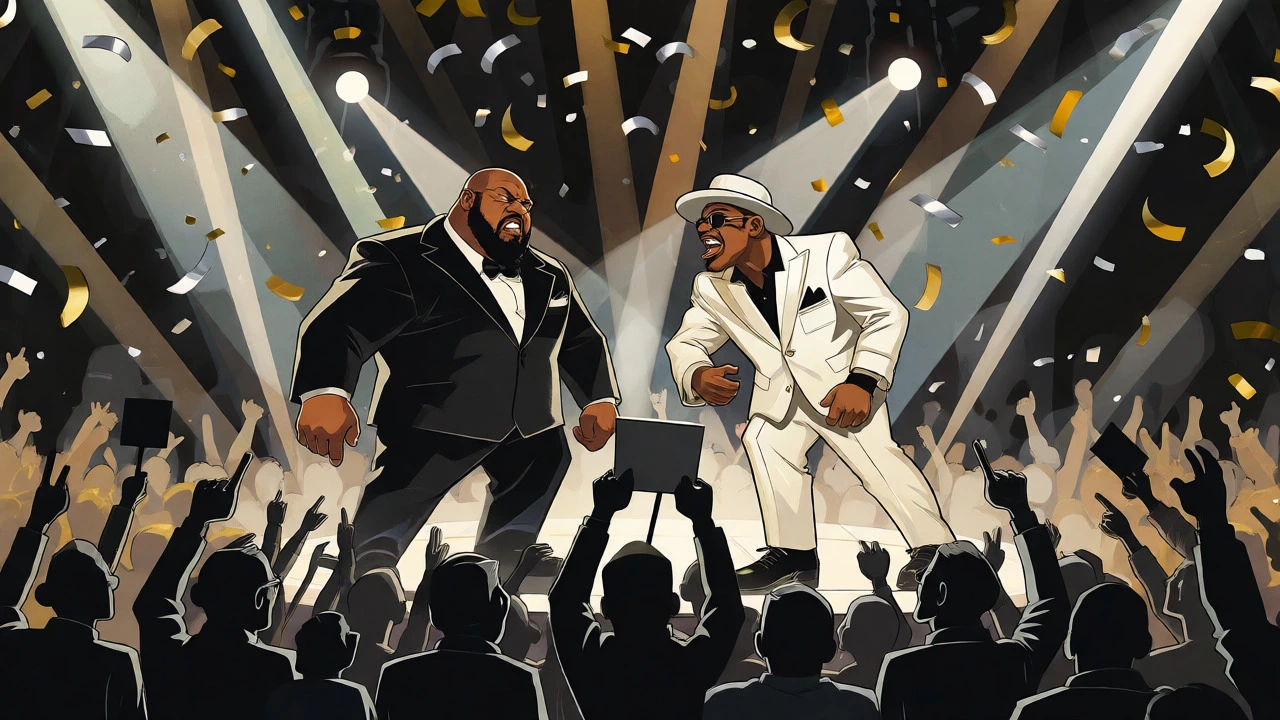
Television awards shows became the coliseums where these feuds played out publicly. The 1995 Source Awards is the prime example. During the ceremony, Death Row co-founder Suge Knight took the stage and criticized Sean Combs’ habit of appearing in other artists’ music videos. It was a direct jab, delivered live to a national audience. Combs responded, but the damage was done. The broadcast made internal label politics legible to the general public.
These moments did more than report news; they created it. Fans weren’t just listening to music; they were watching loyalty tests. Did you cheer for Suge? Did you boo Puffy? The camera captured every facial expression, every whispered comment. This performative aspect of the rivalry meant that artists felt pressure to act out their beefs on screen, not just in song. The threat of being perceived as "soft" or "inauthentic" drove escalation. TV rewarded drama, and drama required confrontation.
Did the Media Manufacture the War?
There’s a persistent debate among critics: did the media invent the East-West divide, or did they just amplify existing tensions? Magazines like Vibe and The Source are often blamed for simplifying complex relationships into a binary coastal war. The infamous Vibe September 1996 cover, featuring Biggie and Puffy under the headline "East vs. West," is frequently cited. Even though the interview inside suggested a desire to cool things down, the visual framing reinforced opposition.
However, blaming the media entirely ignores the reality on the ground. There were genuine business conflicts, personal betrayals, and street affiliations involved. The 1994 shooting of Tupac was a real violent event, not a PR stunt. The media’s role was causal but limited. They widened the audience, hardened the regional stereotypes, and rewarded sensationalism. But they didn’t pull the trigger. As retrospective panels featuring former editors have noted, editorial choices contributed to the escalation, but the underlying fuel was real.
Why Retrospective Docs Are Different
It’s easy to confuse Biggie & Tupac (2002) or Tupac: Resurrection (2003) with 1990s coverage. They aren’t. These films benefit from hindsight, access to police files, and years of reflection. They try to answer questions that 1990s TV couldn’t: Who killed them? Why? Contemporary coverage had no such luxury. It was chaotic, fragmented, and often contradictory.
When you watch Rhyme & Reason or clips from Rap City, you’re seeing history unfold without a script. Later documentaries impose a narrative structure on that chaos. They select facts to support a theory. For anyone studying the sociology of hip-hop, the 1990s artifacts offer a truer picture of the uncertainty and fear that defined the era. They show us that even the participants didn’t fully understand what was happening until after it was over.
Lessons for Modern Music Journalism
The legacy of 1990s coverage extends to today. We see the same patterns in social media discourse around artist conflicts. Speed and spectacle still trump nuance. The tools have changed-from cable TV to Twitter-but the dynamic remains: platforms reward conflict, and audiences consume it voraciously. Understanding how Rap City and Vibe shaped the Tupac-Biggie narrative helps us critically evaluate how modern outlets frame current rivalries.
We should be skeptical of simple binaries. Just as the 1990s reduced diverse scenes to "East vs. West," today’s algorithms might reduce complex artistic disagreements to "Team A vs. Team B." Recognizing the media’s role in constructing these narratives allows us to appreciate the music more deeply and judge the journalism more fairly. The 1990s taught us that when cameras roll, the truth often takes a back seat to the story.
Was there a dedicated documentary about the Tupac-Biggie feud released in the 1990s?
No major feature-length documentary devoted exclusively to the Tupac-Biggie murders was released during the 1990s. The closest contemporaneous film is Peter Spirer's Rhyme & Reason (1997), which covered the broader hip-hop culture and included the feud as part of a larger narrative. Dedicated films like Biggie & Tupac arrived in the early 2000s.
What role did BET's Rap City play in the hip-hop feud?
Rap City served as a primary platform for artists to address controversies directly. Its most significant moment regarding the feud was the February 24, 1997, interview with Notorious B.I.G., which became his last televised appearance before his death. The show helped humanize the artists amidst the sensationalist media coverage.
Did the media create the East Coast vs. West Coast rivalry?
The media amplified and simplified existing tensions rather than creating them from scratch. While outlets like Vibe and The Source used sensational framing that escalated the conflict, the rivalry was rooted in real business competition, personal grievances, and violent incidents like the 1994 shooting of Tupac Shakur.
Which TV award show was pivotal in escalating the feud?
The 1995 Source Awards were pivotal. During the ceremony, Suge Knight publicly criticized Sean Combs, turning a business dispute into a visible public confrontation. This event helped solidify the narrative of a coast-vs-coast war for a national television audience.
Why is Rhyme & Reason considered important historically?
Rhyme & Reason is important because it was produced and released in 1997, capturing the hip-hop community's immediate reaction to Tupac's death and the ongoing tension with Biggie. It provides unfiltered, contemporaneous perspectives from over 80 industry figures, unlike later documentaries that rely on retrospective analysis.