
Imagine walking into a high-end boutique in 1992 and seeing a $500 flannel shirt. It sounds ridiculous now, but that was the reality when Grunge hit the mainstream. This wasn't just a music genre; it was a visual language that rewired how we buy clothes and how young people define themselves. If you grew up in the Pacific Northwest or watched MTV between 1991 and 1994, you know this shift changed everything. The move from polished 80s power dressing to ripped jeans and oversized cardigans wasn't accidental. It was a deliberate rejection of corporate excess, yet retailers quickly turned that rebellion into profit.
The Thrift Store Revolution: From Necessity to Aesthetic
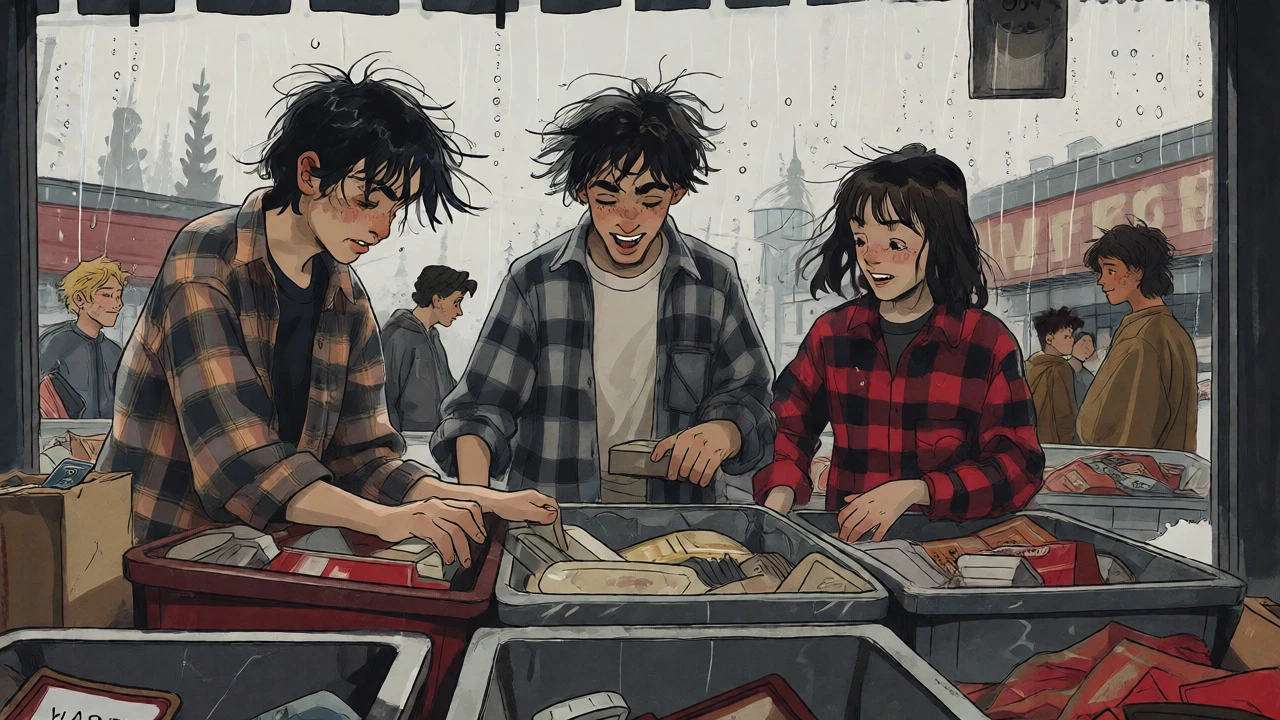
Grunge fashion is a style characterized by loose, layered clothing, often sourced from second-hand stores, emphasizing comfort and anti-consumerist values. Before it became a global trend, this look was born out of necessity in Seattle. The rainy, gray climate of the Pacific Northwest didn't encourage flashy outfits. Instead, local bands like Nirvana and Pearl Jam wore what they could afford: flannel shirts from workwear brands like Pendleton, ripped jeans, and durable boots. For adolescents in the early 90s, copying this look wasn't about buying new trends; it was about resourcefulness. You dug through bins at Goodwill to find a unique piece that no one else had. This created a sense of individuality within a uniform. Wearing a torn band tee over a slip dress signaled that you cared more about authenticity than appearance. It was a way for Generation X to say, "We don't care about your money," even as they started spending it on specific, curated items.
Marc Jacobs and the High-Fashion Paradox
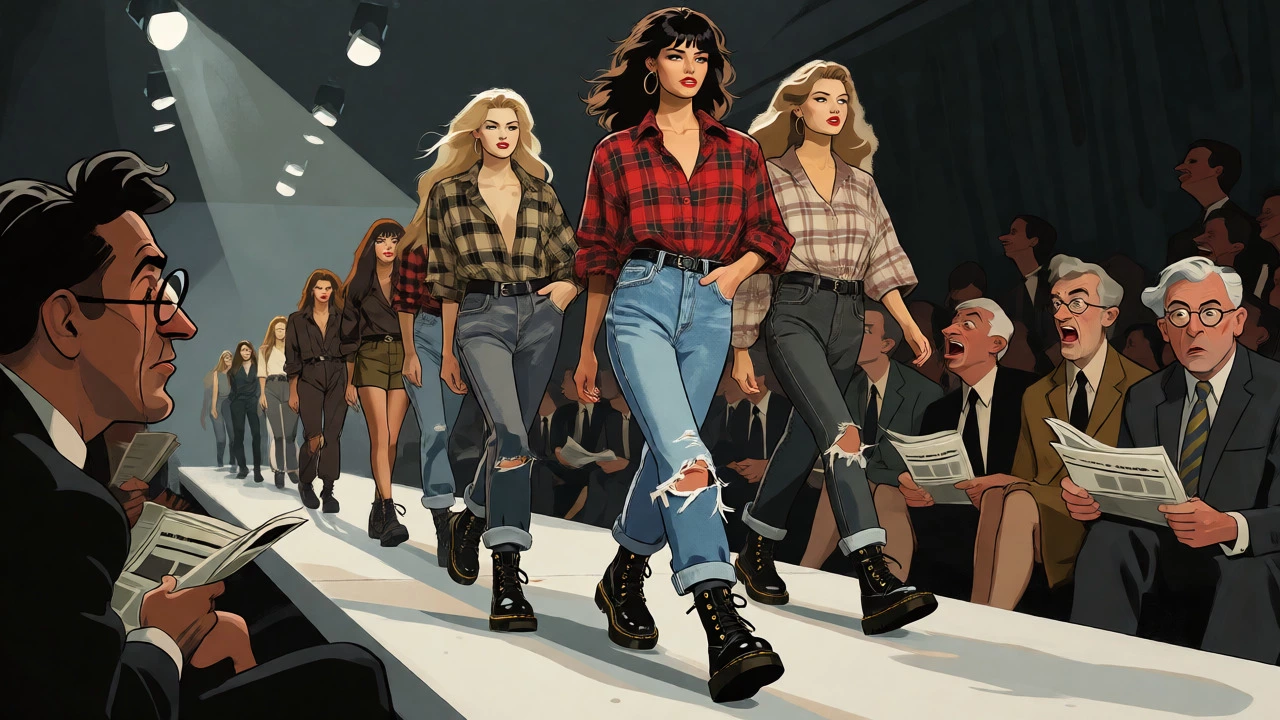
The moment grunge truly entered the retail mainstream happened on November 2, 1992. Marc Jacobs, then the creative director for Perry Ellis, sent supermodels like Kate Moss down the runway wearing Doc Martens and plaid shirts made of Italian silk. Critics hated it. They called it sloppy and commercially unviable. Perry Ellis fired Jacobs shortly after. But history proved him right. That collection bridged the gap between the underground club scene and luxury department stores. Suddenly, the "messy" look was expensive. Designers began selling pre-distressed denim and luxury versions of hoodies. This paradox defines modern retail: rebellion becomes a product. By commodifying the anti-fashion stance, retailers allowed consumers to buy an attitude without having to live the economic struggle that originally inspired it. It’s the ultimate example of subcultural recuperation-where the market absorbs dissent and sells it back to us with a price tag.
Retail Strategies: How Stores Captured the Look
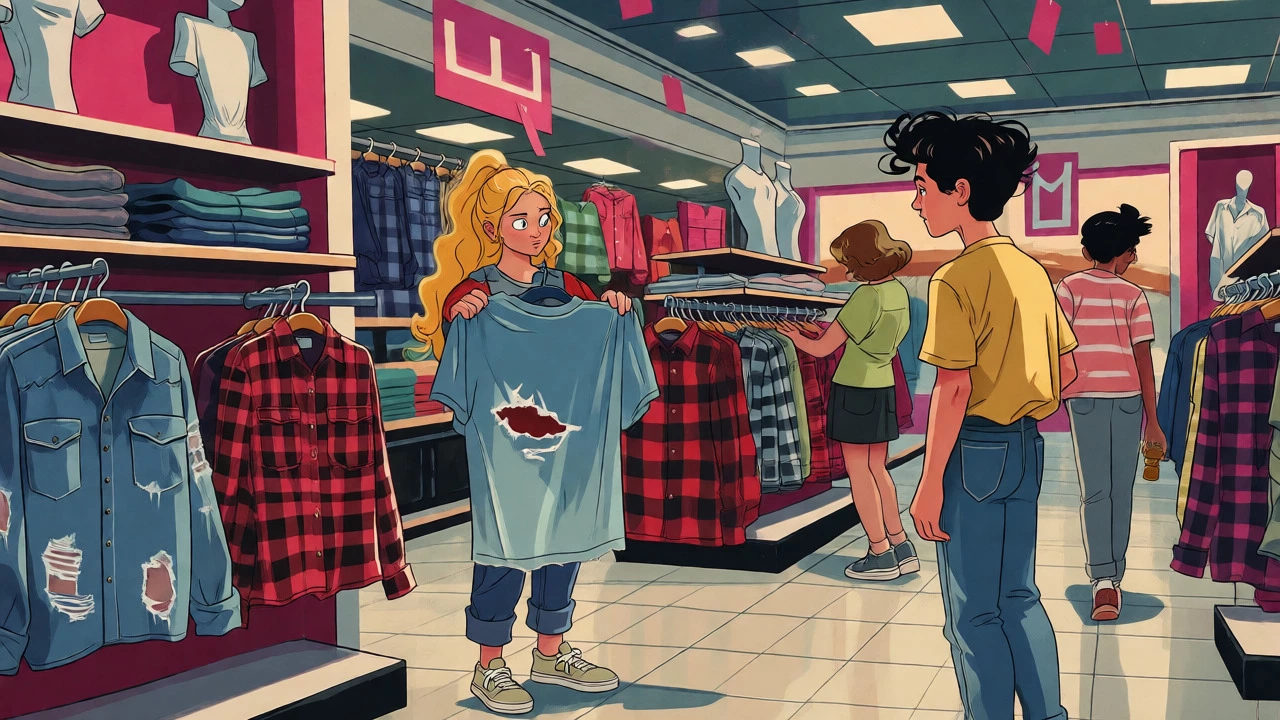
You might wonder how ordinary stores adapted so quickly. By 1993, mall chains like Urban Outfitters and later H&M started stocking "grunge essentials." They didn't just sell clothes; they sold a lifestyle kit. The strategy was simple: take the key elements of the Seattle sound and package them for suburban teens who wanted to feel edgy. Flannel shirts became seasonal staples. Combat boots, specifically Dr. Martens, transitioned from punk utility to everyday footwear. Retailers realized that while kids couldn't always afford designer labels, they could afford the aesthetic. Fast fashion capitalized on this by producing lower-quality versions of the same silhouettes. This democratized the look but also diluted its meaning. When everyone wears the same ripped jeans, does it still signal non-conformity? Retail data suggests that while the volume of sales increased, the cultural weight of the clothing decreased. We traded uniqueness for accessibility.
| Feature | Original Seattle Scene (Late 80s) | Mainstream Retail (Mid 90s) |
|---|---|---|
| Source of Clothing | Thrift stores, surplus shops, hand-me-downs | Mall boutiques, fast fashion chains, designer outlets |
| Condition of Garments | Naturally worn, repaired, dirty from use | Pre-distressed, artificially faded, clean but styled to look messy |
| Primary Motivation | Economic necessity and weather protection | Trend adoption and social signaling |
| Key Brands | Pendleton, Levi's (second-hand), Army Surplus | Calvin Klein, Anna Sui, Urban Outfitters, H&M |
| Identity Signal | Alienation, working-class authenticity | Rebellious consumerism, nostalgia |
Youth Identity: More Than Just Clothes
For many teenagers in the 90s, grunge provided an emotional framework. The lyrics of Kurt Cobain and Eddie Vedder spoke to feelings of isolation and anger that earlier pop stars ignored. Wearing the clothes was a way to externalize those internal struggles. It allowed adolescents to form a tribe based on shared emotion rather than just shared hobbies. This was crucial during a time of rising divorce rates and economic uncertainty. The "slacker" image wasn't just lazy; it was a critique of the rat race. Young people used their wardrobes to reject the expectation that they had to be ambitious and polished. However, this identity was fragile. As soon as corporations started marketing "rebellion," the line between genuine expression and performance blurred. Did you wear the flannel because you listened to Soundgarden, or because it was in the window display? This question haunts every subsequent youth movement, from hip-hop to streetwear.
The Legacy: Why Grunge Still Matters Today
Decades later, we are still living in the world grunge built. The dominance of casual wear in professional settings traces back to this era. The acceptance of vintage clothing as high fashion started here. Even today, when Gen Z discovers vinyl records and thrift shopping, they are participating in a cycle grunge normalized. Brands continue to mine the 90s for inspiration because it represents a raw, unfiltered moment in culture. The tension between authenticity and commerce remains unresolved. We still crave the "real" thing, even though we know the real thing is hard to find in a store. Understanding how grunge influenced retail helps us see current trends not as new inventions, but as echoes of that pivotal decade. It reminds us that fashion is never just about fabric; it's about who we want to be and who we pretend to be.
Why did Marc Jacobs get fired for his grunge collection?
Marc Jacobs was fired from Perry Ellis in 1993 because executives felt his Spring/Summer 1993 grunge-inspired collection was too commercial and disrespectful to the brand's polished sportswear heritage. Critics viewed the mix of luxury fabrics with thrift-store aesthetics as a failure, though history later vindicated him as visionary.
What were the key clothing items of 1990s grunge fashion?
The core wardrobe included oversized flannel shirts (often Pendleton), ripped or baggy jeans, combat boots (especially Dr. Martens), band T-shirts, slip dresses worn over tees, and chunky knit cardigans. These items were typically sourced from thrift stores to maintain an authentic, non-conformist look.
How did grunge change youth identity in the 1990s?
Grunge offered Generation X a visual and emotional language to express alienation, cynicism, and a rejection of 1980s materialism. It validated mental health struggles and economic anxiety, allowing youth to bond over shared disaffection rather than aspirational success.
Is grunge fashion still relevant in 2026?
Yes, grunge elements remain highly relevant. Modern fashion frequently references 90s aesthetics through distressed denim, oversized silhouettes, and layering. The cyclical nature of fashion means grunge continues to influence contemporary streetwear and high-end collections alike.
What role did thrift stores play in the grunge movement?
Thrift stores were essential to grunge's origin, providing affordable, unique clothing that defined the aesthetic. Shopping second-hand was a practical necessity for many musicians and fans, turning economic constraint into a stylish choice that emphasized individuality over mass-produced trends.


