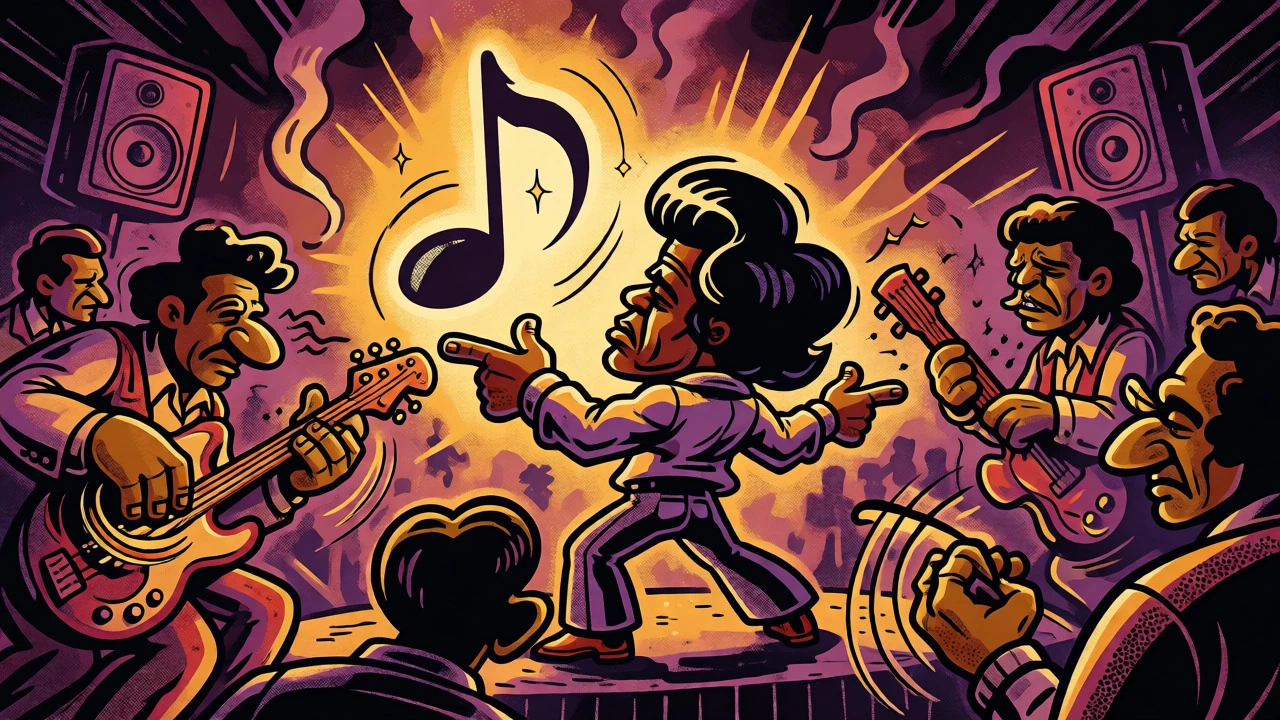

You hear it in Uptown Funk. You feel it in Silk Sonic’s velvet harmonies. It’s the invisible skeleton holding up half the music on your playlist today. We often treat genres like museum exhibits-dusty, static, and safely behind glass. But funk isn’t a relic. It’s a living, breathing operating system for modern rhythm. If you’ve ever wondered why Bruno Mars sounds like he stepped out of a 1974 time machine, or why Drake’s beats hit so hard in your chest, you’re hearing the echo of James Brown’s band. This isn’t just nostalgia. It’s a direct line from the sweaty clubs of the 1970s to the streaming algorithms of 2026.
The One: Why the Beat Matters More Than the Melody
To understand where we are, you have to go back to the source. Before funk, popular music was mostly about melody. Think doo-wop or early Motown. The song was the star. Then came James Brown, who flipped the script. He told his band to stop playing songs and start playing a rhythmic pulse centered on the first beat of the bar, known as "the one". This wasn’t just a style choice; it was a philosophical shift. The emphasis moved from harmony to rhythm. The bass didn’t just support the chord; it became the lead instrument. The guitar stopped strumming chords and started scratching percussive rhythms. This created a hypnotic, repetitive groove that made your body move before your brain could catch up.
This approach required a new kind of musician. Enter Larry Graham, the bassist for Sly and the Family Stone. Graham developed the slap-bass technique, hitting the strings with his thumb and pulling them with his fingers. It sounded like a drum kit made of wood and wire. When you listen to Sly Stone’s “I Want to Take You Higher,” you aren’t just hearing a song. You’re hearing the blueprint for every hip-hop producer who has ever chopped a breakbeat. The interplay between the kick drum, the snare, and the slap bass created a “pocket” that felt physical. That pocket is what modern producers chase. They try to replicate it with software, but the human imperfection-the slight push and pull of real musicians-is what makes funk feel alive.
From Parliament-Funkadelic to the Breakbeat
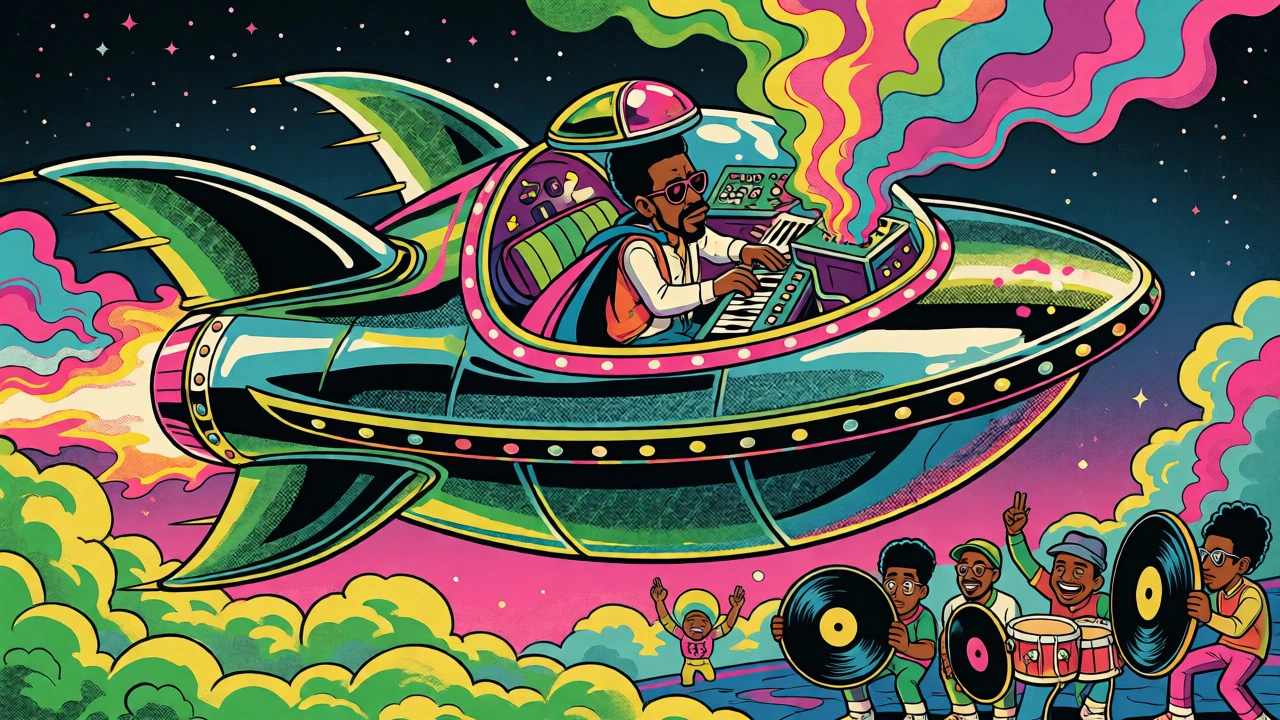
If James Brown built the engine, George Clinton built the spaceship. His collective, Parliament-Funkadelic, took funk into psychedelic territory. They used synthesizers, talk boxes, and wild theatricality. Songs like “Flash Light” and “Atomic Dog” weren’t just hits; they were sonic laboratories. Clinton proved that funk could be weird, electronic, and futuristic while staying deeply rooted in the groove.
This era laid the groundwork for sampling. In the late 1970s and early 1980s, DJs in the Bronx started isolating the instrumental breaks from funk records. DJ Kool Herc, Clive Campbell, realized that extending these breaks kept dancers moving longer. This practice birthed hip-hop. Suddenly, a six-second drum fill by Clyde Stubblefield on James Brown’s “Funky Drummer” became the most sampled beat in history. According to WhoSampled data as of August 2026, that single track has been logged over 2,200 times in other songs. It’s not just a sample; it’s a foundational element of modern music production. When you hear a trap beat today, you’re often hearing a digital reconstruction of that same rhythmic logic.
| Artist/Band | Key Innovation | Influence on Modern Genres |
|---|---|---|
| James Brown & The J.B.’s | Emphasis on "The One," tight syncopation | Hip-hop breakbeats, neo-soul rhythm sections |
| Sly and the Family Stone | Slap bass, integrated vocal harmonies | Funk-rock fusion, modern R&B vocal layering |
| Parliament-Funkadelic | Synth textures, talk box, theatricality | G-funk, electro-pop, experimental R&B |
| The Meters | New Orleans second-line rhythms | Alternative rock, indie soul, jam bands |
The Sampling Dilemma: Imitation vs. Innovation
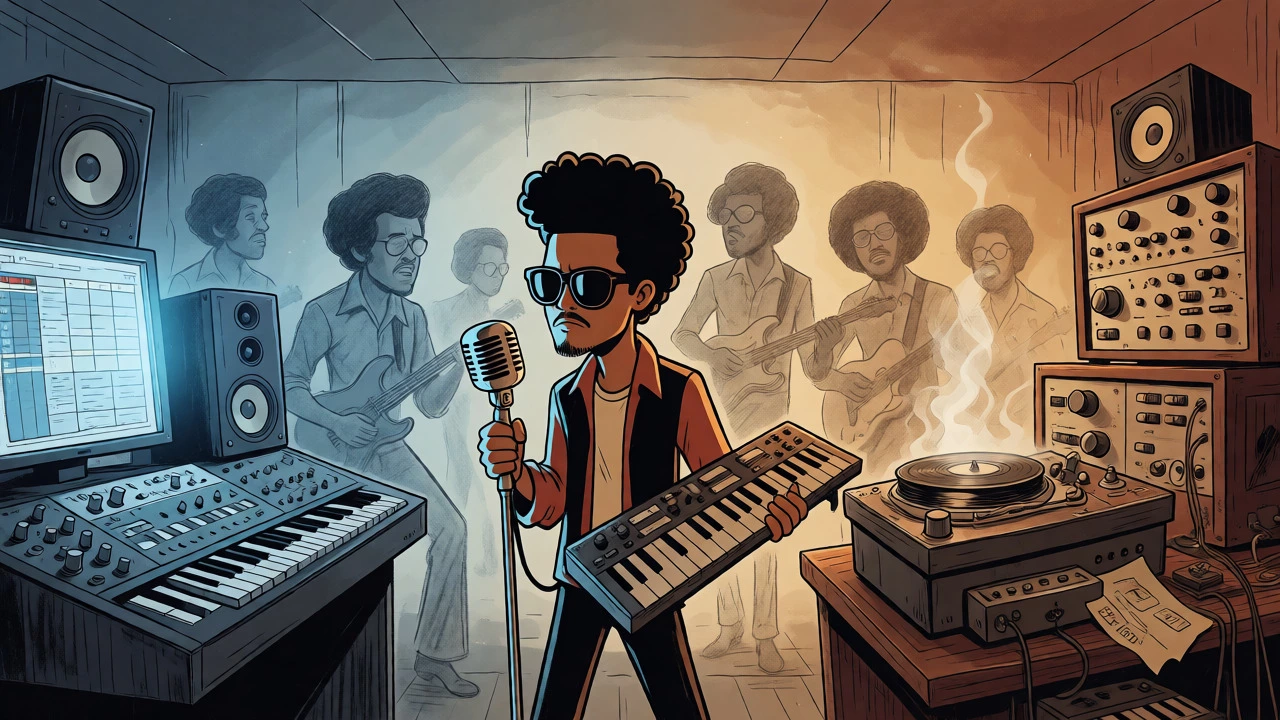
For decades, producers could just cut and paste. Dr. Dre’s G-funk sound in the 1990s relied heavily on sampling George Clinton and Zapp. It was lazy, sure, but it worked. Then copyright laws tightened. Lawsuits against groups like De La Soul changed everything. Producers couldn’t just lift a bassline anymore without paying hefty fees. This forced a creative pivot. Instead of sampling, artists began interpolating. They’d replay the vibe with live musicians or use synthesizers to mimic the old sounds. This led to the rise of Neo-Soul in the 1990s. Artists like D’Angelo and Erykah Badu didn’t sample funk; they played it. They hired live bands, used analog tape machines, and focused on organic interaction. It was a rejection of the digital coldness of the 80s, returning to the warm, imperfect humanity of the 70s.
This distinction matters because it changes how we credit innovation. Is Bruno Mars innovating when he sings like Prince? Or is he curating? The truth is somewhere in the middle. Mars and his collaborator Anderson .Paak formed Silk Sonic, a project explicitly designed to reconstruct the 1970s. Their album “An Evening with Silk Sonic” uses lush orchestration, falsetto vocals, and period-accurate instruments. It’s meticulous reverse engineering. Critics argue it’s parody, but fans love it because it feels authentic. It proves that audiences still crave the tactile warmth of real instruments over the sterile precision of digital production.
Groove as Identity in Contemporary Pop
Today, funk isn’t just a genre; it’s a marketing tool and a cultural signal. When Dua Lipa released her disco-funk albums, she wasn’t just making dance music. She was tapping into a lineage of Black dance culture that stretches back to the Apollo Theater. Mark Ronson’s production on “Uptown Funk” spent 14 weeks at No. 1 on the Billboard Hot 100. Why? Because it stripped funk down to its most essential elements: a catchy hook, a driving bassline, and horns. It made the complex accessible. It allowed millions of people who had never heard of The Gap Band to dance to their rhythm.
But there’s a risk. When you strip funk down to a product, you can lose its soul. The original funk was politically charged. It was born out of the Civil Rights movement, Black Power, and social upheaval. James Brown sang “Say It Loud - I’m Black and I’m Proud.” George Clinton celebrated Afrofuturism. Today’s pop funk often lacks that political edge. It’s safe. It’s polished. It’s designed for Spotify playlists, not protest marches. However, artists like Anderson .Paak and Leon Bridges are bridging the gap. They bring the groove but also retain the lyrical depth and emotional vulnerability of classic soul. They show that funk can still say something meaningful.
How to Hear the Legacy Yourself
You don’t need a degree in music theory to hear this. Next time you’re listening to the radio, pay attention to the low end. If the bass is prominent, melodic, and drives the song, you’re hearing funk’s DNA. Listen for the space between the notes. Funk is about what isn’t played. It’s about restraint. Compare a modern trap track to a James Brown record. Both rely on repetition and loops. The difference is often just the texture. Trap uses hi-hats and sub-bass; funk uses shakers and electric bass. But the principle is identical: lock into the groove and don’t let go.
Producers today have four main ways to carry this torch. First, clear sampling. This is expensive but authentic. Second, interpolation. Replaying a melody with new instruments. Third, live performance. Hiring a band to play an original funk groove. Fourth, digital emulation. Using plugins to simulate tape saturation, vinyl crackle, and analog synths. Each method has its place. But the best results come from combining them. Use digital tools to enhance the human performance, not replace it. Keep the mistakes. Keep the sweat. That’s where the magic lives.
Frequently Asked Questions
What exactly is "the one" in funk music?
"The one" refers to the first beat of each measure. James Brown instructed his band to emphasize this beat heavily, shifting the focus away from traditional harmonic progressions and toward a relentless, syncopated rhythmic drive. This creates a hypnotic, danceable foundation that prioritizes groove over melody.
Why is James Brown's "Funky Drummer" so important?
The drum break performed by Clyde Stubblefield on this track is one of the most sampled pieces of audio in history. It provided the rhythmic backbone for countless hip-hop and pop tracks, effectively serving as a building block for modern music production techniques involving looping and sampling.
Is Neo-Soul different from Funk?
Neo-Soul is largely considered a continuation and evolution of funk rather than a completely separate genre. While funk emphasizes raw, high-energy grooves and often features brass sections, Neo-Soul incorporates jazz harmonies, hip-hop beats, and a more introspective, intimate vocal style, but retains the core emphasis on live instrumentation and rhythmic pocket.
How did copyright laws change funk sampling?
In the late 1980s and 1990s, lawsuits against major hip-hop acts like De La Soul established that unauthorized sampling required clearance and payment. This ended the era of free-form collage sampling, forcing producers to either license samples, interpolate melodies by replaying them, or create original compositions that evoked the funk style without directly copying recordings.
What role does George Clinton play in modern music?
George Clinton’s work with Parliament-Funkadelic introduced psychedelic synthesizers, talk-box effects, and Afrofuturist themes. These elements were heavily adopted by West Coast hip-hop (G-funk) and continue to influence electronic and alternative R&B producers who seek to blend organic grooves with synthetic textures.