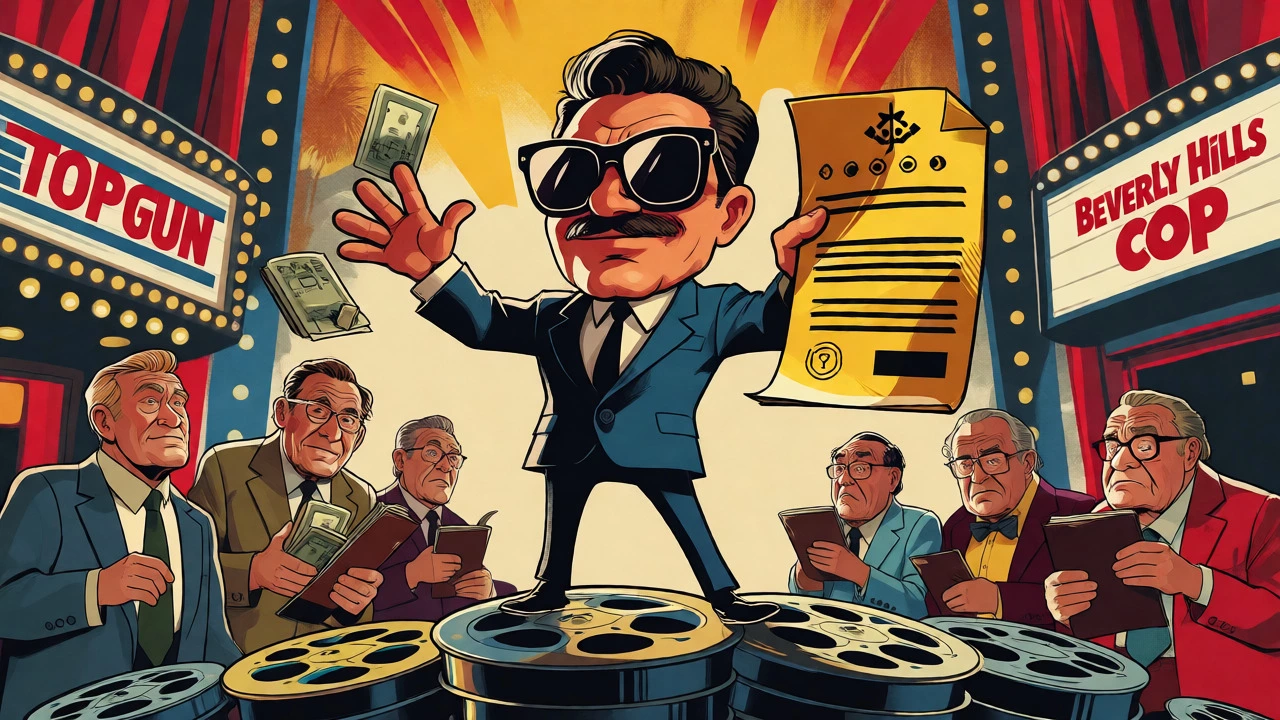

Think about the biggest movies of the 1980s. Beverly Hills Cop, Top Gun, Rambo. You probably know the stars and maybe even the directors. But who actually ran the show? Who held the purse strings and made the real money? It wasn’t just the studios anymore. It was the producers. This decade marked a massive shift in Hollywood’s power structure, where producers stopped being mere logistical coordinators and became the architects of the blockbuster economy. Their weapon of choice? "Points."
If you’ve ever wondered how a handful of individuals controlled billions of dollars in entertainment revenue, it all comes down to deal structures. In the 1980s, compensation shifted from simple salaries to complex profit participations. Understanding this isn't just history; it explains why modern streaming deals still look the way they do. Let’s break down how producers used points to gain economic leverage and creative authority during this pivotal era.
The Shift From Logistics to Leverage
Before the 1980s, studio heads were the undisputed kings. They greenlit projects, hired talent, and kept tight control over budgets. That changed after the disastrous flop of Heaven’s Gate in 1980. The film’s massive budget overrun nearly bankrupted United Artists and terrified the rest of the industry. Studios realized they couldn’t afford unchecked directorial whims. They needed someone to manage risk, control budgets, and ensure commercial viability. Enter the powerful producer.
Producers like Don Simpson and Jerry Bruckheimer stepped into this vacuum. They weren’t just overseeing shoots; they were packaging entire projects. They brought together scripts, stars, and marketing strategies before the first camera rolled. Because they reduced financial risk for studios, they demanded more than a paycheck. They wanted a piece of the pie. Specifically, they wanted points.
This wasn’t new-James Stewart had taken a percentage of profits for Winchester ’73 back in 1950-but by the 1980s, it had become standard practice for top-tier talent. The difference was scale. As blockbusters generated unprecedented box office numbers, those small percentages translated into life-changing wealth. Producers evolved into what historians call "custodians of studio capital," balancing creative vision with hard-nosed financial discipline.
Gross Points vs. Net Points: The Great Divide
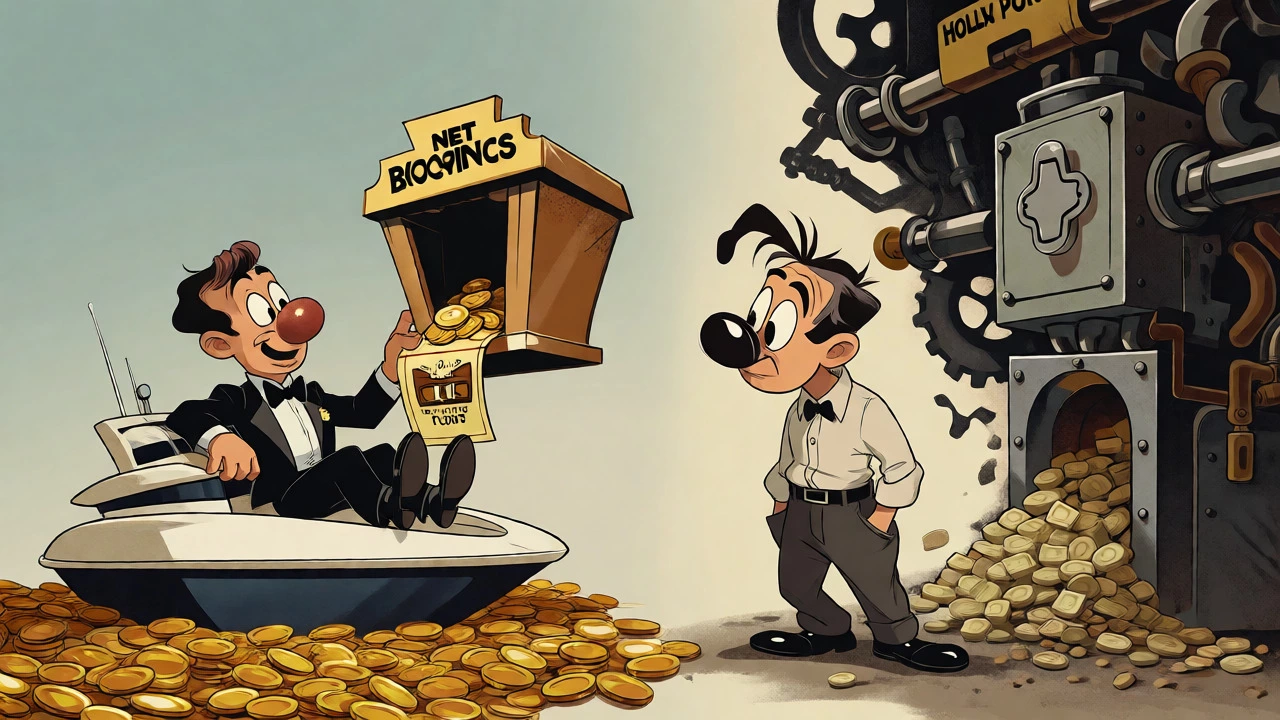
Not all points are created equal. This is the single most important concept to understand if you want to grasp producer power. There are two main types of profit participation: gross points and net points. The difference between them can mean the difference between buying a yacht and buying a bus ticket.
Gross points are a share of the revenue from the very first dollar the film earns. If you have first-dollar gross, you get paid before the studio recoups its production costs. This is the holy grail. Only the most powerful players-superstars like Eddie Murphy or Tom Cruise, and elite producers backed by agencies like Creative Artists Agency (CAA)-could negotiate this.
Most everyone else got net points. These are shares of the profit left over after the studio subtracts every possible expense. And here’s the catch: studios are incredibly good at accounting. They charge distribution fees, overhead allocations, interest on loans, and marketing costs against the film’s account. Often, these deductions swallow up all the revenue, meaning the film shows a loss on paper even if it made millions. This phenomenon is famously known as "Hollywood accounting." For many mid-level producers, net points were essentially worthless lottery tickets.
| Feature | Gross Points (First-Dollar) | Net Points |
|---|---|---|
| Payout Trigger | Immediate upon revenue generation | Only after full cost recoupment |
| Leverage Required | Very High (Superstar status/Agency backing) | Moderate to Low |
| Typical Percentage | 5% - 15% of Gross Receipts | Variable % of Net Profits (often $0) |
| Risk Factor | Low (Paid regardless of profitability) | High (Dependent on accounting practices) |
The Rise of the Power Agencies
You can’t talk about producer power without talking about agencies. In the early 1980s, the balance of power shifted from studios to talent representatives. Michael Ovitz and his firm, Creative Artists Agency (CAA), revolutionized how deals were done. Instead of negotiating one-on-one, CAA would package clients together. They’d offer a studio a complete bundle: a star, a director, a writer, and a producer, all represented by CAA, for a single price.
Producers who aligned with these agencies gained immense leverage. If a producer had a hot script and access to A-list talent through CAA, they could dictate terms. They could demand gross points because the studio knew that losing the package meant losing the movie. This dynamic forced studios to sign multi-picture deals with prominent producers, offering guaranteed fees and favorable participation terms to secure their services. It turned producers into gatekeepers. Without their approval and their packaged deals, major films simply didn’t get made.
Case Studies in Deal-Making Mastery
Let’s look at three distinct models of producer power in the 1980s to see how different strategies played out.
Simpson and Bruckheimer: The High-Concept Kings
Don Simpson and Jerry Bruckheimer defined the blockbuster aesthetic. They pioneered the "high-concept" film-a movie whose premise could be explained in one sentence (Die Hard: A cop trapped in a building with terrorists). They understood the synergy between music videos, MTV, and film marketing. By integrating soundtrack tie-ins early in development, they boosted ancillary revenues. Their leverage allowed them to command significant gross points, turning them into the "real kingpins" of the decade according to the Los Angeles Times.
Menahem Golan: The Independent Monarch
At Cannon Films, Menahem Golan operated differently. He produced high volumes of genre films on lower budgets. His power came from volume and international pre-sales. He sold rights to foreign markets before production began, using that cash flow to finance new projects. While he might not have always secured first-dollar gross on every title, his ownership of rights and backend revenues across a massive slate ensured steady wealth. He balanced risky auteur projects with safe action hits, proving you don’t need studio backing to wield power if you control your own distribution pipeline.
Andrew Vajna: The Strategic Financier
As president of Orion Pictures, Andrew Vajna took a hands-on approach. He personally scouted scripts, often acquiring them cheaply before their value skyrocketed. He bought the script for Basic Instinct for $2.5 million and optioned Die Hard for roughly $1 million. His strategy relied on financial pragmatism and giving directors creative freedom in exchange for commercial deliverables. By minimizing upfront costs and maximizing backend upside through smart acquisitions, he built a portfolio that outlasted many flashier competitors.
The Dark Side: Accounting Games and Litigation
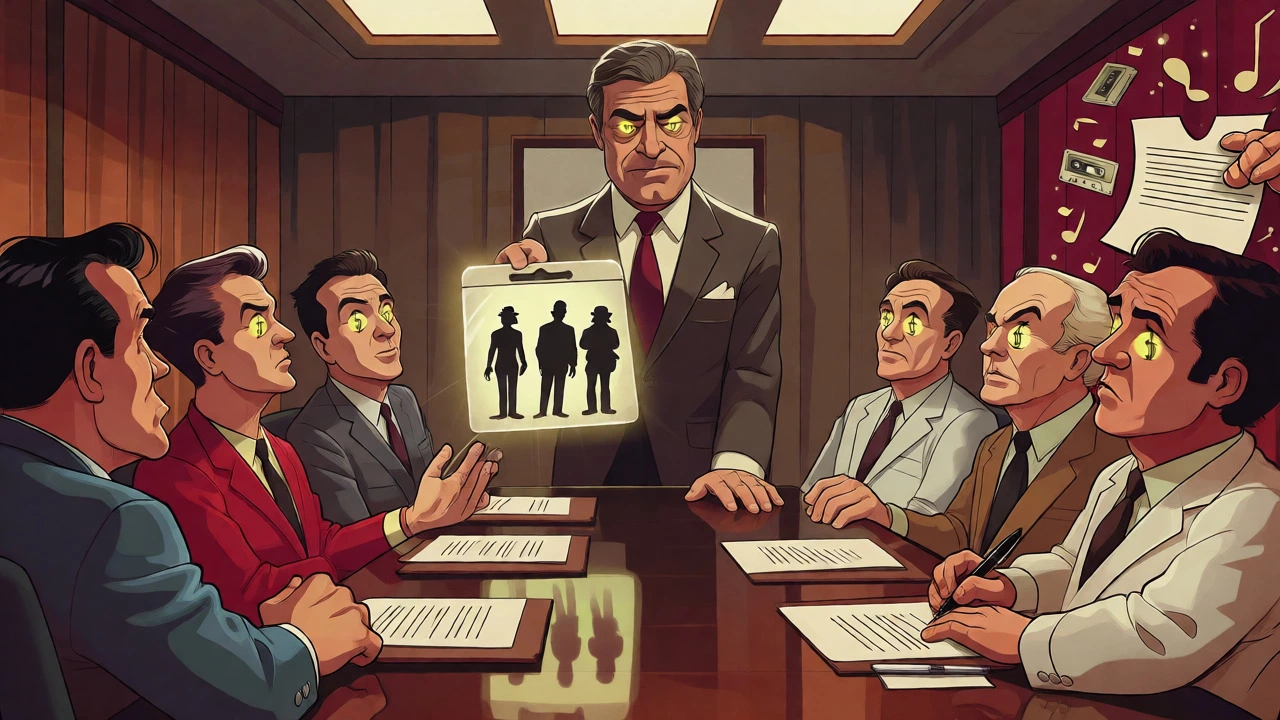
For every producer who won big, there were many who lost out due to shady accounting. The 1980s saw an explosion of profit-participation litigation. Participants sued studios, alleging that aggressive accounting methods artificially suppressed net profits. Studios charged themselves hefty distribution fees-sometimes double-digit percentages of gross revenue-and allocated corporate overhead to individual films. Interest charges on production loans further eroded the bottom line.
A famous example involves Universal Studios offering a participant 50% of net profits instead of a higher upfront fee. On paper, 50% sounds great. In reality, if the studio’s accounting ensures the film never technically turns a profit, that 50% equals zero. This systemic issue highlighted why securing gross points or robust audit rights was critical. Producers who lacked the clout to demand these protections often found themselves working for free despite their films making headlines.
Why This Still Matters Today
The structures forged in the 1980s didn’t disappear; they evolved. When you hear about a creator demanding "backend" on a Netflix series or a franchise deal, you’re hearing echoes of the Simpson-Bruckheimer era. The fundamental logic remains: fixed fees plus contingent points. The battle over definitions-what counts as "net," how much distribution fees should be, and who gets audited rights-is still fought in boardrooms today.
Producers learned that owning the rights and controlling the backend was more important than headline box office numbers. Lawrence Turman, a hybrid producer-financier worth over $100 million, summarized this perfectly: "Own the rights, control the backend, and think like an investor-not just a filmmaker." That mindset transformed the role of the producer from a service provider to a primary stakeholder in Hollywood’s economy.
What exactly are "points" in a film contract?
Points refer to contractual percentages of a film's revenue or profits allocated to key participants like producers, actors, or writers. One point typically equals 1% of the specified revenue base, which can be either gross receipts or net profits depending on the negotiation.
Why did the failure of Heaven's Gate change producer roles?
The massive budget overrun of Heaven's Gate in 1980 caused United Artists severe financial distress. Studios subsequently tightened oversight and relied more heavily on producers to control budgets and mitigate risks, elevating their status from logistical managers to key financial custodians.
What is the difference between gross points and net points?
Gross points are a percentage of revenue earned from the very first dollar the film generates, before any expenses are deducted. Net points are a percentage of the profit remaining only after the studio has recouped all production, marketing, and distribution costs. Gross points are far more valuable and harder to obtain.
How did agencies like CAA influence producer power?
Agencies like Creative Artists Agency (CAA) packaged talent (actors, directors, writers) together and negotiated as a bloc. This gave producers associated with these packages significant leverage, allowing them to demand better terms, including gross points and multi-picture deals, because studios needed the entire package to make competitive films.
What is Hollywood accounting?
Hollywood accounting refers to the practice where studios allocate various costs-such as distribution fees, overhead, and interest-to a film's account to reduce reported net profits. This often results in films showing a loss on paper despite generating significant box office revenue, thereby reducing payouts for participants holding net points.