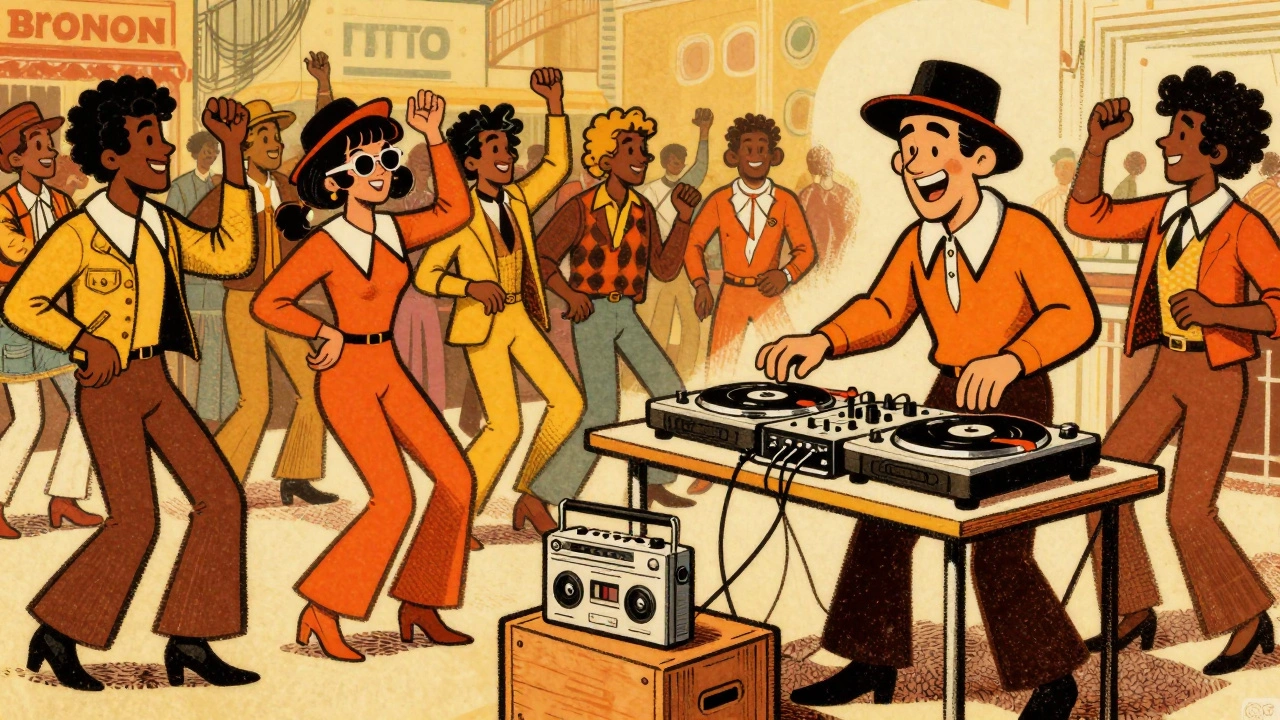

Before the world knew what rap was, the Bronx was vibrating with a sound that didn't exist on any store shelf. In the late 1970s, if you wanted to hear the latest beats, you didn't go to a record store; you found a guy with a cassette. The birth of hip-hop mixtapes wasn't about selling records-it was about capturing the lightning of a live block party and bottling it for the streets. While the industry eventually caught up, the real history of the genre is written in the hiss and crackle of old magnetic tape.
The Architecture of the Block Party
Hip-hop didn't start in a studio; it started in the parks and community centers of New York City. DJ Kool Herc is widely viewed as the father of this movement. Drawing from his Jamaican roots and the sound system culture of the Caribbean, Herc realized that the crowd went wild during the "break"-that percussion-heavy part of a funk or soul record where the singing stops. By using two turntables to loop these breaks, he created a continuous flow of danceable energy.
These live performances were the primary source of the music. Because there were no official recordings, the only way to preserve a set was to record it live. Early practitioners used basic PA systems and portable recorders to document the cutting, scratching, and blending that defined the era. This created a culture where the recording itself became a trophy. If you had a tape of a legendary set, you held a piece of cultural currency.
From Cassettes to Dub Plates
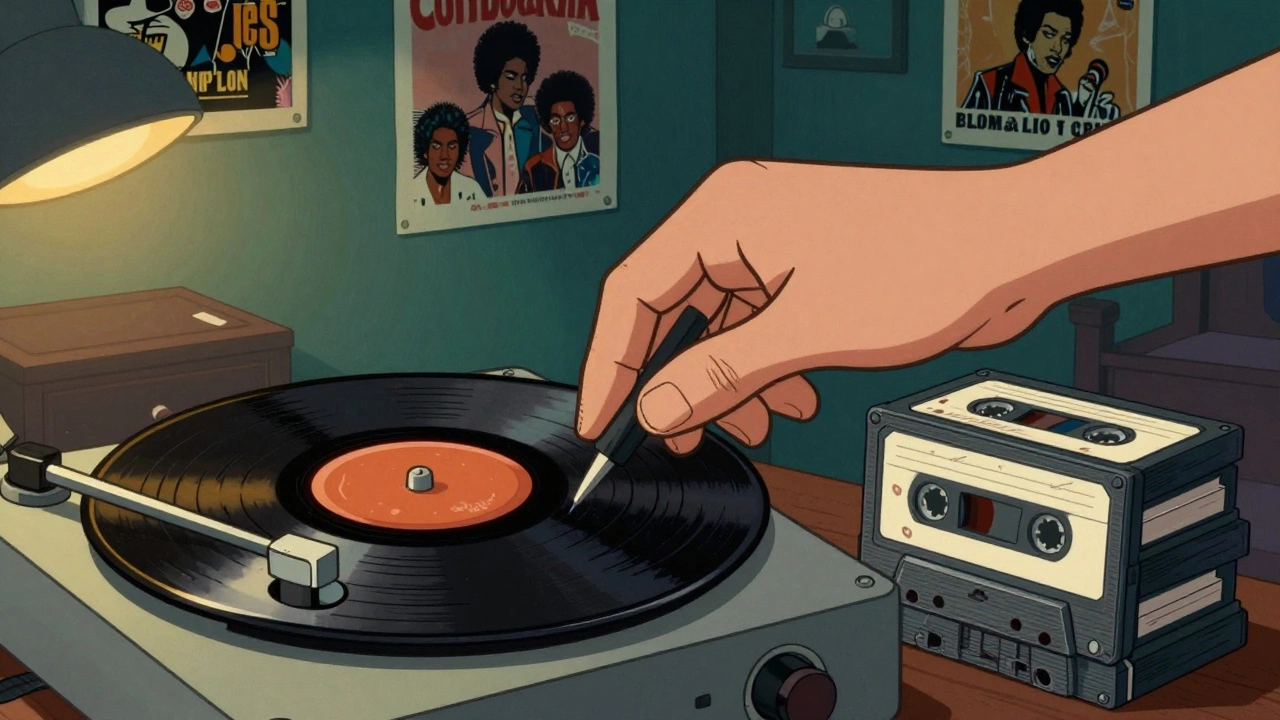
While cassettes were the primary way people shared music, the technical side of the craft was evolving. In 1977, a Puerto Rican DJ known as DJ Disco Wiz broke new ground by creating the first technically produced "mixed plate." This wasn't just a recording of a party; it was a dub plate-a one-off acetate disc used to test mixes or share exclusive sounds. Disco Wiz integrated sound bites and paused beats, moving the mixtape from a simple recording to a curated piece of audio art.
The shift toward Cassette Tape technology changed everything. Unlike vinyl, which required a professional pressing plant, a cassette could be dubbed in a bedroom. This democratization of media meant a single tape could travel from the Bronx to a cousin in another state, who would then make ten more copies. It was the first viral marketing campaign, long before the internet existed.
| Format | Primary Use | Distribution Speed | Audio Quality |
|---|---|---|---|
| Dub Plates | DJ experimentation/Exclusives | Very Slow | High (for the time) |
| Cassettes | Street sharing/Bootlegs | Rapid/Viral | Variable (Hiss/Static) |
| Studio Records | Commercial Sales | Slow (Label controlled) | Professional |
The Underground Distribution Network
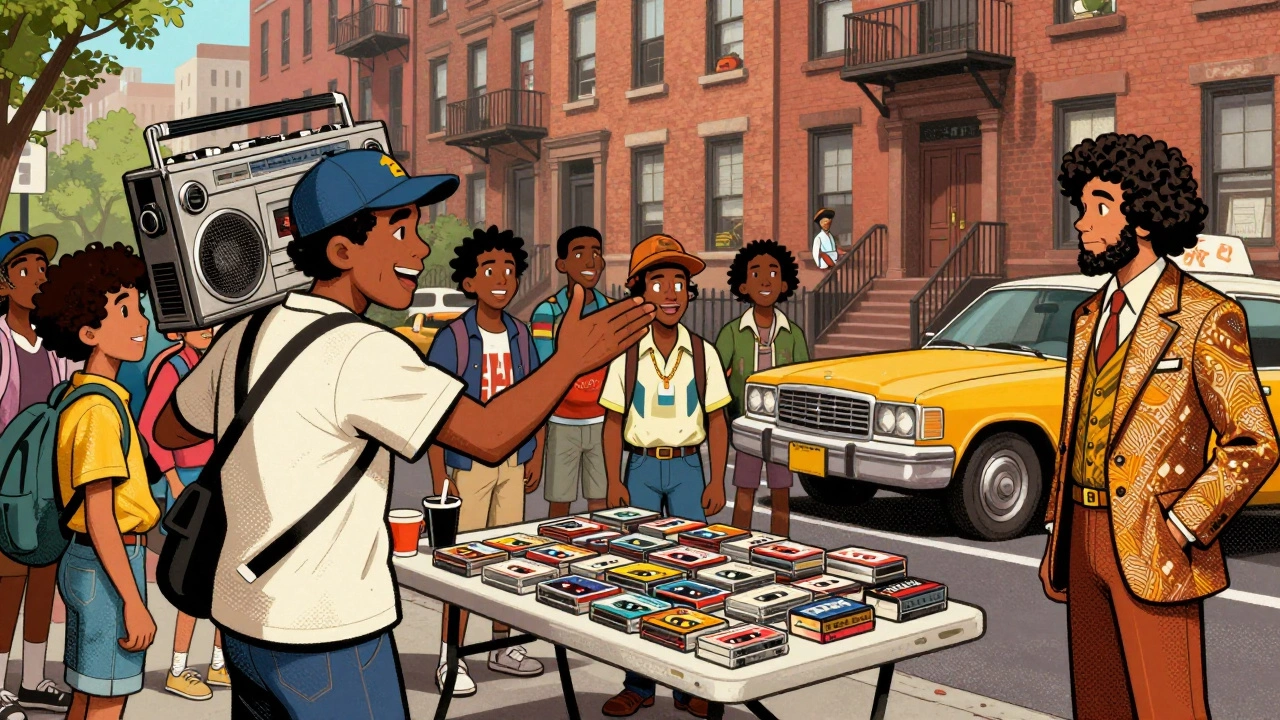
The way these tapes moved was entirely separate from the music industry. There were no distributors or chain stores involved. Instead, tapes were sold by street vendors, swapped at parties, or traded through quiet networks of collectors. This DIY approach allowed artists to bypass the gatekeepers of the recording industry, who were becoming increasingly picky about who they signed as the 70s drew to a close.
The quality of these recordings varied wildly. You had professionals like Elvis Moreno, known as Tape Master, who could plug his equipment directly into the soundboard of the Cold Crush Brothers to get a clean signal. Then you had the "bootlegs"-people who just set a recorder on a table in the middle of a crowd. Despite the noise, these tapes were preferred by "real heads" because they captured the raw energy of the street, something the sterile environment of a 1979 studio couldn't replicate.
The Hustle: Mixtapes as a Business
Even before hip-hop was a global billion-dollar industry, it was a local hustle. DJs quickly realized that people would pay for a curated experience. Grandmaster Flash once noted that he could easily make a couple thousand dollars a month just by creating customized tapes for people with money. These weren't just fans; they were often street hustlers and dealers who wanted the most exclusive blends to play in their cars or clubs.
By the late 80s, this market grew even more lucrative. DJs like Brucie B claimed that high-level kingpins would pay three-figure sums for a single blend tape. The mixtape became a way for a DJ to build a brand and exert power over the local scene. If a DJ refused to play your track on a tape, you weren't relevant. If they did, you were an overnight star.
The Walkman Explosion and Mainstream Arrival
The game changed forever in 1979 with the release of the Walkman. Suddenly, music was portable and private. The ability to listen to a DJ's set while walking through the city accelerated the adoption of the mixtape format. It turned the streets of New York into a massive, decentralized listening party.
This coincided with the release of "Rapper's Delight" by the Sugarhill Gang in 1979. While this is often cited as the first hip-hop record, many purists at the time hated it. To them, a studio record was a diluted version of the culture. The real hip-hop resided in the live dubs of crews like the Furious Five or the Crash Crew. The studio was for the masses; the mixtape was for the initiated.
The Legacy of the DIY Spirit
The practices established in the 1970s laid the groundwork for everything that followed. The transition from bootleg tapes to the highly curated "street albums" of the 90s-led by figures like DJ Clue and Funkmaster Flex-was a natural evolution. They took the raw energy of the 70s and added professional production, but the core goal remained the same: direct-to-consumer distribution that bypassed the labels.
The mixtape proved that you didn't need a record deal to have a voice. By utilizing the low cost of cassette duplication and the reach of underground networks, early DJs created a self-sustaining ecosystem. This era taught the music world that authenticity often beats production value and that the most powerful tool in music isn't a contract, but a community of people willing to swap tapes.
Who created the first hip-hop mixtape?
While DJ Kool Herc established the tradition of recording live sets, DJ Disco Wiz is credited with creating the first technically produced "mixed plate" or dub recording in 1977, which used special effects and paused beats rather than just recording a live party.
Why were cassettes preferred over vinyl in the 70s?
Cassettes were cheap to produce and easy to duplicate. Anyone with a tape recorder could make a copy, allowing music to spread rapidly through underground networks without needing a professional pressing plant or a record label.
Was "Rapper's Delight" considered a mixtape?
No, "Rapper's Delight" was a commercial studio recording. Many early hip-hop enthusiasts actually viewed it as a commercialized version of the culture, preferring the raw, authentic feel of live dubs and mixtapes over studio releases.
How did DJs make money from mixtapes before the internet?
DJs sold customized blend tapes directly to the community. High-profile DJs like Grandmaster Flash reported making thousands of dollars a month by selling these tapes to people with disposable income, including street hustlers and local businessmen.
What is a dub plate in the context of early hip-hop?
A dub plate is a one-of-a-kind acetate record. In the 70s, DJs used them to test out new mixes or create exclusive tracks that weren't available to the general public, making them highly valuable status symbols among DJs.


