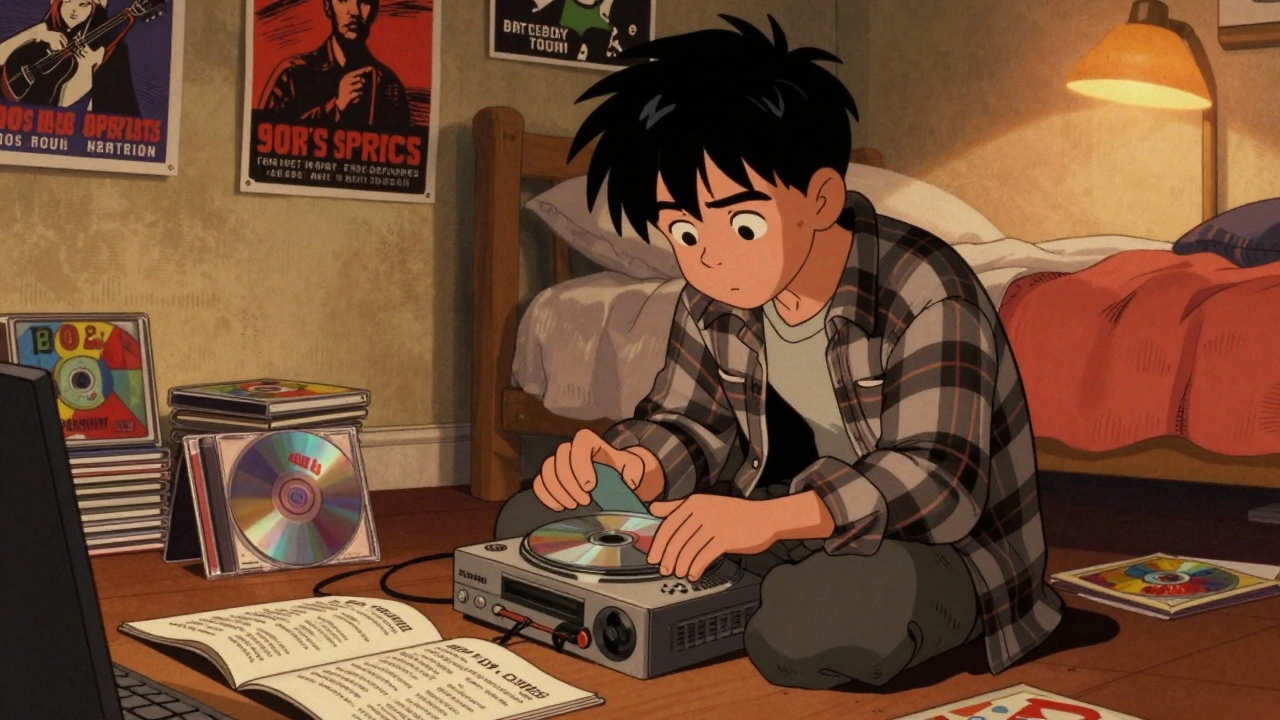

Imagine sitting in your room in 1994, staring at a CD lyric booklet that says the album ends at track 12. You let the disc keep spinning, expecting silence, but suddenly, out of nowhere, a wall of distorted noise or a weirdly quiet acoustic song kicks in. If you grew up with alternative rock in the 90s, you know that feeling. It wasn't just a song; it was a reward for your patience, a secret handshake between the artist and the most dedicated fans.
These sonic Easter eggs weren't just random accidents. They were a specific cultural phenomenon driven by the technical quirks of the Compact Disc. While vinyl had physical limits, the CD allowed musicians to hide entire compositions in the gaps or at the very end of the disc, creating a treasure hunt experience that defines the nostalgia of that era.
The Tech Behind the Secret
To understand why hidden tracks exploded in the 90s, you have to look at how CDs actually work. Unlike a digital file today, a CD is a physical piece of plastic with a specific structure. Bands exploited this structure in three main ways to trick the listener.
First, there was the pre-gap. This is a tiny slice of time before the first track officially starts. Most people just hear a second of silence, but some artists used it to hide audio. For instance, They Might Be Giants tucked a track called "Token Back To Brooklyn" into the pre-gap, turning a technical necessity into a poetic snapshot of a subway ride. To find it, you had to manually rewind from the start of the first song-something that felt like hacking the system at the time.
The second and most common method was the extended silence. The artist would end the final listed song and then leave five, ten, or even twenty minutes of dead air before the secret track began. AFI did this on The Art of Drowning, where the song "Battled" doesn't start until seven minutes after the official finale, "Morningstar." It forced you to sit in the silence, wondering if your player had frozen, only to be surprised by a sudden burst of music.
Finally, some bands used backmasking or audio manipulation. This involved recording audio in reverse or layering hidden messages. While this started with early experimental acts and The Beatles, 90s alt-rock bands used it to add an eerie, subversive layer to their albums. Blind Melon played with this on their US CD release, featuring a reversed version of "New Life" that felt like something straight out of Twin Peaks.
| Method | Technical Trick | Listener Experience | Example Artist |
|---|---|---|---|
| Pre-gap | Audio placed before Track 1 | Rewinding the start of the disc | They Might Be Giants |
| Extended Silence | Long gap after final track | Waiting through minutes of quiet | AFI |
| Backmasking | Reversed audio tracks | Listening to "secret" reversed messages | Blind Melon |
Why Bands Kept Secrets
You might wonder why a band would hide a song they spent thousands of dollars to record. For many, it was about artistic control. Labels often had strict ideas about how an album should flow or how many songs it should have to be commercially viable. A hidden track allowed an artist to include a "weird" song that didn't fit the album's mood without ruining the official sequence.
Trent Reznor of Nine Inch Nails used this strategy to explore his love for new wave music. On the album Broken, the hidden track "Physical (You're So)" acted as a creative outlet that bypassed the standard label packaging constraints. It was a way to give the fans more value without having to argue with a suit in a boardroom about track counts.
It also created a powerful bond with the audience. In the pre-internet (or early-internet) era, finding a hidden track was a badge of honor. You'd talk about it at school or on early message boards. Nirvana did this on Nevermind with the chaotic "Endless, Nameless," which served as a sonic punch in the gut after the album's polished conclusion. It reinforced the idea that alt-rock was experimental, unpredictable, and slightly rebellious.
Hidden Tracks vs. Bonus Cuts
It's easy to confuse the two, but there's a real difference. A hidden track is a secret-it's not on the back of the CD case and often requires a technical trick or a lot of patience to find. A bonus cut, on the other hand, is usually listed but might be exclusive to a certain region (like a Japanese import) or a special edition.
As the 90s progressed, the industry started to realize that "exclusive content" was a great marketing tool. Alanis Morissette and other major acts began incorporating tracks that were unlisted but not necessarily concealed by silence. These were essentially the ancestors of the "Deluxe Edition" we see today. They moved away from the "secret club" vibe and toward a "collector's item" strategy.
Even bands like Crowded House played with this. On Woodface, Tim Finn's "I'm Still Here" existed as a phantom track. Decades later, when the album was reissued as a deluxe edition in 2017, that secret was finally brought into the light and given its own official spot on the tracklist. The mystery was gone, replaced by archival completeness.
The Era of the Experimental Outtake
Not every hidden track was a polished song. Some were just... weird. The Barenaked Ladies album Gordon is a perfect example. After the song "Crazy," the disc descends into a series of studio outtakes, giggles, and ad-libs. This gave the album a human, unpolished feel, reminding the listener that these were real people in a room making noise, not a manufactured pop product.
Then you had Beck. On Mellow Gold and Odelay, he used hidden elements like "Analog Odyssey" and a noise loop called "Computer Rock" to challenge the listener's expectations. These weren't just "extra songs"; they were atmospheric additions that made the album feel like a living, breathing piece of art rather than just a collection of singles.
The Digital Death of the Secret
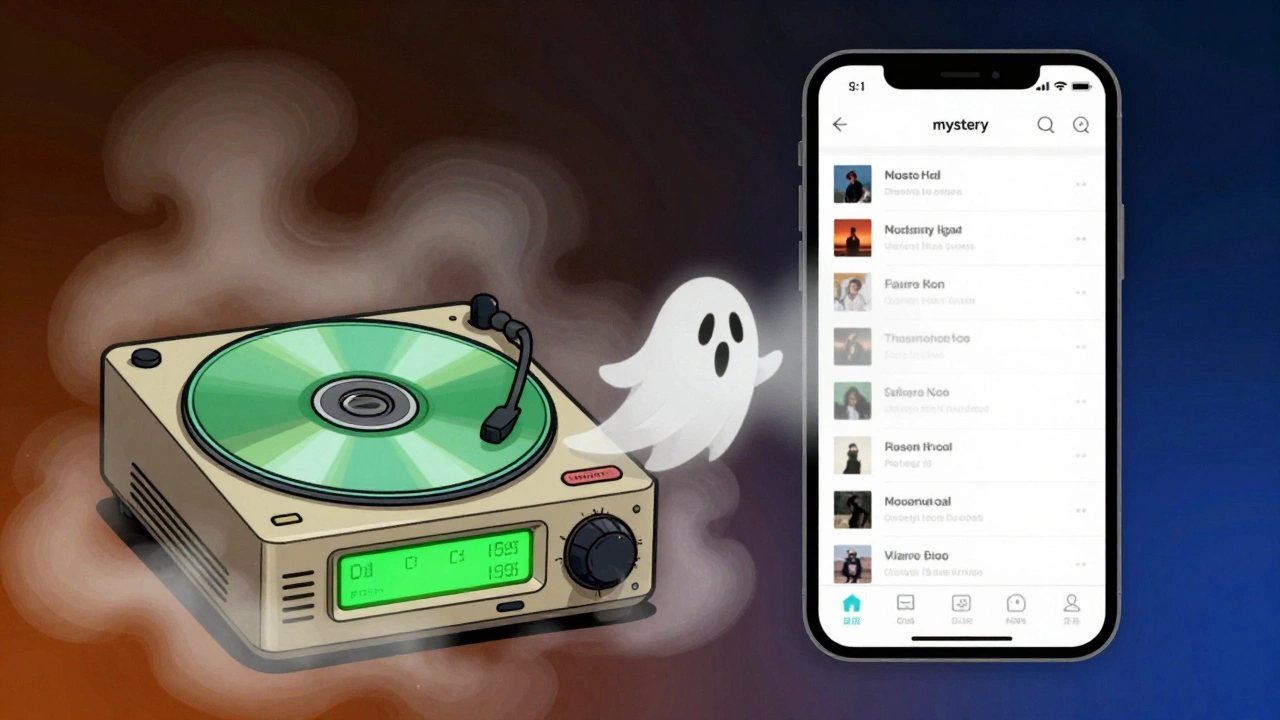
So, where did all the hidden tracks go? The answer is simple: the file format. When we moved from physical discs to MP3s and eventually to streaming services like Spotify or Apple Music, the "gap" disappeared. A streaming service lists every single piece of audio as a separate track. There is no "pre-gap" to rewind and no ten-minute silence to wait through because the user would just skip the track.
The element of discovery was replaced by the convenience of the scroll. While some artists still try to mimic the effect by naming a song "Hidden Track" or putting it at the end of a playlist, the magic is gone. You can't "discover" something that the software has already indexed and displayed in a neat list. The technological loophole that allowed 90s artists to play tricks on us has been closed by the efficiency of the digital age.
What is the difference between a hidden track and a bonus track?
A hidden track is intentionally concealed from the listener, often not listed on the album cover and hidden behind silence or in the CD pre-gap. A bonus track is an additional song that is usually listed, though it may only be available on specific versions of an album, such as a limited edition or a regional release.
How did you find hidden tracks on a CD player?
Depending on the method, you would either let the final track play and wait through several minutes of silence, or you would use the "rewind" button at the very beginning of Track 1 to find audio hidden in the pre-gap.
Which 90s albums are famous for having hidden tracks?
Nirvana's "Nevermind" (Endless, Nameless), Nine Inch Nails' "Broken" (Physical (You're So)), and Green Day's early work are classic examples. Other notable mentions include Beck's "Odelay" and AFI's "The Art of Drowning."
Can you still find hidden tracks on streaming services?
Not in the traditional sense. Because streaming platforms list all audio files as individual tracks, the "secret" is revealed immediately. Some artists may hide a song by giving it a blank title or placing it at the end of a long list, but the technical "hide" of the CD era is gone.
Why did bands use the pre-gap for hidden songs?
The pre-gap was a technical necessity of the CD format designed for spacing. Artists realized they could place audio there that wouldn't be played automatically when the disc started, making it a perfect spot for a secret that only the most curious listeners would find.


