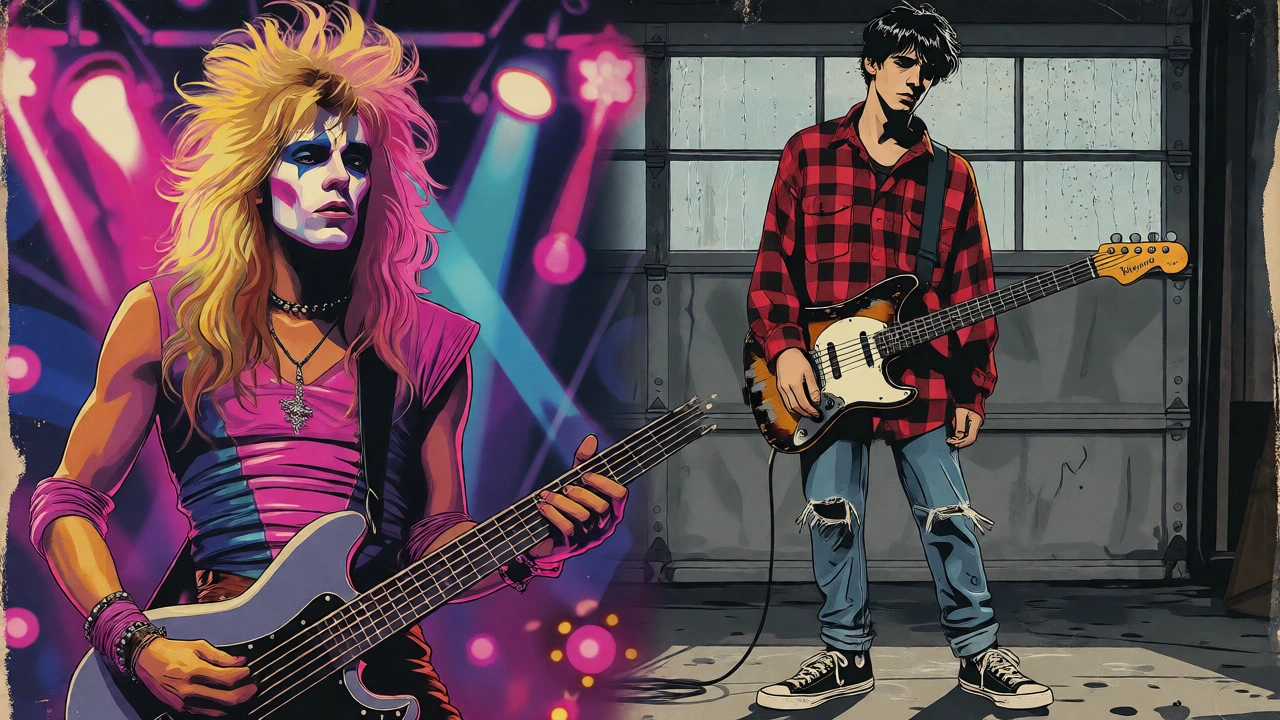

Imagine a world where the most popular band on Earth isn’t wearing spandex or teasing their hair into gravity-defying towers. In late 1991, that world arrived. It didn’t come with a fanfare of synthesizers or a chorus of backing vocalists. It came with three chords, a flannel shirt, and a scream that sounded like it hurt to make. Nirvana didn’t just release an album; they detonated a cultural bomb that erased nearly a decade of musical excess overnight.
The story of how grunge killed hair metal is often told as a simple battle between good and bad taste. But it was more complex than that. It was a generational revolt against the polished, aspirational fantasy of the 1980s. When Nevermind hit shelves on September 24, 1991, few expected it to change everything. Yet within months, it had displaced Michael Jackson from the top of the charts, signaling that audiences were tired of perfection. They wanted something real, even if that reality was messy, loud, and deeply unhappy.
The Death of Glamour
To understand why Nirvana mattered, you have to look at what they were reacting against. By 1990, rock radio was dominated by bands like Poison and Mötley Crüe. These groups offered escapism. Their lyrics celebrated partying, fast cars, and conquest. Visually, they were spectacles of neon, leather, and hairspray. Production values were sky-high, with layered harmonies and guitar solos that seemed designed to prove technical prowess rather than evoke emotion.
Grunge rejected this entirely. Originating in Seattle’s damp, gray underground scene around 1985, bands like Mudhoney and Soundgarden favored a sound that was sludgy, distorted, and deliberately unpolished. The aesthetic was anti-glamour. Musicians wore thrift-store clothes, ripped jeans, and Converse sneakers. There was no choreography, no pyrotechnics, and certainly no pretense of being larger than life. This wasn’t just a fashion choice; it was a moral stance. In an era defined by Reagan-era wealth accumulation and surface-level optimism, looking ordinary was a radical act.
The Chart-Topping Shockwave
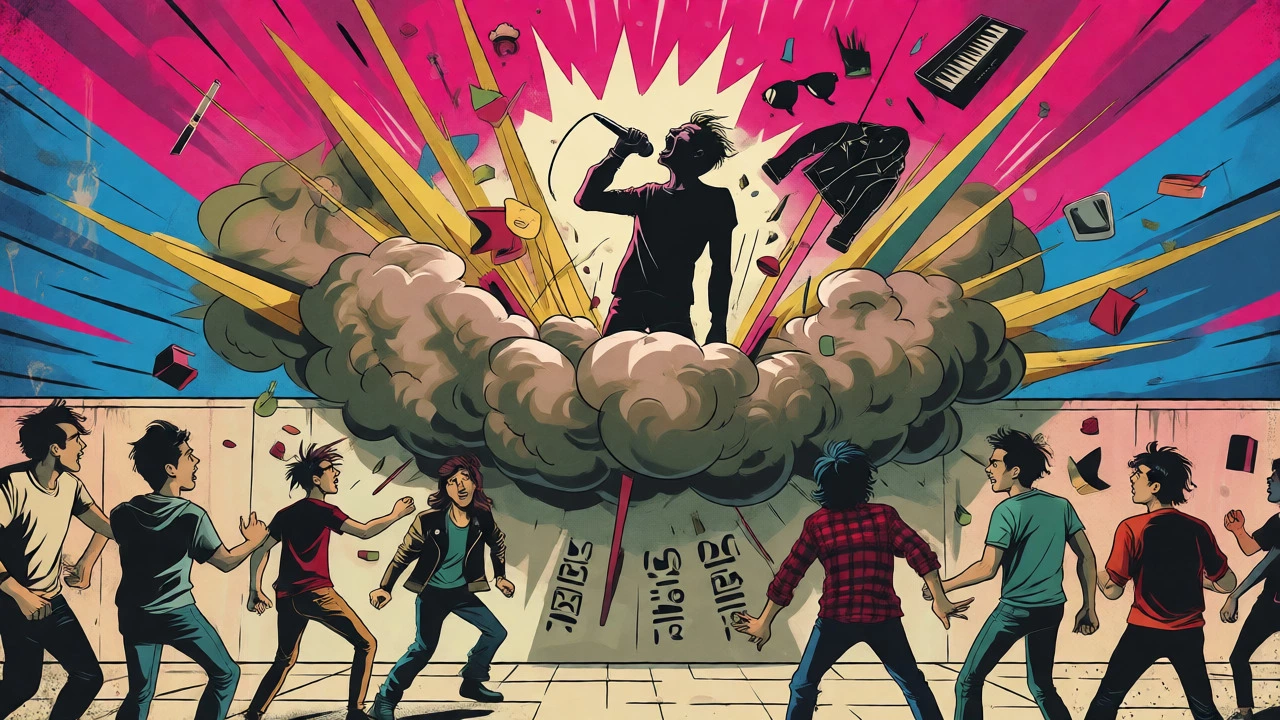
The turning point wasn’t gradual-it was abrupt. Before Nevermind, alternative rock was considered "college rock," a niche genre for students and misfits. Major labels didn’t know how to market it. Then, "Smells Like Teen Spirit" exploded. The video, featuring chaotic schoolgirls and mosh pits, became an MTV staple almost instantly.
Within four months of its release, Nevermind climbed from No. 144 on the Billboard 200 to No. 1, knocking Michael Jackson’s Dangerous off the throne. This moment is often cited as the end of the 1980s in music. The sales figures tell the rest of the story: over 30 million copies sold worldwide. Suddenly, record executives weren’t looking for the next glam band; they were scouring Seattle for the next Nirvana. The commercial viability of authenticity had been proven.
Musical Minimalism as Rebellion
The shift wasn’t just visual; it was sonic. Hair metal relied on complexity-extended solos, double-kick drums, and intricate song structures. Grunge stripped this away. Nirvana’s songs typically ran between three and five minutes, adhering to a classic verse-chorus structure but injecting it with dynamic extremes. Quiet verses would explode into noisy choruses, creating a sense of tension and release that felt emotional rather than technical.
Kurt Cobain’s vocals were the antithesis of the trained, operatic delivery common in glam rock. His voice cracked, screamed, and whispered. He didn’t try to hide his imperfections; he highlighted them. Producer Butch Vig captured this rawness at Sound City Studios, using minimal overdubs to preserve the feeling of a live performance. This approach lowered the barrier to entry for aspiring musicians. You didn’t need to be a virtuoso to start a band; you just needed to mean it.
| Feature | 1980s Glam Metal | Early 1990s Grunge |
|---|---|---|
| Aesthetic | Neon, leather, teased hair, makeup | Flannel, denim, unkempt hair, thrift store |
| Production | Polished, multi-layered, reverb-heavy | Raw, direct, minimal overdubs |
| Lyrics | Party, romance, triumph, fantasy | Alienation, depression, social critique, irony |
| Vocals | High-pitched, powerful, controlled | Strained, shouted, whispering, imperfect |
| Instrumentation | Extended solos, technical proficiency | Power chords, distortion, dynamic contrast |
Gen X and the Voice of Disillusionment
Why did this resonate so deeply? The audience for Nevermind was largely Generation X, those born between 1965 and 1980. This cohort grew up watching the Cold War wind down, seeing parents divorced by changing social norms, and entering a job market that valued loyalty less each year. They weren’t promised the American Dream in the same way Baby Boomers were.
Cobain became the accidental spokesperson for this disillusionment. He didn’t offer solutions. He articulated the confusion. Songs like "Come As You Are" and "Lithium" explored themes of identity crisis and mental health without judgment. For teenagers who felt out of step with the glossy confidence of the previous decade, hearing someone admit to feeling lost was validating. It gave them permission to be vulnerable in a culture that demanded strength.
The Industry Pivot
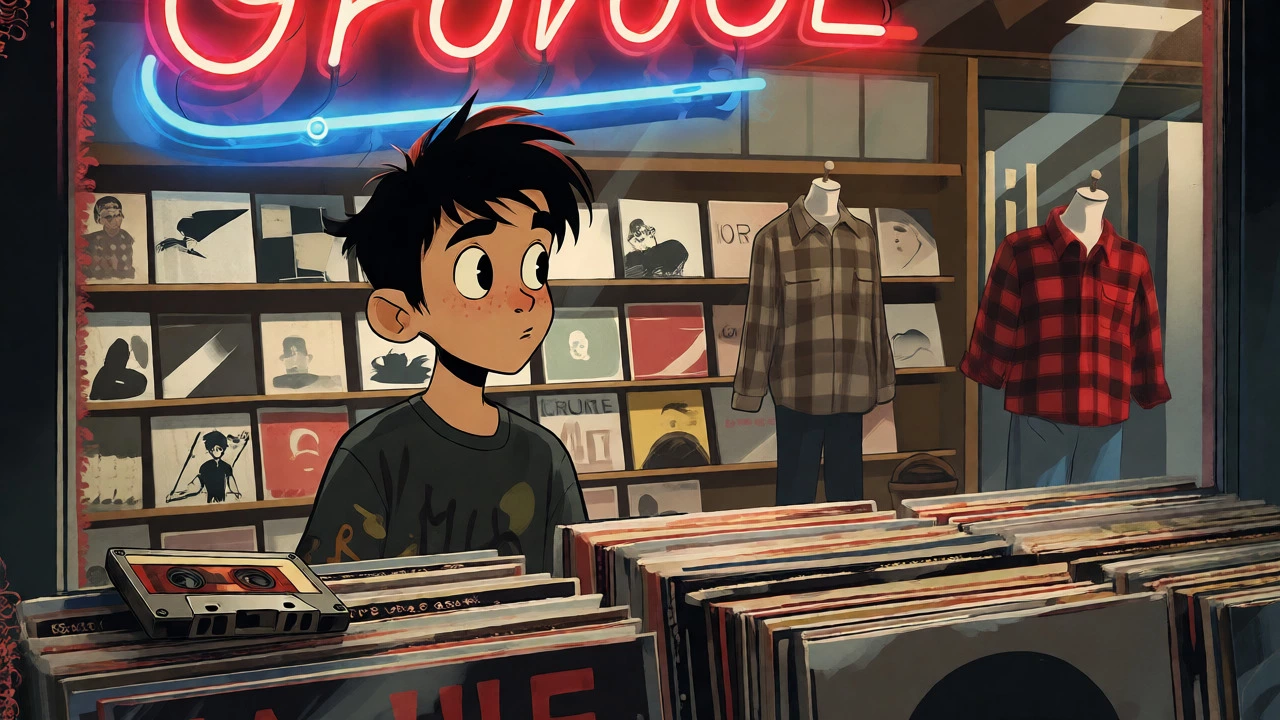
The success of Nirvana forced a massive restructuring of the music industry. Labels dropped their glam acts, whose sales plummeted, and poured millions into signing alternative bands. Pearl Jam, Alice in Chains, and Stone Temple Pilots all benefited from this new landscape. Radio stations shifted formats, replacing hair metal playlists with modern rock rotations that prioritized grit over gloss.
This wasn’t just about selling records; it was about defining cool. Authenticity became the new currency. If you looked too polished, you were suspect. If you looked like you hadn’t slept in days, you were credible. Ironically, this rejection of commercialism became highly commercial. Thrift-store chic was quickly adopted by high-end fashion designers, proving that rebellion could be packaged and sold back to the masses.
Legacy and Modern Echoes
Today, the Nirvana Effect is still visible. We see it in the continued popularity of vinyl records, which prioritize tangible experience over digital convenience. We see it in genres like indie rock and lo-fi hip-hop, which value atmosphere and mood over technical perfection. The idea that music should reflect genuine human emotion, flaws and all, remains a core tenet of modern criticism.
However, the narrative has nuances. Not every grunge band was equally minimalist. Soundgarden used complex time signatures; Alice in Chains incorporated heavy metal riffs. But Nirvana’s specific blend of pop melody and punk attitude made them the perfect vehicle for change. They bridged the gap between the underground and the mainstream, showing that you could be commercially successful without sacrificing integrity.
As we move further from the 1990s, the debate continues. Was grunge a genuine revolution, or just another phase in the cyclical nature of pop culture? Perhaps both. What’s undeniable is that after Nevermind, rock music never looked-or sounded-the same again. The excess of the 80s wasn’t just criticized; it was rendered obsolete, replaced by a raw honesty that still echoes in today’s playlists.
What exactly is the "Nirvana Effect"?
The "Nirvana Effect" refers to the rapid cultural and industrial shift caused by the success of Nirvana's album Nevermind in 1991. It describes how one band and one album forced the music industry, media, and audiences to abandon the polished, excessive style of 1980s glam metal in favor of the raw, authentic, and emotionally driven aesthetics of grunge.
How did grunge differ musically from 1980s hair metal?
Musically, grunge favored simpler song structures, power chords, and dynamic contrasts (quiet verses, loud choruses) over the extended guitar solos and technical virtuosity of hair metal. Production-wise, grunge albums were less polished, retaining rough edges and feedback to convey immediacy and emotion, whereas hair metal relied on heavily produced, layered studio sounds.
Why did Generation X connect with grunge?
Generation X connected with grunge because it reflected their feelings of alienation, economic uncertainty, and skepticism toward authority. Unlike the optimistic, aspirational lyrics of 1980s rock, grunge addressed depression, apathy, and social awkwardness, validating the lived experiences of young people who felt disconnected from the prevailing culture of wealth and success.
Did grunge completely replace hair metal?
While grunge didn't erase hair metal overnight, it effectively ended its dominance. After Nevermind's success in early 1992, major labels stopped promoting glam acts, and radio stations switched formats. Hair metal retained a niche audience, but it lost its status as the primary driver of mainstream rock culture, which was taken over by alternative and grunge bands.
Was the grunge movement purely anti-commercial?
Ideologically, yes. Grunge musicians rejected the overt commercialism and image-consciousness of the 1980s. However, practically, the movement became highly commercial. Bands signed major-label deals, and the "grunge look" was mass-produced by fashion retailers. This paradox highlights how countercultural movements are often absorbed and monetized by the mainstream.