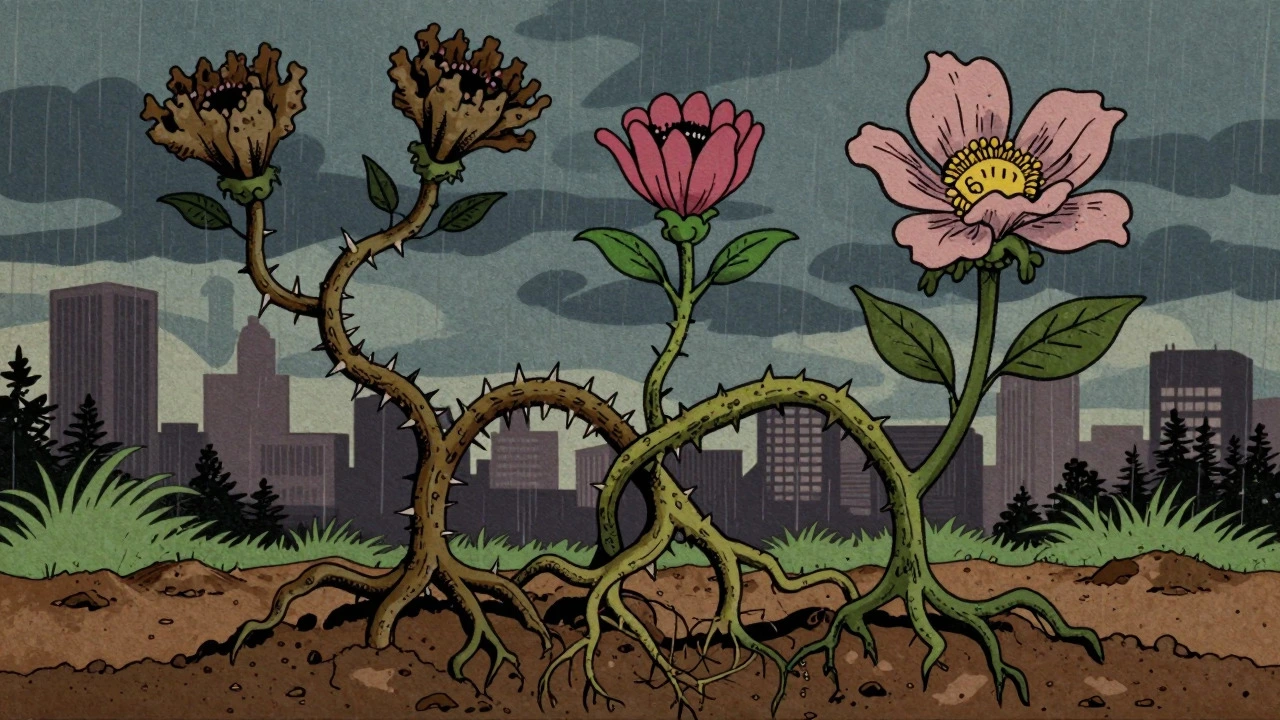

When you hear a modern indie band tear into a heavy riff before dropping into a quiet, confessional verse, you are hearing the ghost of Seattle. It has been over three decades since Nirvana dropped Nevermind, yet the sonic DNA of that era still pulses through the veins of today’s underground. If you have ever felt a strange kinship between a 1994 Pearl Jam track and a 2012 basement show in Portland, you are not imagining things. The connection is real, structural, and deeply embedded in how we make and listen to guitar music now.
This isn't just about nostalgia for flannel shirts or distressed jeans. It is about a specific musical vocabulary that refused to die. As the mainstream moved on to pop-punk gloss and then electronic production, a group of artists looked back at the raw, unpolished textures of the late 80s and early 90s. They mixed those elements with the emotional intensity of Emo, creating a hybrid sound that critics now call "soft grunge" or part of the broader emo revival. This article breaks down how a movement that peaked in the early 90s became the backbone of the alternative scenes we are living in right now.
The Roots: Why Grunge and Emo Were Always Connected
We often treat grunge and emo as separate lineages, but their histories are tangled together from the start. Grunge emerged in the Pacific Northwest, specifically Seattle, in the mid-to-late 1980s. It was a messy, loud collision of hardcore punk, heavy metal, and noise rock. Bands like Soundgarden and Alice in Chains were building a wall of distorted guitars while singing about alienation and social malaise. Meanwhile, in Washington, D.C., bands like Rites of Spring were taking the speed of hardcore and slowing it down to focus on introspective, emotionally confessional lyrics. That was the birth of emo.
Here is where it gets interesting: these two scenes weren't isolated islands. In the late 80s, bands like Squirrel Bait bridged the gap, influencing both the developing grunge scene in the West and the emerging emo scene in the East. Even Kurt Cobain and Eddie Vedder cited early emo influences. So, when the "emo revival" started picking up steam in the late 2000s, it wasn't just looking at 90s Midwest emo bands like American Football. It was also reaching back to the grunge-informed styles of groups like Sunny Day Real Estate and Mineral. Those 90s acts already had a foot in both camps, carrying the weight of grunge into the world of emo. By the time the fourth wave of emo hit, grunge wasn't just an influence; it was a foundational ingredient.
Soft Grunge: The Hybrid Genre That Defined the Early 2010s
If you want to pinpoint exactly where grunge meets the modern emo revival, look at "soft grunge." Also known as emo grunge, this subgenre exploded in the early 2010s. It takes the dynamic shifts of grunge-quiet verses exploding into loud, distorted choruses-and pairs them with the melodic sensibility and lyrical vulnerability of emo. It’s less aggressive than traditional grunge but much heavier and grittier than the glossy pop-emo of the mid-2000s.
Think of bands associated with labels like Run For Cover Records. Fans often describe their sound as having a distinct "grungy aspect," particularly in the guitar tone and atmosphere. You hear fuzz pedals instead of clean chimes. You hear songs that feel like they were recorded in a garage, not a polished studio. This aesthetic choice was deliberate. It was a rejection of the commercial sheen that had dominated rock in the 2000s. By embracing the lo-fi, unpolished production values of 90s grunge, these bands signaled that they cared more about authenticity than chart success.
| Feature | Classic Grunge (Early 90s) | Third-Wave Emo (Mid 2000s) | Soft Grunge / Emo Revival (2010s) |
|---|---|---|---|
| Guitar Tone | Heavily distorted, fuzzy, aggressive | Clean, chiming, precise, melodic | Fuzzy, textured, mix of clean and distorted |
| Lyrical Focus | Social malaise, apathy, anti-corporate | Personal heartbreak, diary-style confession | Introspection, vulnerability, self-examination |
| Production Style | Raw, lo-fi, unpolished | High-gloss, radio-ready, major label | Lo-fi, home-recorded, DIY aesthetic |
| Key Influences | Hardcore Punk, Metal, Noise Rock | Punk Rock, Pop Melodies | 90s Grunge, Midwest Emo, Indie Rock |
The DIY Ethos: How Underground Infrastructure Keeps Grunge Alive
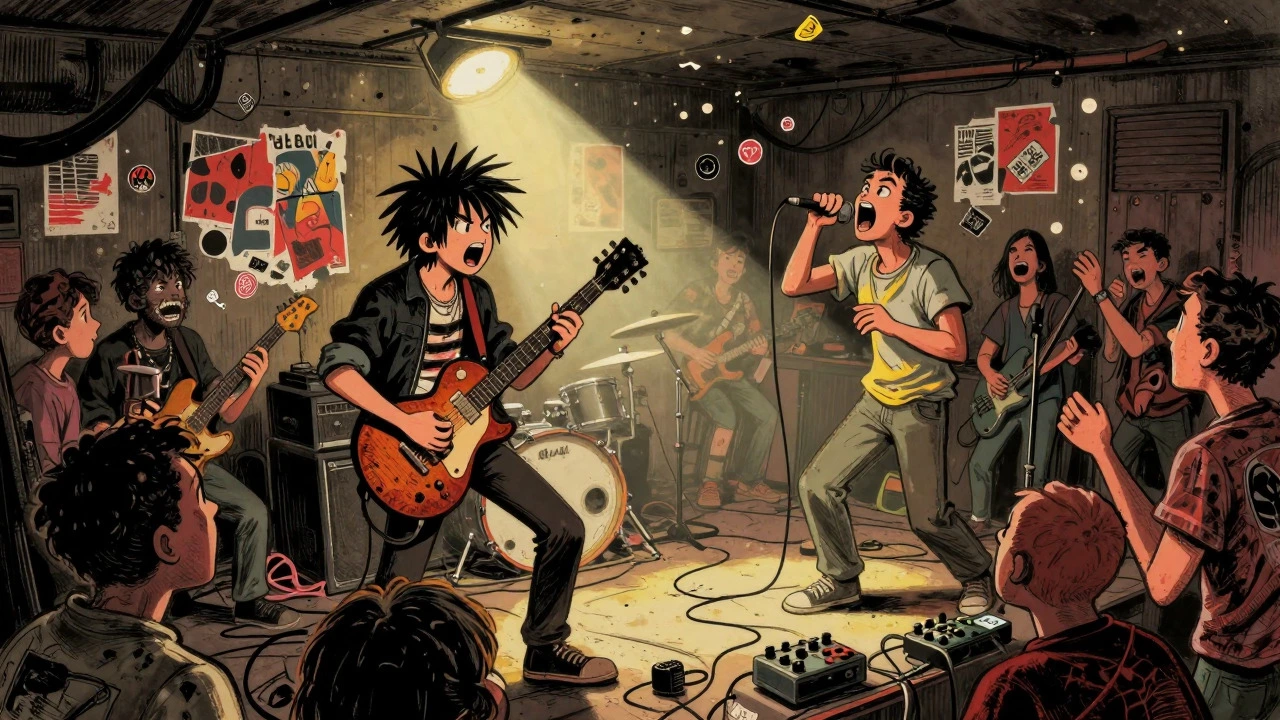
You can’t talk about grunge’s legacy without talking about how the music is made and distributed. One of the most enduring parts of grunge’s identity is its anti-corporate, DIY (Do It Yourself) spirit. In the late 80s, Seattle bands relied on small independent labels like Sub Pop. They played in small clubs, sold cassettes out of their cars, and built communities around local venues. When the majors swooped in after 1991, many fans felt the soul of the genre was being diluted.
The emo revival picked up this baton. Instead of aiming for MTV rotation, bands in the late 2000s and early 2010s focused on house shows, community venues, and online platforms. They released music on small-run vinyl and cassette tapes, directly to fans who valued the physical object and the story behind it. This shared infrastructure created a safe space for experimentation. Because these bands weren't trying to please a record executive, they could freely blend grunge heaviness with emo intimacy. The result was a scene that felt personal and immediate, much like the original Seattle days. Today, if you buy a ticket to a show in Portland or Austin, you are likely supporting a band that operates on this same grassroots model, keeping the economic and cultural cycle of underground rock alive.
From Basement Shows to Mainstream Recognition
The transition from basement to billboard hasn't been smooth, but it has happened. Albums like Basement’s Colourmeinkindness (2012) are often cited as pivotal moments where critics began labeling the sound as a "fresh take on grunge." Fans on forums like Reddit have debated whether these bands are truly emo or if they are actually leading a new grunge revival. Some argue that the soundscape shares more DNA with stoner rock and doom metal than with traditional D.C. emo, pointing to common ancestors like Black Sabbath and Led Zeppelin.
Regardless of the label, the impact is clear. The "soft-grunge era" has become a recognized historical phase within the broader emo timeline. Nostalgia for this period is strong, with listeners in the 2020s actively seeking out records from this window to preserve the memory of a specific sound. This isn't just about listening to old albums; it's about understanding how a specific combination of guitar tones and lyrical themes resonated with a generation that was tired of polish. As the initial wave of the emo revival dissolved by the mid-2010s, many of these artists evolved into "post-emo" or fifth-wave projects, continuing to push the boundaries of what alternative rock can be.
Why This Legacy Matters in 2026
We are now well into the 2020s, and the landscape of guitar music continues to shift. However, the core values established by grunge and refined by the emo revival remain central to alternative culture. We see a renewed interest in raw production, emotional honesty, and skepticism toward commercial trends. New bands are still using fuzz pedals and writing about personal struggles, drawing directly from the template set by Nirvana, Pearl Jam, and their emo contemporaries.
The legacy isn't static. It’s a living conversation. Every time a young artist picks up a guitar and decides that distortion is a valid expression of sadness or anger, they are participating in a lineage that stretches back to the rainy streets of Seattle in the 80s. The specific bands change, the technology evolves, but the ethos remains. Grunge taught us that rock music doesn't need to be perfect to be powerful. The emo revival proved that this power could be turned inward, making it deeply personal. Together, they created a blueprint for authenticity that is still shaping the sound of underground music today. Whether you call it soft grunge, post-emo, or just alternative rock, the heartbeat is the same.
What is soft grunge?
Soft grunge, also known as emo grunge, is a rock subgenre that emerged in the early 2010s. It combines the heavy, distorted guitar tones and dynamic structures of 1990s grunge with the melodic sensibility and introspective lyrics of emo. It is characterized by a lo-fi, DIY aesthetic and serves as a bridge between the two genres.
How did grunge influence the emo revival?
Grunge influenced the emo revival through shared roots in punk and a commitment to authenticity. Many 1990s emo bands were already "grunge-informed," and the 2010s revival explicitly borrowed grunge's raw guitar textures, heavy riffs, and anti-commercial DIY ethics to reject the glossy production of mid-2000s pop-emo.
Is the emo revival still active in 2026?
The specific "fourth-wave" emo revival largely dissolved by the mid-2010s. However, its influence persists in subsequent waves like "fifth-wave emo" and "post-emo." These later movements continue to evolve, incorporating elements of grunge, shoegaze, and other alternative styles, ensuring the legacy remains relevant in contemporary underground music.
What is the difference between classic grunge and soft grunge?
Classic grunge (early 90s) was generally louder, more aggressive, and focused on social alienation and apathy. Soft grunge (2010s) is slightly more melodic and intimate, blending grunge's heaviness with emo's confessional lyricism. While both value raw production, soft grunge tends to be more structurally complex and personally focused.
Which bands are considered key to the soft grunge movement?
Key bands often associated with the soft grunge or emo revival era include Basement, Algernon Cadwallader, Snowing, and Texas Is the Reason. Labels like Run For Cover Records also played a significant role in releasing music that defined this hybrid sound during the early 2010s.